
Navigating the complexities of the Internal Revenue Service (IRS) is often viewed as one of the most daunting aspects of personal and business finance. However, understanding how to efficiently manage and execute tax payments is a cornerstone of financial literacy and long-term wealth stability. In the modern era, the IRS has transitioned from a primarily paper-based bureaucracy to a more digitally integrated system, offering a variety of ways to settle your debts.
Whether you are a W-2 employee with a side hustle, a high-net-worth investor, or a small business owner, knowing the nuances of the payment system can save you from costly penalties, interest accrual, and unnecessary stress. This guide provides an in-depth exploration of the various methods available to make payments to the IRS, categorized by efficiency, cost-effectiveness, and strategic financial planning.
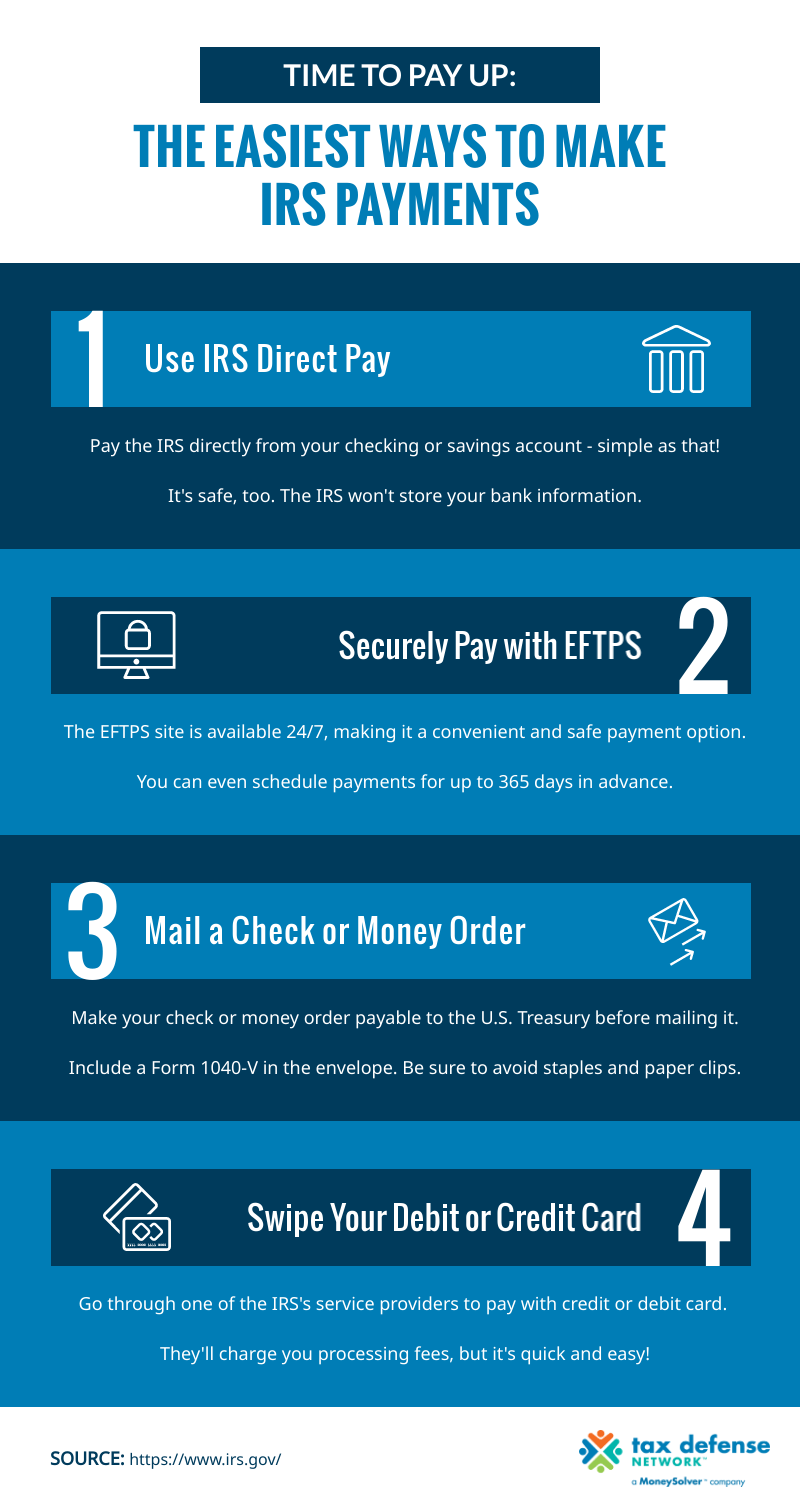
Digital Payment Solutions: The Fastest Way to Pay
In the realm of personal finance, efficiency is key. Digital payment methods are not only the fastest way to ensure your funds reach the IRS, but they also provide the most immediate confirmation of receipt, which is vital for your financial records.
IRS Direct Pay for Individuals
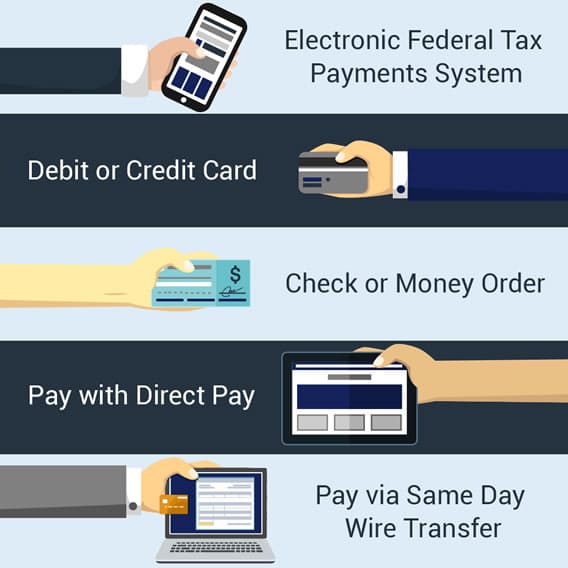
For most individual taxpayers, IRS Direct Pay is the gold standard of payment methods. This free service allows you to pay your income tax directly from your checking or savings account without any additional fees. It is particularly useful for paying 1040 individual income taxes, estimated taxes, and payments for extensions. One of the primary benefits of Direct Pay is the “Look Up a Payment” feature, which allows you to track your transaction and receive instant confirmation. From a financial planning perspective, Direct Pay is ideal because it allows you to schedule payments up to 30 days in advance, helping you manage your cash flow effectively.
The Electronic Federal Tax Payment System (EFTPS) for Businesses
While Direct Pay is tailored for individuals, the Electronic Federal Tax Payment System (EFTPS) is the heavy hitter for business finance and corporate entities. EFTPS is a free service provided by the Department of the Treasury that allows businesses and individuals to pay all federal taxes electronically. It requires a formal enrollment process, which includes receiving a PIN via mail, making it a highly secure option for larger transactions. For entrepreneurs and business owners, EFTPS is an essential tool because it keeps a comprehensive 16-month history of your payments, simplifying the reconciliation process during year-end audits or when working with a CPA.
Debit and Credit Card Options: Fees vs. Convenience
The IRS does not collect fees for credit or debit card payments, but the third-party processors they use certainly do. While this method offers the convenience of paying through a familiar interface, it is often the least cost-effective from a personal finance standpoint. Processing fees typically range from 1.8% to nearly 2% for credit cards, and a flat fee for debit cards.
However, there is a strategic angle to consider: if you are a “credit card optimizer” or “churner,” paying a large tax bill with a card might help you hit a minimum spend requirement for a high-value sign-up bonus. In this specific scenario, the value of the points or travel rewards earned may outweigh the 2% processing fee. If you choose this route, ensure that you have the liquid capital to pay off the credit card statement immediately to avoid high-interest debt.
Understanding Payment Deadlines and Compliance
Financial health is not just about having money; it is about keeping it. Avoiding the “hidden” costs of taxes—penalties and interest—is a vital part of a smart business finance strategy.
Estimated Tax Payments for Solopreneurs and Freelancers
If you operate in the gig economy or run a side hustle, the concept of “pay-as-you-go” is critical. The U.S. tax system is designed for taxes to be paid throughout the year as income is earned. For freelancers and independent contractors, this means making quarterly estimated tax payments using Form 1040-ES. The deadlines usually fall on April 15, June 15, September 15, and January 15 of the following year. Failing to make these payments can result in an underpayment penalty, even if you pay the full amount due when you file your return. Strategic earners often set aside 25% to 30% of their gross income in a high-yield savings account specifically for these quarterly dates.
Annual Tax Filings and Extension Deadlines
For the average taxpayer, April 15 is the landmark date for filing and paying. However, many people confuse a “filing extension” with a “payment extension.” If you request an extension to file your paperwork (usually pushing the deadline to October 15), you are still required to pay your estimated tax liability by the original April deadline. From a wealth management perspective, underestimating this amount can lead to interest charges that accrue daily. It is always better to overpay slightly and receive a refund than to underpay and face the IRS’s interest rates, which are often higher than what you would earn in a standard savings account.
Penalties for Late Payments and How to Avoid Them
The IRS enforces two primary penalties: failure-to-file and failure-to-pay. The failure-to-file penalty is significantly more expensive (5% of the unpaid taxes for each month or part of a month that a tax return is late). The failure-to-pay penalty is 0.5% of the unpaid taxes for each month or part of a month the tax remains unpaid. When managing your business finance, the priority should always be to file your return on time, even if you cannot afford the full payment, as the late-filing penalty can quickly snowball and erode your net worth.
Alternative Payment Methods and Offline Options

While digital is preferred, there are several “analog” or hybrid methods for those who prefer physical documentation or have specific cash-flow needs.
Paying by Check or Money Order
Though it feels antiquated, paying by mail is still a valid option. If you choose this route, you must include Form 1040-V (Payment Voucher). From a security and financial tool perspective, this is the riskiest method due to potential mail theft or processing delays. If you must pay by check, always use certified mail with a return receipt requested. This provides a legal “proof of mailing” that can protect you if the IRS claims your payment was late.
Making Cash Payments at Retail Partners
For those who are unbanked or prefer dealing in cash, the IRS has partnered with retail providers like 7-Eleven, Walgreens, and CVS to accept cash payments. This process involves a “Pay with Cash” option on the IRS website, which generates a code you take to the store. It is important to note that these payments have a daily limit (usually around $1,000) and take several days to process. For someone managing a small side hustle in a cash-heavy industry, this is a vital bridge to maintaining compliance.
Mobile App Payments: The IRS2Go Experience
The IRS2Go app is the official mobile app of the IRS. It serves as a middle ground between the full EFTPS system and a simple web portal. It allows users to make payments via Direct Pay or credit/debit card from their smartphones. For the modern investor who manages their portfolio and banking via apps, IRS2Go provides a streamlined, mobile-friendly interface to check refund status and make quick payments on the fly.
Managing Debt: What to Do When You Can’t Pay in Full
In personal finance, unexpected hurdles occur. If you find yourself in a position where your tax liability exceeds your current liquid assets, the IRS offers several “relief” avenues that are much better than simply ignoring the debt.
Short-Term Extensions and Payment Plans
If you can pay your full tax debt within 120 days, you may qualify for a short-term payment plan. There is generally no setup fee for this, though interest and penalties still accrue. This is an excellent tool for those who have a temporary liquidity crunch but expect a windfall—such as a bonus or the sale of an asset—in the near future.
Installment Agreements: Streamlined vs. Formal
For larger debts that require more than four months to settle, the IRS offers long-term installment agreements.
- Streamlined Agreements: Usually available for those who owe $50,000 or less. These can often be set up online in minutes.
- Formal Agreements: Required for larger amounts and may involve a more thorough disclosure of your financial situation (Form 433-A or 433-B).
While these plans carry setup fees and interest, they stop the IRS from initiating more aggressive collection actions, such as wage garnishments or bank levies, which could be catastrophic to your personal branding and financial reputation.
Offer in Compromise (OIC): The Last Resort
An Offer in Compromise allows you to settle your tax debt for less than the full amount you owe. However, the IRS has a very high bar for approval. They will only accept an OIC if they believe the amount offered is the most they can expect to collect within a reasonable period. This process requires a deep dive into your assets, income, and expenses. While often marketed by “tax relief” companies, it is a complex legal and financial maneuver that should ideally be handled with the help of a tax professional.
Security and Record-Keeping in the Digital Age
The intersection of finance and technology requires a heightened focus on digital security. When dealing with the IRS, the stakes for your identity and financial data are at their highest.
Protecting Your Identity During Transactions
Tax identity theft is a significant concern. The IRS will never initiate contact with taxpayers by email, text messages, or social media channels to request personal or financial information. When making payments, ensure you are always on a “.gov” website. Look for the padlock icon in your browser’s address bar. For added security, taxpayers should consider applying for an IP PIN (Identity Protection Personal Identification Number), which is a six-digit number that prevents someone else from filing a tax return using your Social Security number.
Maintaining a Financial Paper Trail
In the world of personal finance, documentation is your greatest defense. Whether you pay via Direct Pay, EFTPS, or a retail partner, always save a PDF or physical copy of your confirmation number. Integrate these receipts into your financial management software (like QuickBooks, Mint, or Quicken). By tagging these transactions correctly, you can easily pull reports for future years, helping you project your tax liability and adjust your withholdings or estimated payments accordingly.
Using Personal Finance Software to Automate Tax Savings
The best way to “make a payment” to the IRS is to have the money already waiting in a designated account. Modern financial tools allow you to automate this. Many business banking apps now offer “Tax Envelopes” or sub-accounts where a percentage of every incoming deposit is automatically redirected. By treating tax payments as a non-negotiable “expense” throughout the year rather than a lump-sum surprise in April, you preserve your cash flow and ensure that your investment capital remains untouched.
In conclusion, making payments to the IRS is an essential administrative task that, when managed correctly, becomes a seamless part of a robust financial strategy. By leveraging digital tools, understanding the timeline of obligations, and knowing how to navigate debt if it arises, you can maintain a position of financial strength and focus on what truly matters: growing your wealth and securing your financial future.
aViewFromTheCave is a participant in the Amazon Services LLC Associates Program, an affiliate advertising program designed to provide a means for sites to earn advertising fees by advertising and linking to Amazon.com. Amazon, the Amazon logo, AmazonSupply, and the AmazonSupply logo are trademarks of Amazon.com, Inc. or its affiliates. As an Amazon Associate we earn affiliate commissions from qualifying purchases.