
Batch operations, a fundamental concept in computing and information processing, represent a method of executing a series of tasks or commands sequentially, without human intervention during the execution. In essence, it’s about grouping related operations together and letting them run as a single, cohesive unit. This approach is pervasive across various technological domains, from system administration and software development to data processing and workflow automation. Understanding batch operations is crucial for anyone looking to optimize efficiency, automate repetitive tasks, and manage complex computational processes effectively.
The core idea behind batch operations is to eliminate the need for manual input or interaction for each individual task within a defined sequence. Instead, a set of instructions, often referred to as a batch script or job, is prepared in advance. This script outlines the order in which operations should be performed, along with any necessary parameters or conditions. Once initiated, the system processes these instructions one after another, ensuring a predictable and automated execution flow. This not only saves valuable time and resources but also significantly reduces the potential for human error, which can be a common issue in manual, step-by-step procedures.
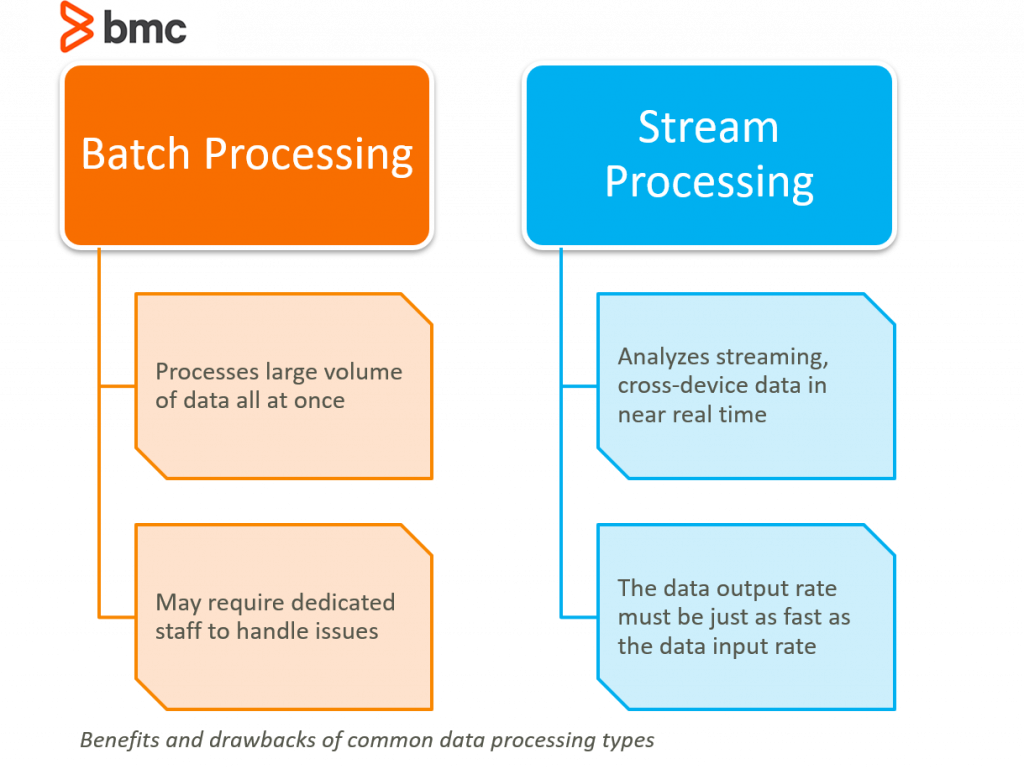
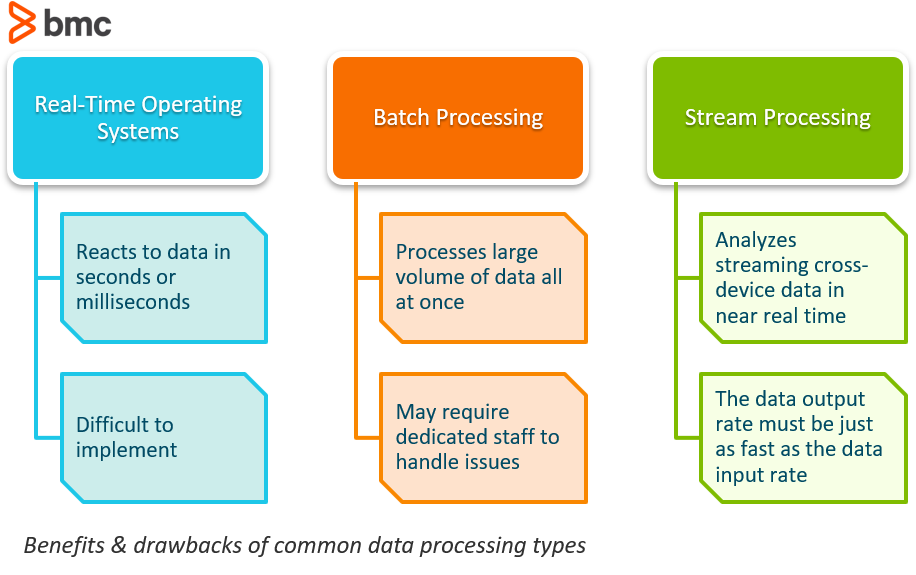
The origins of batch processing can be traced back to the early days of computing, where resources were scarce and expensive. To maximize the utilization of these limited resources, tasks were grouped together into “batches” and run during off-peak hours or overnight. This allowed for efficient processing of large volumes of data and complex computations without tying up expensive machinery for continuous human interaction. While technology has advanced dramatically, the principles of batch operations remain highly relevant and have evolved to meet the demands of modern, complex digital environments.
The Technical Underpinnings of Batch Operations
At its heart, batch operation is a technical construct designed to streamline computational workflows. It leverages scripting languages and operating system functionalities to define and execute sequences of commands. This section will delve into the technical aspects, exploring how batch operations are implemented and the various components that contribute to their effectiveness.
Scripting and Command Execution
The foundation of most batch operations lies in scripting. These are sets of instructions written in a specific scripting language, which the operating system or a dedicated interpreter can understand and execute.
Scripting Languages for Batch Processing
Various scripting languages are commonly used for batch operations. For Windows environments, the traditional Command Prompt (.bat or .cmd files) and PowerShell (.ps1 files) are prevalent. These languages allow users to chain together commands, manipulate files, manage processes, and control program execution. In Unix-like systems (Linux, macOS), shell scripting languages such as Bash, Zsh, and KornShell are the de facto standards. These scripts can automate everything from file backups and system updates to software compilation and deployment.
Beyond the native operating system shells, other scripting languages like Python and Perl are also frequently employed for more complex batch tasks. Their extensive libraries and powerful syntax make them suitable for intricate data manipulation, network operations, and interactions with various APIs, effectively extending the capabilities of traditional batch scripting.
The Execution Flow
Once a batch script is written, it’s typically executed by the operating system’s command-line interpreter. The interpreter reads the script line by line (or instruction by instruction) and carries out each command in the specified order. This sequential execution is the defining characteristic of batch processing. If a command requires parameters, they are provided within the script itself. Control flow statements, such as conditional logic (if-then-else) and loops (for, while), can be incorporated into scripts to create more dynamic and intelligent batch operations that adapt to different conditions. Error handling mechanisms are also crucial, allowing scripts to gracefully manage unexpected issues and prevent the entire batch from failing due to a single error.
Batch Jobs and Scheduling
The concept of a “batch job” refers to a single, executable unit within a larger batch operation. These jobs can be simple commands or complex sequences of operations. Efficient batch processing often involves scheduling these jobs to run at specific times or intervals, further enhancing automation.
Defining and Submitting Batch Jobs
A batch job can be as simple as a single command to copy a file or as complex as a multi-step application build process. In many enterprise environments, dedicated batch job schedulers or workflow management systems are used. These systems allow administrators to define jobs, specify their dependencies, set execution parameters, and manage their lifecycle. Submitting a batch job typically involves providing the script or executable, along with any required configuration or input data, to the scheduler. The scheduler then queues the job and initiates its execution when the appropriate conditions are met.
Scheduling Mechanisms and Automation
The power of batch operations is amplified by their schedulability. Operating systems and third-party tools offer robust scheduling capabilities. For instance, in Unix-like systems, cron is a widely used utility that allows users to schedule commands or scripts to run automatically at specified times and dates. On Windows, the Task Scheduler performs a similar function. These schedulers enable automated execution of routine tasks, such as:
- Data backups: Regularly backing up critical data to prevent loss.
- System maintenance: Performing disk cleanup, defragmentation, or log rotation.
- Report generation: Compiling and distributing daily or weekly reports.
- Software updates and patches: Applying security updates or new software versions.
- Data synchronization: Keeping data consistent across different systems.
By automating these recurring tasks, IT professionals can free up significant time and ensure that essential operations are performed consistently and reliably, without manual intervention.
Applications and Benefits of Batch Operations in Tech
The principles of batch operations are deeply embedded within the fabric of modern technology, driving efficiency and enabling complex workflows across a multitude of applications. This section explores some of the key areas where batch operations play a vital role and highlights the significant benefits they bring to the tech landscape.
Data Processing and Analytics
Batch operations are a cornerstone of large-scale data processing and analytics. When dealing with massive datasets, processing them item by item in real-time might be computationally infeasible or prohibitively expensive. Batch processing offers a more practical and efficient solution.
ETL (Extract, Transform, Load) Processes
A prime example of batch operations in data processing is the Extract, Transform, Load (ETL) process. In an ETL pipeline, data is first extracted from various sources (e.g., databases, APIs, files). It is then transformed into a standardized format, cleaned, validated, and aggregated. Finally, the transformed data is loaded into a destination system, such as a data warehouse or data lake. Each of these stages, or the entire ETL process, can be orchestrated as a batch job. This allows for the efficient processing of large volumes of data during off-peak hours, minimizing the impact on operational systems and ensuring that analytical insights are available when needed.
Big Data Processing Frameworks
Frameworks like Apache Hadoop and Apache Spark are built around the concept of batch processing for handling big data. Hadoop MapReduce, a core component of Hadoop, processes data in large batches by dividing it into smaller chunks, processing them in parallel across a cluster of machines, and then combining the results. Spark, while capable of real-time processing, also excels at high-throughput batch data processing, offering significant performance improvements over MapReduce. These frameworks enable organizations to analyze terabytes or petabytes of data, uncovering trends, patterns, and insights that would be impossible to glean through manual or individual processing.
Software Development and Deployment
In the realm of software engineering, batch operations are critical for automating development, testing, and deployment processes, a concept often referred to as Continuous Integration and Continuous Deployment (CI/CD).
Build and Compilation Processes
When developers write code, it needs to be compiled into executable programs. This compilation process can be time-consuming, especially for large software projects. Batch operations are used to automate the entire build process. A build script defines the order in which source files should be compiled, linked, and packaged. This batch job can be triggered automatically whenever new code is committed to a version control system.
Automated Testing Suites
Ensuring the quality and reliability of software is paramount. Automated testing is a key practice, and test execution is frequently performed in batches. A test suite, consisting of numerous individual test cases, can be run as a single batch operation. This allows developers to quickly identify bugs and regressions after code changes. Modern CI/CD pipelines integrate these automated tests as batch jobs that run after a successful build, providing rapid feedback to the development team.
Deployment Pipelines
Deploying applications to production environments can be a complex and error-prone process. Batch operations are instrumental in automating this. Deployment scripts can be designed to handle the entire lifecycle of an application deployment, including provisioning infrastructure, configuring servers, deploying code, and performing post-deployment verification. These deployment pipelines are often executed as scheduled batch jobs or triggered by successful test runs, ensuring consistent and repeatable deployments.
Advanced Concepts and Future Trends in Batch Operations
While batch operations have a long history, their evolution continues, driven by the need for greater efficiency, scalability, and integration with emerging technologies. This section explores some advanced concepts and looks towards the future of batch processing.
Micro-batching and Stream Processing Hybrids
Traditional batch processing often involves processing data in large, discrete chunks. However, there’s a growing trend towards hybrid approaches that combine the benefits of batch and stream processing.
Micro-batching for Near Real-time Data
Micro-batching is a technique where data is processed in very small batches, with short intervals between each batch. This approach, popularized by frameworks like Apache Spark Streaming, offers a compromise between the latency of traditional batch processing and the continuous flow of true stream processing. By processing data in micro-batches, applications can achieve near real-time insights and responsiveness without the inherent complexity and cost of full stream processing systems. This is particularly useful for scenarios where timely updates are important but not strictly instantaneous, such as in fraud detection or monitoring systems.
Integrating Batch and Stream Processing
The modern data landscape often necessitates systems that can handle both batch and stream processing effectively. This can involve architectures where streaming data is first collected and then periodically processed in batches for aggregations or complex analytics. Conversely, batch jobs might enrich data that is then fed into a streaming pipeline. Designing systems that seamlessly integrate these two paradigms is a key area of development, allowing organizations to leverage the strengths of each approach for different parts of their data pipelines.
Cloud-Native Batch Processing and Serverless Architectures
The advent of cloud computing and serverless architectures has profoundly impacted how batch operations are designed and executed. These advancements offer increased scalability, cost-efficiency, and simplified management.
Cloud-Based Batch Services
Major cloud providers offer dedicated services for running batch workloads. For example, Amazon Web Services (AWS) offers AWS Batch, a fully managed batch computing service that allows developers to run batch computing workloads on AWS. Similarly, Google Cloud provides services like Batch and Cloud Functions, which can be used to orchestrate and execute batch jobs. These services abstract away much of the underlying infrastructure management, allowing users to focus on defining and running their batch operations. They provide features like automatic scaling, job queuing, and resource management, making it easier to handle fluctuating workloads and optimize costs.

Serverless Batch Processing
Serverless computing, where cloud providers dynamically manage the allocation and provisioning of servers, is a natural fit for batch operations. Serverless functions (e.g., AWS Lambda, Azure Functions, Google Cloud Functions) can be triggered by various events, including file uploads or schedule changes, and execute discrete units of batch work. This eliminates the need for provisioning and managing dedicated servers, as resources are only consumed when the batch operation is actively running. This approach can lead to significant cost savings, especially for intermittent or unpredictable batch workloads. Furthermore, serverless architectures simplify the operational burden, as the cloud provider handles patching, scaling, and other infrastructure concerns.
The evolution of batch operations continues to be a dynamic area within technology. As data volumes grow and the demand for automation intensifies, batch processing will undoubtedly remain a critical component in building efficient, scalable, and resilient systems. The ongoing innovation in areas like hybrid processing, cloud-native solutions, and serverless architectures ensures that batch operations will continue to adapt and thrive in the ever-changing technological landscape.
aViewFromTheCave is a participant in the Amazon Services LLC Associates Program, an affiliate advertising program designed to provide a means for sites to earn advertising fees by advertising and linking to Amazon.com. Amazon, the Amazon logo, AmazonSupply, and the AmazonSupply logo are trademarks of Amazon.com, Inc. or its affiliates. As an Amazon Associate we earn affiliate commissions from qualifying purchases.