
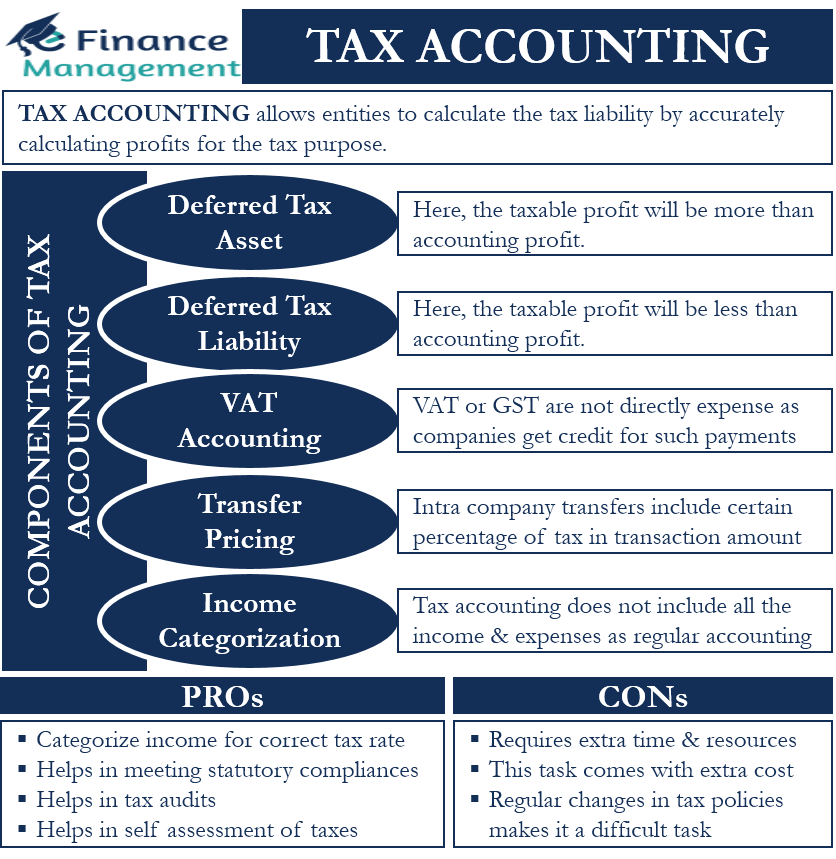
Accounting taxation is a specialized field that bridges the disciplines of accounting and taxation. It focuses on the intricate processes of recording financial transactions, preparing financial statements, and ultimately, calculating and fulfilling tax obligations for individuals, businesses, and other entities. This dual expertise is crucial for navigating the complex landscape of financial regulations, ensuring compliance, and optimizing financial outcomes. In essence, accounting taxation is about understanding how financial activities are reported to tax authorities and how tax laws impact financial reporting and decision-making.
The Foundation: Understanding the Interplay of Accounting and Taxation
At its core, accounting taxation is built upon the fundamental principles of accounting, but with a distinct tax-oriented lens. This section delves into the foundational elements that define this specialized field.
The Role of Accounting in Taxation
Accounting principles provide the framework for how financial information is recorded and presented. In the context of taxation, this means meticulously tracking all income, expenses, assets, and liabilities according to established accounting standards (like GAAP or IFRS) and tax laws. The goal is to create an accurate and transparent financial record that can be used to determine taxable income.
- Record Keeping and Transactional Accuracy: The bedrock of accounting taxation lies in diligent record-keeping. Every financial transaction, from sales and purchases to payroll and investments, must be accurately recorded. This meticulous approach ensures that there are no discrepancies that could lead to compliance issues or missed deductions. Software plays a pivotal role here, with accounting software automating much of this process and reducing the likelihood of human error.
- Financial Statement Preparation: Accountants use the collected financial data to prepare key financial statements such as the Income Statement (Profit and Loss Statement), Balance Sheet, and Cash Flow Statement. While these statements serve various purposes, in accounting taxation, they are vital for summarizing a company’s financial performance and position, which directly informs tax calculations. For example, the Income Statement is the primary document used to determine a business’s taxable profit.
- Compliance with Accounting Standards: Adherence to generally accepted accounting principles (GAAP) or International Financial Reporting Standards (IFRS) is paramount. These standards ensure consistency and comparability in financial reporting. However, tax laws often have specific requirements that may necessitate adjustments to these standard financial statements when calculating tax liabilities.
The Influence of Tax Laws on Accounting Practices
Taxation is not merely a calculation applied after accounting is done; it actively shapes accounting practices. Tax legislation dictates many of the rules and regulations that accountants must follow.
- Tax Code as a Regulatory Framework: The tax code (e.g., the Internal Revenue Code in the US) acts as a comprehensive set of rules governing how income is recognized, what expenses are deductible, and what tax rates apply. Accountants must stay abreast of these ever-changing laws and regulations to ensure their clients are compliant. This includes understanding different tax structures, depreciation methods allowed for tax purposes, and specific reporting requirements for various types of income.
- Tax-Specific Reporting and Forms: Beyond standard financial statements, tax authorities require specific forms and reports to be filed. Accounting taxation professionals are responsible for accurately completing these forms, which often require detailed breakdowns of income and expenses that may differ from how they are presented in general-purpose financial statements. This can include schedules for depreciation, capital gains and losses, and various deductions and credits.
- Impact on Financial Decision-Making: Tax implications can significantly influence business decisions. For instance, the choice of inventory valuation method (e.g., FIFO vs. LIFO) can impact reported profit and, consequently, tax liability. Similarly, decisions about asset purchases, capital expenditures, and even employee compensation are often made with tax consequences in mind. Accountants in this field advise clients on how tax laws can affect these strategic choices to minimize tax burdens legally.
Key Components of Accounting Taxation
The practice of accounting taxation involves a multifaceted approach, encompassing various critical components that ensure accuracy, compliance, and strategic financial management from a tax perspective.
Tax Compliance and Reporting
This is perhaps the most direct and visible aspect of accounting taxation. It involves ensuring that all tax obligations are met accurately and on time.
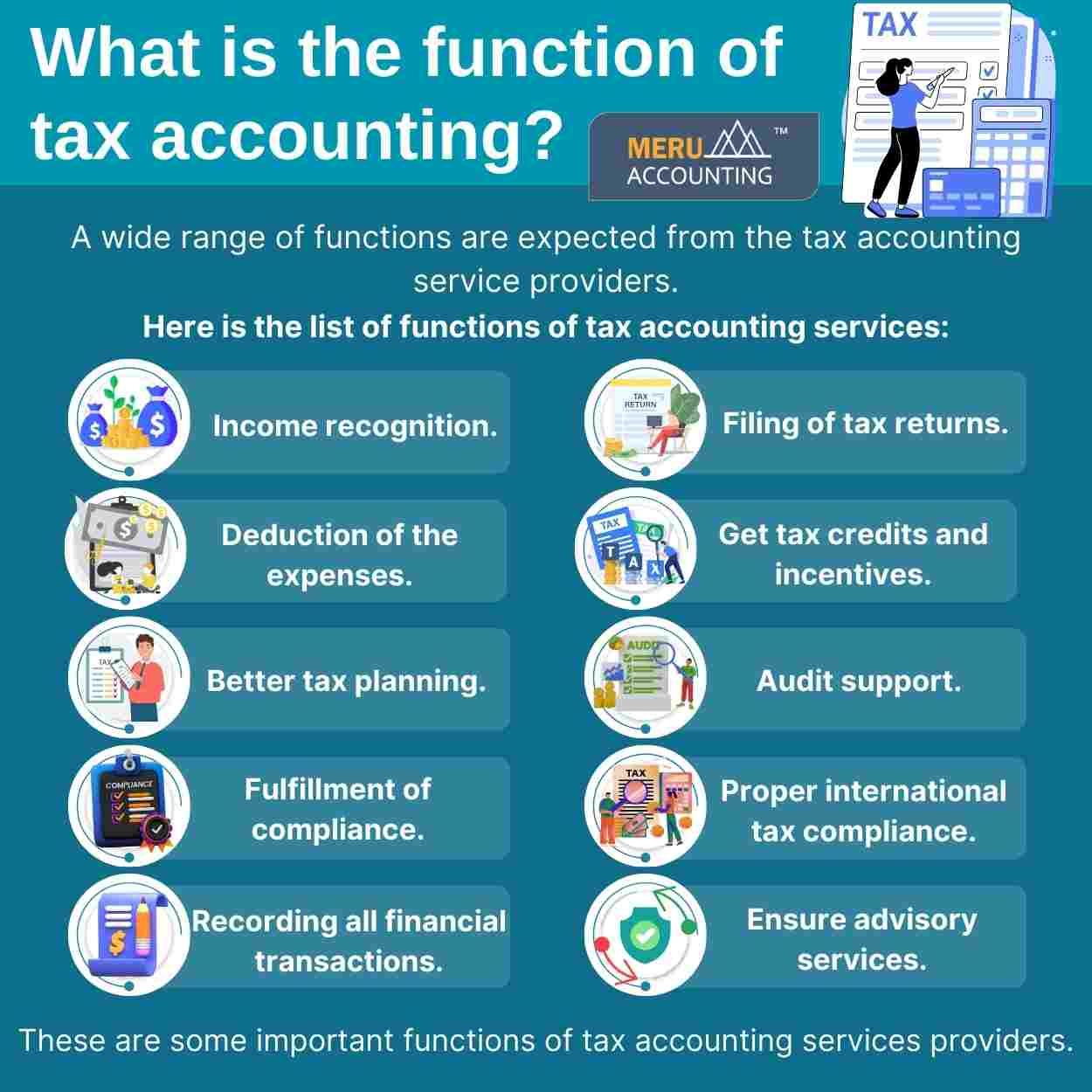
- Tax Return Preparation: The primary responsibility of many accounting taxation professionals is the preparation and filing of tax returns for individuals and businesses. This involves gathering all relevant financial information, performing necessary calculations, and completing the appropriate tax forms. This can range from simple individual income tax returns to complex corporate tax filings, partnership returns, and estate tax returns.
- Accuracy and Timeliness: Precision is paramount in tax return preparation. Errors can lead to penalties, interest charges, or even audits. Accountants must ensure that all reported figures are accurate and supported by documentation. Meeting deadlines for filing is equally critical to avoid late filing penalties. This often involves advanced calendar management and proactive engagement with clients to gather necessary information well in advance of due dates.
- Understanding Different Tax Jurisdictions: For businesses operating in multiple cities, states, or countries, accounting taxation involves navigating a complex web of different tax laws and regulations. This requires specialized knowledge of each jurisdiction’s tax codes, filing requirements, and compliance obligations, making international tax accounting a highly specialized area within the broader field.
Tax Planning and Strategy
Beyond mere compliance, accounting taxation plays a vital role in proactive tax planning to minimize tax liabilities legally.
- Minimizing Tax Liabilities: Effective tax planning involves analyzing a client’s financial situation to identify opportunities for reducing their tax burden. This can include strategies for deferring income, maximizing deductions, utilizing tax credits, and structuring transactions in tax-efficient ways. The goal is to achieve the lowest possible tax liability without engaging in any illegal or unethical practices.
- Forecasting and Budgeting with Tax Considerations: Incorporating tax implications into financial forecasting and budgeting is crucial for accurate financial planning. Accountants help businesses anticipate future tax obligations based on projected income and expenses, allowing for better cash flow management and strategic allocation of resources. This foresight enables businesses to make informed decisions about investments and operational adjustments.
- Evaluating Tax Implications of Business Decisions: Before any significant business decision is made, accounting taxation professionals assess its tax consequences. This could involve evaluating the tax impact of mergers and acquisitions, new investment opportunities, changes in business structure, or international expansion. Their advice helps ensure that business decisions are not only financially sound but also tax-advantageous.
Tax Research and Analysis
The dynamic nature of tax laws necessitates continuous research and in-depth analysis to stay informed and provide accurate advice.
- Staying Updated on Tax Legislation: Tax laws are subject to frequent changes due to legislative amendments, new court rulings, and administrative pronouncements. Accounting taxation professionals must dedicate significant time to researching and understanding these changes to ensure their advice and practices remain current and compliant. This often involves subscribing to professional tax publications, attending seminars, and utilizing specialized tax research software.
- Interpreting Tax Laws and Regulations: Tax laws can be complex and open to interpretation. Accountants are skilled at interpreting these laws and applying them to specific factual situations. This involves understanding the intent of the legislation and how it has been applied in similar cases, often requiring in-depth analysis of case law and IRS publications.
- Analyzing Tax Implications for Specific Industries: Different industries have unique tax considerations. For example, the oil and gas industry has specific depletion allowances, while the technology sector might benefit from research and development tax credits. Accounting taxation professionals specializing in particular industries develop a deep understanding of these industry-specific tax nuances.
Technology’s Impact on Accounting Taxation
The landscape of accounting taxation has been profoundly reshaped by technological advancements, leading to increased efficiency, accuracy, and sophistication in the field.
Accounting Software and Automation
Modern accounting software has revolutionized how financial data is managed and processed.
- Streamlining Bookkeeping and Data Entry: Cloud-based accounting software, such as QuickBooks, Xero, and Sage, automates many of the tedious tasks associated with bookkeeping. This includes automatic categorization of transactions, bank feed integrations, and invoice generation, significantly reducing manual data entry and freeing up accountants to focus on higher-value tasks.
- Real-time Financial Reporting: These platforms provide real-time access to financial data, allowing for up-to-the-minute insights into a company’s financial health. This real-time visibility is invaluable for tax planning and compliance, enabling accountants to identify potential issues or opportunities as they arise rather than weeks or months later.
- Integration with Tax Preparation Software: Many accounting software solutions integrate seamlessly with specialized tax preparation software. This integration reduces the need for duplicate data entry and ensures that financial data flows accurately from accounting records to tax forms, minimizing errors and speeding up the tax filing process.
Artificial Intelligence (AI) and Machine Learning (ML) in Tax
AI and ML are beginning to play a transformative role in accounting taxation, offering advanced analytical capabilities.
- Automated Audit and Anomaly Detection: AI algorithms can analyze vast datasets to identify patterns, anomalies, and potential errors or fraudulent activities that might be missed by human review. This is invaluable for both internal controls and for tax compliance, helping to flag transactions that may require further scrutiny from a tax perspective.
- Predictive Tax Analytics: AI can be used to predict future tax liabilities based on historical data and anticipated business activities. This allows for more accurate forecasting and proactive tax planning, helping businesses to better prepare for their financial obligations.
- Natural Language Processing (NLP) for Tax Research: NLP is being used to analyze complex tax legislation and court documents, helping tax professionals to quickly find relevant information and interpret legal nuances. This can significantly accelerate the tax research process.
Data Analytics and Visualization for Tax Insights
Advanced data analytics tools enable deeper insights into financial data for tax purposes.
- Identifying Tax Optimization Opportunities: By analyzing historical financial data, accountants can use data analytics tools to identify trends and patterns that may reveal opportunities for tax optimization, such as unused deductions or credits.
- Enhanced Risk Assessment: Data analytics can help assess tax-related risks by analyzing patterns in financial transactions. This allows accountants to proactively address potential compliance issues before they become significant problems.
- Improved Client Communication and Reporting: Data visualization tools can present complex financial and tax information in clear, understandable charts and graphs. This enhances communication with clients, helping them to grasp their tax situations and the strategies being implemented.
The Future of Accounting Taxation
The field of accounting taxation is constantly evolving, driven by legislative changes, economic shifts, and the relentless march of technological innovation. Professionals in this domain must embrace these changes to remain relevant and effective.
Adapting to Evolving Tax Regulations
The legislative landscape for taxation is perpetually dynamic. New laws are enacted, existing ones are amended, and court decisions continually shape interpretation.
- Continuous Learning and Professional Development: For accounting taxation professionals, continuous learning is not just a recommendation; it’s a necessity. Staying updated on the latest tax laws, regulations, and pronouncements from tax authorities is critical. This often involves pursuing advanced certifications, attending industry conferences, and dedicating time to ongoing professional development.
- Navigating International Tax Harmonization and Divergence: As businesses increasingly operate across borders, understanding international tax treaties, transfer pricing rules, and the ongoing efforts towards global tax harmonization becomes crucial. Accountants must be adept at navigating both the convergence and divergence of tax regimes worldwide.
- Impact of Global Economic Trends: Fluctuations in the global economy, such as inflation, recessions, or trade wars, can have significant implications for tax policies and business profitability. Accounting taxation professionals need to understand these macroeconomic factors to advise clients effectively.
The Role of the Modern Accounting Taxation Professional
The expectations of clients and employers are shifting, demanding more than just compliance expertise.
- From Compliance to Strategic Advisory: While compliance remains a core function, the modern accounting taxation professional is increasingly seen as a strategic advisor. They are expected to provide insights and guidance that help clients achieve their financial goals while minimizing tax burdens. This involves understanding the client’s business objectives and aligning tax strategies accordingly.
- Ethical Considerations and Tax Avoidance vs. Evasion: A critical aspect of the profession is upholding ethical standards. Professionals must distinguish between legitimate tax avoidance (using legal means to reduce tax liability) and illegal tax evasion. Maintaining integrity and providing sound, ethical advice is paramount.
- Specialization and Niche Expertise: Given the complexity of tax law, specialization is becoming increasingly common. Professionals may focus on specific areas such as international taxation, corporate tax, individual tax planning, or tax litigation support, allowing them to develop deep expertise and offer more tailored advice.
Embracing Digital Transformation for Future Success
The integration of technology will only deepen, and those who embrace it will thrive.
- Leveraging Cloud Computing and Collaboration Tools: Cloud-based platforms and advanced collaboration tools will further enhance the ability of accounting taxation professionals to work efficiently, securely, and in partnership with their clients, regardless of geographical location.
- Harnessing Big Data and Predictive Analytics: The ability to analyze vast amounts of financial data using sophisticated tools will become indispensable for identifying complex tax planning opportunities and mitigating risks. Predictive analytics will move from a novel concept to a standard practice.
- Focus on Human Skills Alongside Technical Proficiency: As automation handles more routine tasks, the value of uniquely human skills like critical thinking, problem-solving, communication, and strategic advisory will grow. The future accountant will be a blend of technical expert and trusted business partner.