
In the world of international commerce, a “size 10” is rarely just a size 10. For a British consumer, it represents a standard medium; for an American consumer, it is often perceived as a larger fit, as the US equivalent of a UK 10 is typically a US 6. While this may seem like a simple matter of conversion tables, for global fashion houses and retail conglomerates, the “UK to US” transition is a complex pillar of brand strategy. Navigating these discrepancies requires more than a calculator—it requires a deep understanding of corporate identity, consumer psychology, and the logistical precision of global design.
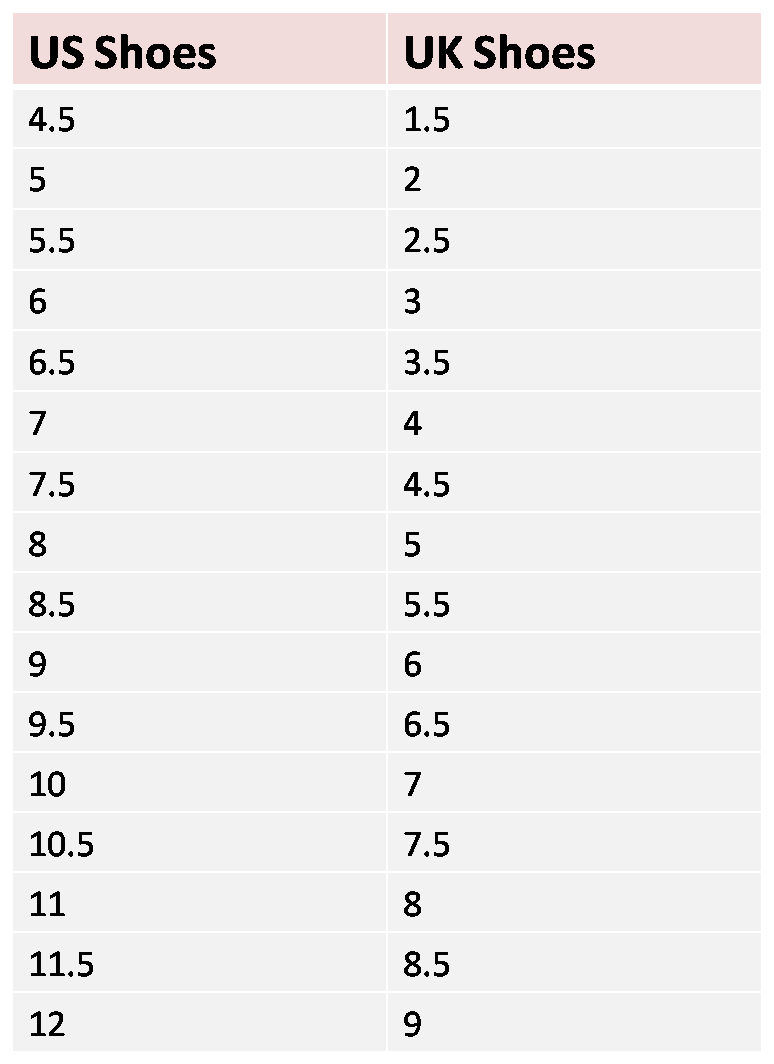
The ability of a brand to communicate its sizing across borders is a fundamental component of its brand equity. When a customer stands in a fitting room—or more commonly today, opens a delivery at home—the fit of the garment is the primary physical touchpoint between the consumer and the brand’s promise. If the conversion is inaccurate, the brand promise is broken.
The Strategic Importance of Sizing in Global Branding
For a brand to successfully transition from the UK market to the US, or vice versa, it must treat sizing as a core element of its marketing and design strategy. A size 10 UK is not merely a measurement; it is an expectation of silhouette and comfort that must be translated for the American “Size 6” demographic.
The Psychology of Consistency in Brand Identity
Brand identity is built on the foundation of trust. When a consumer identifies as a “Size 10” in a specific British heritage brand, that number becomes part of their personal branding. If that same brand expands into the US market and fails to provide a clear, intuitive conversion path, the consumer experiences “size friction.” This friction can lead to brand detachment. Strategic branding involves minimizing the cognitive load on the consumer; the transition from UK to US sizing should be invisible, supported by robust size guides and consistent manufacturing standards that reinforce the brand’s reliability.
Sizing as a Competitive Advantage
In a saturated market, brands that master the “UK to US” conversion use it as a competitive differentiator. While many fast-fashion labels offer erratic sizing that varies by garment, premium brands invest in “standardized fit profiles.” By ensuring that a UK 10 always maps perfectly to the brand’s specific US 6 across all product lines, the company builds a reputation for precision. This precision becomes a marketing tool, positioning the brand as a sophisticated, consumer-centric entity that understands the nuances of the global wardrobe.
The Psychology of the US Size Conversion: A Marketing Perspective
The shift from a UK size 10 to a US size 6 involves more than just subtracting four. It involves navigating the cultural phenomenon of “vanity sizing” and the different body-standard perceptions inherent in the American and British markets.
The Evolution of Vanity Sizing in Corporate Strategy
Vanity sizing—the practice of labeling clothes with smaller size numbers than their actual measurements to make customers feel better—is a significant factor in the US market. For a UK brand entering the US, simply using a mathematical conversion might result in a fit that feels “too small” for the American consumer accustomed to generous vanity sizing. Branding experts must decide: do they stick to a strict anatomical conversion, or do they adjust their US labels to match the psychological expectations of the market? This decision defines the brand’s position, whether it is “uncompromisingly European” or “locally adapted.”
Market Adaptation and Consumer Resonance
When a UK brand markets a size 10 dress in London, it targets a specific aesthetic. When that same dress is marketed in New York or Los Angeles, the branding must account for the US “Size 6” persona. Marketing teams often utilize different imagery and language to bridge this gap. The “UK 10” might be branded around “tailored British chic,” while the “US 6” focuses on “versatile, effortless fit.” Understanding that the same physical object requires a different brand narrative based on the size label is a hallmark of sophisticated international marketing.
Designing for Consistency: The Corporate Identity of Fit
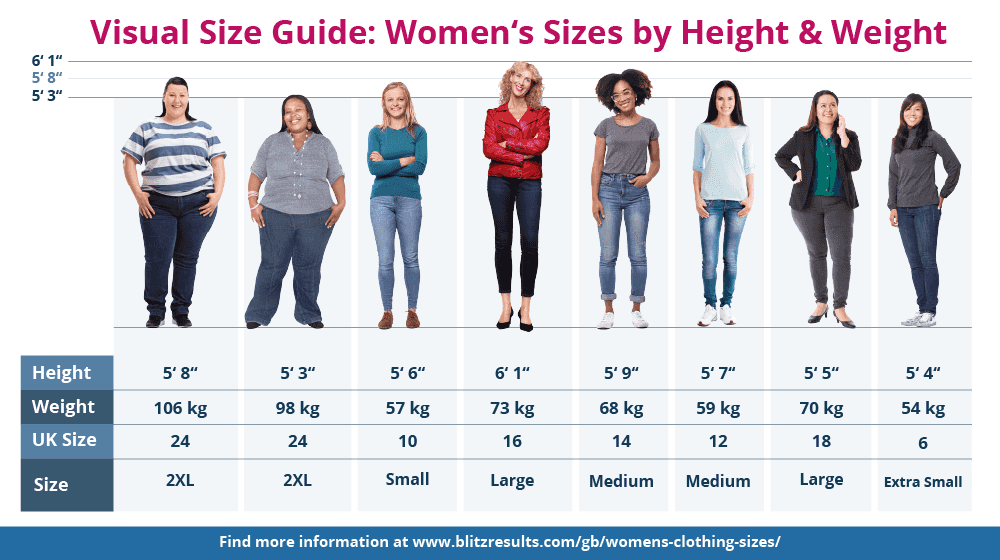
The bridge between a UK 10 and a US 6 is built in the design studio. Corporate identity is often reflected in the “fit model” a brand chooses—the person whose body serves as the template for the entire collection.
Technical Design as a Branding Tool
High-performing brands use “Master Patterns” to ensure that their sizing remains consistent regardless of where the garment is sold. A UK-based brand will often develop its initial prototype as a UK 10. The design strategy then involves “grading”—the process of scaling the pattern up or down. For the US market, this grading must be meticulously checked against US size standards. If the technical design is flawed, the marketing will fail because the physical product cannot support the brand’s claims of quality and fit.
Quality Control and Brand Reputation
In global manufacturing, maintaining the integrity of a size 10 UK to a size 6 US conversion is a logistical challenge. Brands that outsource production to various regions must implement strict quality control (QC) protocols. If a factory in South East Asia produces a UK 10 that fits like a UK 8, the brand’s corporate identity as a provider of premium goods is damaged. Therefore, sizing accuracy is not just a production metric; it is a brand protection strategy. Leading brands employ “size technicians” whose sole job is to ensure that the physical reality of the garment matches the label across all global territories.
Building Brand Equity through Size Transparency
One of the greatest threats to e-commerce profitability and brand loyalty is the “return rate” caused by sizing confusion. In the UK/US exchange, transparency is the most effective tool for building brand equity.
Reducing the “Size Uncertainty” Gap
Strategic brands utilize comprehensive digital size guides that go beyond simple charts. They provide “virtual fit” experiences, where a UK size 10 is explained through measurements in both centimeters and inches, alongside comparisons to other well-known brands. By demystifying the conversion, the brand positions itself as an educator and a partner to the consumer, rather than just a vendor. This transparency builds a deeper level of trust, which is essential for long-term brand loyalty.
The Marketing Power of Inclusive Sizing
The conversation around UK and US sizing is increasingly intersecting with the movement for size inclusivity. Brands that successfully bridge the UK 10 to US 6 gap while also offering a wide range of extended sizes are seen as more socially responsible and modern. From a brand strategy perspective, being “size-agnostic”—where the quality and style remain identical regardless of the number on the tag—is a powerful way to appeal to a broader demographic. This inclusivity becomes a core part of the brand’s narrative, signaling that the company values all customers equally, regardless of their geographical location or body type.
The Future of Brand Sizing: Personalization and Digital Twins
As we look toward the future of global retail, the traditional “Size 10 UK” or “Size 6 US” labels may become secondary to personalized digital profiles. This shift represents the next frontier in brand strategy.
Leveraging Data for Personalized Branding
Forward-thinking brands are collecting data on consumer measurements to create “Digital Twins.” Instead of the consumer asking, “What is a UK size 10 in the US?” the brand’s platform will simply say, “This garment is your perfect fit.” This removes the friction of international conversion entirely. From a branding perspective, this creates an incredibly “sticky” ecosystem; once a customer finds a brand that “knows” their body through data, they are much less likely to switch to a competitor where they have to guess their size again.
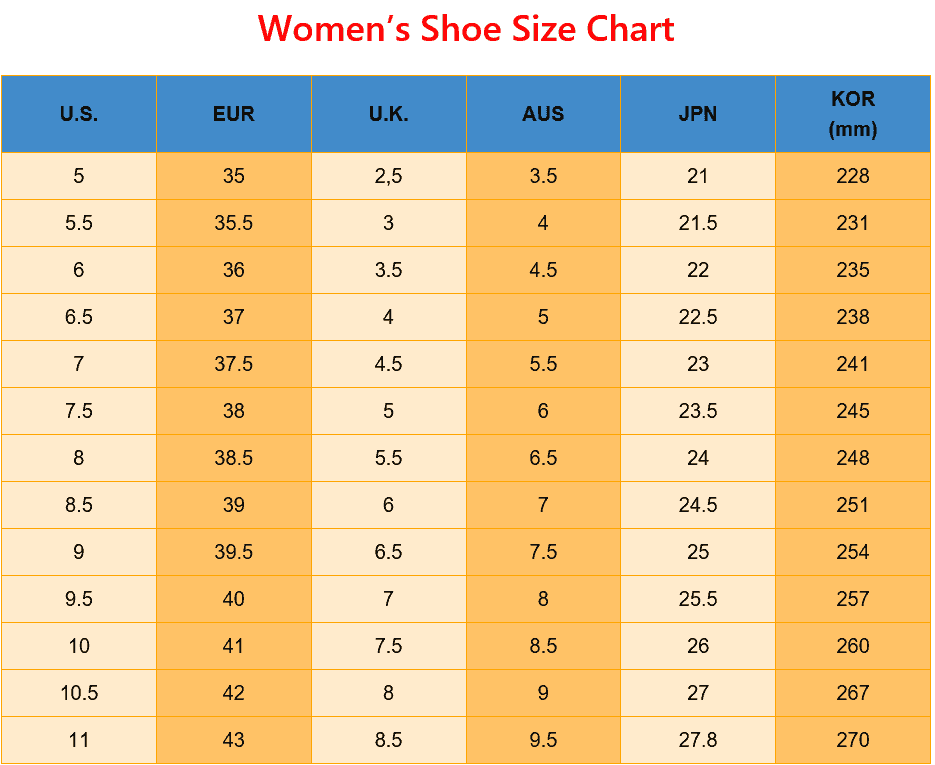
Ethical Branding and the Reduction of Waste
A significant part of a modern brand’s corporate identity is its commitment to sustainability. By perfecting the UK to US size conversion, brands can drastically reduce the carbon footprint associated with shipping and returning ill-fitting clothes. Marketing this “precision fitting” as an eco-friendly initiative allows brands to align themselves with the values of the modern, conscious consumer. In this context, the accuracy of a size 10 UK to a size 6 US conversion becomes a testament to the brand’s commitment to the planet.
In conclusion, the journey from a UK size 10 to a US size 6 is a masterclass in brand management. It requires the integration of design precision, psychological marketing, and a commitment to consumer transparency. Brands that treat sizing as a vital component of their corporate strategy—rather than a mere logistical detail—will find themselves better positioned to capture the loyalty of the global consumer. A size is never just a number; it is a promise of how a brand makes a person feel, and in the global marketplace, that feeling is the ultimate currency.
aViewFromTheCave is a participant in the Amazon Services LLC Associates Program, an affiliate advertising program designed to provide a means for sites to earn advertising fees by advertising and linking to Amazon.com. Amazon, the Amazon logo, AmazonSupply, and the AmazonSupply logo are trademarks of Amazon.com, Inc. or its affiliates. As an Amazon Associate we earn affiliate commissions from qualifying purchases.