
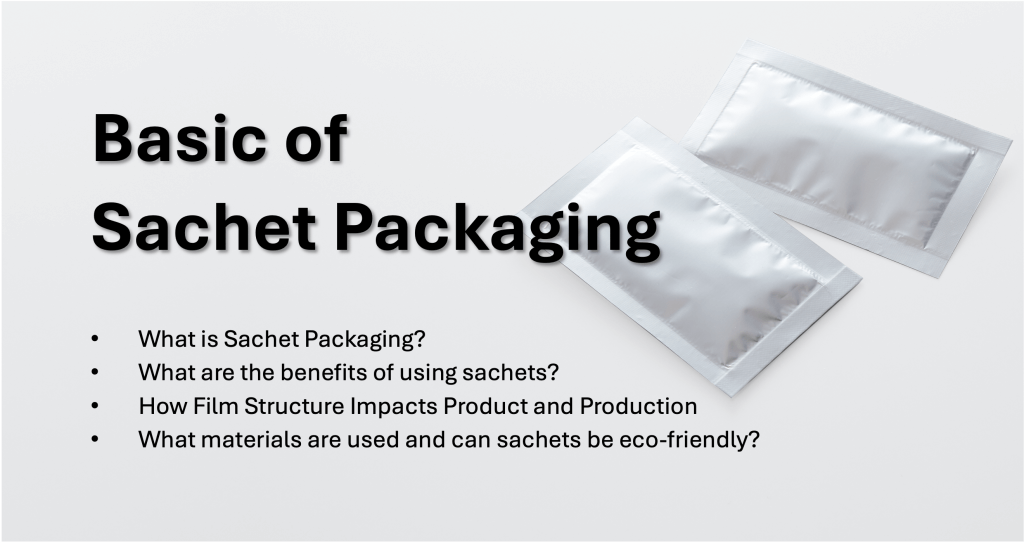
The term “sachet” might evoke images of single-use cosmetic samples or convenient sugar packets. While these are indeed common applications, the world of sachets extends far beyond such familiar examples. In essence, a sachet is a small, sealed package designed to hold a precise quantity of a product, typically in powder, granular, liquid, or paste form. Its primary function is to provide convenience, protection, and controlled dispensing, making it an invaluable packaging format across a multitude of industries.
The versatility of sachets stems from their adaptability in terms of materials, sizes, and sealing mechanisms. This allows them to cater to diverse product requirements, from highly sensitive pharmaceuticals to everyday consumer goods. Understanding the intricacies of sachet design, production, and application offers valuable insights into modern packaging solutions and their impact on product delivery, consumer experience, and even business strategy.

The Evolution and Core Functionality of Sachets
The concept of pre-portioned packaging is not new. Historically, small amounts of goods were often wrapped in paper or cloth. However, the modern sachet, as we know it, has been shaped by advancements in material science and packaging technology. Its evolution has been driven by the demand for greater convenience, enhanced product integrity, and more efficient distribution.
From Ancient Practices to Modern Innovations
While not directly comparable, the ancient practice of wrapping spices or herbs in leaves for individual use hints at the fundamental need for portion control and preservation. The true genesis of the modern sachet can be traced back to the development of flexible packaging materials and heat-sealing technologies in the early to mid-20th century. These innovations allowed for the creation of airtight and moisture-proof seals, which were crucial for protecting sensitive contents and extending shelf life.
Early sachets were often made from paper or treated paper. However, as plastics and laminates became more accessible and sophisticated, the range of materials available for sachet construction expanded dramatically. This led to the development of multi-layered films that could offer specific barrier properties, such as resistance to oxygen, moisture, UV light, and even aroma transmission. The introduction of aluminum foil as a layer in laminates further enhanced barrier capabilities, making sachets ideal for products requiring significant protection.
The Pillars of Sachet Design: Protection, Portability, and Portion Control
The core functionality of a sachet can be distilled into three key pillars:
-
Protection: Sachets are engineered to safeguard their contents from external environmental factors that can degrade product quality. This includes moisture, oxygen, light, and even microbial contamination. The choice of material and the integrity of the seal are paramount in achieving effective protection. For example, a sachet designed for powdered soup will require different barrier properties than one intended for a liquid pharmaceutical. Multi-layer films, often incorporating materials like PET (polyethylene terephthalate), aluminum foil, and PE (polyethylene), are common for their ability to provide a robust shield against degradation.
-
Portability and Convenience: One of the most significant advantages of sachets is their inherent portability. Their small size and lightweight nature make them easy to carry in pockets, purses, or travel kits. This convenience factor is a major driver for their adoption in consumer goods, particularly for single-use applications. Whether it’s a single serving of coffee, a dose of medication, or a sample of shampoo, the sachet offers a ready-to-use solution that eliminates the need for measuring or decanting. The ease of opening, often facilitated by tear notches or perforations, further enhances the user experience.
-
Portion Control and Dosage Accuracy: Sachets are inherently designed for single-dose or pre-measured applications. This is critical for products where precise dosage is essential, such as pharmaceuticals, vitamins, and chemicals. It ensures that the consumer receives the exact amount intended, promoting safety and efficacy. In the food industry, portion control also aids in managing inventory, reducing waste, and catering to individual consumption preferences. This accuracy is achieved through sophisticated filling and sealing machinery that precisely measures and dispenses the product into the sachet.
Diverse Applications and Material Innovations
The adaptability of sachets has led to their widespread adoption across an impressive array of industries, each leveraging the packaging format for its unique benefits. The ongoing innovation in material science continues to expand the possibilities for sachet applications.
Industry-Specific Uses of Sachets
-
Food and Beverage: This is perhaps the most visible sector for sachets. Single-serving packets of sugar, salt, pepper, creamer, instant coffee, tea, hot chocolate, soup mixes, spices, condiments (ketchup, mustard, mayonnaise), and powdered drink mixes are ubiquitous. They offer convenience for consumers on-the-go, in offices, or for travel. For manufacturers, sachets simplify portioning, enhance freshness, and facilitate sampling of new products.
-
Pharmaceuticals and Healthcare: Sachets play a vital role in dispensing medications, especially for powders and granules that are meant to be dissolved or mixed. This includes effervescent tablets, oral rehydration salts, sachets of pain relievers, and even some vitamins and supplements. The controlled dosage and sterile packaging provided by sachets are critical for patient safety and therapeutic efficacy. They also offer an alternative to blister packs or bottles, especially for patients who may have difficulty with those formats.
-
Cosmetics and Personal Care: From hotel amenities to beauty counter samples, sachets are a staple. Single-use packets of shampoo, conditioner, body wash, lotion, facial masks, and even makeup samples are common. They allow consumers to try new products before committing to a full-size purchase and are convenient for travel. The ability to precisely fill and seal these often viscous or delicate formulations is a testament to advanced sachet technology.
-
Industrial and Chemical Applications: Sachets are also employed for dispensing precise amounts of chemicals, detergents, cleaning agents, fertilizers, and even specialty industrial materials. This ensures accurate mixing ratios, minimizes waste, and enhances safety during handling and application. For instance, a sachet of a specific cleaning solution can provide the exact amount needed for a particular task.
-
Agriculture: In agriculture, sachets can be used for dispensing seeds, fertilizers, or pesticide formulations in controlled quantities, ensuring proper application rates and minimizing environmental impact.
Material Advancements Driving Sachet Performance
The performance of a sachet is intrinsically linked to the materials used in its construction. Modern sachet manufacturing relies on a sophisticated understanding of polymer science and laminate structures.
-
Polymer Films: Polyethylene (PE) and polypropylene (PP) are foundational polymers offering good heat sealability and flexibility. They are often used as the inner layer in laminated sachets, providing a food-grade surface and excellent sealing properties.
-
Barrier Films: For products requiring protection from oxygen, moisture, or light, barrier films are integrated. These include materials like PET, which offers good printability and strength, and metallized PET, which provides enhanced barrier properties with a metallic sheen.
-
Aluminum Foil: This remains a gold standard for barrier protection. Its near-impermeability to gases and light makes it indispensable for sachets containing highly sensitive products, such as coffee, pharmaceuticals, and some food ingredients. It is typically used as a mid-layer in multi-laminate structures.
-
Paper and Coated Papers: While less common for high-barrier applications, paper-based sachets are still used for products that are less sensitive to environmental factors, such as sugar or salt packets. Often, these are coated with a thin layer of plastic or wax to provide some degree of moisture resistance.
-
Sustainable Materials: With the growing global emphasis on sustainability, there is increasing research and development into biodegradable and compostable materials for sachet production. This includes plant-based polymers and paper-based alternatives with improved barrier properties.
The Manufacturing Process and Technological Considerations
The creation of a sachet is a highly automated and precision-driven process. From material selection to final sealing, each step is critical for ensuring product integrity and consumer satisfaction. The technology involved is sophisticated, enabling high-speed production and consistent quality.
From Rollstock to Finished Product: The Sachet Manufacturing Journey
The typical sachet manufacturing process involves a series of integrated steps performed by specialized machinery, often referred to as form-fill-seal (FFS) machines.
-
Material Feeding: The packaging material, usually supplied in large rolls of film (often laminated), is fed into the FFS machine. The orientation and tension of the film are carefully controlled.
-
Forming: As the film moves through the machine, it is formed into a tubular shape. This is often achieved using a forming collar or die, which creates a longitudinal seam.
-
Filling: Once the tube is formed, the product is precisely measured and dispensed into the open top of the tube. This filling process is highly accurate, ensuring the correct portion size for each sachet. Different filling mechanisms are used depending on the product’s consistency, such as augers for powders, volumetric fillers for liquids, or piston fillers for pastes.
-
Sealing (Transverse): After filling, the tube is sealed horizontally, creating the top seal of the sachet and closing off the filled product. This is typically achieved through heat sealing, where heated jaws press together the film layers to create a strong, airtight bond.
-
Cutting and Ejection: Finally, the completed sachets are cut from the continuous web of film and ejected from the machine, ready for secondary packaging or immediate distribution. Some machines can also perforate tear notches or apply batch codes at this stage.
Technological Advancements in Filling and Sealing
The efficiency and quality of sachet production are heavily reliant on advancements in FFS technology.
-
High-Speed Operations: Modern FFS machines can produce thousands of sachets per hour, making them ideal for high-volume production demands. This speed is achieved through sophisticated control systems and optimized mechanical movements.
-
Precision Filling Systems: For accurate dosing, manufacturers utilize advanced filling technologies. These include net weighing systems for powders, gravimetric fillers for liquids, and positive displacement pumps for viscous products. The precision of these systems is crucial for maintaining product consistency and meeting regulatory requirements, especially in the pharmaceutical and food industries.
-
Advanced Sealing Techniques: Beyond basic heat sealing, technologies like ultrasonic sealing can be employed for materials that are difficult to heat seal or when a lower temperature seal is required to protect sensitive products. The control over temperature, pressure, and dwell time during the sealing process is critical for ensuring seal integrity and preventing leaks or contamination.
-
Quality Control Integration: Many FFS machines are now equipped with integrated quality control systems. These can include vision inspection systems to check for seal defects, fill level verification, and label presence. This real-time monitoring helps to minimize the production of faulty sachets and maintain a high standard of quality.
-
Flexibility and Customization: Manufacturers increasingly require FFS machines that can handle a variety of film types, sachet sizes, and even different sachet formats (e.g., 3-side seal, 4-side seal, stand-up pouches). Modern machines offer a degree of flexibility that allows for rapid changeovers between different product runs.
The Strategic Advantage of Sachets in Business
Beyond their functional benefits, sachets offer significant strategic advantages for businesses across various sectors. Their cost-effectiveness, marketing potential, and contribution to supply chain efficiency make them a valuable component of a comprehensive packaging strategy.
Cost-Effectiveness and Efficiency in Production
-
Material Efficiency: Sachets, by their nature, use minimal packaging material compared to rigid containers like bottles or boxes. This material reduction directly translates into lower raw material costs. The flexible nature of the films also allows for more efficient use of space during transport and storage.
-
Lower Production Costs: The high-speed, automated nature of FFS machines allows for efficient and cost-effective manufacturing. While the initial investment in FFS machinery can be significant, the per-unit production cost for sachets is often lower than for other packaging formats, especially for high-volume products.
-
Reduced Shipping and Storage Costs: The lightweight and compact nature of sachets significantly reduces shipping expenses due to lower weight and optimized cubic utilization in transport vehicles. Similarly, storage space requirements are minimized, leading to savings in warehousing costs.
Marketing and Consumer Engagement Through Sachets
Sachets provide a unique platform for brand visibility and consumer engagement.
-
Prime Real Estate for Branding: The printable surface of a sachet offers ample space for vibrant graphics, logos, product information, and marketing messages. This allows brands to create visually appealing packaging that captures consumer attention on store shelves or in promotional giveaways.
-
Sampling and Trial Opportunities: Sachets are an ideal tool for product sampling. This allows brands to introduce new products to a wider audience, generate trial purchases, and gather valuable consumer feedback. They can be distributed through various channels, including direct mail, in-store promotions, and as part of bundled product offers.
-
Convenience as a Selling Proposition: In today’s fast-paced world, convenience is a highly valued commodity. Brands can leverage the inherent convenience of sachets as a key selling point, appealing to consumers seeking quick, easy, and on-the-go solutions.

Supply Chain Optimization and Sustainability Considerations
Sachets can contribute to a more efficient and potentially more sustainable supply chain.
-
Streamlined Logistics: The ease of handling, stacking, and transporting sachets simplifies logistics from manufacturing to the end consumer. Their lightweight nature also reduces the carbon footprint associated with transportation.
-
Reduced Waste: Precise portioning minimizes product waste. For manufacturers, accurate filling reduces overfill. For consumers, single-serving sachets ensure that the entire product is used, preventing spoilage or leftover portions that might go to waste.
-
Emerging Sustainable Solutions: As mentioned earlier, the development of biodegradable, compostable, and recyclable materials for sachets is an ongoing trend. Brands are increasingly opting for these sustainable alternatives to align with consumer demand for environmentally responsible packaging. While challenges remain in achieving the same barrier properties as traditional laminates, the progress in this area is significant.
In conclusion, the humble sachet is far more than just a small packet. It is a sophisticated packaging solution born from technological innovation, offering a powerful combination of protection, convenience, and portion control. Its adaptability across diverse industries, coupled with its cost-effectiveness and marketing potential, solidifies its position as a vital component of modern product delivery and consumer experience. As material science and manufacturing technologies continue to evolve, the sachet is poised to remain a relevant and indispensable packaging format for years to come.
aViewFromTheCave is a participant in the Amazon Services LLC Associates Program, an affiliate advertising program designed to provide a means for sites to earn advertising fees by advertising and linking to Amazon.com. Amazon, the Amazon logo, AmazonSupply, and the AmazonSupply logo are trademarks of Amazon.com, Inc. or its affiliates. As an Amazon Associate we earn affiliate commissions from qualifying purchases.