
In the modern marketplace, a name is rarely just a label; it is a vessel for history, emotion, and perceived value. When a consumer asks, “What is a Saracen?” they are likely not seeking a medieval history lesson. Instead, they are often encountering a powerful brand identity that spans several high-performance industries, most notably in the realms of cycling, security, and rugged engineering.
From a brand strategy perspective, the word “Saracen” represents a fascinating case study in how ancient terminology is repurposed to convey strength, reliability, and an “indomitable” spirit. This article explores the Saracen brand identity, its strategic positioning in the market, and how a legacy name can be leveraged to build a dominant corporate presence.

The Anatomy of a Legacy Brand: Understanding the Saracen Identity
To understand what a Saracen is in a commercial context, one must first look at the psychology of the name. In branding, names are chosen to evoke specific archetypes. The “Saracen” archetype is one of the desert warrior—resilient, agile, and formidable. For a company, adopting this name is a deliberate move to inherit those perceived traits.
The Etymology of Authority: Why the Name Works
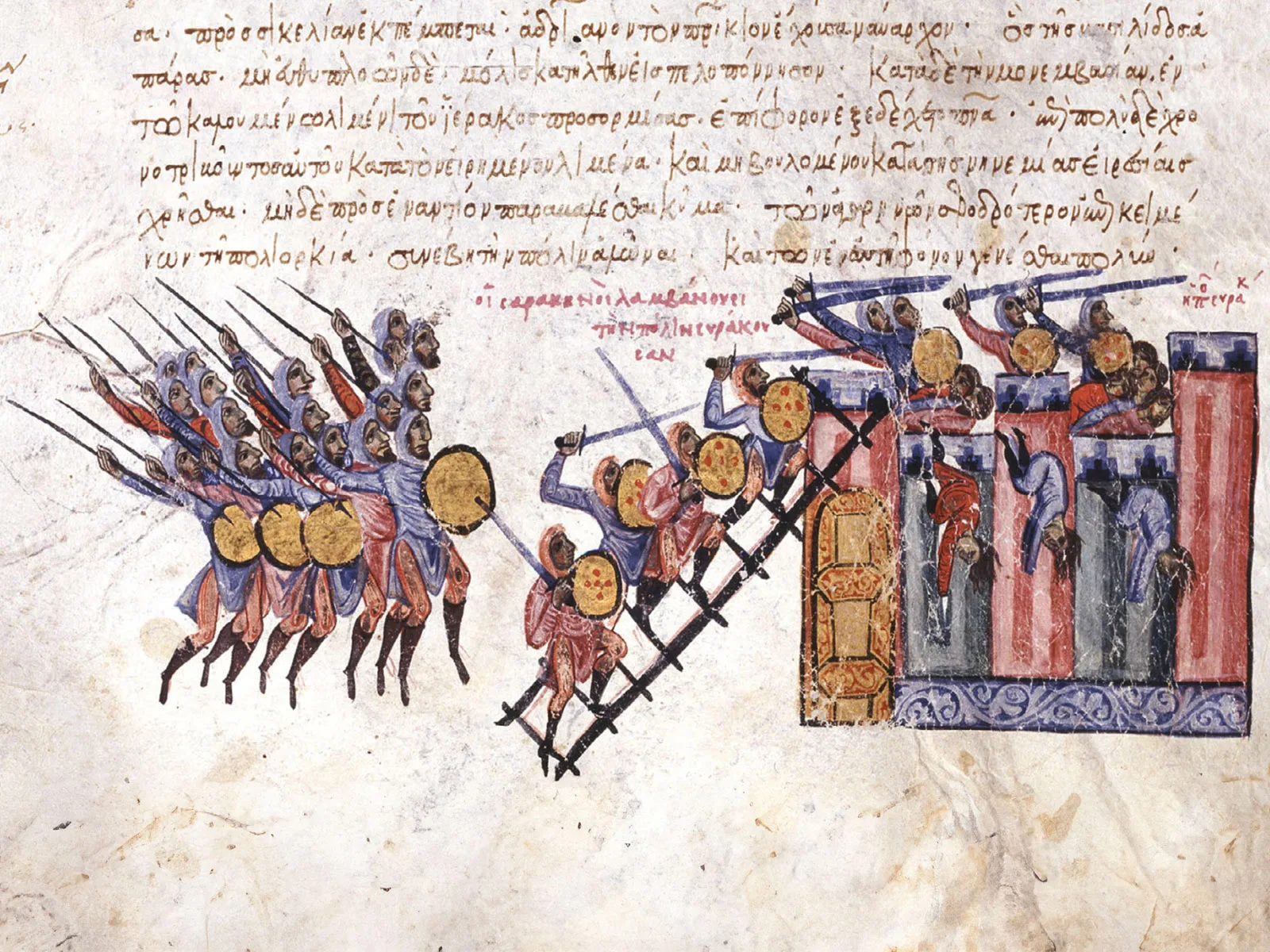
The term originally referred to peoples of the desert, but over centuries, it became synonymous with a specific type of adversary known for tactical brilliance and endurance. In brand strategy, this is known as “associative positioning.” By choosing a name with such deep historical roots, a brand bypasses the need to explain its toughness; the name does the heavy lifting. Whether it is a mountain bike or a security lock, the name “Saracen” suggests a product that can withstand harsh environments and rigorous use.
Historical Context vs. Modern Commercial Appeal
Modern brands must navigate the fine line between heritage and contemporary relevance. For the Saracen brand—particularly in the UK market—the name evokes a sense of British engineering history combined with an exotic, rugged flair. This duality allows the brand to appeal to traditionalists who value “over-built” quality, as well as modern enthusiasts who want their gear to feel adventurous.
Brand Positioning in the Competitive Sports Market: The Case of Saracen Bikes
Perhaps the most prominent modern use of the name is Saracen Bikes. Founded in the 1980s, Saracen became a household name in the UK cycling scene. Their journey provides vital insights into brand positioning and how a company can move from a “budget-friendly” perception to a “high-performance” powerhouse.
Niche Specialization: From Generalist to High-End Performance
In its early years, Saracen was known for producing accessible, reliable mountain bikes for the masses. However, as the global market became saturated with low-cost imports, the brand underwent a strategic shift. They moved away from the “supermarket bike” image and reinvested in professional-grade downhill and trail bikes.
This pivot was a masterclass in brand repositioning. By focusing on niche, high-end segments, Saracen redefined “what a Saracen is” for a new generation of riders. No longer was it just a starter bike; it became the machine used by World Cup champions. This shift was supported by significant R&D and a visual identity that moved away from cluttered graphics to sleek, professional aesthetics.
Building Community Through Professional Endorsements
A brand is only as strong as its advocates. Saracen’s strategy relied heavily on “The Madison Saracen Factory Race Team.” By placing their products in the hands of elite athletes, they utilized social proof to validate their brand promise. When a consumer sees a Saracen bike winning on the world stage, the brand name becomes synonymous with “winner” and “precision engineering.” This community-centric approach transforms a corporate entity into a lifestyle choice.
Diversification and the “Saracen” Name Across Industries
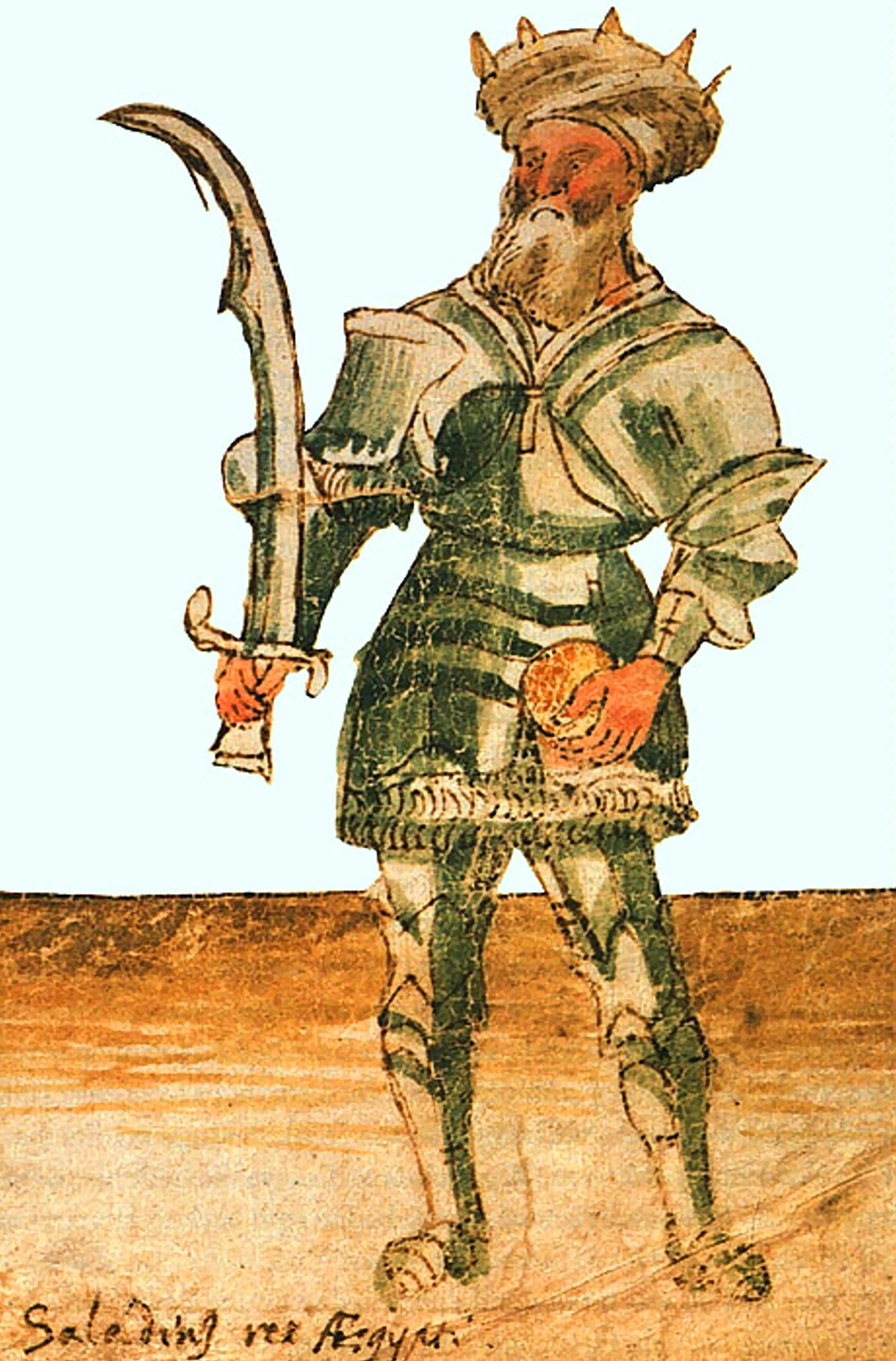
The name Saracen is not exclusive to cycling. It appears in the security industry and the automotive world, illustrating how a strong brand name can be applied across different sectors if the core values remain consistent.
Security and Durability: The Saracen Lock Brand
In the world of caravanning and home security, “Saracen” is a name associated with anti-theft devices and hitch locks. Here, the branding focus shifts slightly from “agility” to “impenetrability.” The “Saracen” in this context is a guardian. The brand strategy here focuses on the psychological comfort of the consumer. A lock named after a warrior suggests a level of protection that a more generic name, like “Secure-Bolt,” might lack. It’s an exercise in building trust through naming.
Maintaining Consistency Across Disparate Product Lines
The challenge of using a powerful name like Saracen across different industries is maintaining a cohesive brand “vibe.” If the Saracen bike is seen as high-tech and fast, but the Saracen lock is seen as old-fashioned and clunky, the brand equity is diluted. Successful brand strategy requires that every “Saracen” product, regardless of the industry, shares a DNA of “premium toughness.” This is achieved through consistent logo usage, industrial design language, and marketing tones that emphasize resilience.
Strategic Rebranding: How to Modernize an Ancient Moniker
How does a brand with a name rooted in history stay relevant in a digital-first world? Rebranding is a delicate surgery, especially when dealing with a name that carries as much weight as “Saracen.”
Visual Identity Evolution: Logos and Color Palettes
The visual representation of the Saracen brand has evolved significantly. Early logos often featured literal interpretations of the name. Modern iterations, however, have moved toward abstraction. In the world of branding, “less is more.” A minimalist logo suggests sophistication and allows the product’s performance to speak for itself. For Saracen Bikes, the move to bold, clean typography and a “stealth” color palette (matte blacks, greys, and deep greens) aligned the brand with the “pro-taper” aesthetic desired by modern consumers.
Messaging for the Modern Consumer
The language used in Saracen’s marketing has shifted from technical specifications to “narrative-driven” content. Instead of just listing frame weights or lock tensile strength, the brand tells a story of the journey—the muddy trail, the secure night’s sleep, the rugged terrain. This shift from what the product is to how it makes the user feel is a cornerstone of modern brand strategy. It moves the conversation from a commodity to an experience.
Lessons in Brand Longevity: Why Some Names Endure
The persistence of the Saracen name across decades and industries offers valuable lessons for any business looking to build a lasting brand. It proves that while products may change, a well-defined identity can survive market shifts and economic downturns.
The Balance of Tradition and Innovation
A fatal mistake many legacy brands make is leaning too hard into “the way we’ve always done it.” Saracen has avoided this by balancing its heritage with cutting-edge innovation. Whether it’s adopting carbon fiber technology in frames or integrating smart-tech into security, the brand ensures it is never seen as a relic. It uses its history as a foundation of trust but its innovation as a reason for purchase.
Risk Management in Culturally Charged Branding
It is worth noting that using historical terms as brand names requires careful management in a globalized, culturally sensitive market. A brand must ensure that its identity is celebratory and respectful of the origins of the name. Saracen has successfully navigated this by focusing on the “warrior spirit” and “desert resilience” as universal human traits of strength and perseverance, rather than specific political or historical conflicts. This universalization of the name allows it to resonate in various cultures without being anchored to a single, potentially divisive historical narrative.
Conclusion: The Future of the Saracen Brand
So, what is a Saracen? In the 21st century, a Saracen is a symbol of engineered resilience. It is a brand that has successfully bridged the gap between historical mythos and modern industrial excellence. Through strategic positioning, niche focus, and a commitment to visual and narrative consistency, Saracen has moved beyond being a mere name to becoming a benchmark for quality in every sector it touches.
For brand strategists, the Saracen story is a reminder that a name is a powerful asset, but its value must be constantly renewed through performance and relevance. Whether you are descending a mountain at 40 miles per hour or securing your most valuable assets, the Saracen brand promises one thing: it will not fail when the going gets tough. That, ultimately, is the essence of great branding—turning a word into a promise.
aViewFromTheCave is a participant in the Amazon Services LLC Associates Program, an affiliate advertising program designed to provide a means for sites to earn advertising fees by advertising and linking to Amazon.com. Amazon, the Amazon logo, AmazonSupply, and the AmazonSupply logo are trademarks of Amazon.com, Inc. or its affiliates. As an Amazon Associate we earn affiliate commissions from qualifying purchases.