
In the world of brand strategy, few concepts are as revered—and as dangerous—as “legacy.” We often look at century-old heritage brands with a sense of awe, assuming that their longevity is a testament to their strength. However, if we look through the lens of William Faulkner’s classic Southern Gothic tale, “A Rose for Emily,” we find a chilling metaphor for what happens when a brand relies too heavily on its past while refusing to adapt to a changing market.
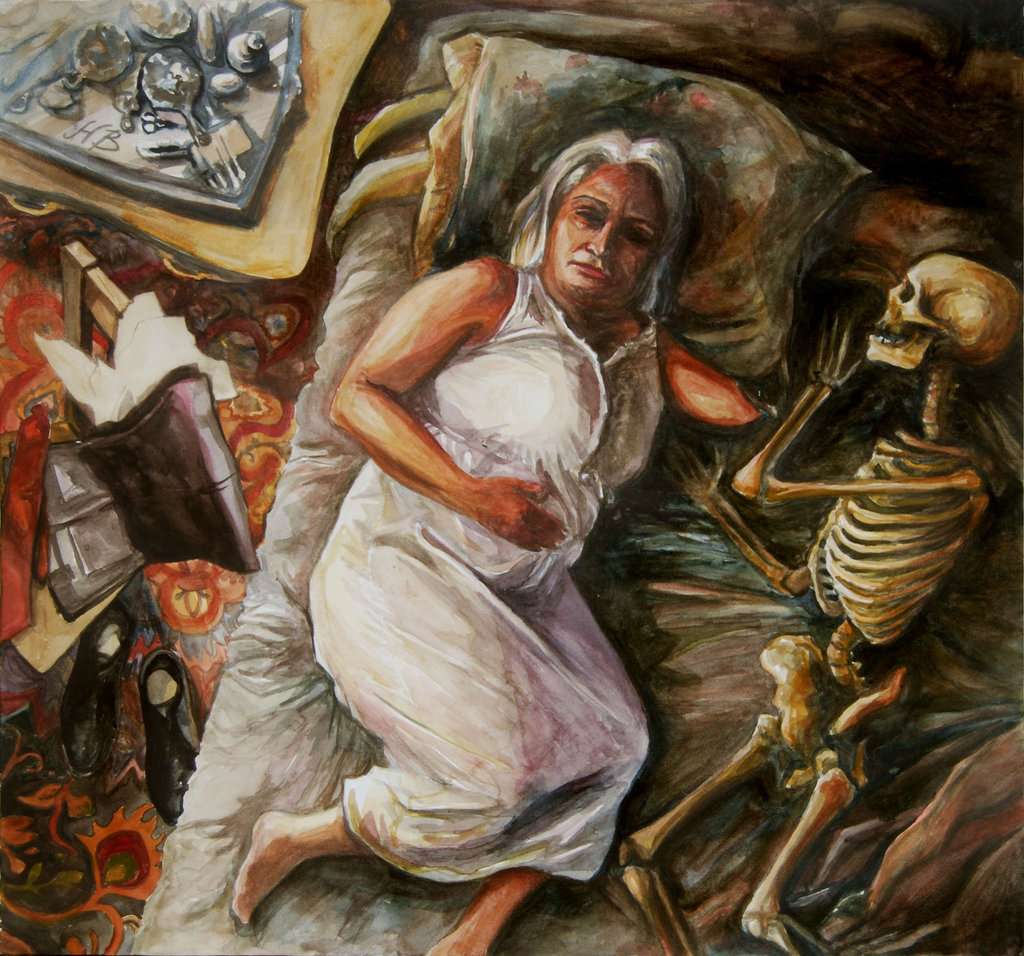
“A Rose for Emily” is, at its core, a story about the tension between the old guard and the new generation. In a professional branding context, Emily Grierson represents a legacy brand that has become a “hereditary obligation” to its audience. She is a monument to a bygone era, frozen in time, and ultimately destroyed by her inability to pivot. For modern brand strategists, marketing executives, and entrepreneurs, the story offers a profound case study in identity, narrative control, and the perils of stagnation.
The Grierson Identity: Understanding the Power and Burden of Heritage
The first lesson we derive from Emily’s story involves the construction of a brand identity based on heritage. In the town of Jefferson, the Griersons weren’t just a family; they were a corporate identity that stood for high-status, Southern aristocracy, and unyielding tradition.
The Weight of Historical Equity
In branding, historical equity is the value built up over decades of consistent messaging and presence. Emily Grierson lived off the equity established by her father. For a time, this equity allowed her to bypass the “rules” of the market—specifically, the payment of taxes. This is similar to how iconic brands like Coca-Cola or IBM can often weather scandals or economic downturns that would bankrupt a startup. Their history buys them a “tax-exempt” status in the minds of the consumer. However, as the story illustrates, this equity eventually runs dry if it isn’t reinvested into modern relevance.
Maintaining the “Monument” Status
Faulkner describes Emily as a “fallen monument.” In the brand niche, a “monument brand” is one that people respect but no longer interact with. It is a brand that occupies a physical or mental space out of habit rather than utility. When a brand becomes a monument, it loses its agility. It becomes something to be looked at, rather than something to be used. The townspeople of Jefferson watched Emily, they speculated about her, and they pitied her, but they no longer integrated her into the active economy of their lives.
The Stagnation Trap: When Brands Fail to Pivot
The tragedy of Emily Grierson is her refusal to acknowledge the passage of time. As the town of Jefferson modernized—installing mailboxes and paving streets—Emily remained inside her decaying mansion. This is the ultimate “Stagnation Trap” that claims even the most powerful corporate identities.
Resistance to Market Evolution
One of the most striking moments in the narrative is Emily’s refusal to accept a postal address. In a modern business context, this is the equivalent of a retail giant refusing to adopt e-commerce or a media company ignoring the shift to social video. Market evolution is relentless. When the “Board of Aldermen” (the market regulators and innovators) came to Emily to collect taxes, she referred them to a dead man (Colonel Sartoris) and a defunct agreement.
Many legacy brands make this exact mistake: they point to old contracts, old customer bases, and old success metrics while the current market has already moved on. If your brand strategy relies on “how we’ve always done it,” you are essentially living in Emily Grierson’s house, surrounded by dust and the shadows of former glory.
The Illusion of Permeability
Emily believed she could keep the world out while maintaining her status. In branding, this is known as an “Inward-Facing Identity.” Brands that focus exclusively on their internal culture and historical values without checking the external temperature of the consumer sentiment become isolated. Emily’s house became a “black box”—no one knew what was happening inside until it was too late. When a brand loses transparency and stops communicating with its audience, the audience begins to write their own narrative, which is rarely favorable.
Narrative Control and the “Rose”: The Ethics of Public Perception

The title itself—the “Rose”—is a crucial element of the branding metaphor. Faulkner never mentions a physical rose in the story. Instead, the “rose” is the narrative tribute offered to Emily. It represents the pity, the sanitized memory, and the “bloom” we place over an ugly reality to make it palatable.
Who Owns the Brand Narrative?
In “A Rose for Emily,” the narrator is the collective voice of the town. This mirrors the modern reality that a brand is no longer what it says it is; a brand is what the consumers say it is. Emily had no control over her public image. The townspeople interpreted her every move—her relationship with Homer Barron, her purchase of arsenic, her disappearance from public view—through their own biases.
For a brand to survive today, it must engage in active narrative management. You cannot simply remain silent and expect the public to assume the best. Silence creates a vacuum, and in the absence of a brand’s own voice, the market will fill that vacuum with its own theories, often focusing on the “decay” rather than the “legacy.”
The Cost of Artificial Preservation
The shocking conclusion of the story—the discovery of Homer Barron’s preserved corpse—is the ultimate symbol of toxic brand preservation. Emily attempted to “freeze” a moment in time (her engagement) because she could not handle the reality of loss or change.
In business, we see this when companies “window dress” their failing departments or refuse to divest from obsolete technology. They try to keep a “dead” product line looking alive because they are emotionally or financially tied to it. The cost of this artificial preservation is high; it leads to a brand that is literally rotting from the inside out while trying to maintain a facade of normalcy.
Modern Lessons: Avoiding the “Emily” Effect in Your Business
How can modern organizations and personal brands avoid becoming the Emily Grierson of their industry? It requires a shift from “Legacy Preservation” to “Legacy Evolution.”
Auditing Your Brand Relevance
The first step is a brutal audit of your brand’s current utility. Ask yourself:
- Does our brand solve a problem for the person living in 2024, or are we solving a problem from 1994?
- Are we relying on “duty and care” from our customers, or are we earning their business every day?
If the townspeople are only checking in on you because they are curious about your decline, your brand is in the “Emily” stage. You must find a way to re-enter the active “paved streets” of the modern economy.
Building Adaptability into the Core Identity
The most successful brands—think Apple, Nike, or Disney—have a core identity that is timeless, but a delivery mechanism that is infinitely adaptable. They do not hide behind their “mansions.” Instead, they are constantly renovating.
To avoid market obsolescence:
- Embrace the “Mailbox”: Accept new channels of communication and distribution, even if they feel beneath your “aristocratic” brand history.
- Invite the New Generation In: Emily’s failure was partly due to her isolation from the youth of the town. Brands must constantly court the next generation of consumers to prevent their audience from literally dying out.
- Acknowledge the “Taxes”: Pay your dues to the modern market. This means investing in ESG (Environmental, Social, and Governance), staying current with AI and tech trends, and being transparent with your data.

Conclusion: The Rose of Reinvention
“A Rose for Emily” is a cautionary tale about the death that comes from resisting change. In the niche of Brand Strategy, the “Rose” should not be a funeral flower laid upon the grave of a dead company. Instead, the Rose should be the symbol of a brand that is alive, growing, and shedding its old petals to make room for new ones.
A legacy is a beautiful thing to have, but it is a terrible thing to hide behind. The brands that survive the next century will not be the ones that stayed the same, but the ones that had the courage to bury their “Homer Barrons”—the dead weight of the past—and step out of the shadows of their own history. Don’t let your brand become a fallen monument in a town that has moved on. Evolution is the only path to immortality.
aViewFromTheCave is a participant in the Amazon Services LLC Associates Program, an affiliate advertising program designed to provide a means for sites to earn advertising fees by advertising and linking to Amazon.com. Amazon, the Amazon logo, AmazonSupply, and the AmazonSupply logo are trademarks of Amazon.com, Inc. or its affiliates. As an Amazon Associate we earn affiliate commissions from qualifying purchases.