
The concept of a primary consumer is fundamental to understanding the intricate relationships within any ecosystem. In the grand theater of nature, where energy flows and life forms interact, primary consumers occupy a crucial, foundational role. They are the organisms that directly fuel the next trophic levels, acting as the linchpins that connect producers to the wider consumer community. To grasp their significance, we must delve into the structure of food webs and the flow of energy that sustains them.
The Building Blocks of Life: Producers and Their Energy
Before we can truly appreciate primary consumers, it’s essential to understand what comes before them in the chain of life: the producers. These are the organisms that possess the remarkable ability to create their own food, typically through photosynthesis.
The Power of Photosynthesis
The vast majority of producers on Earth are plants, algae, and some bacteria. They harness energy from sunlight and convert inorganic substances like carbon dioxide and water into organic compounds, primarily glucose, which serves as their source of energy. This process, photosynthesis, is the ultimate starting point for almost all life on Earth. Without the energy captured by producers, there would be no sustenance for any other organism. Imagine a vast solar-powered factory, constantly churning out the raw materials needed to keep the entire system running. That’s the role of producers.
Autotrophs: Self-Sufficient Energy Creators
The term “autotroph” literally means “self-feeder.” Producers are autotrophs because they don’t rely on other organisms for their energy. They are the bedrock of the food web, the primary source of chemical energy that will eventually be passed up through various trophic levels. Their success is directly linked to environmental factors like sunlight availability, water, and essential nutrients. A decline in producer populations due to drought or disease can have cascading negative effects throughout the entire ecosystem.
The First Link in the Consumer Chain: Defining Primary Consumers
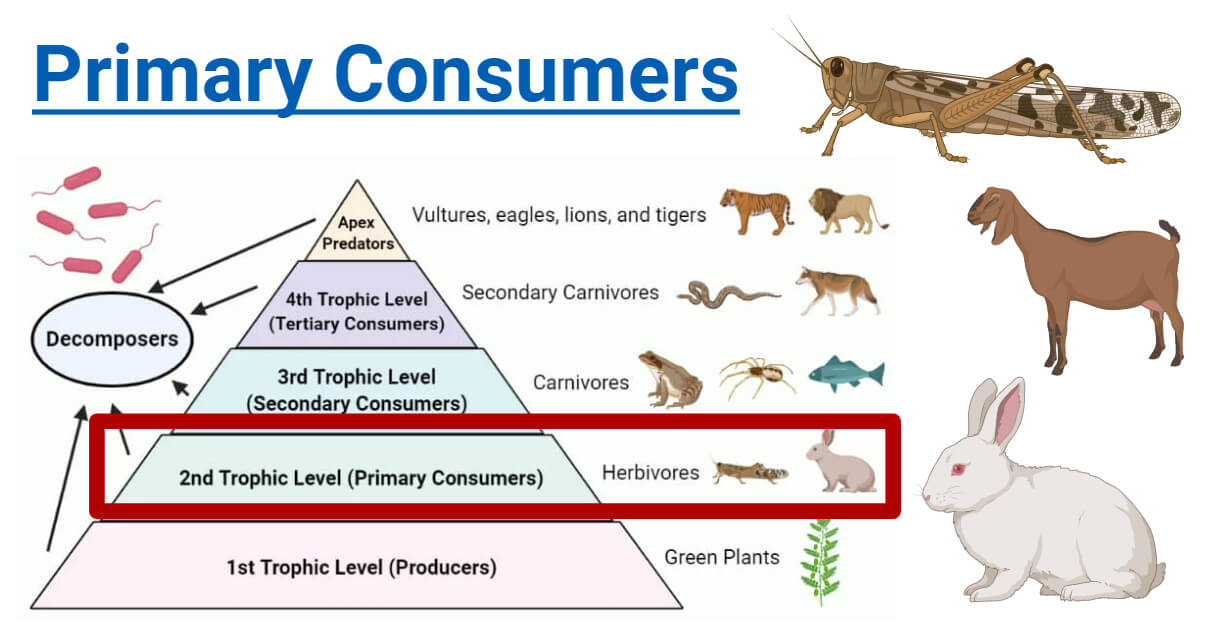
Primary consumers are the organisms that directly feed on producers. They are herbivorous, meaning their diet consists exclusively or primarily of plants and other photosynthetic organisms. Their existence is entirely dependent on the productivity of the producers in their environment.
Herbivores: The Grazers and Nibblers
Think of a meadow teeming with life. Deer munching on grass, rabbits nibbling on clover, insects devouring leaves – these are all classic examples of primary consumers. They are the grazers, the nibblers, the ones who convert the energy stored in plant matter into their own biomass. Their digestive systems are specifically adapted to break down plant material, which can be fibrous and challenging to digest.
The Trophic Level of Primary Consumers
In the hierarchical structure of food webs, primary consumers occupy the second trophic level. The first trophic level is comprised of producers. Each subsequent trophic level represents organisms that consume organisms from the level below. This layered structure is crucial for understanding energy transfer and population dynamics within an ecosystem. The stability of the primary consumer population is directly tied to the abundance and health of the producer population.
The Vital Role of Primary Consumers in Ecosystem Dynamics
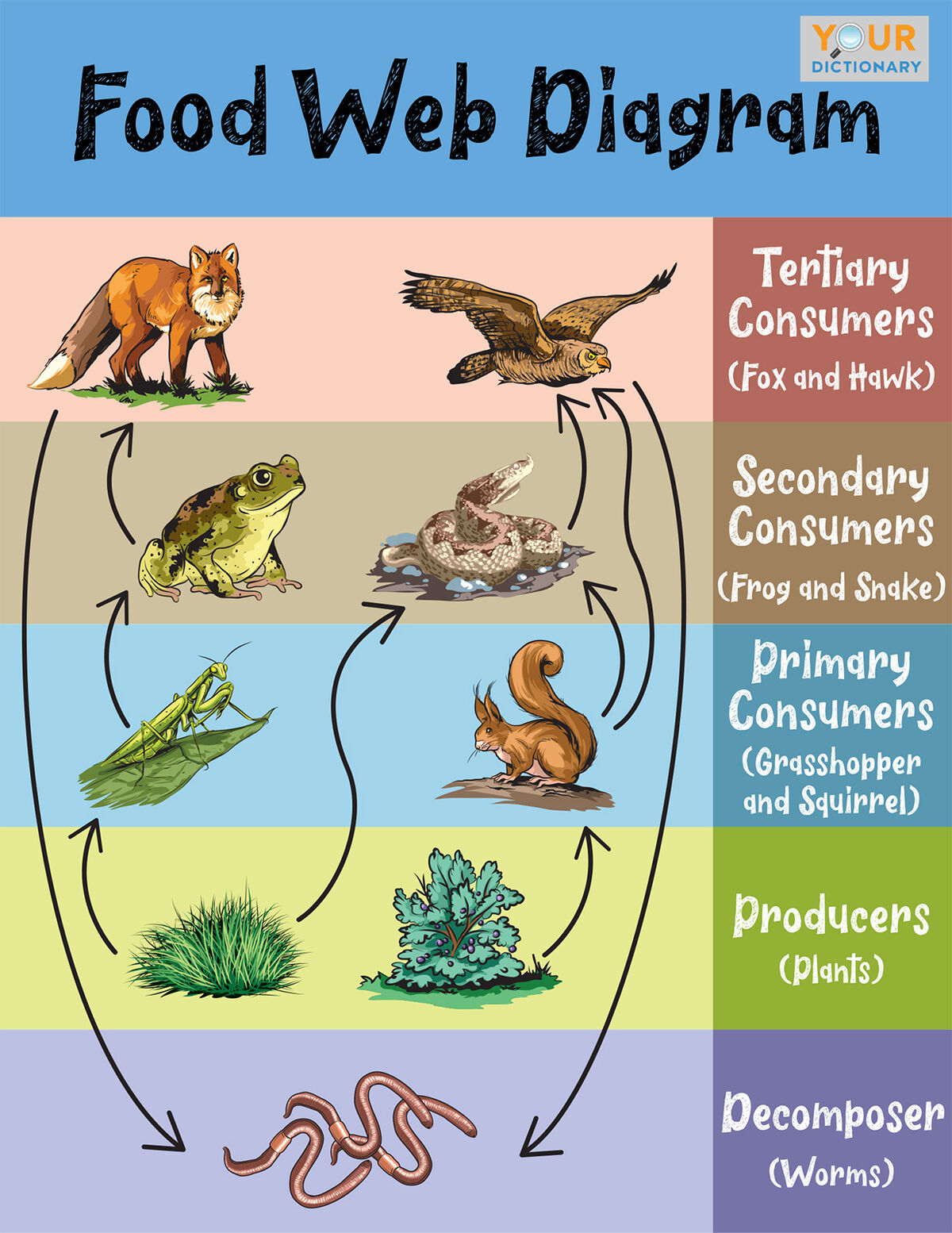
Primary consumers are far more than just the next step in a food chain; they play a critical and multifaceted role in maintaining the health and balance of ecosystems. Their feeding habits influence plant growth, and they themselves serve as a vital food source for other animals.
Regulating Producer Populations
One of the most significant roles of primary consumers is their impact on the populations of producers. By consuming plants, they prevent any single producer species from becoming overly dominant and outcompeting others. This grazing pressure helps to maintain biodiversity among plant communities, creating a more resilient and varied habitat for other species. Imagine if one type of grass grew unchecked; it could crowd out all other plant life, leading to a less diverse and potentially less stable environment. Primary consumers, by their very nature, prevent this from happening.
Facilitating Energy Transfer to Higher Trophic Levels
Primary consumers are the crucial intermediary for transferring energy from producers to the next level of consumers, the secondary consumers. Without primary consumers, the energy captured by plants would largely remain inaccessible to carnivores and omnivores. They are essentially the “conveyor belt” of energy, taking the energy stored in plants and making it available to animals that eat them. This energy transfer is the fundamental engine driving most food webs.
Influencing Nutrient Cycling
Through their feeding and waste production, primary consumers also contribute to nutrient cycling within an ecosystem. As they consume plant matter, they break down complex organic molecules. Their waste products, such as feces and urine, return essential nutrients to the soil, which can then be utilized by producers for growth. This continuous loop of nutrient exchange is vital for the ongoing health and productivity of the entire ecosystem.
Examples of Primary Consumers Across Diverse Ecosystems
The concept of a primary consumer is universal, applying to all types of ecosystems, from the vast oceans to the driest deserts. Their forms and specific diets may vary greatly, but their functional role remains the same.
Terrestrial Primary Consumers
On land, primary consumers are abundant and diverse. Consider the African savanna, where zebras, wildebeest, and gazelles are primary consumers, grazing on grasses. In a forest, squirrels are primary consumers when they eat nuts and seeds, and deer are primary consumers when they browse on leaves and twigs. Even the smallest insects, like aphids feeding on plant sap, fall into this category. Their impact can be seen in the selective browsing on certain plant species, shaping the landscape over time.
Aquatic Primary Consumers
In aquatic environments, primary consumers are equally vital. Phytoplankton, microscopic marine algae, are the primary producers in many ocean food webs. Herbivorous zooplankton, such as copepods and krill, consume these phytoplankton, acting as primary consumers. In freshwater lakes and rivers, organisms like freshwater snails graze on algae and aquatic plants. Even some larger aquatic animals, like certain species of fish that feed on aquatic vegetation, are primary consumers. The health of these aquatic primary consumers directly impacts the fish and other larger animals that prey upon them.

The Interconnectedness of Food Webs
It’s important to remember that food webs are rarely linear chains. An organism might be a primary consumer in one context but a secondary consumer in another. For example, a bird that primarily eats seeds (making it a primary consumer) might also eat insects (making it a secondary consumer). However, the definition of a primary consumer is based on its direct consumption of producers. Understanding these nuances highlights the complexity and interconnectedness of all life within an ecosystem. The entire system is a delicate dance, and each role, including that of the primary consumer, is indispensable.
aViewFromTheCave is a participant in the Amazon Services LLC Associates Program, an affiliate advertising program designed to provide a means for sites to earn advertising fees by advertising and linking to Amazon.com. Amazon, the Amazon logo, AmazonSupply, and the AmazonSupply logo are trademarks of Amazon.com, Inc. or its affiliates. As an Amazon Associate we earn affiliate commissions from qualifying purchases.