
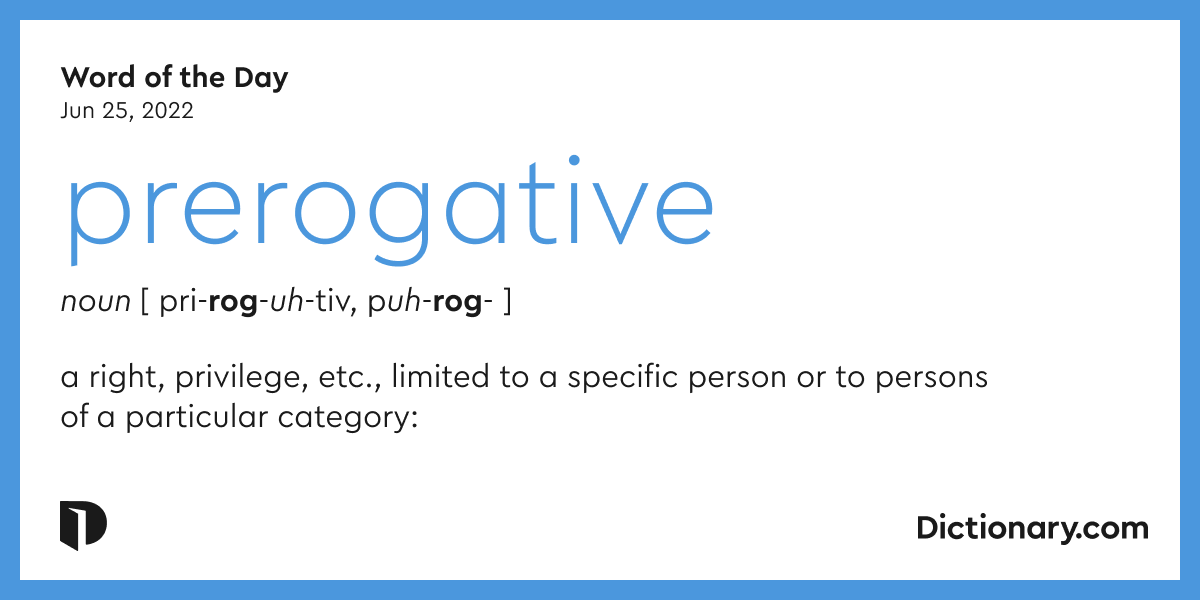
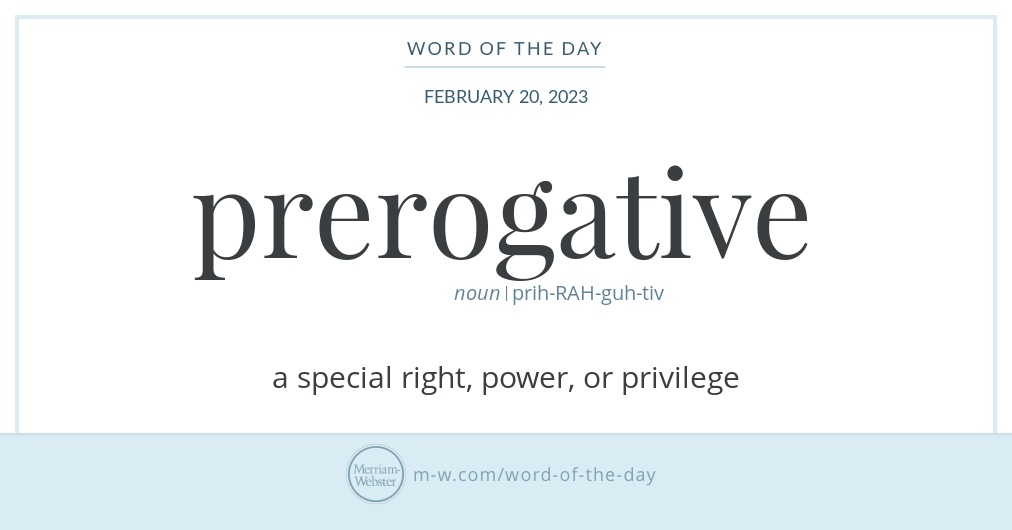
In the ever-evolving landscape of technology, the concept of “prerogative” often surfaces, though not always explicitly labeled as such. It speaks to inherent rights, exclusive powers, and sometimes, the unalienable advantages that certain entities or individuals possess within the tech ecosystem. Unlike the traditional political or royal connotations, a tech prerogative is born from innovation, strategic positioning, intellectual property, and the intricate dynamics of the digital world. Understanding these prerogatives is crucial for navigating the complexities of the industry, whether you are a startup founder, a seasoned developer, a venture capitalist, or a tech-savvy consumer. This article delves into the multifaceted nature of prerogatives in tech, exploring their origins, manifestations, and implications.
The Foundation of Tech Prerogatives: Innovation and Intellectual Property
At its core, the tech industry thrives on a relentless pursuit of the new. This drive for innovation is the primary wellspring of prerogatives, as groundbreaking discoveries and novel applications often grant exclusive advantages. Intellectual property (IP) laws serve as the legal scaffolding that protects these innovations, transforming raw ideas into tangible assets with defensible rights.
The Patent Power Play
Patents are perhaps the most overt form of prerogative in technology. A patent grants an inventor the exclusive right to prevent others from making, using, or selling their invention for a limited period. In tech, patents can cover everything from complex algorithms and software architectures to hardware components and user interface designs. Companies like Apple, Google, and Microsoft have amassed vast patent portfolios, which they strategically leverage. These portfolios can serve multiple purposes:
- Defensive Protection: Patents act as shields, deterring potential infringement lawsuits from competitors. A strong patent portfolio can make a company a less attractive target for legal challenges.
- Offensive Strategy: Patents can be used offensively to block competitors from entering certain markets or utilizing specific technologies. This is particularly evident in patent litigation wars between major tech players.
- Licensing and Revenue Generation: Patents can be licensed to other companies, creating a steady stream of revenue. This is a significant prerogative for companies with foundational technologies.
- Valuable Assets in Mergers and Acquisitions: A robust patent portfolio can significantly increase a company’s valuation, making it a more attractive acquisition target or a more powerful negotiating partner.
The sheer volume and scope of patents held by established tech giants give them a significant prerogative in shaping technological development. They can dictate the pace of innovation in certain areas by controlling access to foundational technologies.
Copyright and the Digital Creation
While patents protect inventions, copyright protects original works of authorship, including software code, digital content, and creative designs. In the tech world, copyright is fundamental to protecting the intangible creations that form the backbone of many digital products and services.
- Software Copyright: The source code and object code of software are protected by copyright. This prevents unauthorized copying and distribution, ensuring that developers and companies can monetize their software development efforts.
- Digital Content: E-books, online courses, digital art, and streaming media are all protected by copyright. This prerogative empowers creators and platforms to control how their content is accessed and consumed.
- User Interface (UI) and User Experience (UX) Design: While functional aspects might be patented, the aesthetic and interactive elements of a user interface can be protected by copyright. This is crucial for brands that invest heavily in creating distinctive and intuitive user experiences.
The copyright prerogative ensures that creators can benefit from their digital creations and fosters an environment where investment in creative software development and content production is incentivized.
Trade Secrets: The Unseen Prerogative
Beyond formal IP, trade secrets represent a powerful, albeit less visible, prerogative in the tech industry. A trade secret is any confidential information that provides a business with a competitive edge. Unlike patents, trade secrets are not publicly disclosed and can last indefinitely as long as they remain secret.
- Proprietary Algorithms: Many groundbreaking tech companies guard their core algorithms as trade secrets. This could include search ranking algorithms, recommendation engines, or machine learning models that are critical to their service’s effectiveness.
- Manufacturing Processes: In hardware development, unique and efficient manufacturing processes can be invaluable trade secrets, giving companies a cost advantage or enabling higher quality production.
- Customer Data Insights: While regulations are increasingly shaping data usage, the way companies collect, analyze, and derive insights from vast amounts of customer data can be a significant trade secret, informing product development and marketing strategies.
The prerogative of a trade secret lies in its enduring secrecy and the competitive advantage it provides. It allows companies to maintain a unique edge without the limitations of patent expiry. However, it also comes with the risk of exposure and the challenge of maintaining absolute confidentiality.
Strategic and Market-Driven Prerogatives
Beyond IP, several strategic and market-driven factors confer significant prerogatives upon tech entities. These are not always legally enshrined but are powerful nonetheless, shaping market dynamics and influencing competitive landscapes.
The Network Effect: A Self-Reinforcing Prerogative
The network effect is a phenomenon where a product or service becomes more valuable as more people use it. This is a particularly potent prerogative in the tech world, especially for platform-based businesses.

- Social Media Platforms: The more users a social media platform has, the more attractive it is for new users to join, as they can connect with a larger network. This creates a virtuous cycle that is incredibly difficult for new entrants to break.
- Marketplaces: Online marketplaces like Amazon or eBay become more valuable to both buyers and sellers as their user base grows. More buyers attract more sellers, and more sellers attract more buyers.
- Operating Systems: The dominance of operating systems like Windows or iOS is partly due to the network effect. A large user base attracts more developers to create applications for that platform, which in turn makes the platform more appealing to users.
The network effect prerogative creates significant barriers to entry, effectively granting a dominant market position to early movers or those who can rapidly scale their user base. It’s a self-perpetuating advantage that can cement a company’s position for years.
Data Dominance: The New Gold Rush
In the digital age, data is often referred to as the new oil. The ability to collect, process, and leverage vast amounts of data confers a significant prerogative upon tech companies.
- Machine Learning and AI Training: Advanced AI models are heavily reliant on large, diverse datasets for training. Companies with access to proprietary datasets have a distinct advantage in developing sophisticated AI capabilities.
- Personalization and Targeted Marketing: The ability to understand user behavior through data allows for highly personalized experiences and incredibly effective targeted advertising. This can lead to increased engagement, conversion rates, and revenue.
- Product Development and Improvement: Analyzing user data provides invaluable insights into how products are used, where they fall short, and what features are most desired. This data-driven approach to product development is a key prerogative for iterative improvement.
The prerogative of data dominance is not just about the quantity of data but also the ability to interpret and act upon it. Companies that master this are better positioned to innovate, retain customers, and outmaneuver competitors. However, this prerogative is increasingly scrutinized by privacy advocates and regulators.
Ecosystem Control: The Integrated Advantage
Many tech giants have succeeded by building comprehensive ecosystems around their core products and services. This ecosystem control grants them a powerful prerogative by locking users into their offerings.
- Apple’s Ecosystem: Apple’s tightly integrated suite of devices (iPhone, iPad, Mac), software (iOS, macOS), and services (App Store, iCloud, Apple Music) creates a seamless experience for users. This synergy makes it difficult and inconvenient for users to switch to competing platforms, granting Apple a significant user retention prerogative.
- Google’s Integrated Services: Google offers a wide array of interconnected services, from search and Gmail to Google Maps and Android. This interconnectedness ensures users remain within the Google universe for their digital needs.
- Cloud Infrastructure: Companies that provide cloud computing infrastructure, like Amazon Web Services (AWS) or Microsoft Azure, gain a prerogative by becoming the foundational layer upon which many other businesses operate. This gives them leverage and insight into the digital operations of countless organizations.
The prerogative of ecosystem control lies in its ability to create customer loyalty, reduce churn, and command a premium for integrated solutions. It’s about making switching costs prohibitively high for consumers and businesses alike.
The Ethical and Societal Dimensions of Tech Prerogatives
While prerogatives in tech often translate into significant commercial advantages, they also carry profound ethical and societal implications. The concentration of power and influence in the hands of a few tech giants raises critical questions about fairness, competition, and the public good.
The Power of Platform Gatekeepers
Companies that operate dominant platforms often act as gatekeepers, controlling access and setting the rules for third-party developers and content creators. This gatekeeping prerogative can be both a driver of innovation and a source of concern.
- App Store Policies: Apple and Google’s control over their respective app stores allows them to dictate which apps are available, how developers monetize them, and what fees they must pay. This has led to antitrust investigations and debates about fair competition.
- Content Moderation: Social media platforms have the prerogative to moderate content, influencing what information users see and what is deemed acceptable speech. This power has significant implications for public discourse and the spread of misinformation.
- Algorithm Transparency: The algorithms that power search engines, social media feeds, and recommendation systems are often proprietary trade secrets. This lack of transparency means users and regulators have limited insight into how these powerful systems influence behavior and shape perceptions.
The gatekeeping prerogative highlights the immense influence that a few tech companies wield over the digital lives of billions. It necessitates a careful balancing act between enabling innovation and ensuring accountability and fairness.
The Prerogative of Influence and Shaping Narratives
The sheer reach and impact of major tech companies give them a unique prerogative to influence public opinion and shape technological trajectories.
- Lobbying and Policy Influence: Large tech firms invest heavily in lobbying efforts to influence legislation and regulation that affects their business. This gives them a distinct advantage in shaping the legal and policy landscape in their favor.
- Setting Industry Standards: Dominant companies often have the power to set de facto industry standards, dictating how technologies should be developed and integrated. This can lead to a less diverse and innovative market if these standards are too rigid or exclusionary.
- Driving Consumer Behavior: Through product design, user interfaces, and sophisticated marketing, tech companies can subtly and overtly influence consumer choices and behaviors, from how we communicate to how we consume information and entertainment.
The prerogative of influence is perhaps the most pervasive and least regulated aspect of tech power. It underscores the need for ongoing dialogue and scrutiny to ensure that the development and deployment of technology align with broader societal interests.
In conclusion, the concept of “prerogative” in technology is a complex interplay of legal rights, strategic positioning, market dynamics, and inherent advantages. From the foundational protections of patents and copyrights to the self-reinforcing power of network effects and data dominance, these prerogatives shape the competitive landscape and drive innovation. However, they also bring with them significant responsibilities and potential for unintended consequences, making the ongoing examination of tech prerogatives essential for a fair, innovative, and equitable digital future.
aViewFromTheCave is a participant in the Amazon Services LLC Associates Program, an affiliate advertising program designed to provide a means for sites to earn advertising fees by advertising and linking to Amazon.com. Amazon, the Amazon logo, AmazonSupply, and the AmazonSupply logo are trademarks of Amazon.com, Inc. or its affiliates. As an Amazon Associate we earn affiliate commissions from qualifying purchases.