
A Private Branch Exchange (PBX) system is the backbone of business telephony, a sophisticated network that manages and routes internal and external phone calls within an organization. Far from being a simple switchboard, modern PBX systems are advanced technological solutions that streamline communication, enhance productivity, and offer a suite of features designed to support businesses of all sizes. Understanding what a PBX system is, and how it operates, is crucial for any organization looking to optimize its communication infrastructure.
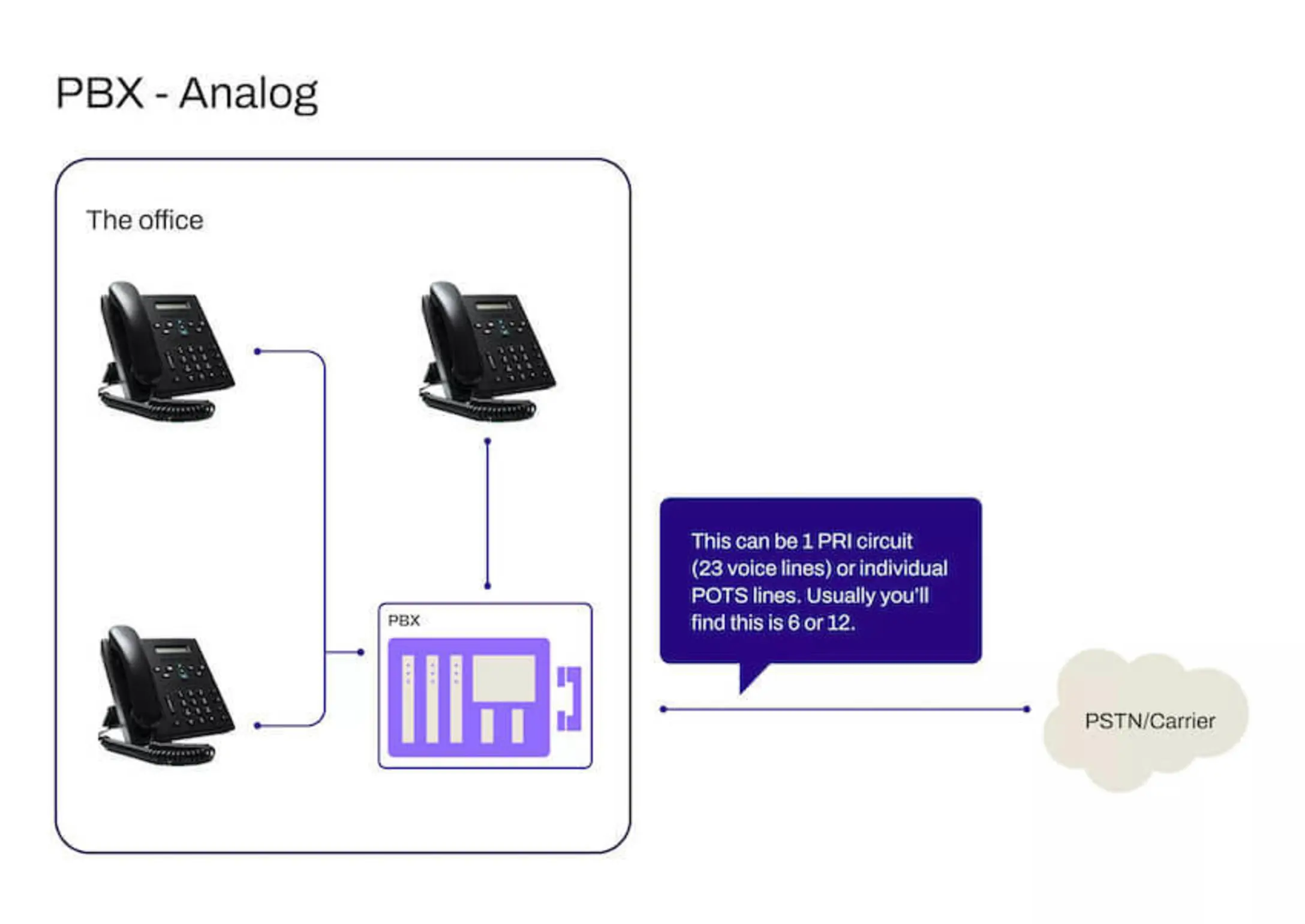
At its core, a PBX system acts as an internal telephone network for a company. It allows users within the organization to make calls to each other without needing to dial an external line. Crucially, it also manages the connection to the Public Switched Telephone Network (PSTN), enabling internal users to make and receive calls from the outside world. This centralized management of telephony resources not only reduces costs by sharing external lines among multiple users but also provides a professional and efficient communication experience for both employees and customers.
The evolution of PBX technology has been significant. From the early electro-mechanical systems to the digital and now IP-based solutions of today, PBX systems have consistently adapted to technological advancements and evolving business needs. This journey reflects a broader trend in the tech industry: the move towards greater integration, intelligence, and flexibility in communication tools.
The Evolution and Types of PBX Systems
The history of PBX systems is a testament to the relentless pursuit of better business communication. From their inception, they were designed to bring order and efficiency to how businesses connected internally and externally. This evolution has led to distinct types of PBX systems, each offering different functionalities and deployment models.
Early Mechanical and Electronic PBXs
The earliest PBX systems were manual operations, requiring human operators to physically connect calls using patch cords on a switchboard. As technology advanced, electro-mechanical systems emerged, automating some of these connections. These systems relied on complex arrays of relays and switches. While a significant improvement, they were often bulky, expensive to maintain, and limited in their feature sets.
The transition to electronic PBXs marked another leap forward. These systems utilized transistors and integrated circuits, offering greater reliability, smaller form factors, and the introduction of more advanced features like direct inward dialing (DID) and automatic call distribution (ACD). However, they still required significant on-premises hardware and specialized technicians for maintenance and upgrades.
The Rise of Digital PBXs
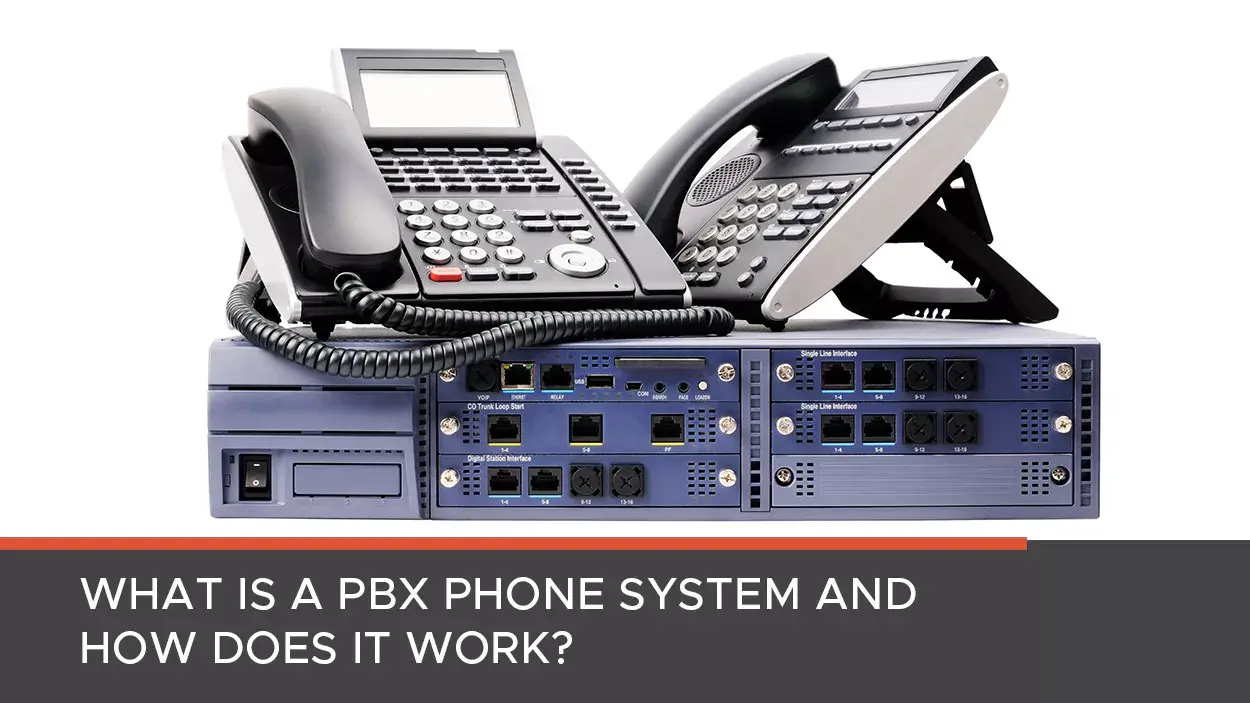
Digital PBXs brought a new level of sophistication. Instead of analog signals, these systems processed calls using digital technology, leading to clearer audio quality and more advanced features. They could integrate with other digital office equipment and offered better call management capabilities. However, they still typically required dedicated on-premises hardware, including a main unit and cabling throughout the building. Installation and configuration could be complex, and scalability often meant purchasing and installing additional hardware modules. This era saw the foundation laid for many of the features we take for granted today, such as voicemail, call forwarding, and conferencing.
The IP Revolution: VoIP and IP PBX Systems
The most transformative evolution in PBX technology has been the advent of Voice over Internet Protocol (VoIP) and, consequently, the IP PBX system. This paradigm shift moved telephony away from traditional circuit-switched networks to packet-switched data networks, essentially using the internet to transmit voice calls.
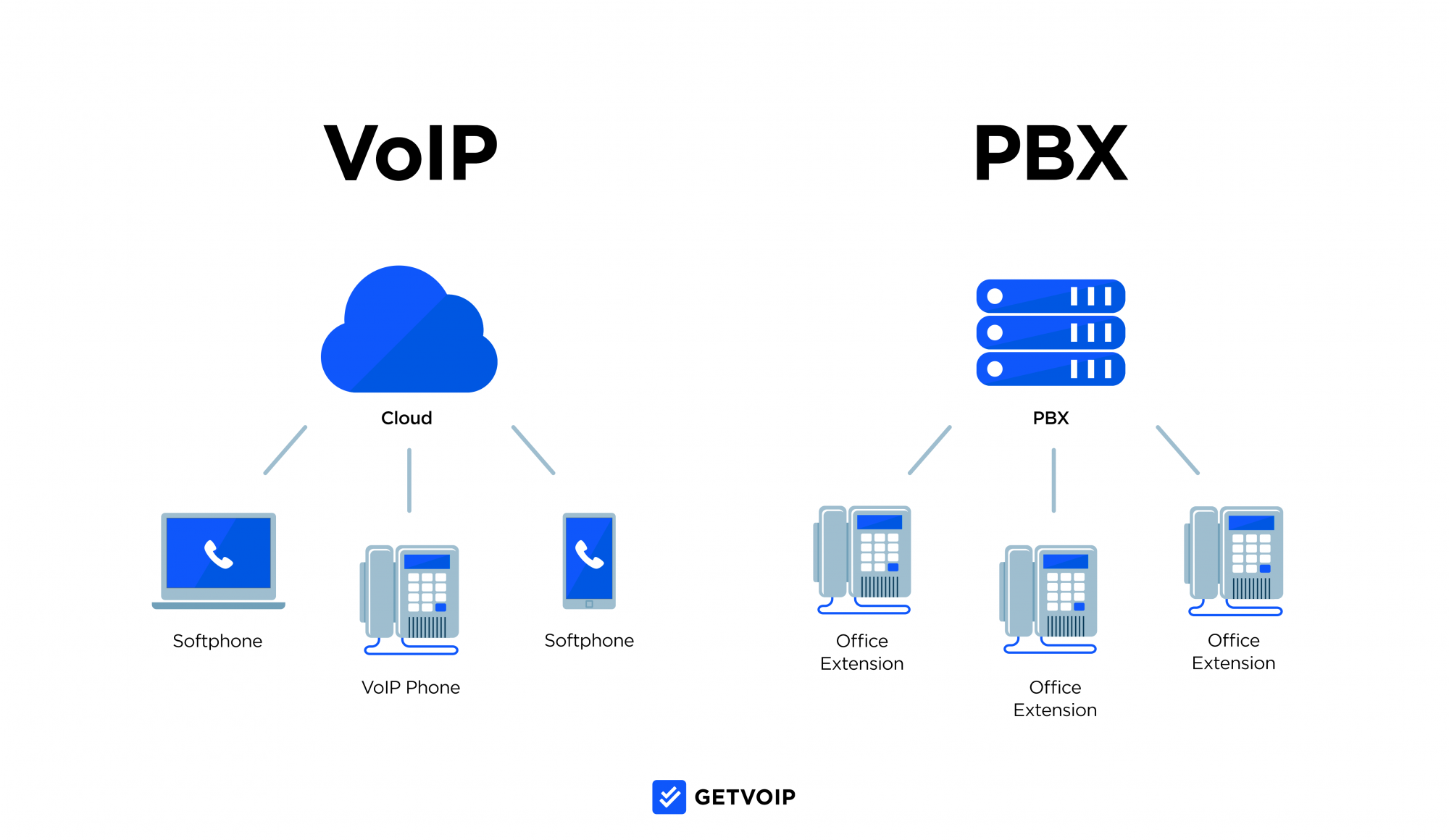
An IP PBX system leverages this technology to manage internal and external calls. It routes voice data over an IP network, allowing for greater flexibility, cost savings, and the integration of advanced communication features. IP PBX systems can be deployed in several ways, each with its own advantages:
- On-Premises IP PBX: This is similar to traditional PBX systems in that the hardware is physically located within the business premises. However, it uses IP technology for call routing and management. This offers greater control over the system and data security but requires significant upfront investment in hardware, software, and IT expertise for maintenance.
- Hosted/Cloud PBX: This is arguably the most popular model today. In a hosted PBX system, the PBX functionality is provided as a service by a third-party provider. The provider manages the servers, software, and infrastructure in their data centers, and businesses access the system over the internet. This model eliminates the need for on-premises hardware, reduces upfront costs, and offers significant scalability and flexibility. Updates and maintenance are handled by the provider, freeing up internal IT resources.
- Virtual PBX: Often used interchangeably with hosted PBX, a virtual PBX essentially delivers PBX features as a software service. This typically involves forwarding calls to different extensions or devices based on programmed rules, often with a central management portal.
The move to IP has fundamentally changed how businesses approach communication, making advanced features accessible and affordable.
Core Functionalities and Features of a PBX System
Beyond its foundational role of connecting calls, a PBX system is a powerful tool packed with features designed to enhance business operations, customer service, and employee productivity. These functionalities have evolved significantly, with modern systems offering a rich ecosystem of integrated communication capabilities.
Call Management and Routing
At its heart, a PBX system excels at managing the flow of calls. This involves several key functions:
- Internal Calling: Employees can call each other by dialing extensions, bypassing the need to go through the public network. This is faster, often free (between extensions), and provides a seamless internal communication experience.
- External Calling: The PBX system manages outgoing calls to the PSTN and receives incoming calls from external numbers. It effectively acts as a gateway, sharing a limited number of external phone lines among multiple users.
- Call Transfer: The ability to seamlessly transfer a call from one extension to another, with or without an announcement, is a standard and essential PBX feature. This ensures that callers are quickly connected to the right person or department.
- Call Forwarding: Calls can be automatically forwarded to another extension, an external number, or voicemail based on predefined rules, user availability, or time of day. This is crucial for ensuring that important calls are never missed.
- Call Queuing and Waiting: For businesses that receive a high volume of calls, call queuing systems hold callers in a virtual line until an agent is available. This provides a better customer experience than unanswered calls or busy signals. Call waiting allows internal users to be notified of an incoming call while they are already on another call.
- Interactive Voice Response (IVR): IVR systems provide an automated menu that guides callers through options, allowing them to self-serve or be directed to the appropriate department. This can include options like “Press 1 for Sales, Press 2 for Support,” significantly improving efficiency and reducing wait times.
Advanced Productivity and Collaboration Tools
Modern PBX systems are not just about making and receiving calls; they are integrated communication hubs that foster productivity and collaboration:
- Voicemail to Email: Voicemail messages can be converted into audio files and sent directly to an employee’s email inbox, allowing them to listen to messages at their convenience and from any device.
- Auto-Attendant: Similar to IVR but often simpler, an auto-attendant provides a professional greeting and directs calls based on the caller’s selection or the time of day.
- Conference Calling: PBX systems facilitate multi-party conference calls, allowing teams to connect and collaborate irrespective of their physical location. Advanced systems offer features like scheduled conferences, dial-in numbers for external participants, and participant management.
- Find Me/Follow Me: This feature allows a call to ring multiple devices or extensions sequentially or simultaneously. For example, a call might ring an office desk phone, then a mobile phone, and finally a home phone if no answer is received on the previous devices. This ensures that users can be reached wherever they are.
- Call Recording: For quality assurance, training, compliance, or dispute resolution, call recording features allow specific calls to be recorded and stored.
- Presence and Instant Messaging: Many modern IP PBX systems integrate with Unified Communications (UC) platforms, offering real-time presence information (e.g., available, busy, in a meeting) and instant messaging capabilities directly within the communication interface.
- Integration with CRM and Other Business Applications: A significant advantage of modern PBX systems, especially IP and cloud-based solutions, is their ability to integrate with Customer Relationship Management (CRM) software and other business applications. This allows for click-to-dial functionality, automatic logging of calls in CRM records, and a more unified view of customer interactions.
These features, when effectively utilized, transform a PBX system from a mere telephony device into a strategic asset for communication and business growth.
Benefits of Implementing a Modern PBX System
Adopting a modern PBX system, particularly an IP or cloud-based solution, offers a multitude of advantages that can significantly impact a business’s bottom line, operational efficiency, and overall communication strategy. These benefits extend beyond simple cost savings to encompass enhanced flexibility, improved customer service, and a more professional brand image.
Cost Efficiency and Scalability
One of the most compelling reasons businesses migrate to modern PBX systems is the potential for significant cost savings.
- Reduced Infrastructure Costs: Traditional PBX systems require substantial upfront investment in hardware, installation, and ongoing maintenance. On-premises IP PBX systems reduce some of these costs by leveraging existing IP networks, but hosted and cloud PBX solutions virtually eliminate the need for on-premises hardware, shifting costs from capital expenditure (CapEx) to operational expenditure (OpEx) through predictable monthly fees.
- Lower Call Charges: VoIP technology, upon which most modern PBX systems are built, often results in lower per-minute call charges, especially for long-distance and international calls, compared to traditional telephone lines. Many providers also offer unlimited calling packages.
- Simplified Maintenance and Support: With hosted or cloud PBX, the provider handles system maintenance, updates, and technical support, reducing the burden on internal IT staff and associated costs.
- Scalability: Businesses grow and shrink, and their communication needs change accordingly. Modern PBX systems are highly scalable. Adding or removing users, extensions, or features is typically a straightforward process, often manageable through an online portal. This agility prevents businesses from being over-provisioned or under-provisioned, ensuring they only pay for what they need.
Enhanced Productivity and Collaboration
The feature sets of modern PBX systems are designed to empower employees and foster better teamwork.
- Streamlined Internal Communication: Features like direct extension dialing, presence indicators, and integrated chat facilitate quick and efficient internal communication, reducing the time spent searching for colleagues or waiting for responses.
- Improved Remote Work Capabilities: For businesses with remote employees or those that embrace flexible work arrangements, a PBX system is indispensable. Employees can access their business line and all its features from any location with an internet connection, effectively bringing their office phone system to their home or on the go.
- Unified Communications: Many modern PBX systems integrate with UC platforms, consolidating voice, video, messaging, and conferencing into a single interface. This unified approach simplifies communication workflows and enhances collaboration.
- Mobile Integration: Employees can often use mobile apps that connect to the PBX system, allowing them to make and receive calls using their business number from their personal mobile devices, ensuring they remain accessible without giving out personal contact information.
Improved Customer Service and Professionalism
The impact of a well-managed communication system on customer perception cannot be overstated.
- Professional Greetings and Routing: IVR and auto-attendant systems provide a polished and professional first impression, ensuring callers are greeted warmly and directed efficiently to the correct department or individual.
- Reduced Wait Times: Call queuing and intelligent routing ensure that callers are handled promptly, minimizing frustration and improving customer satisfaction.
- Always Available: Features like find me/follow me and voicemail-to-email ensure that calls are never missed, even outside business hours or when employees are away from their desks.
- Enhanced Call Handling: Features like call recording and detailed call reporting provide insights into call volumes, agent performance, and customer interaction patterns, enabling businesses to identify areas for improvement and optimize customer service strategies.
- Consistent Branding: Using a business-specific phone number and professional greetings reinforces brand identity and builds trust with clients and customers.
In conclusion, a modern PBX system is far more than just a phone system; it’s a critical component of a business’s technological infrastructure, driving efficiency, collaboration, and customer satisfaction. The transition to an IP or cloud-based solution represents a strategic investment that yields tangible returns in cost savings, operational agility, and a superior communication experience.
aViewFromTheCave is a participant in the Amazon Services LLC Associates Program, an affiliate advertising program designed to provide a means for sites to earn advertising fees by advertising and linking to Amazon.com. Amazon, the Amazon logo, AmazonSupply, and the AmazonSupply logo are trademarks of Amazon.com, Inc. or its affiliates. As an Amazon Associate we earn affiliate commissions from qualifying purchases.