
The term “mob boss” conjures images of power, fear, and shadowy influence, often romanticized in popular culture but rooted in a complex and often brutal reality. While the stereotypical portrayal might be that of a cigar-chomping, impeccably dressed figure orchestrating illicit activities from behind a mahogany desk, the actual definition and operational role of a mob boss extend far beyond such simplistic depictions. Understanding what a mob boss is requires delving into the organizational structures, power dynamics, and criminal enterprises they lead, primarily within the context of organized crime syndicates.
The Anatomy of an Organized Crime Syndicate
At its core, an organized crime syndicate is a hierarchical criminal enterprise that operates much like a legitimate business, albeit one dedicated to illegal pursuits. These organizations are not spontaneous gatherings of criminals but rather structured entities with defined roles, chains of command, and established territories. The mob boss sits at the apex of this structure, wielding ultimate authority and responsibility.
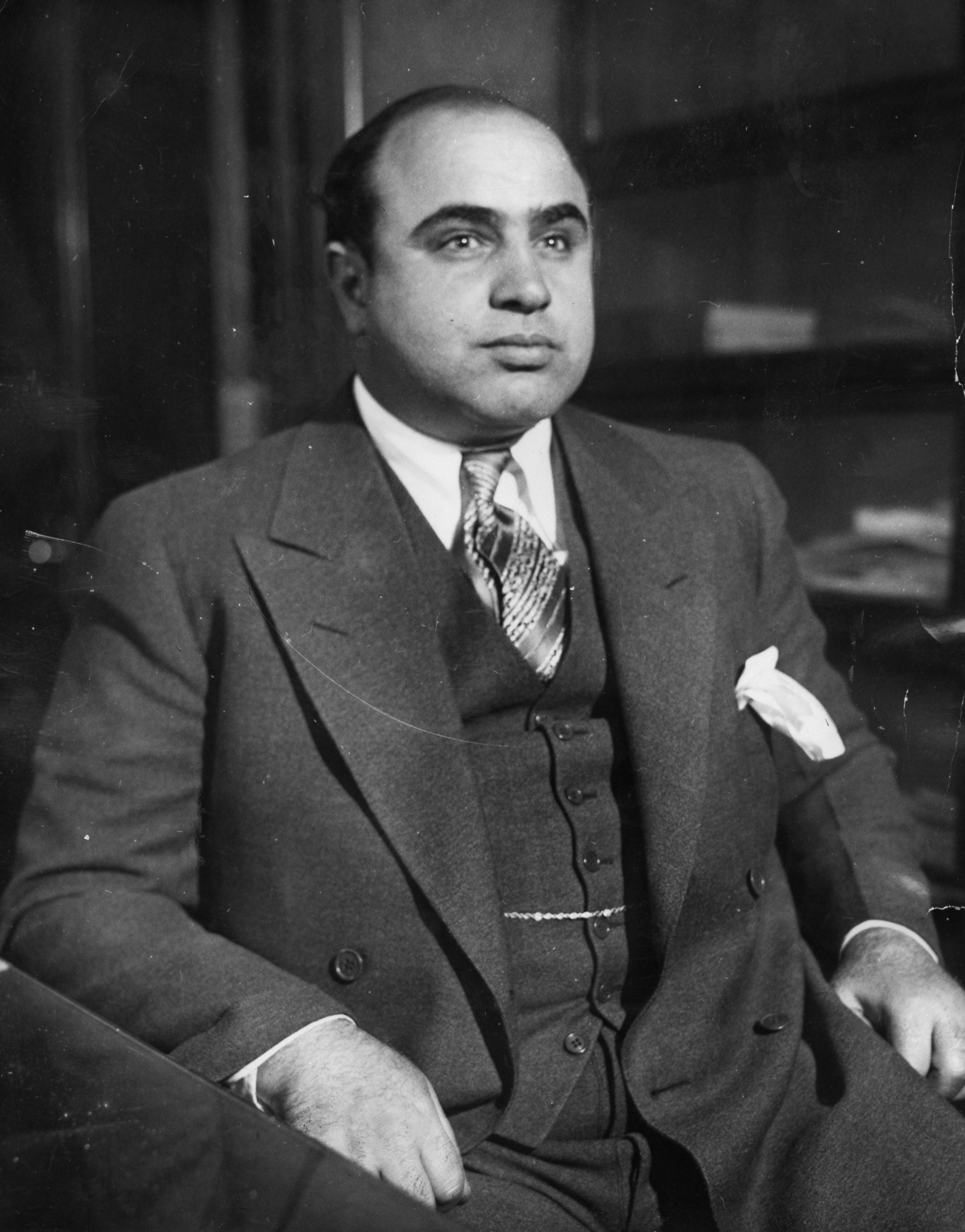
Hierarchy and Command Structure
The typical organizational chart of a mafia-style syndicate, often referred to as “La Cosa Nostra” in its American iteration, is remarkably rigid. At the very top is the boss, also known as the “Don” or “Capo dei capi” (Boss of bosses), though the latter title is more ceremonial and often contested. Beneath the boss is the underboss, who serves as the second-in-command and is often groomed to succeed the boss. The consigliere, or counselor, is a trusted advisor who provides strategic advice and mediation, acting as a neutral party within the organization.
Further down the hierarchy are the caporegimes (or capos), who lead crews of soldiers. These capos are responsible for managing specific criminal operations within their assigned territories or for particular ventures. The soldiers, or “made men,” are the foot soldiers of the organization, directly carrying out the criminal activities under the direction of their capo. Finally, there are associates, who are not full members but work for the mob, often performing tasks that made men cannot or will not do. This stratified structure ensures discipline, efficiency, and a degree of compartmentalization that can shield the upper echelons from direct culpability.
The Spectrum of Criminal Enterprises
Mob bosses and their syndicates engage in a diverse array of illicit activities, driven by the pursuit of profit and power. These enterprises can range from relatively low-level street crimes to sophisticated white-collar schemes. Historically, common rackets include extortion, protection schemes (demanding payment from businesses in exchange for “protection” from other criminals, often the mob itself), illegal gambling operations, loan sharking, and drug trafficking.
However, modern organized crime has evolved. Mob bosses may oversee more complex operations such as sophisticated fraud schemes, money laundering through legitimate businesses, labor racketeering, and even cybercrime. The adaptability of these organizations allows them to exploit emerging criminal opportunities, demonstrating a pragmatic and often ruthless approach to business. The primary objective is always financial gain, and the mob boss is responsible for directing the syndicate’s resources and personnel towards the most profitable ventures.
The Role and Responsibilities of a Mob Boss
The position of a mob boss is not one of mere figurehead; it is a demanding and perilous role requiring a unique blend of cunning, ruthlessness, and strategic acumen. The boss is the ultimate decision-maker, the arbiter of disputes, and the public face (albeit often anonymous) of the organization. Their success is measured by the syndicate’s profitability, its territorial control, and its ability to evade law enforcement.
Decision-Making and Strategic Direction
The mob boss is the supreme strategist. They determine the syndicate’s overall direction, decide which criminal ventures to pursue, and allocate resources accordingly. This involves assessing market opportunities (in the criminal sense), identifying rivals, and anticipating law enforcement efforts. Decisions made by a mob boss can have profound consequences, impacting the lives and livelihoods of countless individuals, both within and outside the organization. They must possess a keen understanding of human nature, be adept at negotiation and intimidation, and possess the foresight to plan for the long term.
A critical aspect of their strategic role involves managing relationships with other criminal organizations, both friendly and adversarial. Wars between syndicates can be devastating, and a skilled boss will work to maintain a delicate balance of power, forming alliances when beneficial and employing decisive action when necessary. Their decisions are often made in secrecy, with limited consultation, reinforcing their absolute authority.
Maintaining Order and Enforcing Discipline
Internal discipline is paramount for the survival and effectiveness of any organized crime syndicate. A mob boss is responsible for ensuring that their members adhere to the organization’s code of conduct and follow directives without question. This often involves the use of severe and brutal enforcement mechanisms. Disobedience, betrayal, or failure to perform can result in swift and harsh punishments, including violence, imprisonment, or death.

The boss must also act as a judge and jury in internal disputes. When conflicts arise between members or crews, the boss’s judgment is final. This role requires an ability to mediate, assert authority, and maintain the loyalty of their subordinates. The fear of reprisal is a powerful tool, but a truly effective mob boss also cultivates a sense of loyalty and belonging, rewarding those who serve them well and punishing those who falter. The ability to inspire both fear and loyalty is a hallmark of a successful leader in this dangerous world.
The Business of Crime: Profit and Power
The ultimate driving force behind the existence and operation of a mob boss and their syndicate is the pursuit of profit and the consolidation of power. These criminal enterprises operate with a business-like mindset, constantly seeking to maximize returns on their investments, however illicit those investments may be.
Profit Generation and Diversification
Mob bosses are primarily concerned with generating revenue through their criminal activities. This involves identifying lucrative rackets, establishing efficient operational methods, and ensuring a steady flow of income. The more diversified the syndicate’s revenue streams, the more resilient it is to disruptions in any single criminal market. For example, a syndicate might be involved in drug trafficking, but also operate legitimate businesses to launder the proceeds and provide a cover for their operations.
The profit generated by these enterprises is reinvested to expand operations, bribe corrupt officials, fund enforcement activities, and ensure the lavish lifestyles of the leadership. The accumulation of wealth is not just about personal gain; it is also a critical component of maintaining power. Wealth allows the mob boss to exert influence, buy loyalty, and support their network.
Territorial Control and Influence
Beyond financial profit, mob bosses seek to establish and maintain territorial control and exert influence. This can manifest in controlling specific geographic areas where their rackets operate, dominating particular industries, or wielding political influence through bribery and intimidation. Territorial control ensures exclusivity in criminal markets, minimizing competition and maximizing profits.
The accumulation of power also extends to influencing legitimate institutions. This can involve corrupting law enforcement officials, politicians, judges, and business leaders. By having allies within these sectors, the mob boss can create a buffer against prosecution, gain access to insider information, and even manipulate public policy to their advantage. The ultimate aim is to create an environment where their criminal enterprises can operate with impunity, shielded from external threats and internal dissent.
The Perilous Existence of a Mob Boss
The life of a mob boss is one of constant vigilance and inherent danger. While they may wield immense power, they are also perpetually under threat from law enforcement, rival organizations, and even their own subordinates. Their existence is a delicate balancing act, requiring an unceasing awareness of their surroundings and the motivations of those around them.
Constant Threat and Vigilance
The very nature of their business places mob bosses in a position of extreme vulnerability. Law enforcement agencies worldwide dedicate significant resources to dismantling organized crime syndicates, and mob bosses are often the primary targets. They must operate with a high degree of paranoia, employing elaborate security measures, changing locations frequently, and trusting very few individuals. Betrayal from within is a constant fear, as subordinates may seek to exploit weaknesses or curry favor with rivals or authorities.
The threat of assassination is ever-present. Rival gangs, disgruntled former members, or individuals seeking revenge can pose a lethal danger. This constant state of alert requires a profound understanding of risk assessment and a willingness to make difficult decisions to ensure their own survival. The weight of responsibility for their organization and the constant threat to their life can take a significant psychological toll.

Legacy and Succession
For a mob boss, the question of legacy and succession is critical. A well-established syndicate is built to endure, and the boss must ensure a smooth transition of power upon their incapacitation or death. This involves grooming potential successors, establishing clear lines of authority, and ensuring that the organization remains intact and profitable. The failure to manage succession effectively can lead to internal power struggles, fragmentation of the syndicate, and a decline in its influence and profitability.
The desire for a lasting legacy can be a powerful motivator for mob bosses. Some may seek to be remembered as legendary figures who built vast empires, while others may simply aim for the continued survival and prosperity of their organization. Regardless of their individual aspirations, the challenge of ensuring the longevity of their criminal enterprise is a defining aspect of their role. The history of organized crime is replete with examples of powerful syndicates that crumbled due to a lack of clear succession planning, underscoring the importance of this final, crucial responsibility.
aViewFromTheCave is a participant in the Amazon Services LLC Associates Program, an affiliate advertising program designed to provide a means for sites to earn advertising fees by advertising and linking to Amazon.com. Amazon, the Amazon logo, AmazonSupply, and the AmazonSupply logo are trademarks of Amazon.com, Inc. or its affiliates. As an Amazon Associate we earn affiliate commissions from qualifying purchases.