
A mediation hearing is a crucial step in dispute resolution, offering a structured yet informal environment where parties in conflict can work towards a mutually agreeable solution with the assistance of a neutral third party. Unlike traditional litigation, which is adversarial and often leads to win-lose outcomes, mediation emphasizes collaboration and aims to preserve relationships while addressing the underlying issues. This process is particularly relevant in business contexts, where ongoing partnerships, client relationships, and reputational integrity are paramount. Understanding the nature, purpose, and process of a mediation hearing is essential for businesses and individuals alike who seek efficient and cost-effective ways to resolve disputes.
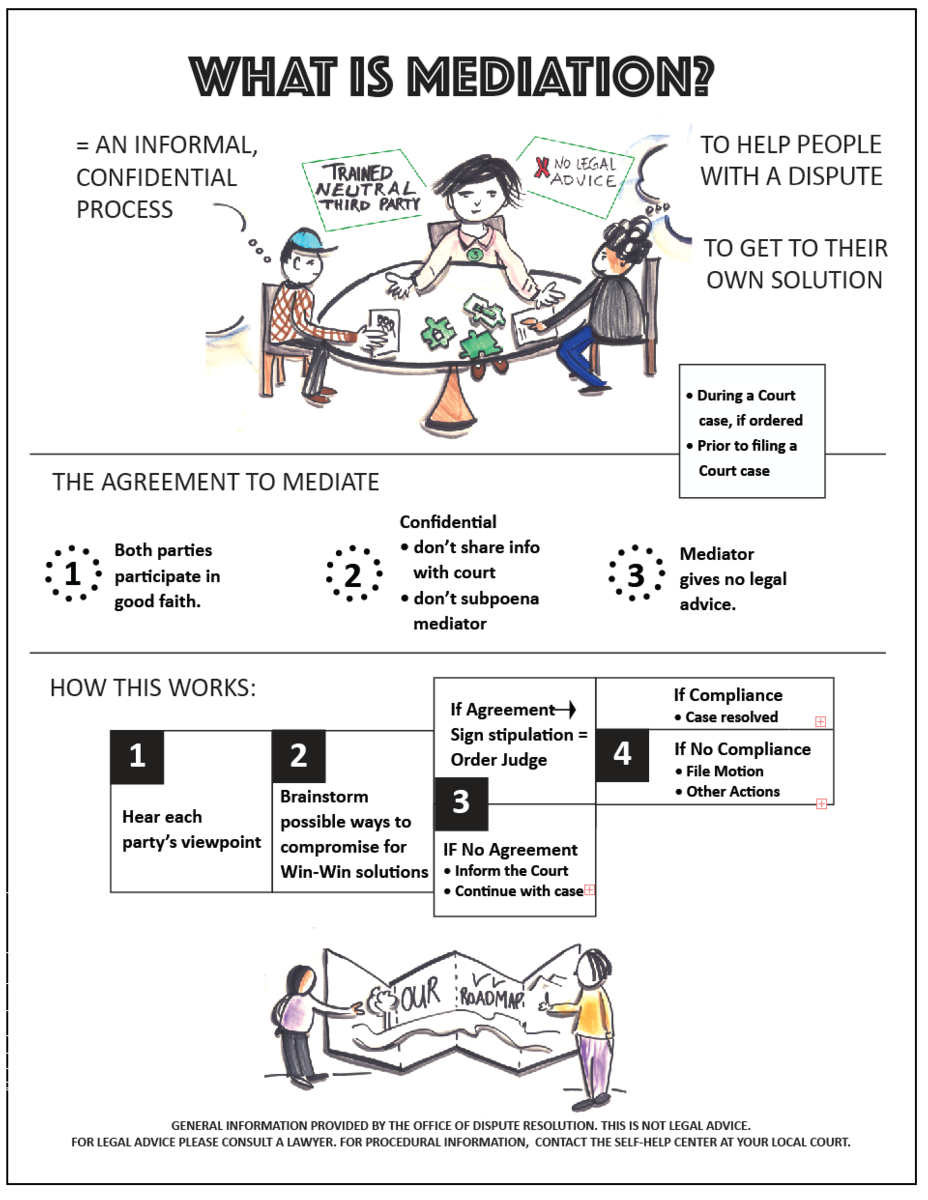
The Foundational Principles of Mediation Hearings
Mediation hearings are built upon a bedrock of principles that distinguish them from other forms of dispute resolution. These principles foster an environment conducive to open communication, creative problem-solving, and ultimately, sustainable agreements. At their core, these hearings are about facilitating dialogue and empowering the parties to craft their own resolutions, rather than having a decision imposed upon them by a judge or arbitrator.
Neutrality and Impartiality of the Mediator
The cornerstone of any successful mediation is the mediator’s role as a neutral and impartial facilitator. The mediator is not a judge, nor do they represent either party. Their primary responsibility is to guide the conversation, ensure fair play, and help parties explore options without injecting their own opinions or biases into the process. This impartiality is vital for building trust. When parties believe the mediator is on their side, or conversely, against them, the entire process is compromised. Mediators are trained to remain objective, actively listen to all perspectives, and reframe issues in a way that promotes understanding. They do not assign blame or determine fault; their focus is solely on helping the parties find common ground.
Confidentiality as a Shield for Open Dialogue
Confidentiality is another critical pillar of mediation. The discussions, proposals, and admissions made during mediation are typically considered confidential and cannot be used as evidence in subsequent legal proceedings, should mediation fail. This protection is crucial because it encourages parties to speak freely and explore a wider range of solutions without fear that their words will be used against them. Without this assurance, parties would likely be much more guarded, hindering the open and honest communication necessary for effective resolution. The scope of confidentiality can be defined in the mediation agreement, clarifying what information is protected and under what circumstances it might be disclosed (e.g., imminent danger, illegal activity).
Voluntary Participation and Party Autonomy
Mediation is fundamentally a voluntary process. While parties may be encouraged or even ordered by a court to participate in mediation, the ultimate decision to settle and the terms of that settlement lie entirely with them. This principle of party autonomy ensures that any agreement reached is one that both parties genuinely consent to, rather than one that is imposed. This sense of ownership over the resolution significantly increases the likelihood of compliance and long-term satisfaction. If parties feel they have been coerced into an agreement, they are far less likely to adhere to its terms.
The Stages of a Typical Mediation Hearing
While no two mediation hearings are exactly alike, they generally follow a structured, albeit flexible, process designed to move parties from impasse to agreement. Understanding these stages can help participants prepare effectively and navigate the process with greater confidence. The journey typically begins with setting the stage and moves through exploration, negotiation, and culminates in an agreement.
Opening Statements: Setting the Tone and Objectives
The mediation hearing typically begins with opening statements from both the mediator and the parties involved. The mediator will first explain their role, the process of mediation, the ground rules for communication (e.g., no interruptions, respectful language), and reiterate the principles of confidentiality and voluntariness. This initial phase is crucial for establishing rapport, building trust, and ensuring everyone understands the framework within which they will be operating. Following the mediator’s introduction, each party will have the opportunity to present their perspective on the dispute, outlining their concerns, interests, and desired outcomes. These statements are not intended to be argumentative but rather to provide a clear, concise, and comprehensive overview of each party’s position.
Exploration and Information Gathering: Uncovering Underlying Interests
After the opening statements, the mediator facilitates an exploration phase. This is where the real work of understanding begins. The mediator will use active listening, questioning, and summarizing techniques to help parties articulate not just their stated positions but also their underlying interests, needs, and priorities. Often, the stated position of a party – what they say they want – masks deeper, more fundamental concerns that, if addressed, can unlock potential solutions. This stage might involve joint sessions where parties speak directly to each other with the mediator present, or private sessions, known as caucuses, where the mediator meets with each party individually. Caucuses are particularly valuable for allowing parties to speak more candidly, explore sensitive issues, and develop potential settlement options without the pressure of direct negotiation.
Negotiation and Option Generation: Crafting Solutions
Once the underlying interests have been explored, the focus shifts to negotiation and the generation of potential solutions. The mediator plays a vital role in bridging divides, identifying areas of commonality, and helping parties brainstorm creative options that might not have been apparent during direct negotiation. This stage often involves back-and-forth communication, with the mediator carrying proposals and counter-proposals between parties, helping them evaluate the feasibility and desirability of various options. The mediator’s skill here lies in their ability to move beyond positional bargaining and encourage parties to think about the “what ifs” and explore trade-offs that can lead to mutually beneficial outcomes. This collaborative problem-solving is a hallmark of mediation.
Reaching an Agreement: Formalizing the Resolution
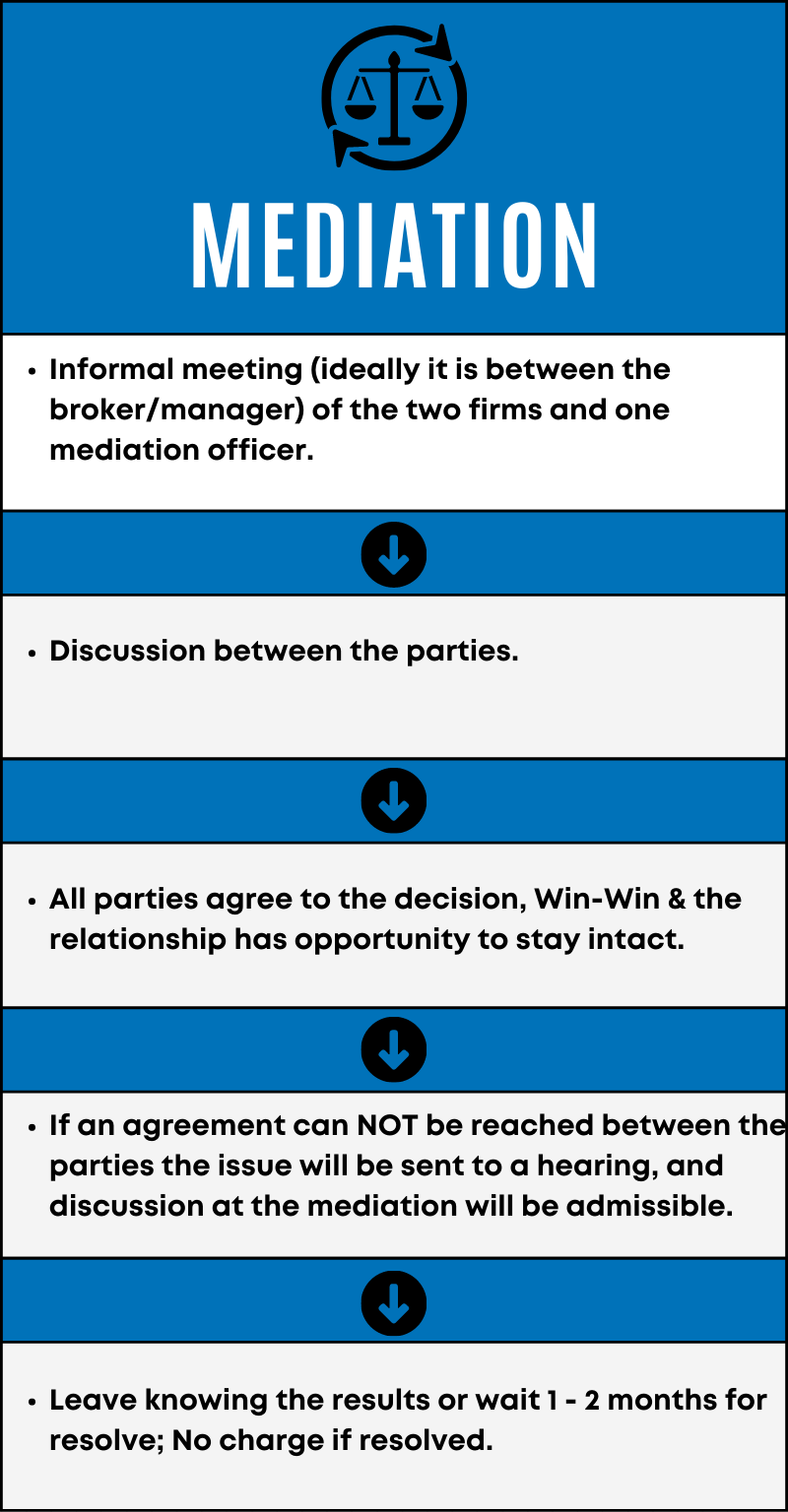
The culmination of a successful mediation hearing is the formalization of an agreement. If the parties reach a consensus, the mediator will assist them in drafting a settlement agreement that clearly outlines the terms and conditions of their resolution. This document is typically legally binding and serves as a contract between the parties, detailing their obligations and commitments. The mediator will ensure that the agreement is precise, comprehensive, and addresses all the key issues that were discussed. In some cases, the mediator may recommend that parties have the agreement reviewed by their legal counsel before signing. If an agreement is not reached, the mediation process concludes with no resolution, and the parties are then free to pursue other avenues for dispute resolution, such as litigation or arbitration.
The Benefits of Utilizing Mediation Hearings in Business
In the fast-paced and often complex world of business, disputes are an almost inevitable reality. Whether it’s a disagreement with a supplier, a conflict with a client, or an internal employment issue, the way these disputes are handled can have significant repercussions on a company’s bottom line, reputation, and internal morale. Mediation hearings offer a compelling alternative to traditional adversarial approaches, providing a range of benefits that are particularly attractive to the business community.
Cost and Time Efficiency Compared to Litigation
One of the most significant advantages of mediation hearings is their inherent cost and time efficiency. Litigation is notoriously expensive, involving substantial legal fees, court costs, expert witness fees, and the often-incalculable cost of lost productivity and management time dedicated to the legal process. Mediation, by contrast, is typically far less expensive. It requires fewer resources, has a shorter duration, and avoids the lengthy discovery processes and court backlogs that plague traditional legal battles. Many mediations can be resolved in a single day or over a few sessions, whereas litigation can drag on for months or even years. This speed and cost-effectiveness are critical for businesses looking to minimize disruption and maintain financial stability.
Preservation of Business Relationships and Reputation
In the interconnected world of business, relationships are currency. A protracted legal battle can irreparably damage relationships with clients, suppliers, partners, and even employees, leading to lost future business opportunities and a tarnished reputation. Mediation, with its focus on collaboration and mutual understanding, offers a way to resolve disputes while preserving these vital connections. By working together to find solutions, parties can often emerge from mediation with a strengthened understanding and a renewed basis for cooperation. This approach is invaluable for businesses that rely on long-term partnerships and a positive public image.
Flexibility and Creative Solutions Beyond Legal Mandates
Unlike the rigid frameworks of the law, which often dictate specific remedies, mediation allows for far greater flexibility and creativity in finding solutions. Parties are not limited to the remedies a court can offer, such as monetary damages. They can explore a broader range of options that address their specific needs and interests, such as changes in business practices, future contract terms, or innovative service agreements. This allows for bespoke resolutions that are tailored to the unique circumstances of the dispute and can often lead to more sustainable and satisfactory outcomes for all involved.
Enhanced Control and Confidentiality Over Dispute Resolution
Mediation empowers parties by giving them greater control over the resolution process and the outcome. In litigation, decisions are made by judges or juries. In mediation, the parties themselves are the architects of their agreement. Furthermore, the confidential nature of mediation shields the details of the dispute and the settlement from public scrutiny. This is particularly important for businesses that wish to avoid negative publicity or the disclosure of sensitive commercial information. The ability to resolve disputes privately and on their own terms is a significant advantage that mediation offers to the business world.
The Role of Technology in Modern Mediation Hearings
While mediation has historically been a human-centric process, technology is increasingly playing a role in enhancing its accessibility, efficiency, and effectiveness. The integration of digital tools and platforms is transforming how mediation hearings are conducted, particularly in an era where remote work and global collaboration are becoming the norm. These advancements are not replacing the core principles of mediation but are augmenting them, making the process more adaptable to contemporary business needs.
Virtual Mediation Platforms and Tools
The advent of sophisticated virtual mediation platforms has revolutionized access to mediation services. These platforms provide secure online environments where parties and mediators can connect remotely, share documents, and engage in real-time discussions. Features often include encrypted video conferencing, secure chat functions, virtual whiteboards for brainstorming, and digital document signing capabilities. This allows parties to participate in mediation regardless of their geographical location, saving time and travel expenses. For businesses with dispersed teams or international clients, virtual mediation offers a practical and efficient solution to resolve cross-border or remote disputes.
Digital Document Management and Sharing
Efficient document management is critical in any dispute resolution process, and mediation is no exception. Modern mediation platforms often incorporate robust tools for uploading, organizing, and securely sharing relevant documents. This can include contracts, correspondence, financial records, and other evidence that parties wish to present or discuss. The ability to access and review documents collaboratively in a secure digital space streamlines the information-gathering and discussion phases, ensuring that all parties are working with the same set of information and that sensitive documents are handled with appropriate security.

AI and Data Analytics in Dispute Resolution Support
While not replacing the mediator’s judgment, Artificial Intelligence (AI) and data analytics are beginning to offer supporting roles in mediation. AI tools can be used to analyze large volumes of data related to a dispute, identifying patterns, potential areas of agreement, or even predicting the likely outcomes of certain negotiation strategies. Data analytics can help mediators and parties gain deeper insights into the dispute’s nuances, potentially leading to more informed discussions and creative solutions. Furthermore, AI-powered translation services can break down language barriers in international mediations, fostering more inclusive and effective communication. It’s important to note that these technologies are intended to augment, not replace, the human element and the mediator’s crucial role in fostering trust and facilitating dialogue.
aViewFromTheCave is a participant in the Amazon Services LLC Associates Program, an affiliate advertising program designed to provide a means for sites to earn advertising fees by advertising and linking to Amazon.com. Amazon, the Amazon logo, AmazonSupply, and the AmazonSupply logo are trademarks of Amazon.com, Inc. or its affiliates. As an Amazon Associate we earn affiliate commissions from qualifying purchases.