
Langerhans cells, often described as the “sentinels of the skin,” represent a fascinating subset of dendritic cells that play a critical role in initiating immune responses. While their primary function lies within the intricate biological defense mechanisms of the human body, their unique characteristics and the burgeoning field of bio-integrated technology are bringing them to the forefront of scientific innovation. This article will delve into the fundamental nature of Langerhans cells, exploring their structure, function, and, crucially, their emerging significance in the context of cutting-edge technological applications. Understanding these specialized cells is becoming increasingly important as we bridge the gap between biology and technology, paving the way for novel diagnostic tools, advanced therapeutic strategies, and sophisticated bio-mimetic systems.
The Cellular Architecture and Location of Langerhans Cells
To appreciate the technological potential of Langerhans cells, it’s essential to first understand their fundamental biological underpinnings. These cells are not static inhabitants of our tissues; they are dynamic entities with specific structural features that enable their crucial roles.
Dendritic Cell Lineage and Morphological Characteristics
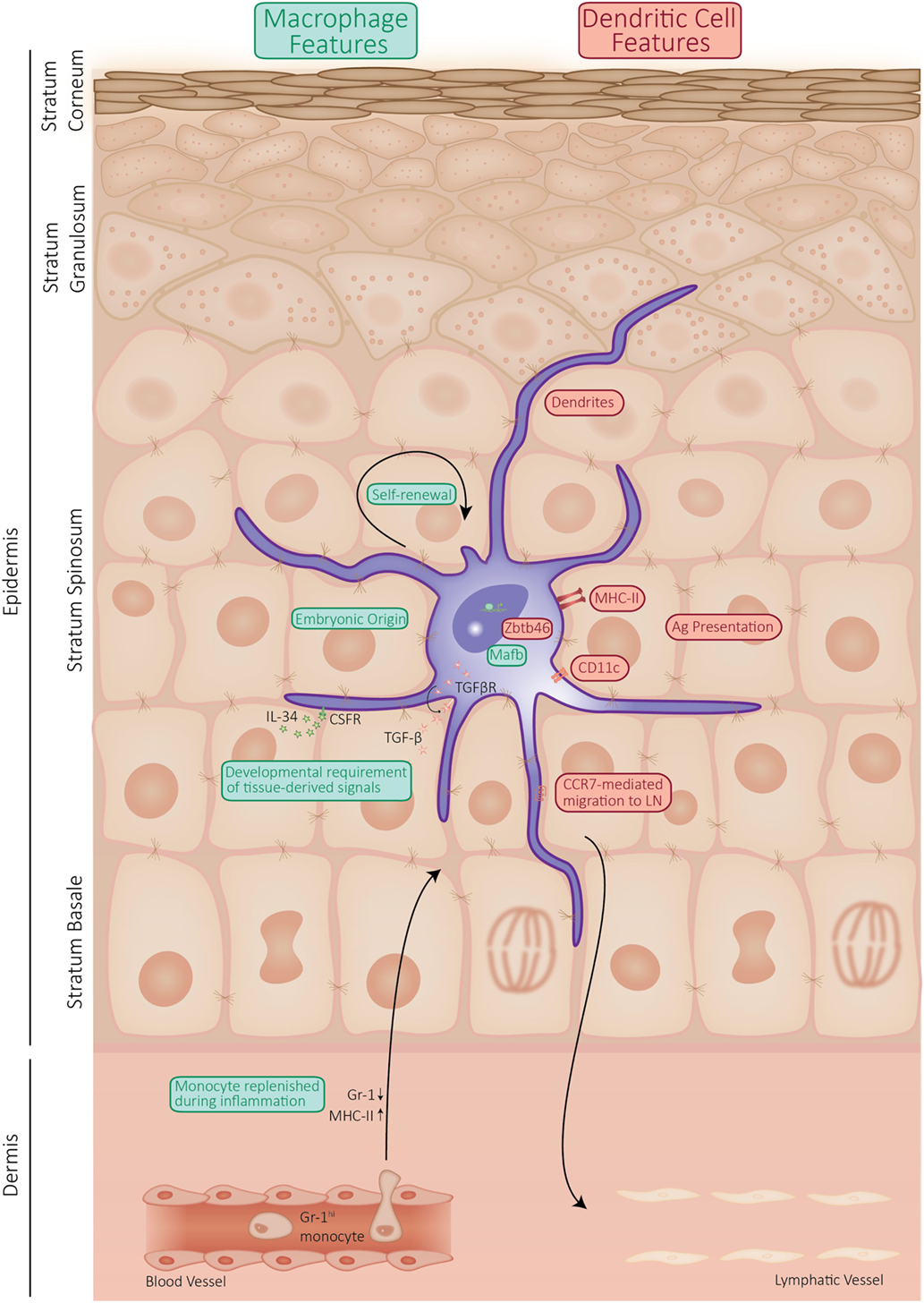
Langerhans cells are a specialized type of myeloid dendritic cell, distinguishing them from other immune cells like T cells or B cells. Their lineage can be traced back to hematopoietic stem cells in the bone marrow, undergoing a complex differentiation process. Morphologically, they are characterized by their irregular, often stellate or dendritic shape, which is a direct consequence of their functional requirements. These cell extensions, or dendrites, are crucial for maximizing their surface area, allowing for efficient interaction with their environment and the detection of foreign invaders. Under electron microscopy, a hallmark feature of Langerhans cells is the presence of distinctive rod-shaped or racket-shaped intracytoplasmic granules known as Birbeck granules. While their precise function is still under investigation, these granules are thought to play a role in endocytosis and antigen processing, key steps in initiating an immune response. Their abundance and unique morphology make them readily identifiable and, importantly, amenable to various biotechnological analysis techniques.
Predominant Residence in Epithelial Tissues
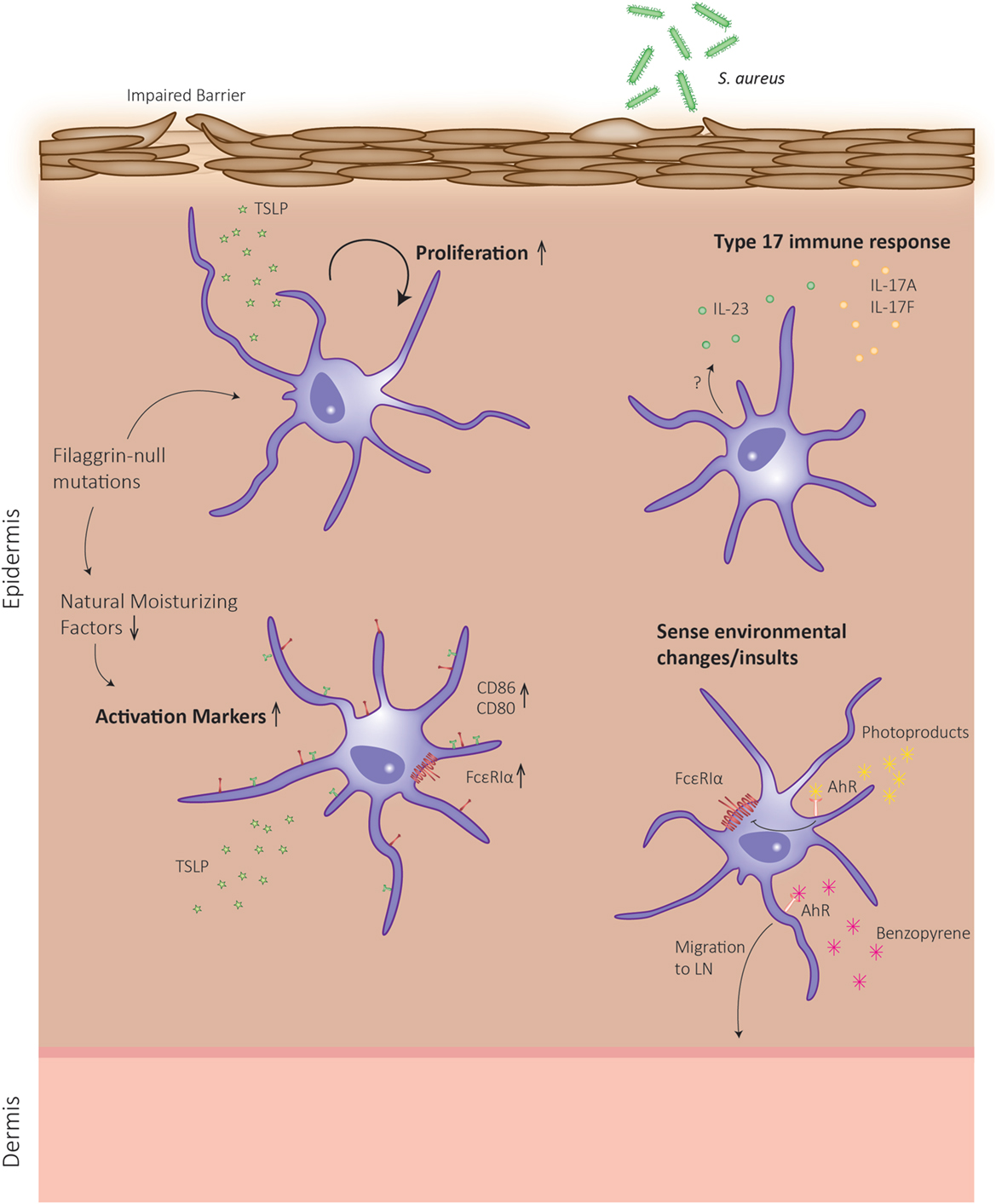
The strategic placement of Langerhans cells is paramount to their role as the body’s first line of defense. They are predominantly found in the epidermis, the outermost layer of the skin, and in mucosal linings of organs such as the respiratory tract, gastrointestinal tract, and urogenital tract. This strategic positioning allows them to act as an early warning system, constantly surveying the external environment for pathogens, allergens, or other foreign substances that breach the body’s physical barriers. Their presence in these vulnerable interfaces makes them ideal candidates for monitoring and interacting with external stimuli, a concept that is increasingly being leveraged in bio-sensing technologies. In a technological context, imagine these cells acting as biological sensors integrated into wearable devices or diagnostic platforms, providing real-time alerts about environmental exposures or early signs of infection.
The Functional Repertoire: Surveillance and Immune Priming
The primary biological functions of Langerhans cells are deeply intertwined with their role as immune cells. However, the mechanisms they employ for surveillance and communication are precisely what make them attractive targets for technological manipulation and application.
Antigen Capture and Presentation: The Foundation of Immunity
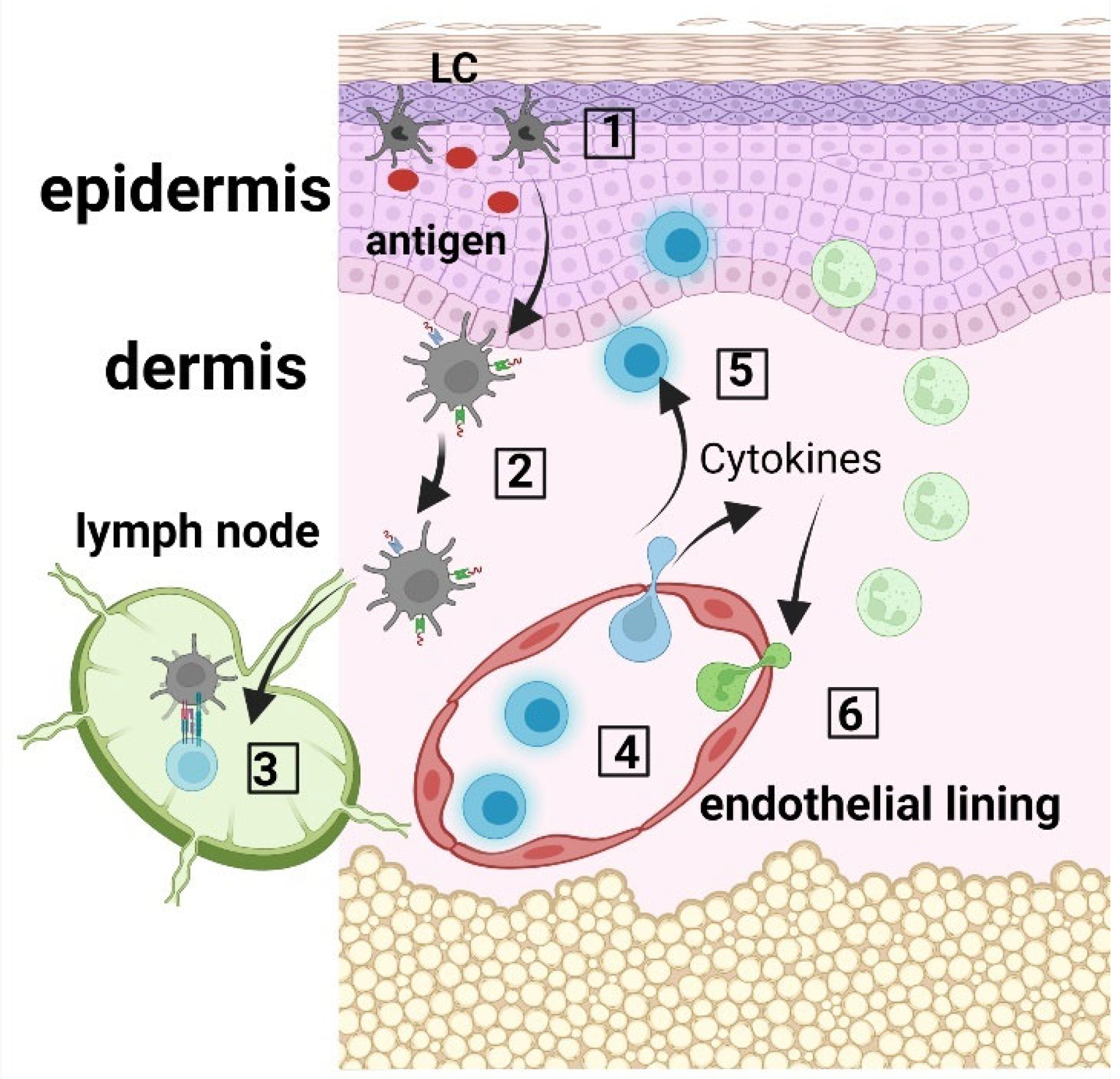
The most critical function of Langerhans cells is their ability to capture and process antigens – molecular fragments of pathogens or foreign substances. Upon encountering a potential threat, these cells extend their dendrites to engulf the antigen through a process called phagocytosis or pinocytosis. Once internalized, the antigen is broken down into smaller peptides, which are then loaded onto specialized molecules called Major Histocompatibility Complex (MHC) class I and class II proteins. These MHC-antigen complexes are then displayed on the surface of the Langerhans cell. This process of antigen presentation is the crucial bridge between innate and adaptive immunity. By presenting these antigen fragments to T lymphocytes (T cells) in nearby lymph nodes, Langerhans cells effectively “prime” the adaptive immune system, initiating a targeted and specific immune response against the invading threat. In the realm of technology, this precise antigen presentation pathway is being explored for the development of novel vaccine technologies and targeted immunotherapies. By understanding and potentially manipulating this process, researchers aim to engineer more effective and personalized treatments for a range of diseases.
Migration to Lymph Nodes and Immune Cell Interaction
Following antigen capture and processing, Langerhans cells undergo a significant transformation. They mature, retract their dendrites, and begin to migrate from their epidermal niche towards the nearest draining lymph nodes. This journey is facilitated by changes in their cellular adhesion molecules and the expression of chemokine receptors. Within the lymph nodes, they encounter naive T cells and present the captured antigens, initiating the adaptive immune response. This migratory capacity and their ability to interact with other immune cells are vital for orchestrating a systemic immune defense. From a technological standpoint, this migratory behavior could be engineered. For instance, research is exploring ways to guide or enhance the migration of Langerhans cells for targeted drug delivery or to improve the efficacy of cancer immunotherapies. Furthermore, understanding their communication pathways with other immune cells can inform the design of advanced immunomodulatory devices.
Technological Frontiers: Harnessing Langerhans Cells for Innovation
The intricate biological functions and unique characteristics of Langerhans cells are not merely subjects of academic interest; they are increasingly being recognized as valuable assets in the development of next-generation technologies. The ability to monitor, interact with, and even manipulate these cells opens up a vast landscape of possibilities.
Bio-Sensing and Diagnostic Applications
The inherent surveillance capabilities of Langerhans cells make them prime candidates for advanced bio-sensing applications. Researchers are exploring how to leverage their sensitivity to environmental cues and foreign substances to create novel diagnostic tools. Imagine skin patches embedded with engineered Langerhans cells that can detect early signs of infection by monitoring specific molecular markers or changes in cellular activity. These bio-integrated sensors could provide real-time, non-invasive monitoring of health status, offering early detection of diseases and personalized health insights. Furthermore, the specific interactions Langerhans cells have with allergens could be harnessed for highly sensitive allergy testing devices. The precise recognition and response mechanisms of these cells offer a biological advantage over traditional synthetic sensors, providing a more nuanced and context-aware detection of biological threats.
Therapeutic Development and Immunomodulation
The central role of Langerhans cells in initiating immune responses makes them a critical target for therapeutic interventions, particularly in the fields of immunotherapy and vaccine development. By understanding how Langerhans cells present antigens and prime T cells, scientists can engineer more effective vaccines. This could involve designing novel antigen delivery systems that are preferentially taken up by Langerhans cells, or developing adjuvants that specifically enhance their stimulatory capabilities. In cancer therapy, Langerhans cells are being investigated for their potential to be manipulated to present tumor-specific antigens, thereby eliciting a potent anti-tumor immune response. Technologies are being developed to enhance the number, maturation, and antigen-presenting capacity of Langerhans cells in patients undergoing cancer treatment. Furthermore, their ability to interact with other immune cells is a key focus for developing immunomodulatory therapies, aiming to rebalance immune responses in autoimmune diseases or enhance immunity against persistent infections.
Biomimicry and Advanced Material Design
Beyond direct therapeutic applications, the biological principles governing Langerhans cell behavior are inspiring the design of advanced materials and technologies that mimic biological systems. The intricate dendritic structure of Langerhans cells, optimized for surface area and interaction, serves as a model for the development of novel micro- and nanostructured materials for drug delivery, catalysis, and biosensing. The self-assembling properties and responsive nature of cellular components, as exemplified by Langerhans cells, are guiding the creation of “smart” materials that can adapt to their environment and perform specific functions. For instance, researchers are exploring synthetic dendritic structures that can mimic the antigen-capturing capabilities of Langerhans cells, potentially leading to artificial immune systems or highly efficient filtration technologies. The understanding of cellular migration and communication within immune tissues can also inform the design of microfluidic devices that simulate immune microenvironments for drug screening and research.
In conclusion, Langerhans cells, far from being mere biological curiosities, are emerging as pivotal players at the intersection of biology and technology. Their inherent capabilities for surveillance, antigen presentation, and immune cell interaction are being recognized and harnessed for a wide array of innovative applications. As our understanding of these cellular sentinels deepens, and as technological capabilities advance, we can anticipate a future where Langerhans cells and their engineered counterparts contribute significantly to diagnostics, therapeutics, and the development of sophisticated bio-integrated systems, fundamentally reshaping how we approach health, disease, and even the very definition of technological innovation.
aViewFromTheCave is a participant in the Amazon Services LLC Associates Program, an affiliate advertising program designed to provide a means for sites to earn advertising fees by advertising and linking to Amazon.com. Amazon, the Amazon logo, AmazonSupply, and the AmazonSupply logo are trademarks of Amazon.com, Inc. or its affiliates. As an Amazon Associate we earn affiliate commissions from qualifying purchases.