
The digital age has revolutionized how we shop, pay bills, and manage our finances. With the convenience of online transactions comes the critical need for robust security measures. Among the many layers of protection designed to safeguard our financial information, the CVV number stands out as a cornerstone of security for card-not-present transactions. Understanding what a CVV is, how it works, and why it’s important is crucial for anyone engaging in online commerce.
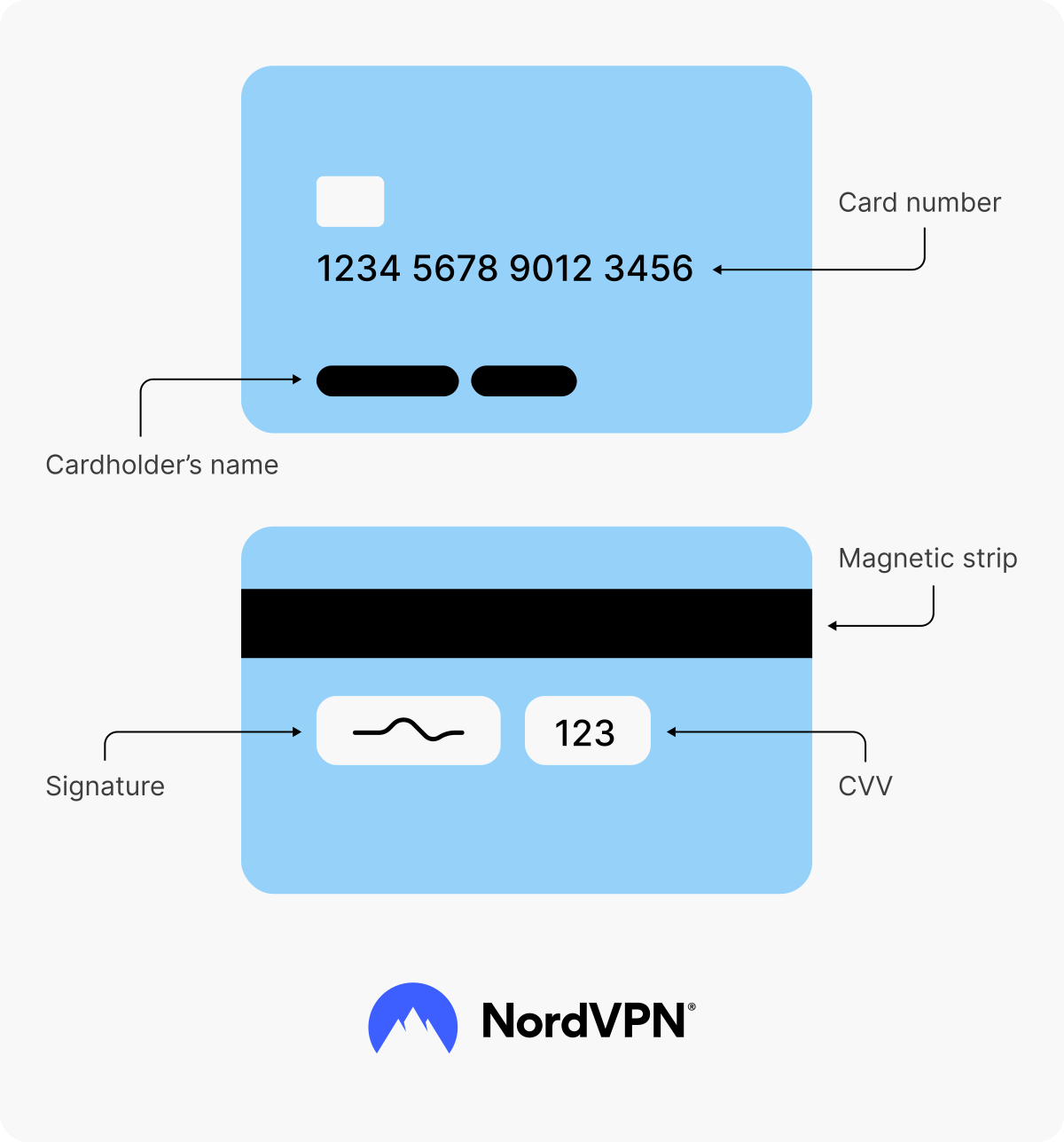
The Card Verification Value (CVV), also known by various other names depending on the card network, is a security feature implemented by credit and debit card companies to reduce fraud. It’s a short code, typically three or four digits, printed directly on your physical payment card. Unlike your account number or expiration date, which are often embossed or raised on the card and can be easily copied, the CVV is a printed code that is not embedded in the magnetic stripe or chip. This distinction is fundamental to its purpose: to verify that the person making a transaction physically possesses the card.
The Anatomy and Purpose of the CVV Number
The CVV is more than just a random sequence of digits; it’s a carefully designed security element with a specific role in preventing fraudulent activities. Its implementation is a direct response to the growing prevalence of credit card fraud, particularly in the early days of online shopping where physical card verification was impossible.
What the CVV Looks Like and Where to Find It
The appearance and location of the CVV can vary slightly depending on the card issuer and the type of card.
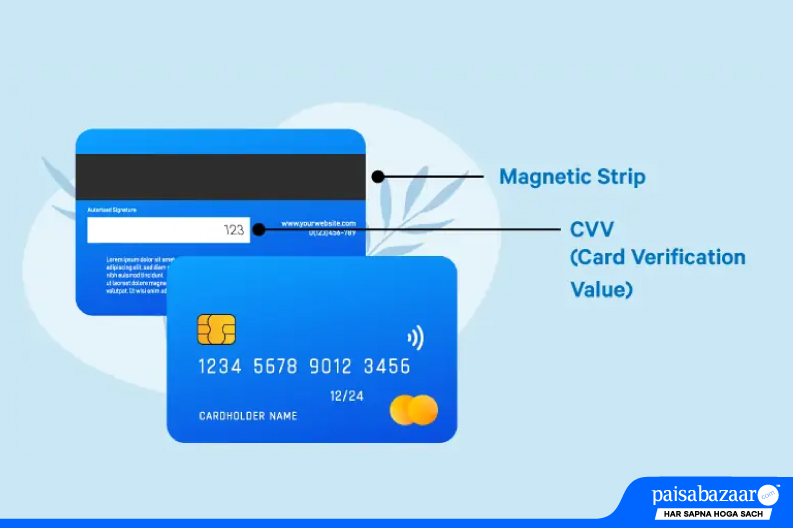
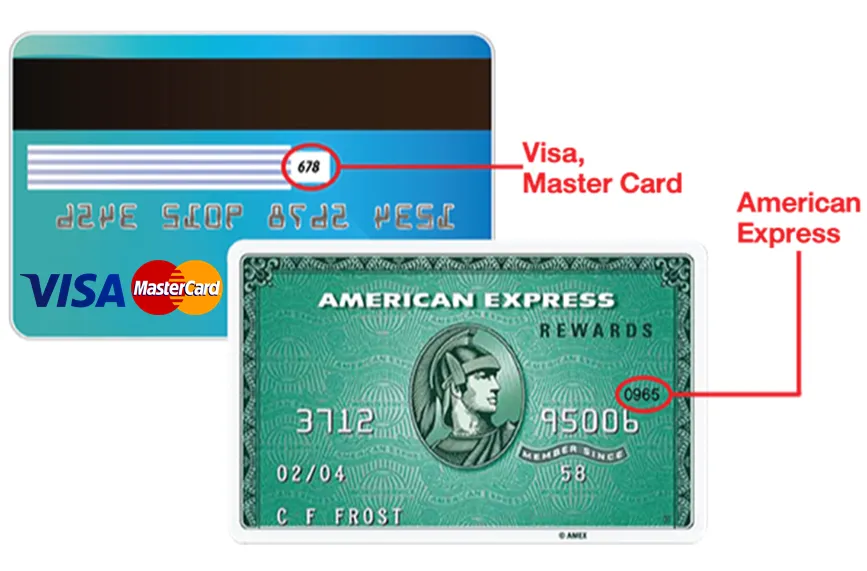
- Visa, Mastercard, and Discover: For these major card networks, the CVV is a three-digit number typically found on the back of your credit or debit card, usually in or near the signature area. You’ll often see it printed after the last four digits of your card number.
- American Express: American Express cards have a four-digit CVV, which is usually located on the front of the card, above the embossed account number, typically on the right-hand side.
It’s important to note that the CVV is never embossed or raised on the card. This is a deliberate design choice to differentiate it from other account information that might be more readily copied. The fact that it’s printed signifies that it’s a code meant to be read and entered, not swiped or read by a chip.
The “Why” Behind the CVV: Preventing Fraud in Card-Not-Present Transactions
The primary purpose of the CVV is to enhance security for transactions where the physical card is not present. These are commonly referred to as “card-not-present” (CNP) transactions, which include:
- Online Purchases: When you buy something on a website, you’ll be prompted to enter your CVV along with your card number, expiration date, and billing address.
- Telephone Orders: If you place an order over the phone, the merchant will likely ask for your CVV to verify your card.
- Mail Order Purchases: Similar to telephone orders, merchants processing mail-in orders will require the CVV.
In these scenarios, the CVV acts as a second layer of authentication. When a merchant requests your CVV, they are essentially asking you to prove that you have the physical card in your possession. If someone has obtained your card number and expiration date through other means (e.g., a data breach, phishing scams), they still wouldn’t have the CVV and therefore would be unable to complete most CNP transactions. This significantly deters criminals who try to use stolen card details online.
How CVV Numbers Work and Their Limitations
The CVV system, while effective, is not infallible. Understanding its operational mechanism and its inherent limitations is key to appreciating its role in the broader landscape of digital security.
The CVV as a Verification Token
When you enter your CVV during an online transaction, that information is transmitted to the payment processor and then to your card-issuing bank for verification. The bank checks if the provided CVV matches the one associated with your card. If there’s a match, the transaction is generally approved (assuming other checks like sufficient funds or credit limit are also met).
Crucially, the CVV is not stored by the merchant after the transaction is authorized. Payment Card Industry Data Security Standard (PCI DSS) regulations explicitly prohibit merchants from storing CVV data. This is a vital security measure designed to prevent large-scale compromises of CVV information. If a merchant’s database were to be breached, the attackers would not find the CVV numbers of past transactions, limiting their ability to commit further fraud.
Limitations of CVV Security
Despite its effectiveness, the CVV system has certain limitations that consumers and businesses need to be aware of:
- Not a Guarantee Against All Fraud: While the CVV significantly reduces fraud in CNP transactions, it’s not a foolproof solution. Sophisticated fraudsters may employ tactics to obtain the CVV, such as:
- Physical Theft: If a card is stolen, the thief will have direct access to the CVV.
- Skimming: Devices attached to point-of-sale terminals or ATMs can sometimes capture CVV data in addition to card numbers and expiration dates.
- Malware and Phishing: Deceptive software or emails can trick users into revealing their CVV, often disguised as legitimate security checks.
- Vulnerability in Some CNP Scenarios: The prohibition against storing CVVs by merchants is a critical safeguard. However, some less scrupulous or less compliant merchants might illegally store this information, or a compromise could occur during the real-time transaction process itself if the merchant’s systems are not adequately secured.
- Doesn’t Protect Against Other Compromises: The CVV is designed to verify card possession. It does not protect against identity theft, account takeovers if your online banking credentials are compromised, or fraudulent transactions where the physical card is used (e.g., in a compromised physical store).
CVV Variations and Why They Matter
The term “CVV” is widely used, but it’s important to recognize that different card networks have their own proprietary names and specifications for this security feature. Understanding these variations helps in recognizing the security codes on various cards.
Understanding Different CVV Designations
Each major credit card network has developed its own nomenclature for the CVV. While their function is essentially the same, knowing these names can prevent confusion:
- CVV (Card Verification Value): This is the term most commonly used by Visa.
- CVC (Card Verification Code): This is the term used by Mastercard.
- CID (Card Identification Number): This is the term used by American Express.
- CSC (Card Security Code): This is a general term sometimes used by Discover.
Regardless of the name, the underlying principle is identical: a printed code on the card intended to verify that the cardholder is in possession of the physical card during a transaction where the card itself is not physically present. The number of digits and the location can differ, as noted earlier (three digits on the back for Visa, Mastercard, and Discover; four digits on the front for American Express).
The Importance of Differentiating CVV Types
For consumers, the primary importance of understanding these variations is to know where to look on different cards when making online purchases. For merchants and payment processors, understanding these designations is crucial for correctly processing transactions and ensuring compliance with industry standards.
When a transaction is initiated, the payment gateway needs to know which type of verification code is being requested and how to transmit it securely for validation. The PCI DSS also mandates that systems handling these codes must be secured appropriately, regardless of the specific designation. The consistent application of security principles across these different codes ensures a relatively uniform level of protection for cardholders globally.
Best Practices for Protecting Your CVV
Your CVV is a critical piece of your payment card’s security. While card issuers and merchants implement security measures, the ultimate responsibility for protecting this information largely lies with the cardholder. Adopting strong personal security habits is paramount.
Never Share Your CVV Unnecessarily
The most fundamental rule of CVV protection is to never share it with anyone you don’t absolutely trust, and only when conducting a legitimate transaction.
- Avoid “Phishing” Attempts: Be extremely wary of unsolicited emails, text messages, or phone calls asking for your CVV. Legitimate companies will rarely, if ever, ask for this information outside of an active purchase process you initiated. If in doubt, hang up or delete the message and contact the company directly through their official website or a known customer service number.
- Don’t Write It Down Indiscriminately: While it’s on your physical card, avoid writing your CVV down elsewhere. If your card is lost or stolen, and the CVV is also compromised, the security benefit is nullified.
- Be Cautious with Online Forms: Only enter your CVV on secure websites. Look for “https” in the URL and a padlock icon in your browser’s address bar, especially on pages where you enter payment information.
Secure Your Online Environment
Your digital environment plays a significant role in safeguarding your CVV and other sensitive financial data.
- Use Strong, Unique Passwords: While not directly related to the CVV itself, strong passwords for your online accounts, including email and any online shopping profiles, prevent unauthorized access that could lead to information gathering.
- Enable Two-Factor Authentication (2FA): Where available, enabling 2FA adds an extra layer of security to your online accounts. Even if your CVV were somehow compromised, 2FA can prevent unauthorized use of that information.
- Keep Software Updated: Regularly update your operating system, web browser, and antivirus software. These updates often include security patches that protect against newly discovered vulnerabilities.
- Avoid Public Wi-Fi for Transactions: Public Wi-Fi networks can be unsecured and are often targeted by hackers. Avoid making financial transactions, including entering your CVV, when connected to public Wi-Fi. Use a trusted, secure network or your mobile data.
Regularly Monitor Your Statements
The final line of defense is vigilance. Regularly reviewing your credit and debit card statements can help you quickly identify any unauthorized transactions.
- Check Transactions Frequently: Don’t wait for your monthly statement. Many banks and credit card companies offer online portals or mobile apps that allow you to view transactions in near real-time.
- Report Suspicious Activity Immediately: If you notice any transaction you don’t recognize, contact your card issuer immediately. Prompt reporting can often lead to the reversal of fraudulent charges and help prevent further misuse of your card.
By understanding what a CVV number is, how it functions, and by actively implementing these protective measures, you significantly enhance the security of your online financial activities, allowing you to navigate the digital marketplace with greater confidence and peace of mind.
aViewFromTheCave is a participant in the Amazon Services LLC Associates Program, an affiliate advertising program designed to provide a means for sites to earn advertising fees by advertising and linking to Amazon.com. Amazon, the Amazon logo, AmazonSupply, and the AmazonSupply logo are trademarks of Amazon.com, Inc. or its affiliates. As an Amazon Associate we earn affiliate commissions from qualifying purchases.