
Cathode Ray Tube (CRT) displays represent a foundational technology in the history of visual interface technology. While largely superseded by modern flat-panel displays like LCDs and OLEDs, understanding CRTs is crucial for appreciating the evolution of computing, the principles behind display mechanics, and even for specific applications where their unique characteristics remain relevant. This article delves into the inner workings of CRT displays, their historical significance, their advantages and disadvantages, and the reasons for their gradual decline.
The Core Principles of CRT Technology
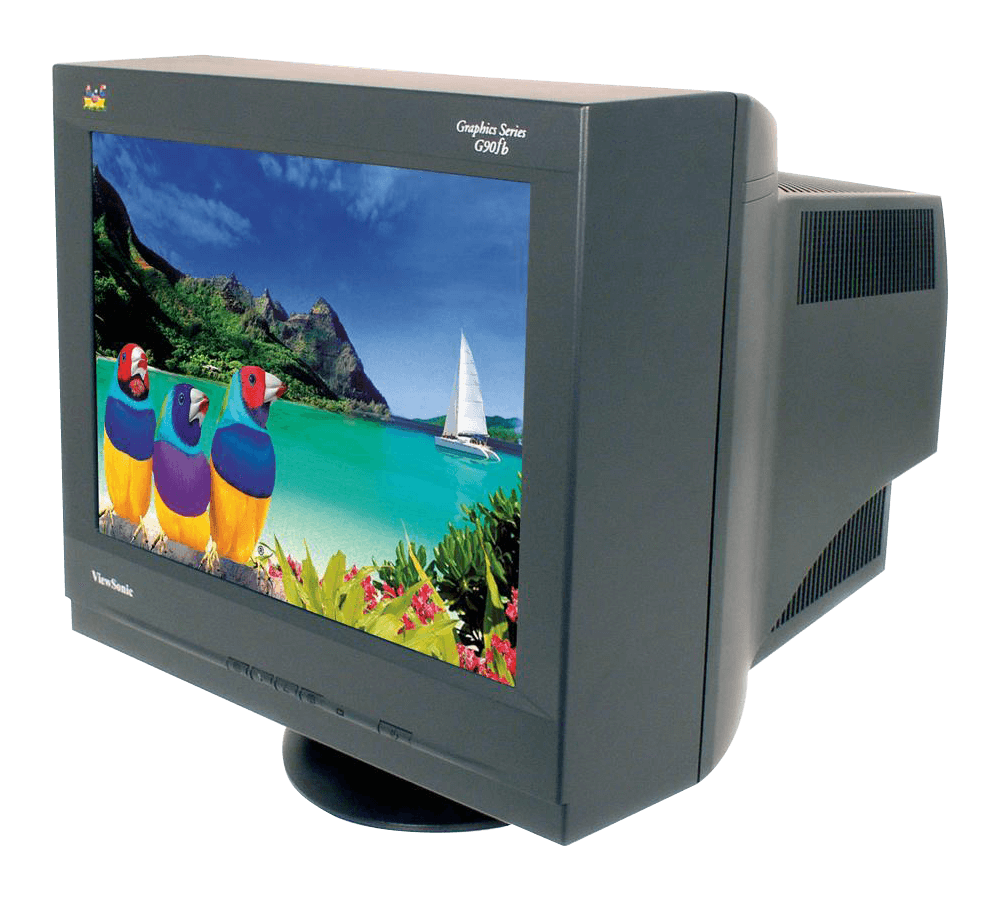
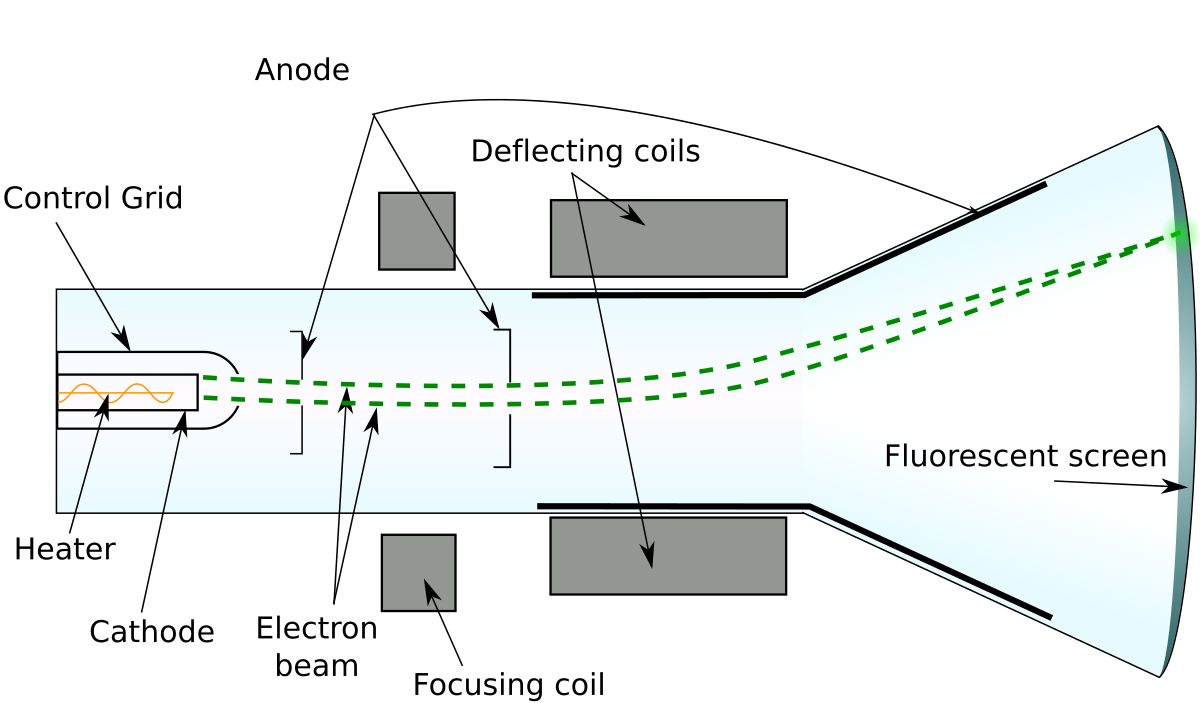
At its heart, a CRT display is a vacuum tube containing an electron gun and a phosphorescent screen. The magic happens when a beam of electrons, accelerated and steered by electromagnets, strikes the screen, causing it to emit light. This process, while seemingly simple, involves a complex interplay of physics and engineering to create the vibrant images we see on our screens.
The Electron Gun: The Source of Illumination
The journey of an image on a CRT begins with the electron gun, typically located at the rear of the tube. This component is responsible for generating and accelerating a stream of electrons. Modern CRTs often employ multiple electron guns, one for each primary color (red, green, and blue), to create a full spectrum of colors.
The electron gun consists of a heated filament (cathode) that emits electrons through thermionic emission. These electrons are then drawn towards a positively charged anode, accelerating them to high speeds. The intensity of the electron beam is controlled by a grid, which modulates the flow of electrons. A higher voltage on the grid repels more electrons, resulting in a dimmer spot on the screen, while a lower voltage allows more electrons through, creating a brighter spot.
The Deflection System: Steering the Beam
Once accelerated, the electron beam needs to be precisely directed to paint the image across the screen. This is the role of the deflection system. In most CRTs, this system comprises a set of electromagnetic coils mounted around the neck of the tube. By passing a controlled electrical current through these coils, magnetic fields are generated. These magnetic fields exert a force on the moving electrons, bending their trajectory.
The deflection coils are typically arranged in two pairs: one for horizontal deflection and one for vertical deflection. By varying the current in these coils in a precise sequence, the electron beam can be rapidly scanned across the entire surface of the screen, line by line, from top to bottom. This rapid scanning, known as raster scanning, creates the illusion of a stationary image by refreshing the screen many times per second. The frequency of this refreshing is what we refer to as the refresh rate.
The Phosphor Screen: Creating the Visible Image
The inner surface of the CRT’s glass front is coated with a layer of phosphors, tiny particles that emit light when struck by energetic electrons. Each phosphor particle is designed to glow a specific color – red, green, or blue. To achieve this color specificity, a shadow mask or aperture grille is placed just behind the phosphor-coated screen.
In shadow mask CRTs, this mask contains millions of tiny, precisely placed holes. The electron beams are directed through these holes to strike only the corresponding colored phosphor dots on the screen. In aperture grille CRTs, thin vertical wires form the grille, and the beams are aimed to strike vertical stripes of phosphors. This meticulous arrangement ensures that each electron beam excites only the intended color phosphors, resulting in the accurate reproduction of the image. When the electron beam hits a phosphor, it absorbs energy, and then re-emits this energy as visible light. The persistence of this glow, the time it takes for the phosphor to fade, influences the perceived smoothness of motion.
Historical Significance and Evolution
The CRT display has a long and distinguished lineage, dating back to the late 19th century. Its invention paved the way for television, oscilloscopes, and early computer monitors, fundamentally changing how information was consumed and interacted with.
Early Innovations and the Birth of Television
The foundational principles of the CRT were first demonstrated by scientists like Eugen Goldstein in the 1870s, who observed cathode rays, and Karl Ferdinand Braun, who developed the first cathode ray oscilloscope in 1897. However, it was the work of Philo Farnsworth and Vladimir Zworykin in the 1920s that truly propelled the CRT towards practical application. Farnsworth’s “image dissector” and Zworykin’s “kinescope” were crucial in the development of electronic television systems.
The first public demonstration of a practical television system using a CRT receiver occurred in 1927, and by the 1930s, regular broadcasts were beginning. CRTs quickly became the dominant display technology for televisions worldwide, remaining so for decades. Their ability to produce bright, high-contrast images at a relatively low cost made them accessible to millions.
The Rise of the Computer Monitor
As personal computers emerged in the latter half of the 20th century, the CRT found a new and equally significant role as the primary display device. Early computer monitors were essentially adapted televisions, but specialized designs soon followed. These monitors offered higher resolutions, faster refresh rates, and improved color accuracy compared to their broadcast counterparts, catering to the demands of computing tasks.
The evolution of CRT monitors saw significant improvements in electron gun design, deflection systems, and phosphor technology. This led to sharper images, reduced flicker, and a wider range of colors. Technologies like Trinitron from Sony introduced a more uniform color and brightness across the screen by using a single, continuous aperture grille instead of discrete shadow masks.
The Shift to Flat Panels
Despite their long reign, CRT displays faced inherent limitations. Their bulky size and weight, caused by the deep vacuum tube, became a significant disadvantage as technology progressed and space became a premium. Furthermore, their energy consumption was relatively high, and achieving very high resolutions could be challenging and expensive.
The limitations of CRTs spurred the development of alternative display technologies. Liquid Crystal Displays (LCDs) began to gain traction in the late 20th century, offering a thinner, lighter, and more energy-efficient alternative. Eventually, advancements in LCD technology, followed by the introduction of even more sophisticated displays like Organic Light-Emitting Diodes (OLEDs), led to CRTs being largely phased out of mainstream consumer electronics by the early 21st century.
Advantages and Disadvantages of CRT Displays
While now considered an older technology, CRTs possessed several distinct advantages that contributed to their widespread adoption and continued use for a significant period. However, their inherent drawbacks ultimately led to their replacement by newer technologies.
Strengths of CRT Technology
One of the most lauded advantages of CRT displays was their superior contrast ratio and black levels. Because the electron beam could be precisely turned off, CRTs could achieve true black, leading to incredibly deep and rich images with excellent detail in both bright and dark areas. This was particularly beneficial for tasks requiring precise color and contrast, such as professional photo editing and graphic design, where early LCDs struggled to match CRT performance.
Another significant strength was their response time. CRTs had near-instantaneous response times, meaning pixels could change state almost immediately. This resulted in exceptionally smooth motion with minimal or no motion blur, making them ideal for fast-paced video games and action movies. LCDs, at the time, suffered from slower pixel response times, leading to noticeable ghosting or smearing during rapid movement.
CRTs also offered wide viewing angles without significant degradation in color or brightness. Regardless of where you sat relative to the screen, the image appeared largely the same. This was not always the case with early LCDs, which could exhibit color shifts and contrast loss when viewed from off-angles.
Limitations and Drawbacks
The most significant disadvantage of CRT displays was their size and weight. The vacuum tube required a substantial depth, making CRTs bulky and heavy. This made them impractical for portable devices and difficult to mount on walls. As living spaces and workspaces became smaller, the physical footprint of CRTs became increasingly undesirable.
Power consumption was another considerable drawback. The electron gun and deflection coils required a significant amount of electricity to operate, making CRTs less energy-efficient than their modern counterparts. This translated to higher electricity bills and a larger environmental impact.
CRTs were also susceptible to image burn-in, especially if static images were displayed for extended periods. The phosphors could become permanently “burned” into the screen, leaving a faint ghost of the image. This was a common issue for users who left the same logo or menu on their screen for too long.
Finally, CRTs emitted electromagnetic radiation. While generally considered safe at typical viewing distances, concerns were raised about potential health effects, particularly with prolonged exposure. Modern flat-panel displays largely eliminate this concern.
The Legacy and Niche Applications of CRTs
Despite their decline in mainstream consumer electronics, CRT displays have left an indelible mark on the history of technology. Their legacy is evident in the foundational principles they established and in certain niche applications where their unique characteristics are still valued.
Influence on Display Technology Evolution
The innovations and engineering solutions developed for CRTs laid the groundwork for subsequent display technologies. Concepts like raster scanning, color mixing through additive primaries, and the precise control of electron beams influenced the design and development of early LCDs and other emerging display types. The pursuit of higher resolutions, faster refresh rates, and better color fidelity in CRTs directly fueled the innovation that would eventually lead to superior flat-panel displays.
Enduring Appeal in Specific Fields
While consumer-grade CRTs are now rare, specialized CRT displays continue to be used in certain professional and industrial fields. One prominent area is medical imaging, particularly in diagnostic tools like X-ray and ultrasound machines. CRTs can offer exceptionally high resolution and brightness in these applications, and the rapid response time is critical for interpreting complex dynamic images.
Professional video editing and broadcast studios also historically favored CRTs for their color accuracy and lack of motion blur. While high-end LCD and OLED monitors have largely replaced them, some older facilities or professionals who are deeply accustomed to CRT performance may still utilize them.
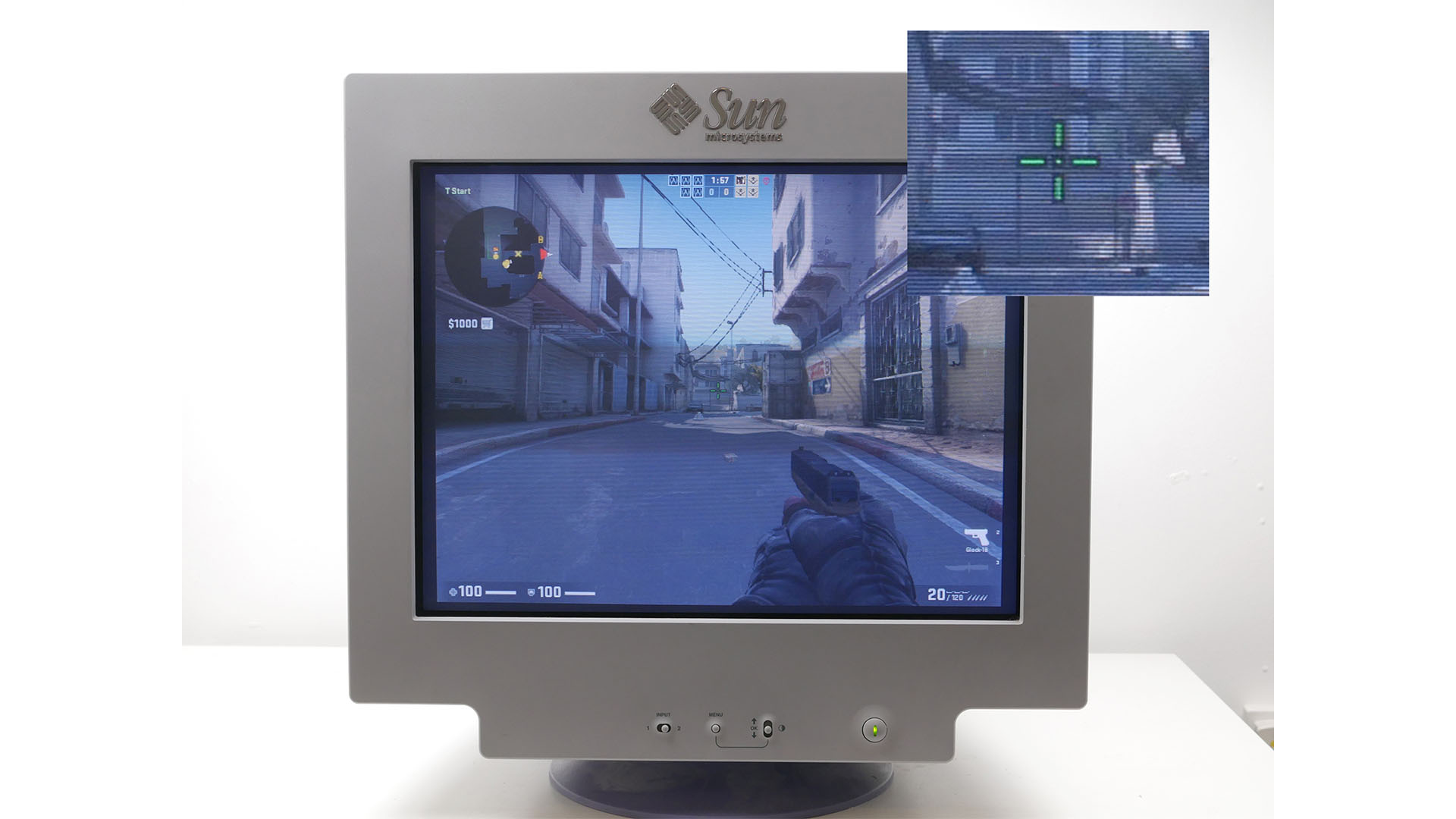
Furthermore, retro gaming enthusiasts often seek out CRT displays. The unique aesthetic and the way CRTs render pixel art and older game graphics are highly prized by this community. The characteristic scanlines, the subtle glow, and the absence of motion blur in classic games are best experienced on a CRT.
The Transition and Farewell
The transition from CRTs to flat-panel displays was a gradual but inevitable one, driven by consumer demand for thinner, lighter, and more energy-efficient devices. Manufacturers invested heavily in LCD and later OLED technologies, leading to economies of scale and rapid price reductions. As production of CRTs dwindled, their availability and support diminished, making them increasingly difficult and expensive to maintain.
Today, a CRT display is largely a relic of the past, a testament to a pivotal era in technological advancement. For most users, they have been replaced by sleeker, more capable, and more efficient flat-panel alternatives. However, understanding the inner workings and historical significance of the CRT provides invaluable insight into the journey of visual display technology and its profound impact on our digital lives.
aViewFromTheCave is a participant in the Amazon Services LLC Associates Program, an affiliate advertising program designed to provide a means for sites to earn advertising fees by advertising and linking to Amazon.com. Amazon, the Amazon logo, AmazonSupply, and the AmazonSupply logo are trademarks of Amazon.com, Inc. or its affiliates. As an Amazon Associate we earn affiliate commissions from qualifying purchases.