
In the realm of personal finance and high-stakes investing, real estate remains one of the most reliable vehicles for wealth accumulation. However, because property transactions involve significant capital, often representing the largest single expenditure in an individual’s lifetime, the legal and financial frameworks surrounding these deals are complex. At the heart of this complexity lies the “contingency.”
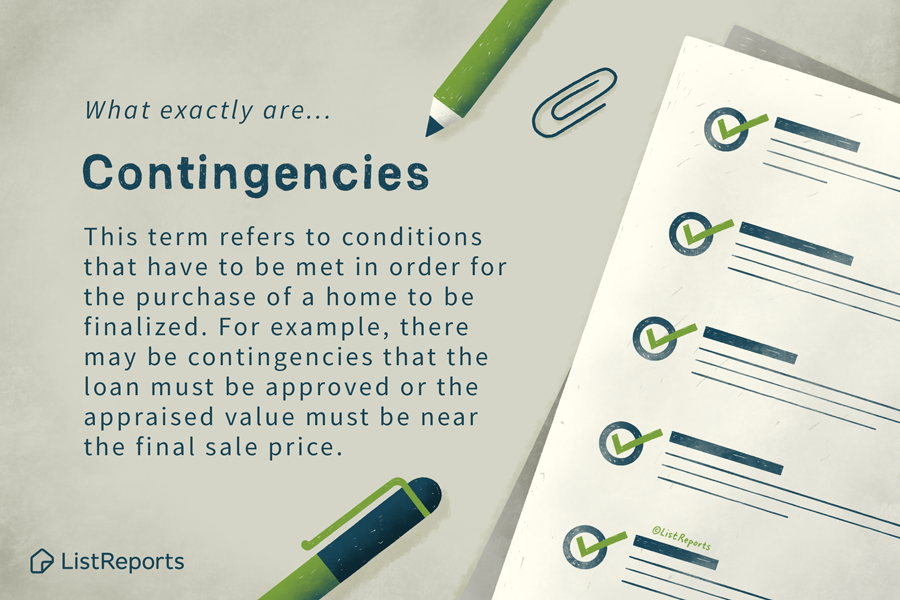
A contingency in real estate is a condition or action that must be met for a real estate contract to become binding. From a financial perspective, contingencies act as “escape hatches” or “safety nets” that allow a buyer or seller to back out of a deal without facing legal penalties or losing their earnest money deposit. Understanding these clauses is essential for anyone looking to manage their financial risk while navigating the property market.

The Financial Significance of Real Estate Contingencies
When you enter a contract to purchase an asset worth hundreds of thousands—or millions—of dollars, the margin for error is slim. Contingencies are the primary tool used to mitigate the inherent risks of property acquisition. Without these clauses, a buyer could be legally forced to complete a purchase even if the asset is damaged, overvalued, or if their financing falls through.
Protecting Your Earnest Money Deposit
When a buyer makes an offer on a home, they typically provide an “earnest money deposit” (EMD). This is a sum of money—often 1% to 3% of the purchase price—held in escrow to demonstrate the buyer’s serious intent. If a buyer backs out of a deal for a reason not covered by a contingency, they forfeit this money to the seller. In a $500,000 transaction, losing a $15,000 deposit is a significant financial blow. Contingencies ensure that if specific criteria aren’t met, the buyer can walk away with their capital intact.
Risk Mitigation in High-Stakes Transactions
Real estate is an illiquid asset. Unlike stocks, which can be sold in seconds, a property takes time to liquidate. Therefore, the entry price and the condition of the asset at the time of purchase are critical to the long-term Return on Investment (ROI). Contingencies allow investors to perform “due diligence.” This is a period of financial and physical vetting where the buyer confirms that the asset’s value aligns with the purchase price. By identifying structural issues or legal encumbrances before the deal is finalized, the investor avoids “buying a liability.”
Common Financial Contingencies Every Investor Should Know
For the average individual looking to grow their net worth through real estate, certain contingencies are standard. These clauses focus on the financial viability of the deal and the physical integrity of the asset.
The Mortgage/Financing Contingency
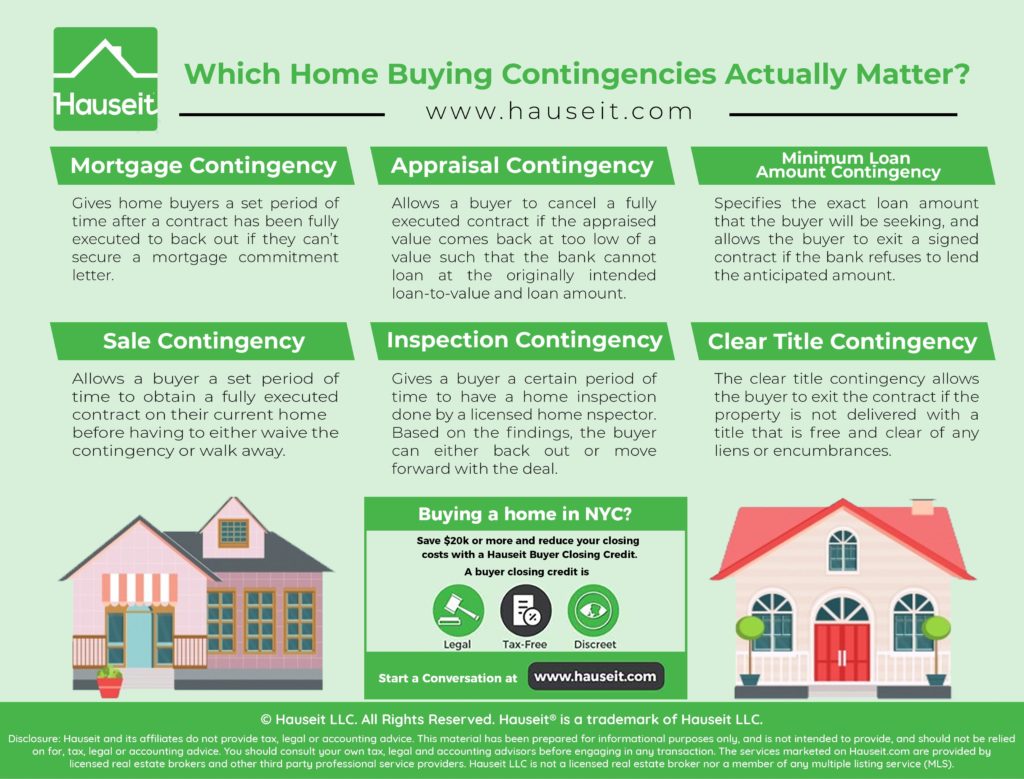
Perhaps the most critical clause for any buyer who isn’t paying in “all cash” is the financing contingency. This stipulates that the offer is dependent on the buyer securing a loan from a lender. Even if a buyer is pre-approved, a final loan approval can be denied due to changes in interest rates, a sudden shift in the buyer’s credit score, or changes in employment status.
From a money management standpoint, this contingency prevents the buyer from being sued for breach of contract if they cannot produce the funds at closing. It provides a specific window of time (usually 21 to 30 days) to secure a commitment from a bank.
The Appraisal Contingency
Lenders will not provide a loan for more than a property is worth. If you agree to buy a house for $600,000 but the bank’s appraiser values it at $550,000, there is a “$50,000 appraisal gap.” An appraisal contingency allows the buyer to back out of the deal if the property does not value at the purchase price.
This is a vital financial safeguard. Without it, the buyer would be forced to cover the $50,000 difference out of pocket (on top of their down payment) or risk losing their deposit. In a cooling market, this contingency protects the investor from overpaying for a depreciating asset.
The Inspection Contingency
While financing deals with the numbers, the inspection contingency deals with the physical asset. This clause allows the buyer to have the property professionally inspected. If the inspector finds major issues—such as a cracked foundation, mold, or a failing roof—the buyer can renegotiate the price, ask the seller to pay for repairs, or cancel the contract entirely.
For the budget-conscious investor, the inspection contingency prevents “money pits.” Unexpected repairs can decimate a homeowner’s savings or an investor’s cash flow. By identifying these costs upfront, the buyer can ensure the deal still makes financial sense.
Advanced Strategies: Using Contingencies to Safeguard Your Portfolio
As investors move beyond primary residences and into portfolio building, they often utilize more complex contingencies to manage liquidity and legal exposure.
The Home Sale Contingency
This is a common strategy for individuals who are “trading up” or diversifying their assets. A home sale contingency states that the buyer’s obligation to purchase the new property is dependent on them successfully selling their current home.
From a personal finance perspective, this prevents the buyer from being “house poor” or carrying two mortgages simultaneously. While this clause can make an offer less attractive to sellers in a hot market, it is a prudent move for those who do not have the liquid cash reserves to carry the debt of two properties at once.
Title and Zoning Contingencies
The “Title” is the legal right to ownership. A title contingency allows the buyer to review the title report to ensure there are no liens (unpaid debts), easements, or ownership disputes attached to the property. If a property has a $20,000 tax lien, the buyer would want that cleared before closing.
Similarly, zoning contingencies are crucial for commercial or “fix-and-flip” investors. If an investor buys a property with the intent to turn it into a multi-family rental, but the zoning laws prohibit it, the investment’s financial projections become worthless. A zoning contingency allows the buyer to verify that the intended use of the property is legally permitted before they are locked into the purchase.
Negotiating Contingencies in a Competitive Market
The dynamic between buyers and sellers often shifts based on the economy. In a “seller’s market,” where demand outstrips supply, many buyers feel pressured to waive contingencies to make their offers more competitive. However, from a financial advisory standpoint, waiving contingencies is a high-risk gamble.
The Hidden Cost of “Waiving” Contingencies
When a buyer waives an inspection or appraisal contingency, they are essentially taking on all the financial risk of the transaction. If the house requires $40,000 in foundation work discovered after the move-in, that is a direct hit to the buyer’s net worth.
In recent years, “as-is” sales have become common. In these scenarios, savvy investors might still keep an “inspection for informational purposes” contingency. This allows them to walk away if the repair costs exceed a certain threshold, protecting their capital while still signaling to the seller that they won’t nitpick over small repairs.
Balancing Risk vs. Reward in Bidding Wars
Smart money management involves calculating the “worst-case scenario.” Before waiving a financing contingency, a buyer must be 100% certain of their liquid cash position. If the loan is denied and the contingency was waived, the buyer loses their earnest money.
To remain competitive without sacrificing financial security, some investors use “shortened contingency periods” rather than waiving them entirely. Instead of a 17-day inspection window, they might offer a 5-day window. This provides the seller with a faster timeline while still allowing the buyer to perform essential due diligence.
Conclusion: Contingencies as a Pillar of Financial Prudence
Real estate is a powerful tool for building generational wealth, but it is not without its pitfalls. Contingencies serve as the legal and financial guardrails that keep an investment from turning into a disaster. Whether it is ensuring that the bank will provide the necessary leverage, verifying the asset’s market value, or confirming the physical integrity of the structure, these clauses are non-negotiable for the disciplined investor.
By understanding and strategically utilizing contingencies, you protect your liquidity, your credit, and your overall financial health. In the world of money, it is rarely the person who takes the most risk who wins; it is the person who best manages the risks they take. In real estate, contingencies are the ultimate risk management tool.
aViewFromTheCave is a participant in the Amazon Services LLC Associates Program, an affiliate advertising program designed to provide a means for sites to earn advertising fees by advertising and linking to Amazon.com. Amazon, the Amazon logo, AmazonSupply, and the AmazonSupply logo are trademarks of Amazon.com, Inc. or its affiliates. As an Amazon Associate we earn affiliate commissions from qualifying purchases.