
Agronomy, at its core, is the science of crop production and soil management. An agronomist, therefore, is a scientist who specializes in this field, applying their knowledge to enhance agricultural productivity, ensure sustainability, and optimize resource utilization. While the romanticized image of farming often conjures up images of hands in the soil and open fields, the reality of modern agriculture is deeply intertwined with science, technology, and data. Agronomists are the intellectual architects behind successful, efficient, and environmentally responsible farming operations. They are crucial players in addressing the global challenge of feeding a growing population while minimizing the environmental footprint of agriculture.

The Evolving Role of the Agronomist in Modern Agriculture
The profession of an agronomist has undergone a dramatic transformation over the decades. Once primarily focused on basic crop science and soil fertility, today’s agronomists are multi-faceted professionals who leverage cutting-edge technology and data analysis to inform their recommendations. This evolution is driven by the increasing complexity of agricultural systems, the demand for higher yields and quality, and the growing awareness of environmental concerns. Modern agronomists are not just plant doctors; they are strategic advisors, data interpreters, and technology implementers.
Bridging Science and Practice
At its heart, agronomy is a applied science. Agronomists take principles from various scientific disciplines – including plant physiology, soil science, genetics, entomology, and plant pathology – and translate them into practical solutions for farmers. They understand the intricate relationships between soil health, water availability, nutrient management, pest and disease control, and crop growth. Their expertise allows them to diagnose problems, predict outcomes, and develop tailored strategies to optimize crop performance. This involves a deep understanding of the specific environmental conditions of a region, the genetic potential of different crop varieties, and the economic realities faced by farmers.
The Impact of Technology on Agronomy
The advent of precision agriculture, powered by technological advancements, has revolutionized the agronomist’s toolkit. From satellite imagery and drone surveillance to advanced soil sensors and sophisticated farm management software, data is now abundant and readily accessible. Agronomists are at the forefront of interpreting this data, transforming raw information into actionable insights. They guide farmers on how to best utilize these technologies, from mapping field variability to creating variable rate application plans for fertilizers and pesticides. This data-driven approach allows for more targeted interventions, reducing waste, improving efficiency, and minimizing environmental impact.
Precision Agriculture Tools and Techniques
- Geographic Information Systems (GIS) and Remote Sensing: Agronomists utilize GIS to create detailed maps of fields, identifying variations in soil type, topography, and historical yield data. Remote sensing technologies, such as satellite and drone imagery, provide real-time information on crop health, nutrient status, and stress levels. This allows for precise identification of areas requiring attention, rather than treating entire fields uniformly.
- Soil and Water Sensors: A network of sensors can provide continuous data on soil moisture, temperature, pH, and nutrient levels. This real-time monitoring enables agronomists to make informed decisions about irrigation scheduling and nutrient application, ensuring crops receive exactly what they need, when they need it.
- Variable Rate Technology (VRT): VRT systems, guided by GIS and sensor data, allow for the precise application of inputs like fertilizers, seeds, and pesticides at varying rates across a field. This ensures that areas with lower fertility receive more nutrients, while areas with higher fertility receive less, optimizing resource allocation and reducing over-application.
- Farm Management Software (FMS): Integrated FMS platforms consolidate data from various sources, providing a holistic view of farm operations. Agronomists use these platforms to analyze historical data, track current conditions, forecast future needs, and generate reports for decision-making.
Addressing Global Challenges: Sustainability and Food Security
The role of the agronomist extends far beyond individual farm profitability; it is intrinsically linked to global sustainability and food security. As the world population continues to grow, the demand for food will escalate. Agronomists are tasked with finding innovative ways to increase food production while simultaneously reducing agriculture’s environmental impact, such as greenhouse gas emissions, water usage, and soil degradation.
Sustainable Farming Practices
- Soil Health Management: Agronomists champion practices that enhance soil health, such as cover cropping, no-till farming, and crop rotation. Healthy soils are more resilient to drought, disease, and erosion, and they require fewer synthetic inputs.
- Integrated Pest Management (IPM): IPM strategies focus on combining biological, cultural, and chemical methods to control pests and diseases, minimizing reliance on broad-spectrum pesticides. Agronomists help farmers implement IPM programs that are effective and environmentally sound.
- Water Conservation: With increasing water scarcity, agronomists are crucial in promoting efficient irrigation techniques, such as drip irrigation and precision scheduling, and recommending drought-tolerant crop varieties.
- Nutrient Management: Agronomists develop sophisticated nutrient management plans that optimize fertilizer use, reducing runoff and potential pollution of waterways. This often involves soil testing, plant tissue analysis, and the use of slow-release fertilizers.
The Skillset and Education of a Modern Agronomist
Becoming a proficient agronomist requires a strong scientific foundation, a keen analytical mind, and a practical understanding of agricultural operations. The field demands continuous learning, as scientific advancements and technological innovations are constantly emerging.
Academic Foundations
The typical educational path for an agronomist involves a Bachelor’s degree in Agronomy, Agriculture, or a related science field. Many also pursue Master’s or Doctoral degrees for specialized roles in research, development, or advanced consulting. Core coursework usually includes:
- Plant Science: Understanding plant physiology, genetics, breeding, and reproduction.
- Soil Science: Learning about soil formation, properties, fertility, and conservation.
- Entomology: Studying insects and their impact on crops, including pest identification and control.
- Plant Pathology: Understanding plant diseases, their causes, and management strategies.
- Agricultural Chemistry: Examining the role of chemicals in agriculture, including fertilizers and pesticides.
- Statistics and Data Analysis: Developing skills to interpret and analyze agricultural data.
- Ecology and Environmental Science: Understanding the ecological principles relevant to agricultural systems.
Essential Skills for Success
Beyond academic knowledge, agronomists need a diverse set of skills to excel in their roles:
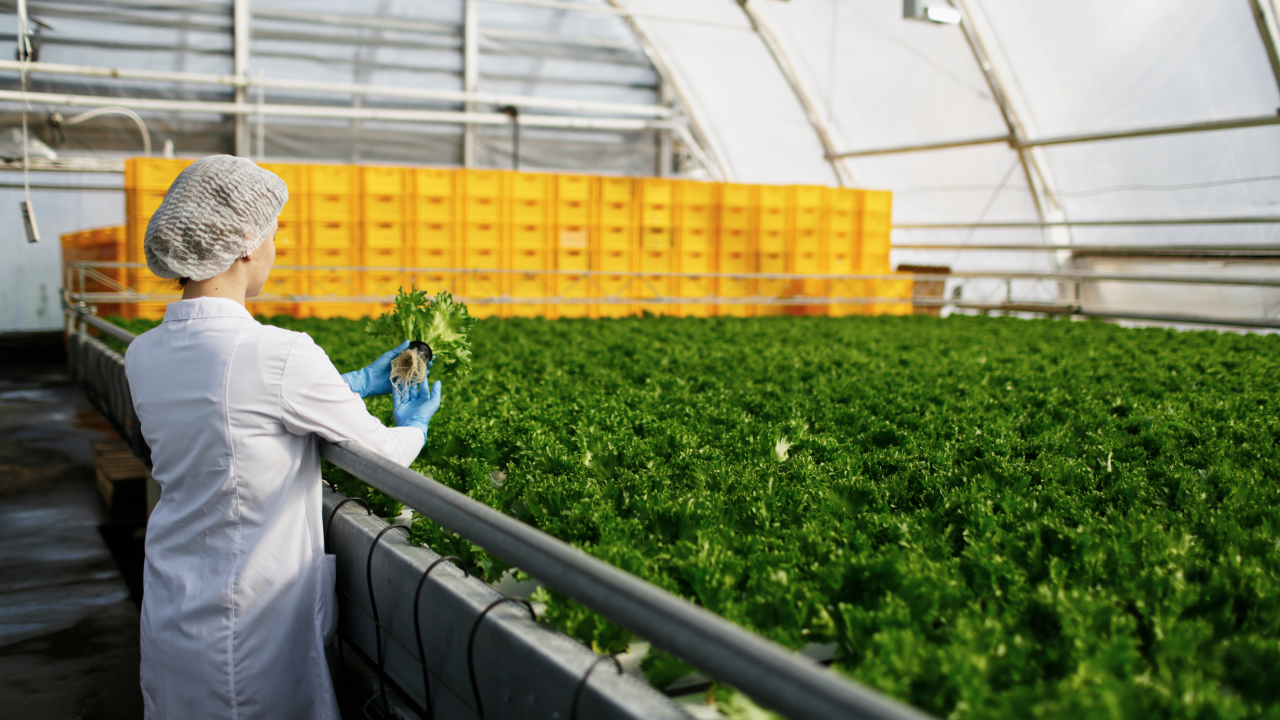
- Problem-Solving: The ability to diagnose complex issues in crop production and develop effective solutions.
- Analytical Thinking: Critically evaluating data from various sources to make informed decisions.
- Communication: Effectively conveying technical information to farmers, stakeholders, and researchers, often translating scientific jargon into practical advice.
- Technical Proficiency: Familiarity with various agricultural technologies, software, and equipment.
- Adaptability and Continuous Learning: Staying abreast of new research, technologies, and best practices in a rapidly evolving field.
- Field Experience: Practical, hands-on experience in agricultural settings is invaluable for understanding real-world challenges.
- Business Acumen: Understanding the economic aspects of farming to ensure recommendations are not only scientifically sound but also financially viable.
Career Paths and Specializations for Agronomists
The field of agronomy offers a wide array of career opportunities, catering to diverse interests and skill sets. Agronomists can work directly with farmers, conduct research, develop agricultural technologies, or contribute to policy and education.
Direct Farm Support and Consulting
Many agronomists work as crop consultants or advisors for agricultural companies and cooperatives. In these roles, they provide direct support to farmers, offering expertise on crop planning, pest and disease management, soil fertility, irrigation, and the adoption of new technologies. They act as trusted partners, helping farmers make critical decisions that impact their yields, profitability, and sustainability.
Research and Development
Agronomists are vital in research institutions, universities, and private companies focused on agricultural innovation. They conduct field trials, develop new crop varieties, investigate novel pest and disease control methods, and explore new sustainable farming techniques. This research drives progress in the agricultural sector, leading to improved crop resilience, higher yields, and reduced environmental impact.
Industry and Technology Roles
The increasing reliance on technology in agriculture has created a demand for agronomists in the technology sector. They may work for companies developing farm management software, precision agriculture equipment, or advanced analytical tools. In these roles, they bridge the gap between the technical capabilities of new products and the practical needs of farmers, ensuring that innovations are user-friendly and effective.
Government and Policy
Agronomists can also contribute to public service by working for government agencies, extension services, or non-governmental organizations. They play a role in developing agricultural policies, educating farmers on best practices, promoting sustainable land management, and addressing food security issues at local, national, and international levels.
The Future of Agronomy: Innovation and Adaptation
The future of agronomy is bright and dynamic, poised to play an even more critical role in shaping our food systems and environmental future. Several key trends are likely to define the profession in the coming years.
Data Science and Artificial Intelligence (AI)
The integration of data science and AI will continue to deepen. Agronomists will leverage sophisticated algorithms to analyze vast datasets, predict crop performance with greater accuracy, and automate decision-making processes. AI-powered tools can identify subtle patterns in crop health, optimize resource allocation in real-time, and even forecast disease outbreaks before they become widespread. This will lead to a more proactive and predictive approach to crop management.
Biotechnology and Genetic Engineering
Advancements in biotechnology, including gene editing and marker-assisted selection, will enable the development of crops that are more resilient to environmental stresses, resistant to pests and diseases, and possess enhanced nutritional profiles. Agronomists will be at the forefront of evaluating and recommending these new crop varieties, ensuring their successful integration into farming systems.
Climate Change Adaptation and Mitigation
With the increasing impacts of climate change, agronomists will be essential in developing and implementing strategies to help agriculture adapt to changing weather patterns, extreme events, and resource scarcity. This includes promoting climate-smart agriculture practices that not only enhance resilience but also mitigate agriculture’s contribution to greenhouse gas emissions.

Circular Economy Principles in Agriculture
The concept of a circular economy, where resources are reused and waste is minimized, is gaining traction in agriculture. Agronomists will explore and implement practices such as nutrient recycling from agricultural by-products, the use of biopesticides derived from natural sources, and the integration of livestock and crop production systems to create more closed-loop and sustainable agricultural models.
In conclusion, an agronomist is a vital science professional dedicated to optimizing crop production and soil management. Their role has evolved significantly, embracing technology and data-driven approaches to address the complex challenges of feeding a growing world population sustainably. From advising individual farmers to driving global research and policy, agronomists are at the forefront of ensuring a secure and environmentally sound agricultural future.
aViewFromTheCave is a participant in the Amazon Services LLC Associates Program, an affiliate advertising program designed to provide a means for sites to earn advertising fees by advertising and linking to Amazon.com. Amazon, the Amazon logo, AmazonSupply, and the AmazonSupply logo are trademarks of Amazon.com, Inc. or its affiliates. As an Amazon Associate we earn affiliate commissions from qualifying purchases.