
When historians discuss the Siege of Jerusalem in 70 AD, the narrative is typically framed through the lenses of theology, military strategy, or cultural tragedy. However, from a professional financial perspective, the fall of Jerusalem represents one of the most significant systemic economic collapses in antiquity. It was a moment where a high-liquidity, high-growth regional economy met an absolute “black swan” event, resulting in the total evaporation of wealth, the destruction of a central banking system, and a radical redistribution of capital that fueled the Roman Empire’s next building boom.
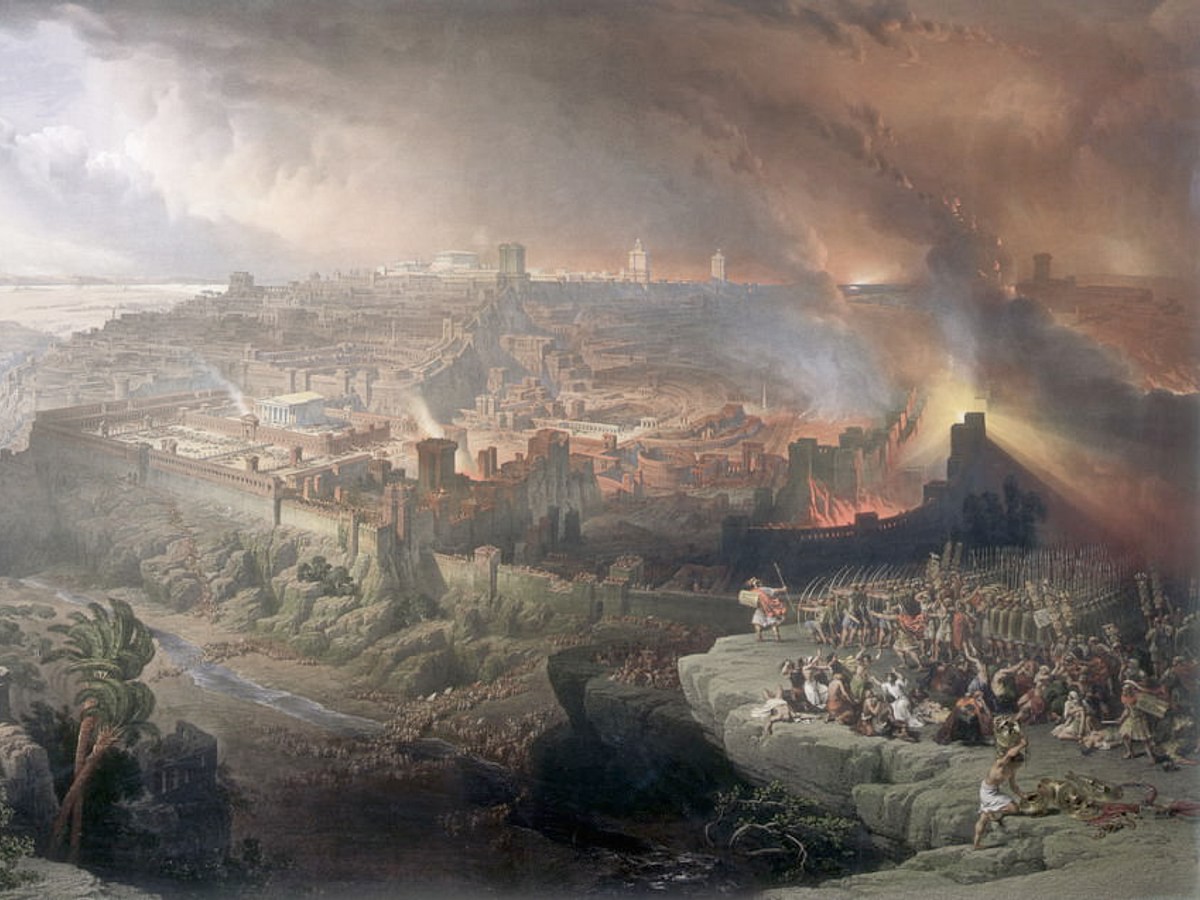
To understand what happened to Jerusalem in 70 AD is to understand the fragility of concentrated wealth and the brutal reality of jurisdictional risk. This article examines the economic mechanisms that led to the city’s financial peak, the hyperinflationary spiral during the siege, and the lasting lessons for modern asset protection and wealth management.
The Economic Engine: Jerusalem’s Financial Infrastructure Before the Siege
Before the catastrophic events of 70 AD, Jerusalem was not merely a religious center; it was a massive economic hub with a unique fiscal model. Its economy was built on a combination of religious tourism, international capital inflows, and a centralized treasury that functioned much like a modern central bank.
The Temple as the Central Bank
The Second Temple served as the fiscal heart of the Jewish world. Through the “Half-Shekel Tax,” an annual levy paid by Jewish men across the Roman Empire and the Parthian East, the city received a massive, consistent influx of hard currency. This created a surplus of liquid capital that was stored in the Temple treasury. In an era without digital ledgers, the Temple acted as a repository for private wealth, a lender for public works, and a stabilizer for the regional economy. When we look at the “market cap” of Jerusalem in 66 AD (the start of the revolt), it was arguably one of the wealthiest cities in the Eastern Mediterranean.
Trade Routes and Capital Flow
Jerusalem’s geographic position allowed it to capitalize on trade routes connecting the Mediterranean coast to the interior. The city’s economy was supported by a robust service industry—hospitality, livestock, and artisanal crafts—all geared toward the millions of pilgrims who visited annually. This “tourism-based” economy ensured that currency from every corner of the known world circulated through the city’s markets, creating a highly sophisticated foreign exchange environment.
The Siege as a Liquidity Crisis: How Wealth Evaporated in Real-Time
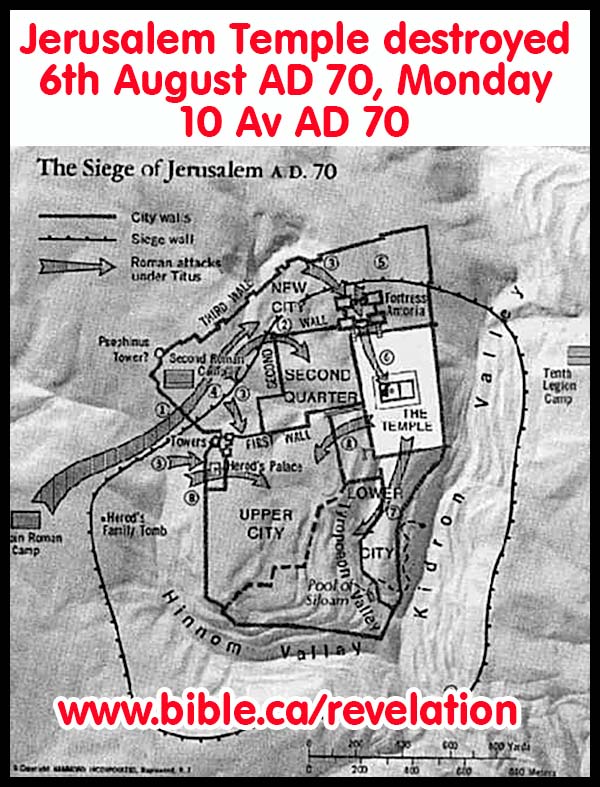
Economic stability requires the free movement of goods and the maintenance of trust in currency. The Roman siege, led by Titus, effectively placed Jerusalem in a state of total market stagnation. What followed was a masterclass in how quickly an affluent society can experience a total devaluation of assets.
Hyperinflation and the Devaluation of Currency
As the siege progressed and resources became scarce, the internal economy of Jerusalem underwent a radical shift. Traditional currency lost its purchasing power almost overnight. Reports from the era suggest that while gold and silver were still present, their value relative to “staple assets” (food and water) plummeted. In a survival economy, liquidity is redefined. A bag of gold might not buy a single loaf of bread when supply chains are severed. This period serves as a historical reminder that in extreme volatility, the “intrinsic value” of precious metals is secondary to the immediate utility of commodities.
The Failure of Physical Assets: Real Estate vs. Portability
For the wealthy elite of Jerusalem, the 70 AD crisis exposed the danger of over-leveraging in immovable assets. Those whose wealth was tied up in palatial real estate within the Upper City found their net worth reduced to zero as the Roman legions progressed. The “exit strategy” for many involved attempting to swallow gold coins to smuggle them out of the city—a desperate and often fatal attempt at capital flight. The destruction of the city’s physical infrastructure meant that centuries of accumulated real estate value were wiped out in a matter of months.
Wealth Redistribution and the Economics of Defeat
The fall of Jerusalem was not just a loss for the inhabitants; it was a massive capital injection for the Roman Empire. The “spoils of war” were so vast that they fundamentally altered the economy of Rome and the surrounding provinces.
The Spoils of War: Funding the Flavian Dynasty
The Roman treasury was in a state of depletion following the civil wars of 69 AD (the Year of the Four Emperors). The sacking of Jerusalem solved Rome’s debt crisis. The immense quantity of gold and silver looted from the Temple was so great that the price of gold in the province of Syria reportedly dropped by half. This influx of capital funded the construction of the Colosseum (the Flavian Amphitheatre), effectively turning Jerusalem’s liquidated assets into Roman infrastructure. From a business perspective, this was one of history’s most aggressive “hostile takeovers.”
The Fiscus Iudaicus: A New Tax Paradigm
Following the destruction, the Romans implemented the Fiscus Iudaicus, a punitive tax diverted from the now-destroyed Temple to the Temple of Jupiter Capitolinus in Rome. This represented a permanent shift in capital flow. Instead of wealth accumulating in a local Judean treasury, it was siphoned off to the imperial center. This institutionalized “wealth drain” ensured that the region would struggle to regain its former economic independence for centuries.
Modern Financial Lessons: Mitigating Risks in High-Volatility Environments
While the tools of finance have changed since 70 AD, the underlying principles of risk management remain the same. The fall of Jerusalem offers three critical insights for modern investors and business leaders regarding systemic collapse.
Jurisdictional Risk and Asset Diversification
The primary mistake of the Jerusalemite elite was the concentration of assets within a single, high-risk jurisdiction. When the geopolitical environment shifted, they had no “off-ramp.” Modern wealth management emphasizes jurisdictional diversification—holding assets across different legal systems and geographies—to ensure that a localized collapse does not lead to a total loss of net worth.
The Importance of Liquid Reserves in Crisis Management
In the lead-up to 70 AD, many residents held wealth in “prestige assets” rather than highly liquid, portable forms. In a crisis, liquidity is king. For a business or an individual, having a portion of one’s portfolio in assets that can be moved or liquidated instantly (such as digital assets, international currencies, or portable commodities) is the difference between surviving a market shock and being wiped out by it.
Understanding “Black Swan” Events
The total destruction of the Temple and the city was considered an unthinkable outcome by many in Jerusalem’s leadership. They underestimated the “tail risk”—the low-probability, high-impact event that destroys the entire system. In professional finance, “stress testing” a portfolio involves imagining the worst-case scenario, such as the total failure of a primary bank or the collapse of a national currency. The events of 70 AD are the ultimate historical stress test, proving that even the most established financial institutions (like the Temple treasury) can vanish under the right pressure.

Conclusion: The Legacy of a Fallen Capital
What happened to Jerusalem in 70 AD was more than a siege; it was the total liquidation of a regional economic superpower. The city’s transition from a thriving financial hub to a ruined province serves as a stark reminder of the volatility of wealth. For the Romans, it was a successful acquisition that funded a golden age of architecture. For the inhabitants of Jerusalem, it was a lesson in the dangers of centralized, non-portable wealth.
By studying these events through a financial lens, we see that the principles of “Money”—liquidity, risk, and capital flow—are the silent engines of history. Whether in the first century or the twenty-first, the ability to anticipate systemic shifts and protect assets against total loss remains the hallmark of sophisticated financial management. Jerusalem’s fall was a tragedy, but for the modern strategist, it is an enduring case study in the fragility of the status quo.
aViewFromTheCave is a participant in the Amazon Services LLC Associates Program, an affiliate advertising program designed to provide a means for sites to earn advertising fees by advertising and linking to Amazon.com. Amazon, the Amazon logo, AmazonSupply, and the AmazonSupply logo are trademarks of Amazon.com, Inc. or its affiliates. As an Amazon Associate we earn affiliate commissions from qualifying purchases.