
In the hyper-competitive world of professional sports, the question “What happened to Coco Gauff?” is rarely a query about her absence, but rather an inquiry into her evolution. Since she burst onto the international stage as a 15-year-old at Wimbledon, Gauff has occupied a unique space in the cultural zeitgeist. However, from a brand strategy perspective, the trajectory of Coco Gauff provides a masterclass in how to manage a “prodigy” identity while transitioning into a sustainable, multi-dimensional corporate powerhouse.
To understand what has happened to Coco Gauff is to understand the shift from a viral sports moment to a meticulously curated personal brand that transcends the tennis court. Her journey reflects a sophisticated blend of authentic engagement, strategic corporate partnerships, and a resilient narrative that survives the inevitable fluctuations of professional athletic performance.

The Meteoric Rise: Building a Multi-Million Dollar Personal Brand
The foundation of the Gauff brand was built on a single, seismic event: her 2019 victory over Venus Williams. In marketing terms, this was the “Initial Public Offering” of Coco Gauff. It wasn’t just a win; it was a symbolic passing of the torch that established her core brand values: youth, respect for heritage, and fearless ambition.
The Wimbledon Catalyst: Authenticity as a Core Value
At the heart of Gauff’s early branding was authenticity. Unlike many young athletes who are coached into robotic media personas, Gauff’s brand felt organic. Her reaction to her early success—characterized by a blend of teenage shock and veteran poise—created a relatable narrative. For brand strategists, this “relatability factor” is the holy grail. It allowed her to capture a Gen Z demographic that typically views traditional sports marketing with skepticism. By remaining vocal about her interests outside of tennis, from Marvel movies to social justice, she established herself as a person first and a player second.
Strategic Partnerships: New Balance and the “Coco” Signature
One of the most critical moves in her brand development was her partnership with New Balance. In an industry dominated by Nike and Adidas, Gauff’s alignment with New Balance allowed her to be the “face” of a brand rather than just one of many sponsored athletes. This was a strategic positioning move. The “Coco CG1” signature shoe launch was a pivotal moment; it signaled that her brand had reached a level of maturity where she could move merchandise based on her personal aesthetic and name recognition alone. This shifted her from a sponsored athlete to a collaborative business partner.
Navigating the “Sophomore Slump”: Brand Management During Performance Plateaus
In the years following her debut, the sports world frequently asked “what happened” whenever she failed to secure a Grand Slam title. This period was a critical test of brand resilience. In personal branding, there is a dangerous “trough of disillusionment” that occurs when the initial hype meets the reality of professional development.
The Burden of the “Next Serena” Narrative
From a corporate identity standpoint, being labeled the “Next Serena Williams” was both a blessing and a brand liability. While it provided instant prestige, it created an impossible benchmark. Gauff’s team handled this by subtly pivoting the brand narrative. Instead of chasing a ghost, they focused on “The Coco Way.” This involved leaning into her specific strengths—her defensive prowess, her speed, and her intellectual approach to the game. By differentiating her brand from Williams’, they protected her from the negative equity that comes with failing to meet someone else’s legacy.
Managing Expectations: Pivot from “Prodigy” to “Professional”
During her developmental years (ages 17–19), Gauff’s brand strategy shifted toward longevity. Her marketing team focused on her consistency—reaching quarterfinals and semifinals—rather than just the “win or bust” mentality. This is a classic brand stabilization tactic. By highlighting her steady presence in the top 10 of the WTA rankings, her team ensured that her marketability remained high even during periods without a major trophy. She became known as a “reliable” brand ambassador, someone who would always be in the mix, providing constant visibility for her sponsors like Barilla and UPS.
The US Open Breakthrough: Solidifying the Championship Identity
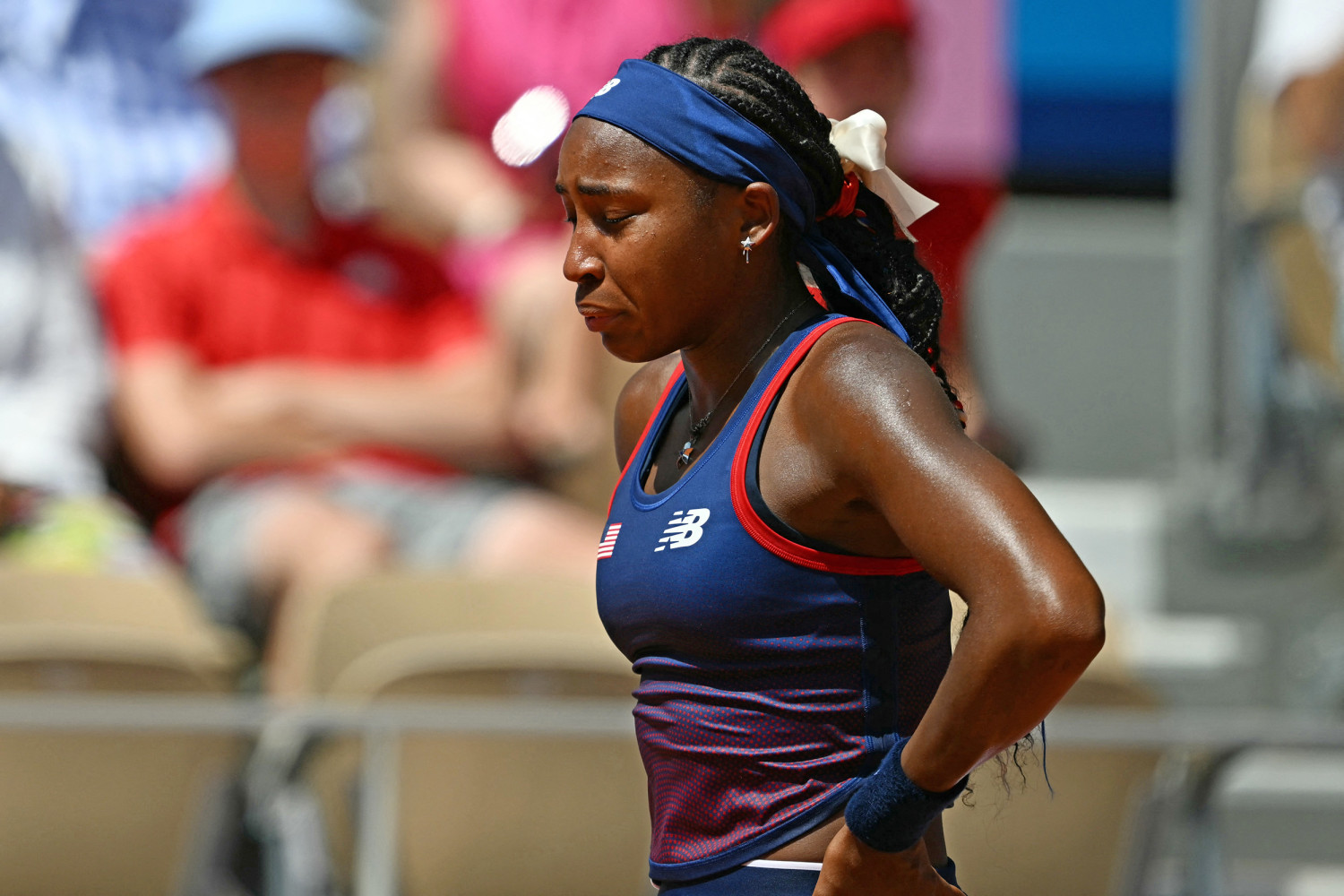
The narrative of “what happened” to Coco Gauff reached its peak in 2023. Her victory at the US Open was the “Proof of Concept” that her brand and her backers had been waiting for. It transformed her from a “promising talent” into a “proven champion,” which is a fundamental shift in market value.
From Potential to Proof of Concept
In brand strategy, “potential” is a speculative asset. “Proof” is a liquid asset. Winning a Grand Slam in New York—the media capital of the world—sent her brand equity into the stratosphere. This victory allowed her to command higher appearance fees and more lucrative endorsement terms. It also silenced the critics who questioned her forehand or her mental toughness, effectively “rebranding” her as a gritty, tactical winner. The image of her collapsing in joy on the court became the defining visual asset of her career, used across global marketing campaigns to represent the “American Dream” of the 21st century.
Expanding the Portfolio: High-End vs. Mass Market Appeal
Post-US Open, the Gauff brand began to diversify. We saw her move into high-fashion spaces, appearing in Vogue and attending the Met Gala, while simultaneously maintaining mass-market appeal through partnerships with brands like Ray-Ban and Bose. This “dual-track” branding is difficult to execute. It requires maintaining a “high-status” aura for luxury partners while remaining “down-to-earth” for consumer goods. Gauff’s ability to navigate both worlds speaks to a highly sophisticated corporate identity strategy that maximizes her earning potential across different economic sectors.
Modern Challenges: Authenticity in the Age of Social Media
As Gauff has matured, her brand has had to navigate the complexities of social media and the “always-on” nature of modern celebrity. What has happened to her brand recently is a move toward “Intentionality.”
Digital Presence and Gen Z Connection
Gauff is a digital native. Her TikTok and Instagram presence are not just PR channels; they are direct-to-consumer platforms. She uses these spaces to show the “behind-the-scenes” of her life, which builds “brand intimacy.” For a brand, intimacy leads to loyalty. When fans feel they know Coco—the girl who struggles with her hair or likes certain music—they are more likely to support her during her losses. This community-building protects her brand from the volatility of sports results.
Crisis Management and Mental Health Advocacy
The modern athlete brand must also stand for something. Gauff has integrated social advocacy and mental health awareness into her personal brand. By being open about the pressure she feels and her growth mindset, she has aligned herself with the values of modern consumers who prioritize mental well-being. This isn’t just a personal choice; it’s a strategic alignment with the “Purpose-Driven Brand” movement. Consumers today want to buy into people who reflect their own ethical and social values.
Future Outlook: The Longevity of the Gauff Brand
Looking forward, the question of “what happened to Coco Gauff” will likely shift toward her legacy and her business empire. She is no longer just a tennis player; she is a business entity with a long-term roadmap.
Beyond the Baseline: Philanthropy and Business Ventures
We are seeing the early stages of Gauff’s transition into an entrepreneur. Following the footsteps of athletes like Roger Federer and Serena Williams, Gauff is likely to move toward equity-based partnerships rather than simple endorsement deals. This means owning a piece of the companies she represents. Her brand is being built to outlast her playing days, focusing on her “Intellectual Property”—her name, her image, and her likeness (NIL)—as a permanent fixture in the sports business landscape.

Diversification of the Gauff Portfolio
As she moves into her early 20s, expect to see the Gauff brand expand into tech, wellness, and perhaps even media production. The “Gauff Brand” is currently characterized by resilience, intelligence, and crossover appeal. Whether she is winning a tournament or navigating a difficult season, the infrastructure of her brand is designed to remain profitable and influential.
In conclusion, what happened to Coco Gauff is a successful transition from a viral moment to a sustainable global brand. She has navigated the pressures of early fame, managed the expectations of a demanding public, and solidified her position as a premium brand ambassador. The story of Coco Gauff is no longer just about tennis; it is about the strategic construction of a 21st-century icon.
aViewFromTheCave is a participant in the Amazon Services LLC Associates Program, an affiliate advertising program designed to provide a means for sites to earn advertising fees by advertising and linking to Amazon.com. Amazon, the Amazon logo, AmazonSupply, and the AmazonSupply logo are trademarks of Amazon.com, Inc. or its affiliates. As an Amazon Associate we earn affiliate commissions from qualifying purchases.