
In the rapidly evolving landscape of global finance, few names carry as much weight as Coinbase. Since its inception in 2012, Coinbase has transitioned from a niche startup into a cornerstone of the modern financial ecosystem. For the individual investor, it represents more than just a software application; it is a sophisticated financial gateway that bridges the gap between traditional fiat currencies and the burgeoning world of digital assets. As we move deeper into a “cashless” and decentralized era, understanding what Coinbase is—and more importantly, how it functions as a tool for wealth management—is essential for any person looking to diversify their portfolio.
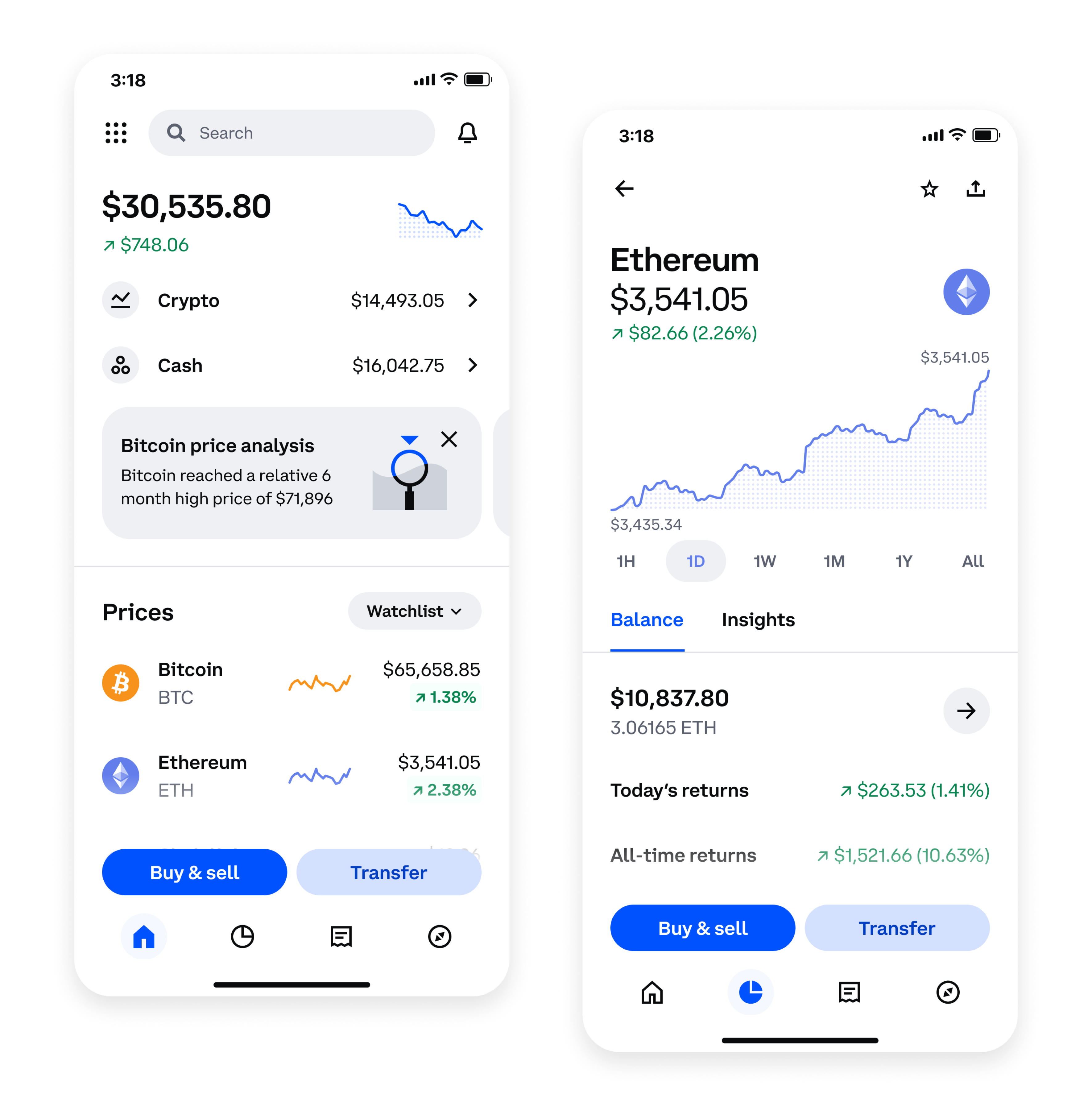
Coinbase as a Financial Entry Point: The Brokerage Model
At its core, Coinbase functions as a centralized cryptocurrency exchange and brokerage. To understand its role in the “Money” niche, one must view it through the lens of a traditional financial institution like Fidelity or Charles Schwab, albeit one that specializes in a different asset class.
The Shift from Traditional to Digital Assets
For decades, personal finance was limited to stocks, bonds, real estate, and mutual funds. The emergence of Bitcoin and Ethereum introduced a new category: digital scarcity. Coinbase was the first major platform to make these assets accessible to the average person. It effectively simplified the complex process of interacting with blockchain technology, allowing users to buy digital assets using a bank account or credit card. By providing a user-friendly interface for what was once a highly technical endeavor, Coinbase localized digital finance for the mainstream investor.
How Coinbase Functions as a Brokerage
Unlike a decentralized exchange where users trade directly with one another through smart contracts, Coinbase operates as a custodian and intermediary. When you buy Bitcoin on Coinbase, the company facilitates the trade, ensures the transaction is settled, and holds the assets on your behalf. This “custodial” model is a familiar one in the world of personal finance. It provides a layer of convenience and psychological safety, as users do not have to worry about managing their own private keys—a task that can be daunting for those new to the digital economy.
Investment Strategies: Navigating the Platform for Wealth Creation
Coinbase is not merely a place to “buy and hold.” It has developed into a robust financial platform that offers various avenues for capital appreciation and income generation. For the savvy investor, the platform offers tools that align with classic financial principles.
Dollar-Cost Averaging through Automation
One of the most effective strategies in any volatile market is Dollar-Cost Averaging (DCA). Coinbase allows users to set up recurring purchases—daily, weekly, or monthly—to mitigate the impact of price fluctuations. From a financial management perspective, this removes the emotional stress of “timing the market.” By automating the investment process, users can build their positions in digital assets over time, lowering their average cost basis and treating crypto as a long-term retirement or savings vehicle rather than a speculative gamble.
Staking and Passive Income Streams
Perhaps the most significant advancement for the “Money” niche within Coinbase is the ability to earn “yield” through staking. Certain blockchain networks, such as Ethereum and Solana, allow participants to lock up their tokens to help secure the network in exchange for rewards. Coinbase acts as a service provider in this process, taking the technical burden off the user. For the investor, this is equivalent to earning interest on a high-yield savings account or receiving dividends from a stock. In an era of fluctuating interest rates in traditional banking, the 3% to 10% APY offered on various staked assets provides a compelling alternative for income-focused portfolios.
Security and Regulation: Protecting Your Capital in a Volatile Market
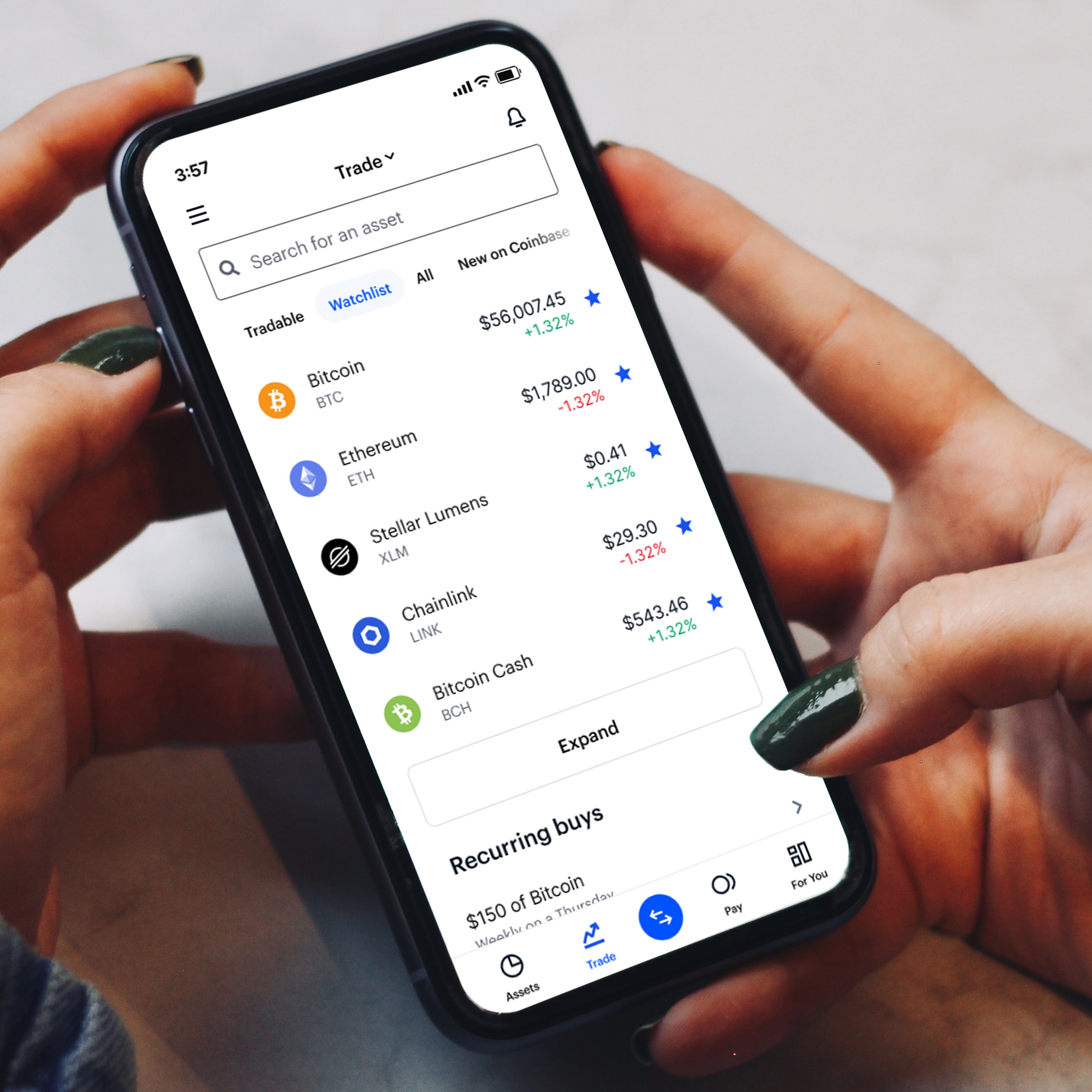
In the world of personal finance, the “how” of making money is often secondary to the “how” of keeping it. Coinbase has built its reputation—and its trillion-dollar trading volume—on a foundation of security and regulatory compliance that distinguishes it from many of its global competitors.
Institutional-Grade Security for Retail Investors
For an individual investor, the fear of “getting hacked” is a significant barrier to entry. Coinbase addresses this by employing institutional-grade security measures. This includes storing the vast majority of user assets in “cold storage”—offline vaults that are disconnected from the internet and thus immune to digital theft. Furthermore, for users in the United States, USD balances held on the platform are covered by FDIC insurance up to $250,000, mirroring the protections found in traditional banking. This level of security is vital for those treating Coinbase as a primary financial tool.
Compliance and the “Safety First” Philosophy
Coinbase is a publicly traded company on the NASDAQ (ticker: COIN). This status subjects the company to rigorous financial audits, quarterly earnings reports, and a level of transparency that is rare in the crypto industry. From a money-management perspective, this transparency reduces “platform risk.” Unlike unregulated offshore exchanges that have collapsed due to mismanagement, Coinbase’s adherence to U.S. financial regulations provides a layer of accountability. For the conservative investor, this regulatory alignment is often the deciding factor in choosing a platform for their digital wealth.
Advanced Financial Tools: Moving Beyond Simple Trading
As an investor grows in confidence, their financial needs become more complex. Coinbase has expanded its suite of products to cater to professional traders and those who wish to integrate digital assets into their daily financial lives.
Coinbase Advanced for Professional Traders
For those focused on maximizing profit margins and minimizing fees, “Coinbase Advanced” offers a more sophisticated trading environment. Unlike the standard retail app, which prioritizes ease of use, the Advanced interface provides limit orders, stop-losses, and detailed charting. For the “Money” conscious user, the most important feature here is the fee structure. Professional trading tools allow for significantly lower transaction costs, which is crucial for maintaining a healthy bottom line in a high-frequency trading environment or for large-scale portfolio rebalancing.
The Coinbase Card and Real-World Spending
A common critique of digital assets is their lack of “liquidity” for everyday purchases. Coinbase solved this with the Coinbase Card, a Visa debit card that allows users to spend their crypto or USD balances anywhere Visa is accepted. This turns a digital investment into a liquid asset. Investors can choose to pay for groceries or gas using their Bitcoin or USDC (a stablecoin pegged to the dollar), effectively bridging the gap between an investment portfolio and a checking account. This integration of spending and investing is a hallmark of the modern financial toolset.
The Future of Personal Finance: Coinbase in the Broader Economic Landscape
To understand Coinbase is to understand the future of how money moves across the globe. It is no longer just a place for “crypto enthusiasts”; it is an essential piece of infrastructure for the global financial system.
Bridging the Gap Between Fiat and Web3
The traditional financial system is often slow, expensive, and burdened by intermediaries. Coinbase is positioning itself as the primary on-ramp to “Web3″—the decentralized internet. Through the Coinbase Wallet and integration with Layer-2 networks like Base, the platform allows users to interact with decentralized finance (DeFi) protocols. This enables activities like peer-to-peer lending and borrowing without a bank. For the forward-thinking individual, this represents a shift toward financial self-sovereignty, where the user has more control over their capital and its deployment.

Risk Management and Long-Term Portfolio Diversification
Ultimately, Coinbase serves as a tool for modern portfolio theory. Financial advisors increasingly suggest that a small allocation (1% to 5%) to digital assets can improve the risk-adjusted returns of a traditional portfolio. Coinbase provides the data, the security, and the ease of access required to execute this diversification strategy. By offering educational resources—often rewarding users with small amounts of crypto for learning about new assets—the platform encourages an informed approach to money management.
In conclusion, “What is Coinbase?” is a question that can be answered simply: it is the most significant financial bridge of the 21st century. Whether you are a casual saver looking to hedge against inflation, an active trader seeking market volatility, or a long-term investor looking for yield, Coinbase offers a professional, secure, and multi-faceted environment to grow and manage your wealth. As digital assets continue to integrate into the global economy, tools like Coinbase will move from being “optional” to being a central pillar of personal financial health.
aViewFromTheCave is a participant in the Amazon Services LLC Associates Program, an affiliate advertising program designed to provide a means for sites to earn advertising fees by advertising and linking to Amazon.com. Amazon, the Amazon logo, AmazonSupply, and the AmazonSupply logo are trademarks of Amazon.com, Inc. or its affiliates. As an Amazon Associate we earn affiliate commissions from qualifying purchases.