
While many modern gamers recognize the high-collared, helmeted silhouette of Captain Falcon from the chaotic arenas of Super Smash Bros., his origins lie in a different genre entirely. To answer the question “what game is Captain Falcon from,” one must look back to the 1990 launch of the Super Nintendo Entertainment System (SNES) and the debut of F-Zero. However, the journey of Captain Falcon is not merely a trivia point in gaming history; it is a masterclass in brand strategy, character evolution, and the management of intellectual property (IP).
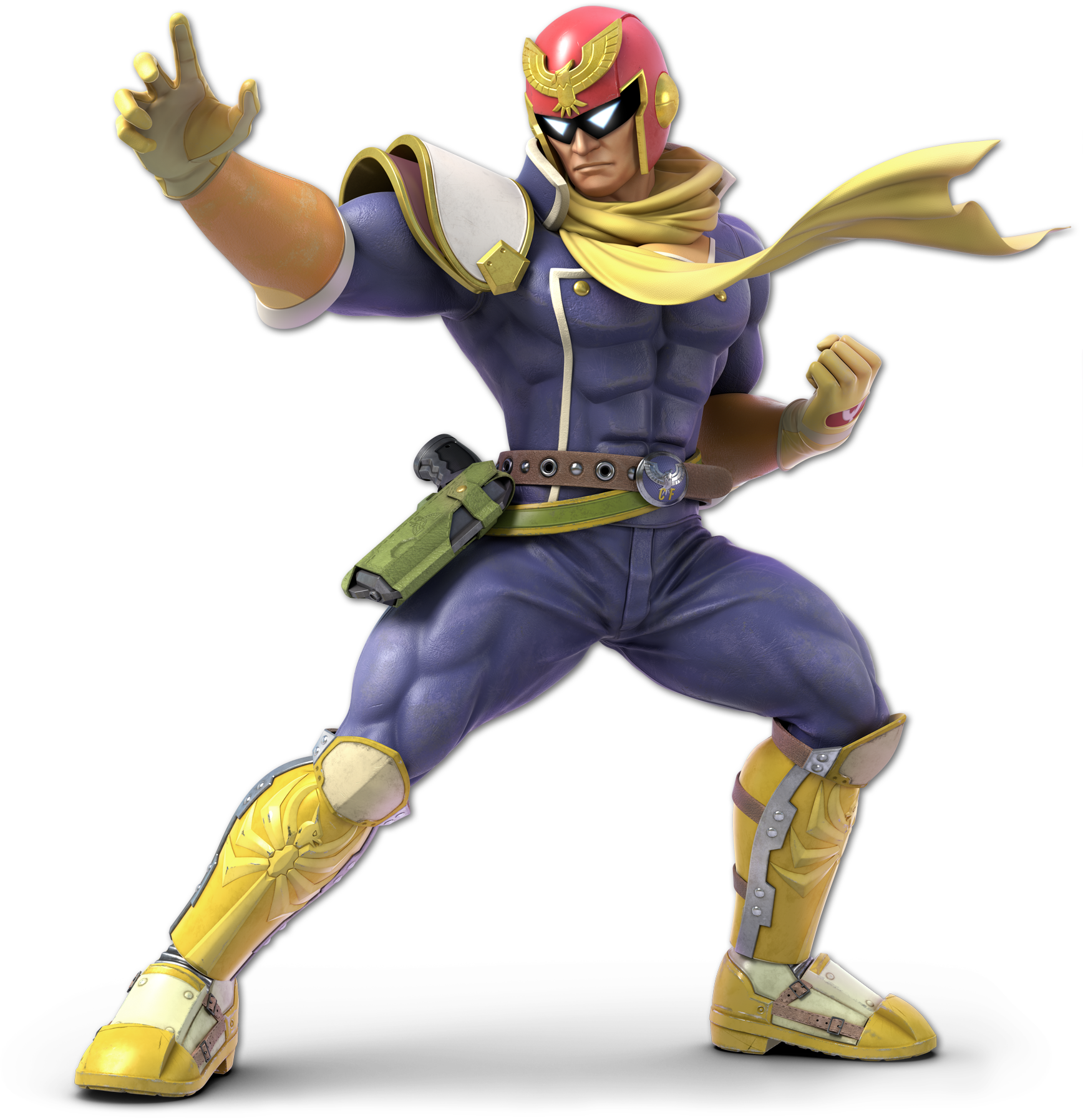
In the world of corporate identity and brand marketing, Captain Falcon represents a unique phenomenon: a character who has maintained—and even increased—his brand equity despite his original franchise remaining dormant for decades. This article explores how Nintendo built, pivoted, and preserved the Captain Falcon brand, turning a silent racing pilot into one of the most recognizable icons in digital entertainment.
The Genesis of the Brand: F-Zero and the Futuristic Aesthetic
When F-Zero launched in 1990, it wasn’t just a game; it was a technical showcase for Nintendo’s “Mode 7” scrolling technology. But technology alone doesn’t build a lasting brand. To give the high-speed racing experience a “face,” Nintendo created Captain Falcon.
Form Follows Function: Designing the Futuristic Racer
The initial branding of Captain Falcon was rooted in the “Cool” aesthetic of the late 80s and early 90s. His design—a blend of superhero tropes, bounty hunter grit, and Formula 1 sleekness—was intended to appeal to an older demographic than the colorful, whimsical world of Super Mario. By positioning Captain Falcon as a mysterious bounty hunter who moonlighted as a pilot of the “Blue Falcon,” Nintendo created a narrative hook that extended beyond the racetrack. This multi-layered identity allowed the brand to occupy a space of “aspirational heroism,” which is a cornerstone of successful character-based marketing.
The SNES Era and the Birth of High-Speed Marketing
During the 16-bit era, the F-Zero brand was synonymous with speed and the “future.” The marketing strategy for the original game focused heavily on the adrenaline and the stakes of the F-Zero Grand Prix. Captain Falcon served as the anchor for this marketing. Even though players rarely saw him outside of his vehicle or the instruction manual’s comic strips, his presence established a brand promise: intensity, precision, and victory. This early stage of brand building was crucial because it established a set of core values—speed, power, and “coolness”—that would define the character for the next thirty years.
The Smash Bros. Pivot: Mastering the Art of Brand Transference
Perhaps the most fascinating chapter in the Captain Falcon brand story is his transition from a racing pilot to a world-class martial artist. When the Super Smash Bros. series debuted in 1999, Captain Falcon was included as a hidden character. This move was a strategic pivot that fundamentally changed how the public perceived the brand.
From Pilot to Fighter: Pivoting the Brand Persona
In his original games, Captain Falcon had no defined moveset or personality beyond being a “skilled pilot.” When he was integrated into Super Smash Bros., Nintendo’s developers had to invent a fighting style for him from scratch. They leaned into his established brand values of “power” and “speed,” resulting in a high-risk, high-reward character. This transition is a perfect example of “Brand Transference,” where the core essence of a brand is moved into a completely different product category (from racing to fighting) without losing its recognizable soul.
The “Falcon Punch” and Viral Marketing avant la lettre
It is impossible to discuss the Captain Falcon brand without mentioning the “Falcon Punch.” Through the Smash Bros. series, Nintendo created a specific auditory and visual signature for the character. The exaggerated wind-up and the shouted catchphrase became more than just a game mechanic; they became a meme. In branding terms, this is known as a “distinctive brand asset.” Much like the McDonald’s jingle or Nike’s “Just Do It,” the “Falcon Punch” became a shorthand for the character’s identity, allowing him to permeate popular culture far beyond the niche of futuristic racing fans.
Visual and Auditory Brand Assets: The Power of Consistency
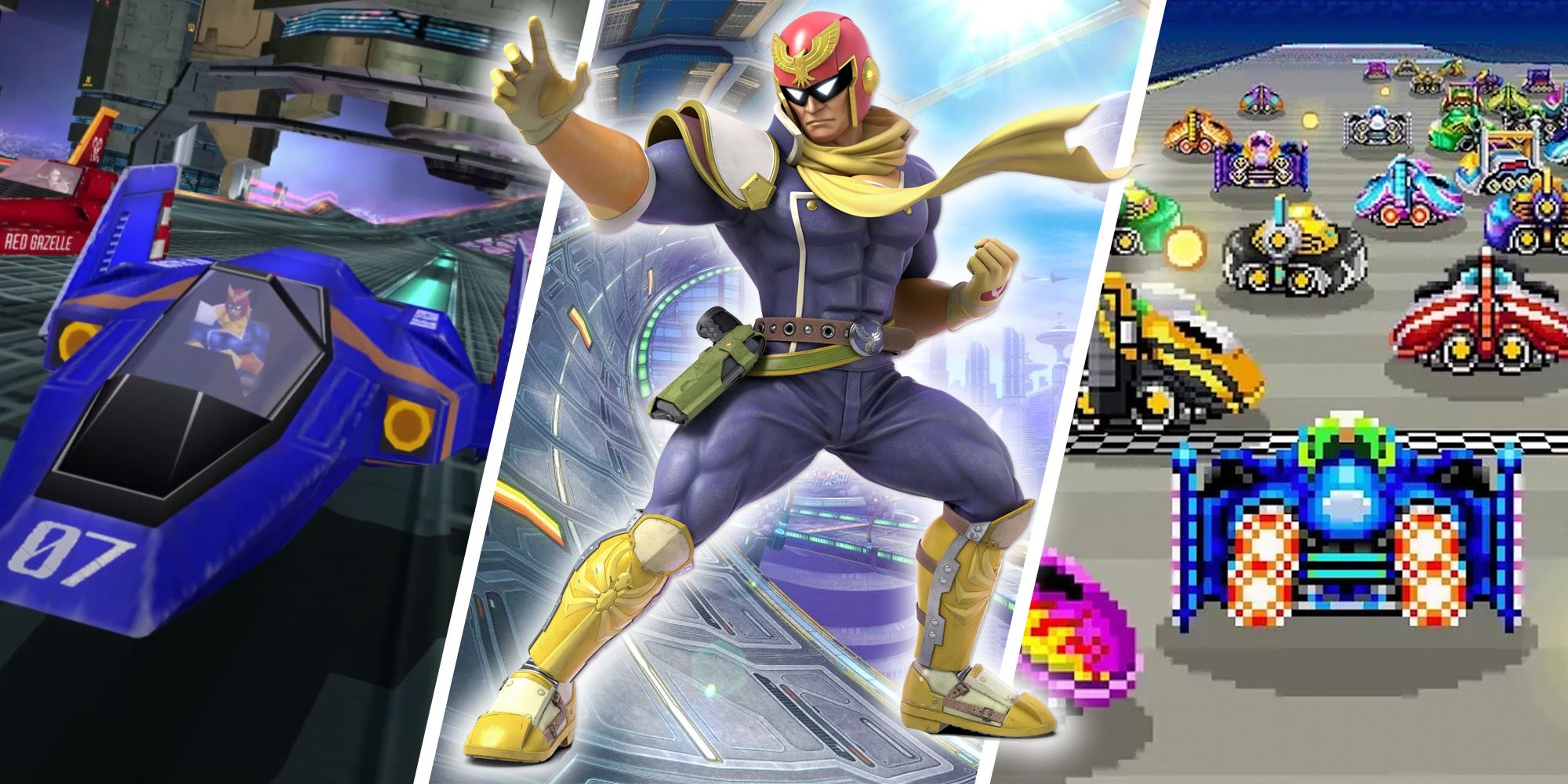
A brand is only as strong as its consistency. Despite not having a mainline F-Zero game for many years, the Captain Falcon brand has remained remarkably consistent across all guest appearances and merchandise.
Consistency in Visual and Auditory Identity
Nintendo has been meticulous in maintaining Captain Falcon’s visual identity. The blue suit, the gold eagle on the helmet, and the red scarf have remained largely unchanged since 1990. In brand management, this consistency builds “brand salience”—the degree to which a brand is thought of or noticed when a customer is in a buying or consuming situation. When a gamer sees a silhouette of a man in a racing helmet, they immediately think of Captain Falcon. This level of recognition is the ultimate goal of any corporate identity strategy.
Cross-Media Synergy: Captain Falcon in Anime and Merchandise
The brand’s reach was further extended through the anime series F-Zero: Falcon Densetsu (F-Zero: GP Legend). This expansion into different media allowed Nintendo to flesh out the character’s backstory and give him a more defined moral compass, further solidifying his “hero” brand. Additionally, the release of Captain Falcon Amiibo figures and other merchandise ensures that the physical presence of the brand remains on retail shelves and in collectors’ homes, even in the absence of new software. This multi-channel approach keeps the IP relevant and “top-of-mind” for the consumer base.
Strategic IP Management: Why the Captain Falcon Brand Endures
The most impressive feat of the Captain Falcon brand is its longevity. How does a character from a “dormant” franchise remain a fan favorite for decades? The answer lies in Nintendo’s sophisticated approach to IP portfolio management.
Maintaining Brand Equity Without Active Product Releases
Most brands wither away if they don’t release new products. However, Nintendo treats its characters as “perennial assets.” By featuring Captain Falcon in Super Smash Bros., Mario Kart 8 (via the Blue Falcon vehicle and Mii costumes), and various digital badges/stickers, Nintendo maintains his brand equity with minimal overhead. They are essentially “renting out” the character to other successful franchises to ensure he remains a household name. This strategy prevents the brand from becoming “retro” or obsolete, keeping it in a state of perpetual relevance.
The Power of Nostalgia in Corporate Identity
Nostalgia is a powerful marketing tool, and Captain Falcon is a prime recipient of “nostalgia-driven brand loyalty.” By keeping the character visible but the original game series rare, Nintendo has created a sense of scarcity. This scarcity increases the perceived value of the brand. Whenever a Nintendo Direct (a marketing broadcast) occurs, “Captain Falcon” and “F-Zero” frequently trend on social media. This organic engagement is a result of decades of careful brand stewardship, proving that a well-managed character brand can generate its own marketing momentum.
Strategic Lessons for Modern Brands: The Captain Falcon Model
The trajectory of Captain Falcon offers several key takeaways for brand strategists and marketing professionals in any industry.
1. Diversify the Brand’s Application
Captain Falcon proves that a brand does not have to be tied to its original function. If your brand’s core values are strong (speed, power, heroism), those values can be translated into different markets or products. Companies should look for opportunities for “brand transference” to keep their IP fresh.
2. Create Distinctive Brand Assets
Whether it’s a catchphrase like “Show me your moves!” or a specific color palette, having unique, repeatable assets is vital. These assets act as mental hooks that make the brand easily identifiable in a crowded marketplace.
3. Long-Term Asset Stewardship
A brand is a long-term investment. Even if a specific product line is not currently profitable, the character or identity behind it may still hold significant value. Protecting that identity through consistent appearances in other areas can pay dividends when the time is right for a brand “reboot” or a new product launch.

Conclusion
Captain Falcon is far more than a pilot from a 1990 racing game. He is a testament to the power of character branding and the strategic management of intellectual property. Through his origins in F-Zero, his evolution in Super Smash Bros., and his continued presence in the gaming zeitgeist, he has become a symbol of how a brand can transcend its original medium. For Nintendo, Captain Falcon is not just a racer; he is a valuable corporate asset that continues to drive engagement, sell merchandise, and maintain the company’s reputation for iconic, lasting imagery. As we look to the future of gaming and brand strategy, the “Blue Falcon” pilot remains a shining example of how to turn a digital sprite into a timeless legend.
aViewFromTheCave is a participant in the Amazon Services LLC Associates Program, an affiliate advertising program designed to provide a means for sites to earn advertising fees by advertising and linking to Amazon.com. Amazon, the Amazon logo, AmazonSupply, and the AmazonSupply logo are trademarks of Amazon.com, Inc. or its affiliates. As an Amazon Associate we earn affiliate commissions from qualifying purchases.