
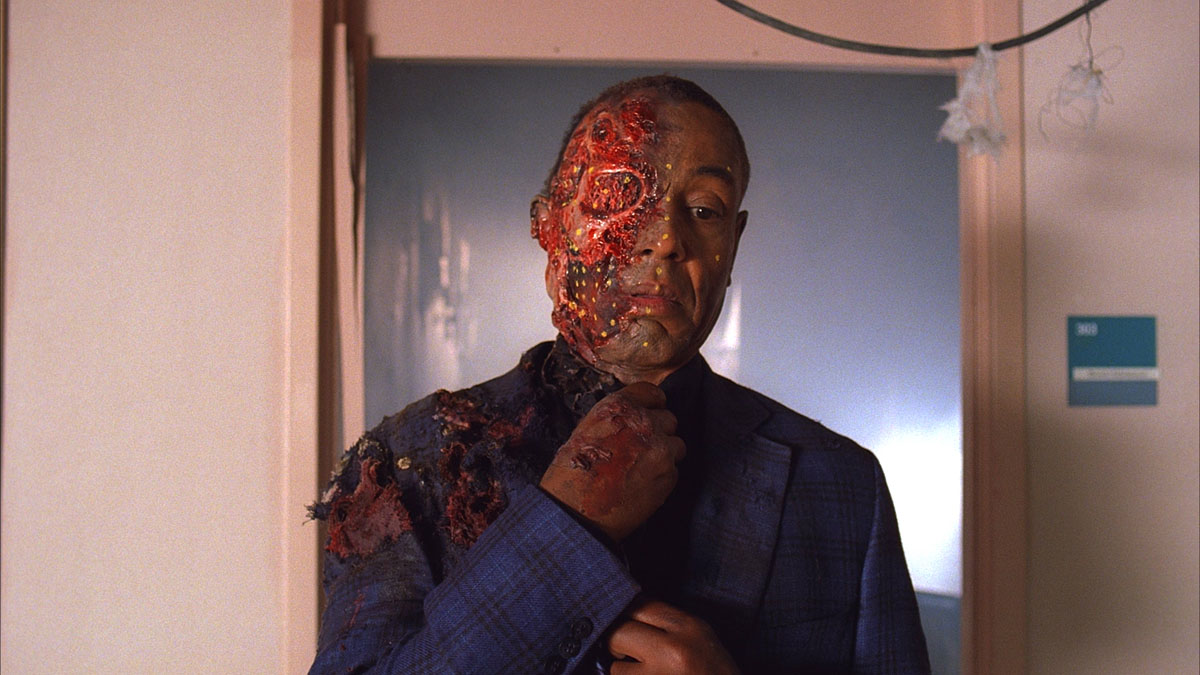
In the pantheon of television history, few moments are as visceral or narratively significant as the climax of Breaking Bad Season 4, Episode 13, titled “Face Off.” This is the episode where Gustavo Fring, the methodical and terrifyingly composed kingpin, finally meets his end. While casual viewers remember the staggering visual effects of Gus walking out of a blown-out hospital room to straighten his tie one last time, brand strategists and corporate experts see something deeper: the ultimate failure of a meticulously crafted corporate identity.
The death of Gus Fring is not merely a plot point; it is a masterclass in the rise and fall of a brand. Throughout the series, Fring represents the pinnacle of “hiding in plain sight” through brand excellence. His demise offers profound lessons in personal branding, corporate consistency, and the catastrophic risks of allowing personal vendettas to compromise a professional image.
The Architecture of the Gus Fring Brand: A Study in Duality
Gustavo Fring did not just run a drug empire; he curated a multi-layered brand ecosystem that functioned on the principle of extreme duality. To understand why his death in “Face Off” was so impactful, we must first analyze the “Public Brand” versus the “Shadow Brand.”
The Public Face of Los Pollos Hermanos
The Los Pollos Hermanos brand was built on the values of community, quality, and approachability. Gus Fring was the personification of these values. He was often seen cleaning tables, greeting customers with a polite smile, and sponsoring local law enforcement charities. This wasn’t just a cover; it was a high-performance brand strategy. By establishing a brand that was “too good to be true,” he created a shield of cognitive dissonance. People see what they expect to see, and because the Los Pollos Hermanos brand was so wholesome, the public—and even the DEA—refused to look beneath the surface.
The Shadow Brand of a Kingpin
In contrast, his illicit operations were branded with the same level of precision. Unlike his competitors, who favored chaos and intimidation, Gus branded his criminal enterprise as a logistics and chemical engineering firm. His “Shadow Brand” was built on reliability, silence, and professional standards. This duality worked because Gus maintained a strict “Brand Wall” between the two identities. The moment that wall began to crumble in Season 4, his fate was sealed.
Operational Excellence: How Consistency Built the Fring Empire
In the world of brand strategy, consistency is the foundation of trust. Whether it is the flavor of a chicken wing or the purity of a chemical product, Gus Fring understood that any deviation from the brand promise was a vulnerability.
Precision in Every Touchpoint
In the episodes leading up to his death, we see Gus obsessing over the details of his operations. From the way his employees folded their aprons to the sophisticated ventilation systems in his “Superlab,” the Fring brand was synonymous with “uncompromising standards.” In branding, this is known as operational excellence. When a brand delivers exactly what it promises every single time, it creates a “Brand Moat” that competitors find nearly impossible to cross.
The Danger of the Personal Vendetta
The tragedy of Gus Fring is that his downfall didn’t come from a failure of his corporate brand, but from a fracture in his personal brand. Gus’s personal brand was built on cold, calculated logic. However, his deep-seated need for revenge against the Salamanca family introduced an emotional variable into a logical system.
In “Face Off,” Walter White exploits this exact flaw. He realizes that Gus’s brand of “logical precision” has one blind spot: his emotional attachment to his past. By using Hector Salamanca as bait, Walt forces Gus to step out of his protected corporate shell and into a vulnerable, personal space. For a brand to survive in high-stakes environments, the leader’s personal emotions must never override the strategic goals of the organization.
The Pivot Point: Analyzing the Events of Season 4, Episode 13
When we ask “What episode of Breaking Bad does Gus die?”, we are looking at the culmination of a “Brand Crisis” that had been brewing for an entire season. “Face Off” is the final stage of a hostile takeover where the underdog brand (Walter White) successfully disrupts the market leader (Gustavo Fring).
Hector Salamanca as the Brand Weakness
In any corporate structure, there is a “Single Point of Failure.” For the Fring empire, that point was the Casa Tranquila nursing home. Despite his vast resources and security detail, Gus’s obsession with gloating over Hector Salamanca led him to visit a location he could not fully control. From a brand management perspective, this was a failure of risk assessment. Gus allowed his personal “brand story” of vengeance to dictate his physical movements, leading him directly into the trap set by Walter White.
The Visual Metaphor of the “Face Off”
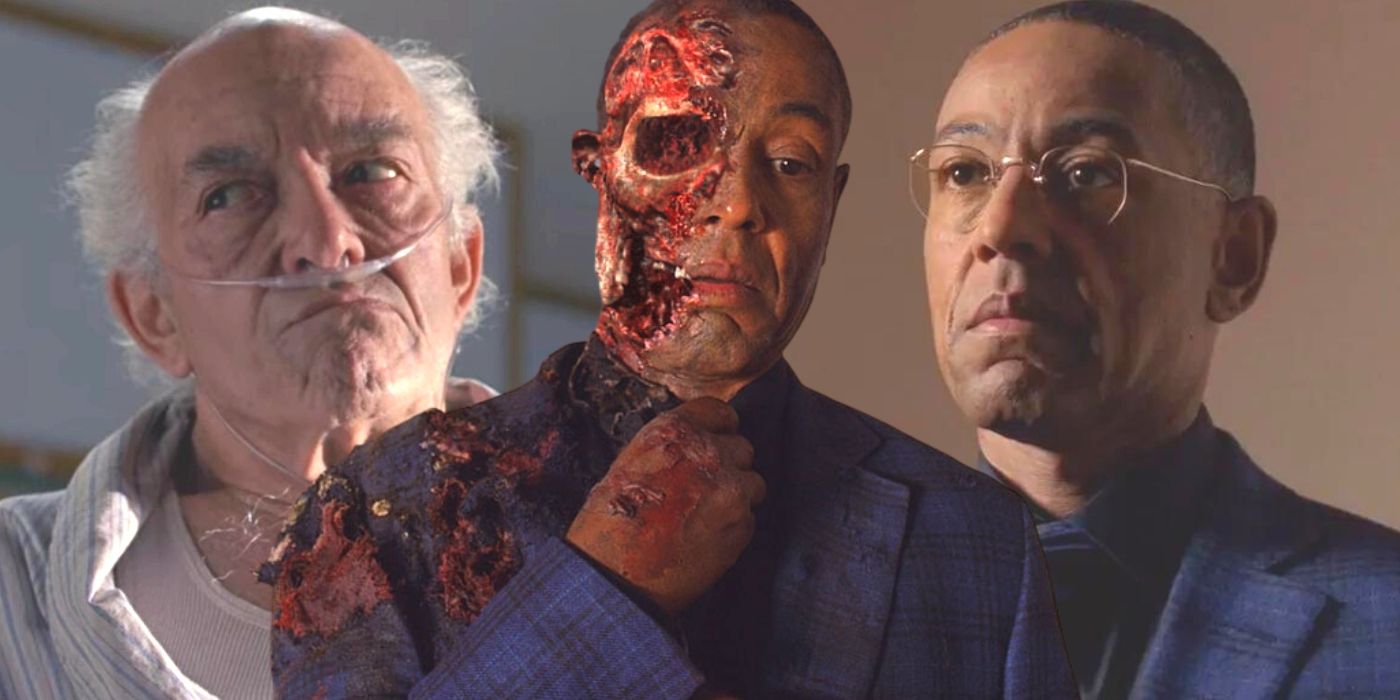
The visual of Gus Fring walking out of the room with half his face missing is one of the most iconic images in television. It serves as a literal and metaphorical “unmasking.” The “Public Brand” (the pristine, suited businessman) was literally blown away to reveal the “Shadow Brand” (the hollowed-out, cold-hearted dealer). This moment represents the ultimate Brand Exposure—the point where the secret identity is revealed, and the brand can no longer exist in its current form.
Strategic Lessons: Why Even the Strongest Brands Fail
The death of Gus Fring provides a cautionary tale for modern business leaders and brand strategists. It illustrates that no matter how sophisticated your corporate identity is, internal inconsistencies and emotional biases can lead to a total collapse.
Managing Crisis and Narrative
One of the reasons Gus failed to survive Season 4 was his inability to adapt to a “Disruptive Competitor.” Walter White did not play by the established rules of the “Brand Category.” While Gus relied on institutional power and long-term stability, Walt relied on volatility and high-risk maneuvers. In the business world, legacy brands often fail because they are too slow to react to “Agile Disruptors” who are willing to blow up the existing market structure to gain an advantage.
Building a Brand That Outlives Its Founder
Perhaps the greatest failure of the Gustavo Fring brand was its total lack of a succession plan. The brand was the man, and the man was the brand. Once Gus was removed from the equation in Episode 13, Los Pollos Hermanos and the entire distribution network collapsed almost overnight.
Sustainable brands are built on systems, not just personalities. If a brand’s value is entirely tied to the genius or the image of its founder, it is inherently fragile. A truly resilient brand strategy involves institutionalizing the values and processes so that the organization can continue to thrive even if the “Face” of the company is no longer there.

Conclusion: The Legacy of a Fallen Brand
What episode of Breaking Bad does Gus die? It happens in the Season 4 finale, “Face Off.” But the story of his death is actually the story of a brand that forgot its own core principles.
Gustavo Fring built an empire based on the idea that logic and consistency could conquer all. He created a corporate identity so perfect that it blinded his enemies for years. However, in the end, he became a victim of his own brand success. He believed in his own invincibility and allowed his personal vendettas to create a crack in his professional armor.
For professionals in the world of branding and strategy, Gus Fring’s departure serves as a reminder that a brand is only as strong as its weakest link. Whether you are managing a local fried chicken chain or a global conglomerate, the lessons of Season 4, Episode 13 remain the same: maintain your consistency, guard your “Brand Wall,” and never let your personal narrative distract you from your strategic goals. When you lose focus on the core values that built your brand, you risk a “Face Off” that you may not survive.
aViewFromTheCave is a participant in the Amazon Services LLC Associates Program, an affiliate advertising program designed to provide a means for sites to earn advertising fees by advertising and linking to Amazon.com. Amazon, the Amazon logo, AmazonSupply, and the AmazonSupply logo are trademarks of Amazon.com, Inc. or its affiliates. As an Amazon Associate we earn affiliate commissions from qualifying purchases.