
For prospective homeowners and seasoned real estate investors alike, the question of “what is the interest rate today” is more than a simple inquiry—it is a critical calculation that defines purchasing power, long-term wealth accumulation, and monthly cash flow. In the current economic climate, mortgage rates are a moving target, influenced by a delicate balance of central bank policies, inflationary pressures, and global market stability. Understanding these rates requires looking beyond the daily headlines and diving into the mechanics of personal finance and the broader economy.
Understanding the Macroeconomic Drivers of Mortgage Rates
To understand why mortgage rates are at their current levels, one must look at the invisible hands of the financial markets. Contrary to popular belief, the Federal Reserve does not set mortgage rates directly. Instead, rates are primarily influenced by the movement of the 10-year Treasury yield and the appetite of investors for mortgage-backed securities (MBS).
The Federal Reserve’s Influence and Monetary Policy
While the “Fed” doesn’t dictate mortgage percentages, its control over the federal funds rate creates a ripple effect. When the Federal Reserve raises rates to combat inflation, the cost of borrowing increases across the board. Banks find it more expensive to borrow money, and they pass those costs on to consumers. Investors also demand higher yields on mortgage-backed securities to stay competitive with other rising interest rates, which pushes mortgage rates upward.
Inflation and the Bond Market
Mortgage rates are highly sensitive to inflation. Because a mortgage is a long-term debt instrument, the “real” return for a lender is the interest rate minus the rate of inflation. If inflation is high, the purchasing power of future mortgage payments is eroded. To compensate for this risk, lenders increase interest rates. This is why mortgage rates often spike even before a central bank officially announces a rate hike; the bond market “prices in” expected inflation.
Global Economic Stability and the “Safe Haven” Effect
The United States housing market is part of a global financial ecosystem. In times of international geopolitical turmoil or economic instability abroad, investors often flock to U.S. Treasuries as a “safe haven.” This surge in demand for bonds can actually drive down yields, which in turn can lead to a temporary cooling or stabilization of mortgage rates, regardless of domestic inflation trends.
Types of Mortgage Products and Their Rate Structures
Not all mortgage rates are created equal. Depending on a borrower’s financial goals and risk tolerance, the “rate of the day” can vary significantly based on the structure of the loan.
Fixed-Rate Mortgages: The 30-Year vs. 15-Year Standard
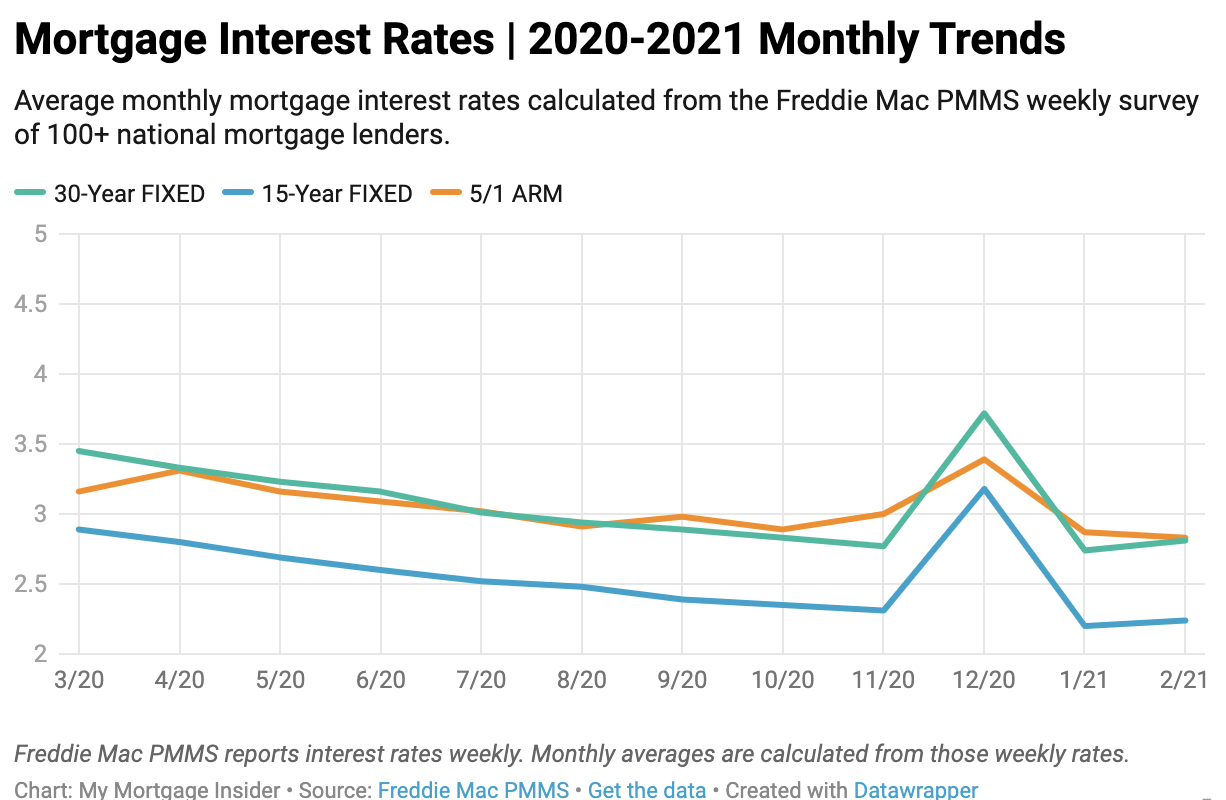
The 30-year fixed-rate mortgage remains the gold standard for American homeowners, offering the lowest monthly payment and the most stability. However, the 15-year fixed-rate mortgage typically carries a significantly lower interest rate—often 0.5% to 1% lower than its 30-year counterpart. While the monthly payments are higher due to the shorter amortization period, the total interest paid over the life of the loan is drastically reduced, making it a powerful tool for rapid equity building.
Adjustable-Rate Mortgages (ARMs): Calculating the Risk
Adjustable-Rate Mortgages offer an initial “teaser” period—usually 5, 7, or 10 years—where the interest rate is lower than a standard fixed-rate loan. After this period, the rate adjusts annually based on a specific index (like the SOFR). In a high-rate environment, ARMs can be enticing for those who plan to sell or refinance within a few years. However, they carry the inherent risk of payment shock if market rates are significantly higher at the time of adjustment.
Specialized Loan Programs: FHA, VA, and USDA
Government-backed loans often feature interest rates that are competitive with or lower than conventional loans, primarily because the government insures the lender against loss.
- FHA Loans: Ideal for those with lower credit scores or smaller down payments.
- VA Loans: Offered to veterans and active-duty service members, these often feature the lowest rates on the market with no down payment requirement.
- USDA Loans: Targeted at rural development, offering unique rate structures for qualifying low-to-moderate-income buyers.
Factors Influencing Your Personalized Mortgage Rate
The “national average” mortgage rate is a benchmark, but the rate a lender quotes an individual is highly personalized. Several key financial metrics determine where a borrower falls on the spectrum of available rates.

The Critical Role of Credit Scores
In the eyes of a lender, a credit score is a proxy for risk. Borrowers with “Excellent” credit (typically 740 to 800+) are eligible for the lowest advertised rates. Conversely, a borrower with a score in the 620–660 range may face a “rate premium,” potentially paying 1% or more above the prime rate. Over the life of a 30-year loan, this seemingly small difference in interest can result in tens of thousands of dollars in extra costs.
Loan-to-Value (LTV) Ratio and Down Payments
The amount of “skin in the game” a borrower has significantly impacts the interest rate. A higher down payment (leading to a lower LTV ratio) reduces the lender’s risk. If a borrower can provide a 20% down payment, they not only avoid Private Mortgage Insurance (PMI) but also typically secure a more favorable interest rate tier compared to a borrower putting down the minimum 3% or 5%.
Debt-to-Income (DTI) Ratios and Financial Health
Lenders analyze the Debt-to-Income ratio to ensure the borrower isn’t overextended. A DTI below 36% is generally considered ideal. While a higher DTI might not always disqualify a borrower, it can lead to a higher interest rate as the lender hedges against the increased possibility of default.
Strategies to Secure the Best Possible Rate Today
Securing a mortgage is a major financial transaction that requires a proactive strategy. Waiting for rates to “bottom out” is often a losing game of market timing, but there are concrete steps to optimize the rate you receive.
The Importance of Rate Locking
Because mortgage rates can fluctuate multiple times within a single business day, “rate locking” is an essential tool. Once a borrower finds a rate they are comfortable with, they can lock it in for a set period (usually 30, 45, or 60 days) while the loan goes through the underwriting process. This protects the borrower from sudden market spikes during the closing period.
Buying Down the Rate with Discount Points
Borrowers have the option to pay “points” at closing to permanently lower their interest rate. One point typically costs 1% of the total loan amount and reduces the interest rate by approximately 0.25%. This is a “break-even” calculation: if the borrower intends to stay in the home long enough for the monthly savings to exceed the upfront cost of the points, it is a wise financial investment.
Shopping Multiple Lenders and Comparing LEs
Interest rates are not uniform across the industry. Credit unions, national banks, and independent mortgage brokers all have different overhead costs and risk appetites. To find the best rate, a borrower should obtain a “Loan Estimate” (LE) from at least three different sources. The competition often encourages lenders to offer more aggressive pricing or to match a competitor’s lower rate.
The Long-term Impact of Interest Rates on Wealth Creation
While the immediate focus of mortgage rates is often the monthly payment, the long-term implications for personal finance are profound. The interest rate dictates the speed at which a homeowner builds equity and the total cost of ownership.
Amortization and the Cost of Borrowing
A high interest rate front-loads the interest payments in the early years of a mortgage. On a $400,000 loan, the difference between a 4% rate and a 7% rate isn’t just a few hundred dollars a month; it is a difference of hundreds of thousands of dollars in total interest over thirty years. Understanding the amortization schedule helps homeowners see how much of each payment is actually building their net worth versus paying the bank.
Opportunity Cost and Investment Diversification
In a low-rate environment, it often makes sense to carry a mortgage and invest extra cash in the stock market, where returns might exceed the cost of the debt. However, when mortgage rates are high, the “guaranteed return” of paying down a mortgage or making a larger down payment becomes more attractive. Homeowners must balance the desire for a debt-free lifestyle with the opportunity cost of not having that capital in diversified investment portfolios.
The “Marry the House, Date the Rate” Philosophy
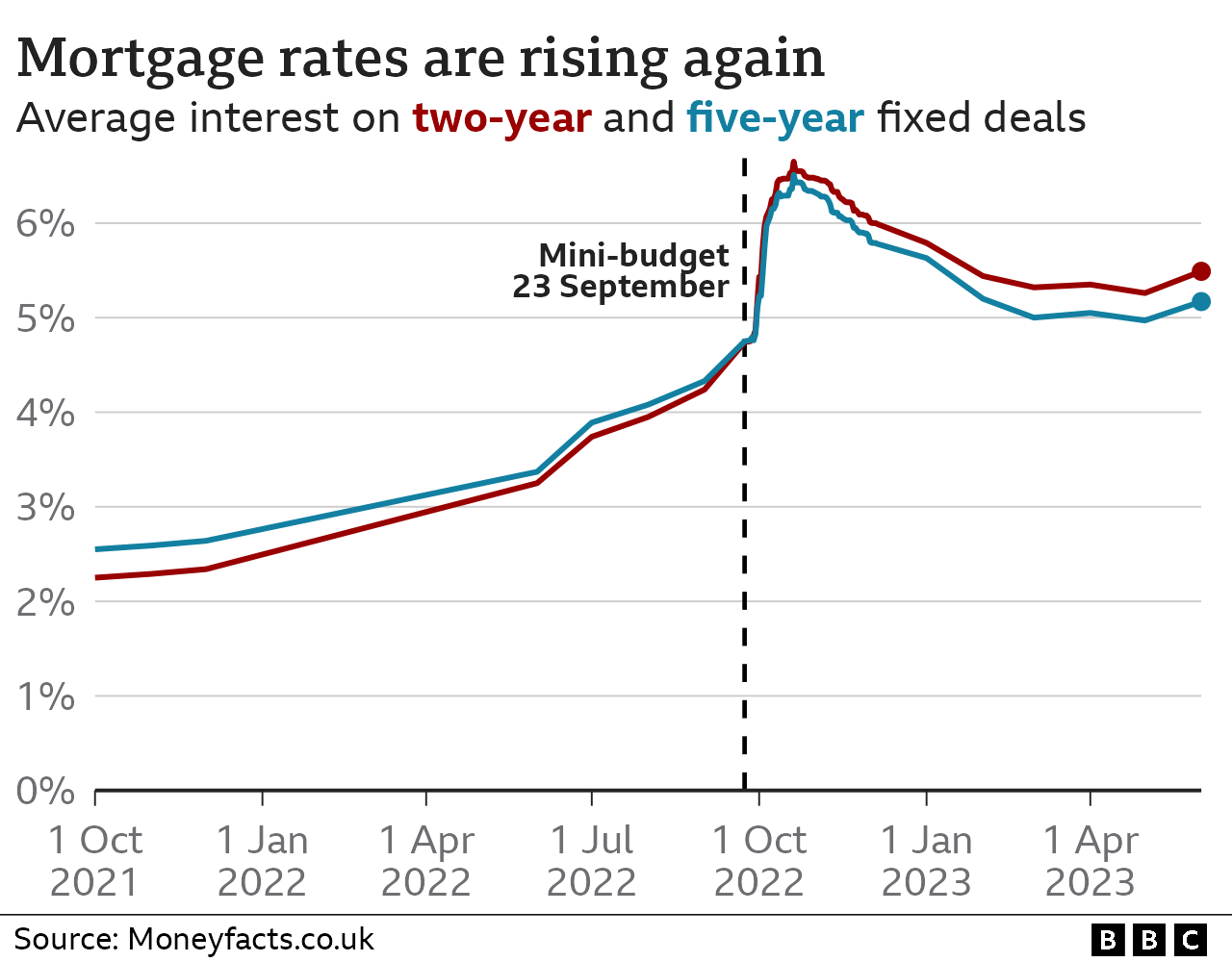
A common phrase in the current real estate market is “marry the house, date the rate.” This suggests that if you find the right property, you should purchase it even at a higher rate, with the intention of refinancing when rates eventually drop. While this can be a viable strategy, it requires a solid financial foundation. A borrower must ensure they can comfortably afford the current rate indefinitely, as there is no guarantee of when—or if—rates will return to historic lows.
In conclusion, the interest rate for mortgages today is a reflection of a complex global economy, but its impact is deeply personal. By understanding the factors that drive these rates and optimizing their own financial profiles, borrowers can navigate the market with confidence, securing a home while protecting their long-term financial health.
aViewFromTheCave is a participant in the Amazon Services LLC Associates Program, an affiliate advertising program designed to provide a means for sites to earn advertising fees by advertising and linking to Amazon.com. Amazon, the Amazon logo, AmazonSupply, and the AmazonSupply logo are trademarks of Amazon.com, Inc. or its affiliates. As an Amazon Associate we earn affiliate commissions from qualifying purchases.