
The Ukrainian flag is a powerful visual emblem, instantly recognizable and deeply resonant with the nation’s history, culture, and aspirations. More than just a simple arrangement of colors, it is a testament to Ukraine’s rich heritage and its enduring spirit. While its appearance is straightforward – two horizontal bands of equal width, the top one azure blue and the bottom one golden yellow – the significance woven into this design is profound. Understanding the Ukrainian flag requires delving into its symbolic meaning, its historical evolution, and its modern-day resonance as a symbol of national identity and resilience.
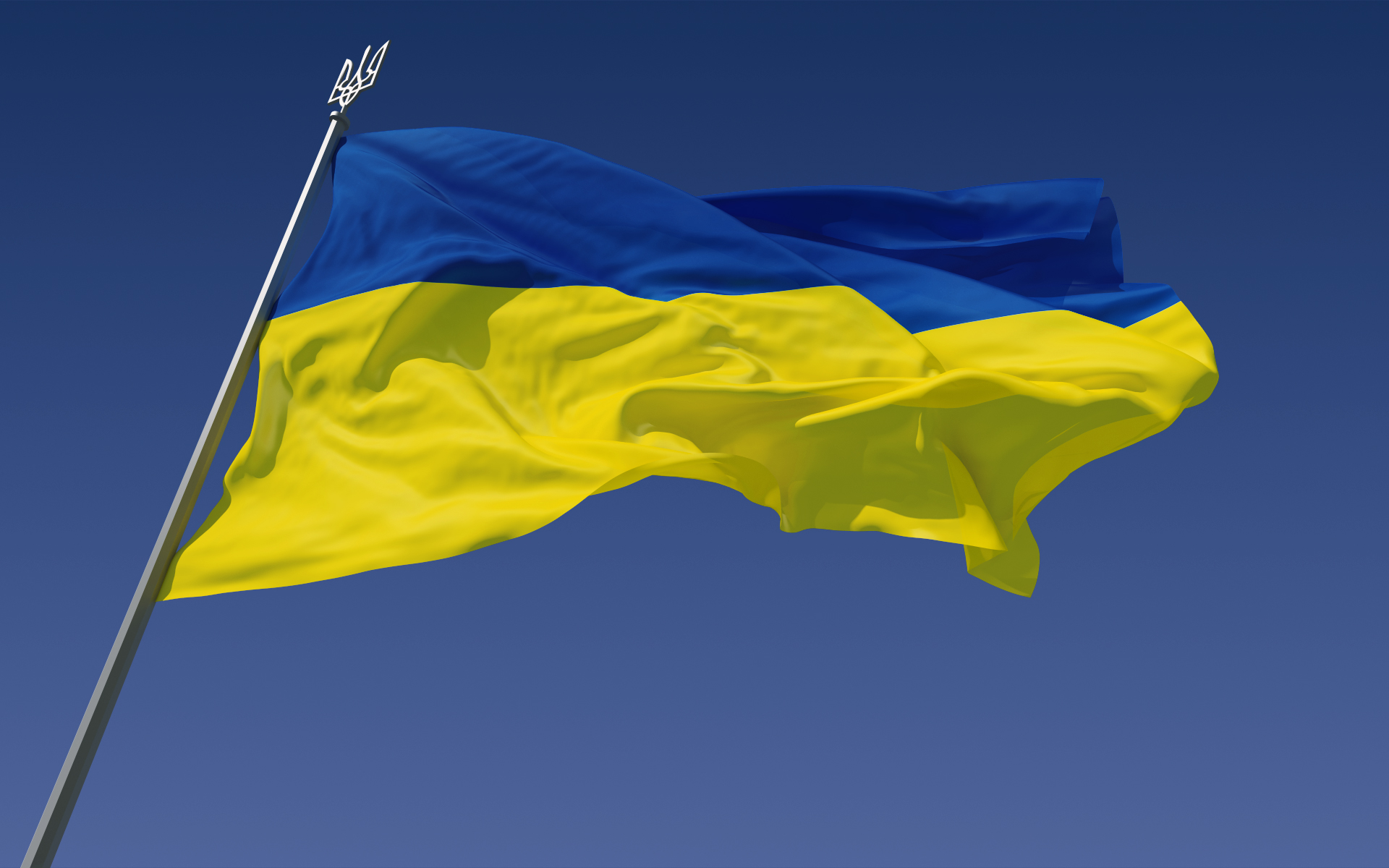
This article aims to explore the visual and symbolic dimensions of the Ukrainian flag. We will dissect the meaning behind its iconic blue and yellow hues, trace its historical journey from ancient origins to its modern iteration, and examine how its design has become an internationally recognized symbol of Ukrainian sovereignty and the ongoing struggle for freedom.
The Hues of Hope and Harvest: Unpacking the Symbolic Meaning of the Ukrainian Flag
The simplicity of the Ukrainian flag belies the depth of meaning embedded within its two distinct colors. The azure blue and golden yellow are not arbitrary choices; they are deeply rooted in the Ukrainian landscape and its historical narrative, evoking powerful imagery and sentiments.
The Azure Sky: A Symbol of Peace and Serenity
The top band of the Ukrainian flag is a vibrant azure blue. This color is widely interpreted as representing the clear, boundless sky that stretches over Ukraine. In many cultures, blue is associated with peace, serenity, and stability. For Ukraine, a nation that has experienced periods of significant conflict and upheaval, the blue sky serves as a potent symbol of peace, a cherished aspiration for its people. It evokes a sense of vastness and openness, mirroring the country’s own geographic expanse and its yearning for an unhindered future.
Beyond its association with peace, the blue can also symbolize the Dnieper River, a vital artery flowing through the heart of Ukraine, or the vast, tranquil waters of its seas. The clarity and depth of the blue are meant to convey a sense of calm and assurance, a visual representation of the nation’s desire for a peaceful existence and a stable environment for its citizens. It speaks to the inherent beauty of Ukraine’s natural environment, a source of pride and connection for its people.
The Golden Fields: Representing Prosperity and the Breadbasket of Europe
The bottom band of the Ukrainian flag is a rich golden yellow. This color is almost universally understood to represent the golden wheat fields that have historically defined Ukraine’s agricultural prowess. Ukraine is renowned as the “breadbasket of Europe,” with its fertile black earth (chornozem) yielding abundant harvests of wheat, barley, and other grains. The golden yellow, therefore, is a direct visual testament to the nation’s agricultural wealth, its connection to the land, and the prosperity derived from its fertile soil.
This symbolism extends beyond mere agricultural output. The golden hue evokes warmth, abundance, and the richness of life. It speaks to the nation’s potential for growth and prosperity, a future where its people can thrive and flourish. The color also carries connotations of sunshine, warmth, and the life-giving energy that sustains both the land and its inhabitants. In times of hardship, the golden fields serve as a reminder of Ukraine’s inherent potential and its ability to regenerate and sustain itself.
A Harmonious Union: The Interplay of Sky and Earth
The deliberate placement of the azure blue above the golden yellow is crucial to the flag’s overall symbolism. It creates a visual narrative of the harmonious relationship between the sky and the earth, between peace and prosperity, and between the natural bounty of the land and the aspirations of its people. The blue sky presides over the golden fields, suggesting a benevolent and protective force that allows for growth and flourishing. This juxtaposition creates a balanced and visually appealing composition that encapsulates the core values and hopes of the Ukrainian nation. It speaks to the interconnectedness of all things – the vital role of the sun and rain from the sky in nurturing the crops that feed the nation.
The flag, therefore, is not merely a decorative banner; it is a narrative woven in color. It tells a story of a nation that cherishes peace, draws strength from its fertile land, and aspires to a future of prosperity and stability. The simplicity of its design makes its message universally understood, a powerful and enduring symbol of Ukrainian identity.
A Journey Through Time: The Historical Evolution of the Ukrainian Flag
The visual representation of Ukraine has undergone a long and complex evolution, with its flag design reflecting the nation’s shifting political landscapes, cultural awakenings, and struggles for self-determination. While the blue and yellow banner is now firmly established as the national symbol, its journey to this status is a testament to Ukraine’s persistent spirit.
Ancient Roots and Early Banners: Proto-National Symbols
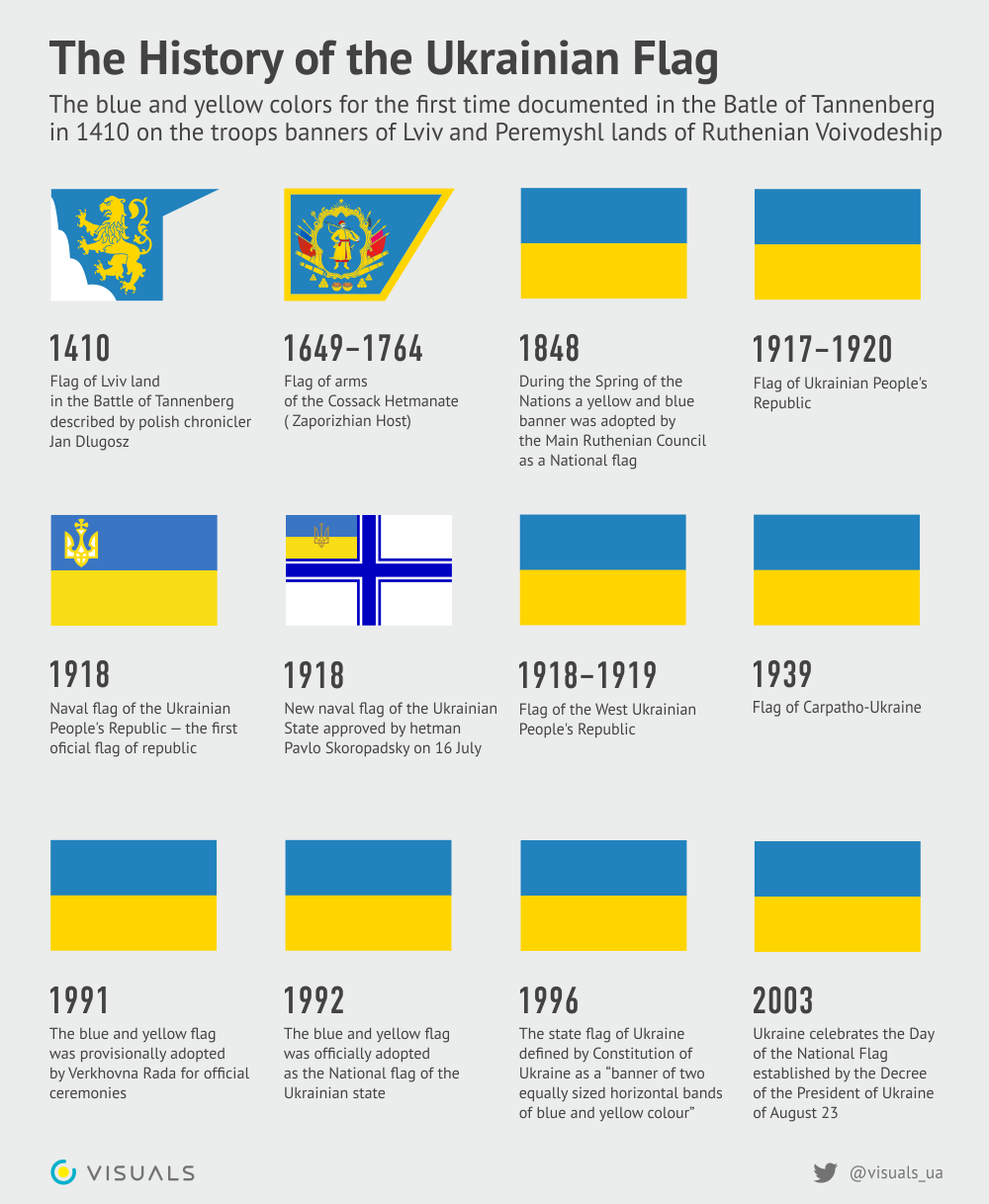
The use of blue and yellow in Ukrainian heraldry and symbolism can be traced back to antiquity. Cossack banners, particularly prominent during the Hetmanate period (17th-18th centuries), often featured blue and yellow elements. These banners were not national flags in the modern sense but served as regimental or military standards. The colors were frequently associated with the noble houses, military units, and specific Cossack hosts. For example, the Zaporozhian Sich, a powerful Cossack military and political entity, utilized various banners, some of which incorporated blue and yellow.
The association of blue with the sky and yellow with the land was likely present even in these early forms, reflecting a deep-seated connection to the natural world that has always been fundamental to Ukrainian identity. While the precise design and configuration varied, the presence of these colors in early banners laid a symbolic foundation for their future adoption as national symbols. These early uses demonstrate a nascent sense of distinct identity, even within broader political structures.
The National Awakening and the Rise of the Blue and Yellow Flag (Late 19th – Early 20th Century)
The late 19th and early 20th centuries witnessed a significant “national awakening” in Ukraine, a period of heightened cultural and political consciousness. Intellectuals, writers, and activists sought to define and promote a distinct Ukrainian identity. During this era, the blue and yellow banner began to emerge as a more formalized symbol of this burgeoning national movement.
In 1848, during the Spring of Nations, the Supreme Ruthenian Council in Lviv adopted a blue and yellow flag. This was a significant moment, marking a more deliberate association of these colors with a unified Ukrainian political aspiration. The colors gained popularity among Ukrainian patriots and intellectuals in both Austrian Galicia and the Russian Empire. By the early 20th century, the blue and yellow flag was widely recognized and used by various Ukrainian organizations and political parties.
The Flag of Independence and its Interruption (1918-1920s)
When Ukraine declared its independence in 1918, establishing the Ukrainian People’s Republic (UNR) and the West Ukrainian People’s Republic (ZUNR), the blue and yellow flag was officially adopted as the national flag. This was a pivotal moment, where the symbol moved from being a movement’s banner to the official ensign of a sovereign state. The flag flew over government buildings and was a visible manifestation of Ukraine’s hard-won independence.
However, this period of independence was tragically short-lived. The lands of Ukraine were subsequently incorporated into the Soviet Union, and the blue and yellow flag was suppressed. During the Soviet era, Ukraine’s official flag was a red banner with a hammer and sickle, reflecting communist ideology. Any display or promotion of the blue and yellow flag was considered an act of dissent and often met with severe punishment. Despite this suppression, the blue and yellow colors persisted in the hearts and minds of many Ukrainians, symbolizing their enduring hope for freedom and self-determination.
Re-emergence and Modern Significance (Late 20th Century – Present)
The late 20th century saw a resurgence of Ukrainian national sentiment, culminating in the declaration of independence from the Soviet Union in 1991. With the re-establishment of Ukrainian statehood, the blue and yellow flag was officially reinstated as the national flag. This moment was deeply symbolic, marking the return of a flag that had been suppressed for decades and representing the triumph of national aspiration over totalitarian rule.
Since 1991, the Ukrainian flag has become an omnipresent symbol of the nation. It flies proudly at international events, adorns government buildings, and is carried by citizens in celebrations and demonstrations. Its significance has been amplified by recent geopolitical events, particularly the ongoing conflict. The Ukrainian flag has transformed into a global symbol of defiance, courage, and the unwavering fight for sovereignty and freedom against external aggression. Its simple yet profound design continues to inspire and unite Ukrainians both within the country and in the diaspora.
The Ukrainian Flag as a Modern Emblem: Beyond National Borders
In the contemporary global landscape, the Ukrainian flag has transcended its role as a mere national ensign. It has become a powerful symbol of international solidarity, a beacon of resistance against oppression, and a testament to the enduring human spirit. Its visibility on the world stage, particularly in recent years, has cemented its status as an emblem of freedom and a rallying point for those who believe in the principles of self-determination and national sovereignty.
A Global Symbol of Solidarity and Support
Following the full-scale invasion of Ukraine in 2022, the blue and yellow flag surged onto the global stage as an unprecedented symbol of solidarity. Millions of people around the world have displayed the Ukrainian flag in displays of support, from public landmarks and governmental buildings to private homes and social media profiles. This widespread adoption signifies a global recognition of Ukraine’s struggle and a collective moral endorsement of its right to exist as a free and independent nation.
The flag has become a visual shorthand for expressing empathy, condemnation of aggression, and a commitment to humanitarian aid. Its presence in protests, vigils, and charitable events serves as a constant reminder of the ongoing crisis and the international community’s desire to see peace restored and justice served. The simple act of displaying the flag has become a powerful, accessible way for individuals and organizations to stand with Ukraine and contribute to a global message of support.
A Banner of Resilience and Resistance
The Ukrainian flag, with its clear depiction of a peaceful sky and abundant earth, now also represents unwavering resilience in the face of immense adversity. It is a symbol of defiance against a larger, more powerful aggressor, embodying the courage and determination of the Ukrainian people to defend their homeland and their way of life.
During times of conflict and occupation, the flag becomes more than just a national symbol; it transforms into a potent emblem of resistance. Its display, even in the most challenging circumstances, can serve as an act of courage, a declaration of loyalty to one’s nation, and a refusal to succumb to external control. The blue and yellow have become synonymous with the spirit of Ukrainian resistance, inspiring not only its citizens but also observers worldwide who admire the nation’s fortitude. It represents the unyielding spirit of a people fighting for their right to self-governance and the preservation of their cultural identity.
The Future of the Flag: Hope and National Identity
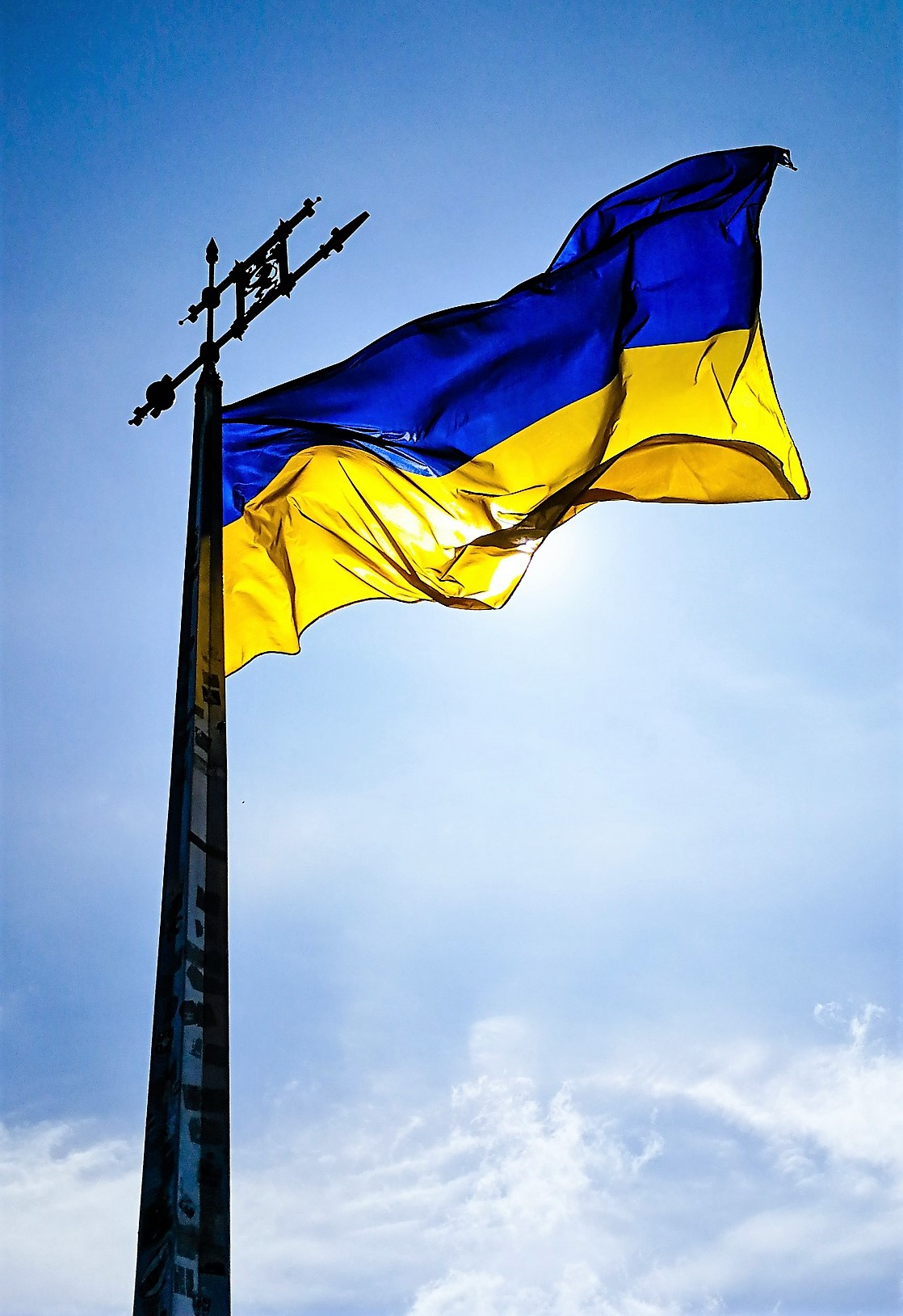
As Ukraine continues its journey through this challenging period and looks towards a future of reconstruction and lasting peace, its flag will undoubtedly remain at the forefront of its national identity. The blue and yellow are more than just colors; they are threads woven into the fabric of Ukrainian history, culture, and the aspirations of its people. The flag serves as a constant reminder of what has been fought for, what has been endured, and what is being built.
The enduring power of the Ukrainian flag lies in its ability to evoke a complex tapestry of emotions and ideas: peace, prosperity, history, struggle, and unwavering hope. Its simplicity ensures its accessibility, while its rich symbolism ensures its profound impact. As Ukraine rebuilds and reclaims its future, the blue and yellow banner will continue to fly high, a testament to its enduring spirit and its place on the global stage. It is a promise of a brighter future, a future where the sky remains clear and the fields yield their bounty in peace and freedom.
aViewFromTheCave is a participant in the Amazon Services LLC Associates Program, an affiliate advertising program designed to provide a means for sites to earn advertising fees by advertising and linking to Amazon.com. Amazon, the Amazon logo, AmazonSupply, and the AmazonSupply logo are trademarks of Amazon.com, Inc. or its affiliates. As an Amazon Associate we earn affiliate commissions from qualifying purchases.