
The intricate workings of state legislatures are fundamental to the functioning of American democracy, yet their precise roles and responsibilities are often a source of confusion for the general public. Far from being distant, abstract entities, these bodies are directly responsible for shaping the laws and policies that impact our daily lives, from the roads we drive on to the education our children receive. Understanding the functions of a state legislature is crucial for engaged citizenship, enabling individuals to participate more effectively in the democratic process and hold their representatives accountable. This article will delve into the core duties and powers of state legislatures, illuminating their significance in the broader governmental landscape.

The Legislative Powerhouse: Crafting and Enacting Laws
At its heart, the primary function of any state legislature is to create and pass laws. This is a complex and often lengthy process, involving multiple stages designed to ensure deliberation, scrutiny, and the representation of diverse interests.
Bill Introduction and Committee Review
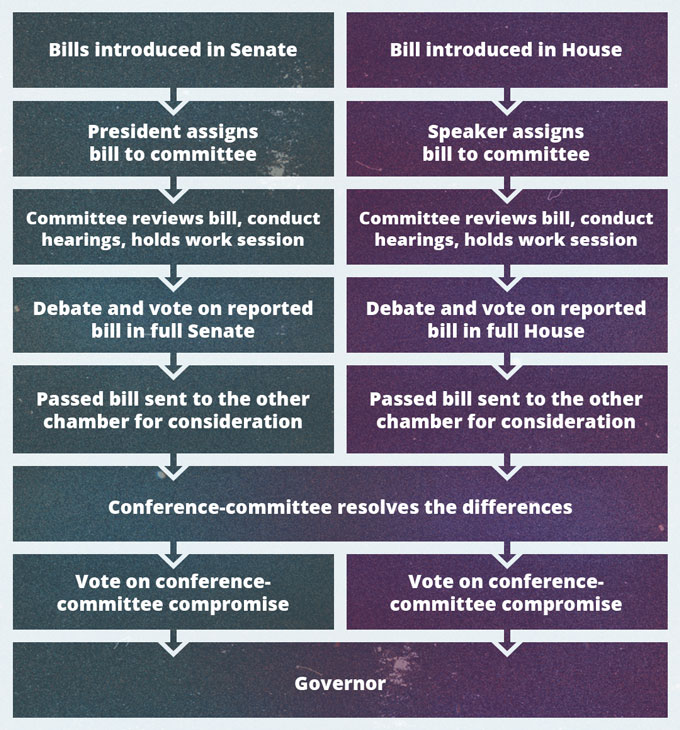
The legislative journey of a law begins with a bill. A bill is a proposed piece of legislation that can be introduced by any member of the legislature, or in some cases, by the governor. Bills are typically assigned to specific committees based on their subject matter. These committees play a critical role in the legislative process, acting as specialized gatekeepers.
Within a committee, a bill is thoroughly examined. This often involves public hearings where stakeholders, experts, and citizens can voice their opinions and concerns. Committee members may propose amendments to the bill, seeking to refine its language, address potential loopholes, or incorporate feedback. If a committee approves a bill, it moves to the floor of its respective chamber (the House or the Senate) for further consideration.
Floor Debate and Voting
Once a bill reaches the floor of the House or Senate, it is subject to debate among all members. This is where the broader legislative body engages with the proposed law, discussing its merits, potential consequences, and economic implications. Legislators will argue for or against the bill, often proposing further amendments from the floor.
Following the debate, a vote is taken. The requirements for passing a bill vary by state but generally require a simple majority of those present and voting. If a bill passes one chamber, it must then be sent to the other chamber, where it undergoes a similar process of committee review, floor debate, and voting. For a bill to become law, it must pass both the House and the Senate in identical form.
Gubernatorial Action: Approval or Veto
Once a bill has successfully passed both legislative chambers, it is sent to the governor. The governor has several options:
- Sign the bill into law: If the governor approves of the legislation, they sign it, and it becomes law.
- Veto the bill: The governor can reject the bill by issuing a veto. This sends the bill back to the legislature, often with an explanation of the governor’s objections.
- Allow the bill to become law without signature: In some states, if the governor does not act on a bill within a specified period, it automatically becomes law.
- Item Veto (in some states): For appropriation bills (those concerning spending), governors in many states have the power to veto specific items or sections of the bill without rejecting the entire piece of legislation.
Legislatures often have the power to override a governor’s veto, though this typically requires a supermajority vote (e.g., two-thirds of both chambers), making it a significant hurdle to overcome.
Beyond Lawmaking: Oversight, Budgeting, and Representation
While lawmaking is their most visible function, state legislatures engage in a range of other critical activities that ensure the effective governance of their states.
Legislative Oversight: Holding the Executive Accountable
A vital role of the legislature is to provide oversight of the executive branch. This means scrutinizing the actions of state agencies and departments to ensure they are implementing laws as intended, operating efficiently, and using public funds responsibly.
Legislative oversight can take many forms:
- Hearings and Investigations: Committees can hold hearings to question agency heads, review budget requests, and investigate potential misconduct or inefficiencies.
- Budgetary Control: The power of the purse is a significant oversight tool. Legislatures approve the state budget, and they can use this power to influence agency priorities and performance.
- Confirmations: In many states, the legislature must confirm appointments made by the governor to key positions in state government, such as cabinet secretaries or heads of regulatory agencies.
- Impeachment: In extreme cases, legislatures can initiate impeachment proceedings against state officials, including the governor, for alleged wrongdoing.
This oversight function serves as a crucial check and balance, preventing the executive branch from becoming too powerful and ensuring that government operates in the public interest.
The Power of the Purse: Budgetary Authority
One of the most significant powers vested in state legislatures is their authority over the state budget. The governor typically proposes a budget, but it is the legislature that ultimately approves, modifies, and enacts it. This process involves extensive review of proposed expenditures across all state agencies and programs.
The budget is more than just a financial document; it reflects the state’s priorities. Through the budgetary process, legislatures decide how much funding will be allocated to education, healthcare, infrastructure, public safety, and a myriad of other essential services. This power allows legislatures to shape public policy and respond to the evolving needs of their constituents.
The budget process is often contentious, involving negotiations between different legislative factions, the governor, and various interest groups. It requires careful consideration of revenue sources, economic forecasts, and the potential impact of spending decisions.
Constituent Representation: The Voice of the People
State legislators are elected representatives, and a core part of their job is to represent the interests and concerns of their constituents. This involves being accessible to the public, listening to their needs, and advocating for them within the legislative arena.
- Direct Communication: Legislators regularly communicate with their constituents through town hall meetings, newsletters, social media, and individual correspondence.
- Advocacy: They often act as intermediaries between their constituents and state government agencies, helping individuals navigate complex bureaucratic systems or resolve problems.
- Policy Responsiveness: Ideally, legislators strive to craft and support legislation that reflects the will and priorities of the people they serve. This requires understanding the diverse perspectives within their districts and finding common ground.
This representational role is the bedrock of democratic governance, ensuring that government remains responsive to the governed.
Specialized Functions and Evolving Roles
Beyond these core duties, state legislatures undertake a variety of specialized tasks and are constantly adapting to new challenges and opportunities.
Constitutional Amendments and Ratification
State legislatures play a key role in amending their state constitutions. This process typically involves proposing amendments by a supermajority vote of the legislature, which are then put before the voters for ratification in a statewide election. This allows for fundamental changes to the state’s governing document based on public consensus.
Impeachment Powers
As mentioned in the oversight section, legislatures possess the power of impeachment. This is a formal process by which a legislative body can bring charges against a public official for serious misconduct. While impeachment is a drastic measure, its existence serves as a deterrent against abuse of power and provides a mechanism for accountability.
Investigations and Special Commissions
Legislatures may establish special committees or commissions to investigate specific issues of public concern, conduct in-depth research, or propose solutions to complex problems. These bodies can bring together experts, stakeholders, and legislators to tackle multifaceted challenges that require dedicated attention beyond the regular legislative calendar.

Responding to Emerging Issues
The role of state legislatures is not static. They must continually adapt to new societal, economic, and technological developments. This can involve creating new laws related to emerging technologies, addressing environmental concerns, responding to public health crises, or adapting to changing economic landscapes. The ability of legislatures to be agile and responsive is critical for maintaining effective governance in a dynamic world.
In conclusion, state legislatures are multifaceted institutions that are central to the health and vitality of state governments. Their responsibilities encompass the entire spectrum of governance, from the foundational act of creating laws to the crucial tasks of oversight, budgeting, and constituent representation. A deeper understanding of their functions empowers citizens to engage more meaningfully with their state governments and to advocate for the policies that shape their communities.
aViewFromTheCave is a participant in the Amazon Services LLC Associates Program, an affiliate advertising program designed to provide a means for sites to earn advertising fees by advertising and linking to Amazon.com. Amazon, the Amazon logo, AmazonSupply, and the AmazonSupply logo are trademarks of Amazon.com, Inc. or its affiliates. As an Amazon Associate we earn affiliate commissions from qualifying purchases.