
The iconic five interlocking rings, a symbol instantly recognizable across the globe, represent more than just a sporting event. They embody a powerful and enduring brand, a testament to strategic design, historical evolution, and profound messaging. Understanding what the five Olympic rings truly stand for is to delve into the heart of a brand that has transcended competition to become a universal emblem of unity, aspiration, and a shared human spirit. This article will explore the multifaceted meaning embedded within this legendary brand symbol, examining its origins, its evolution, and its enduring impact on global branding and identity.
The Genesis of a Universal Emblem: From Vision to Symbol
The genesis of the Olympic rings is intrinsically linked to the revival of the Olympic Games in the modern era and the visionary spirit of Pierre de Coubertin, the principal founder of the International Olympic Committee (IOC). Coubertin envisioned a movement that would foster international understanding and peace through sport. The symbol he commissioned was not merely an aesthetic choice, but a deliberate articulation of this grand ambition.
Pierre de Coubertin’s Vision and the Initial Design
In the early 20th century, as Coubertin worked to re-establish the Olympic Games on a global stage, he recognized the need for a unifying symbol that would represent the aspirations of the movement. He sought a design that was both distinctive and meaningful. The initial concept for the Olympic symbol emerged in 1913, a year before the planned Olympic Games in Berlin, which were ultimately postponed due to the outbreak of World War I.
The design itself was born from a collaboration, with Coubertin being heavily influenced by artist and designer Jules Gisclard. Gisclard’s work, particularly his use of geometric shapes and symbolic imagery in other contexts, provided a foundation for the Olympic symbol. However, it was Coubertin’s conceptualization that truly infused the rings with their profound meaning. He conceived of a flag featuring the five rings, with a white background, as a representation of the interconnectedness of the five inhabited continents.
The Five Continents: A Global Unification Project
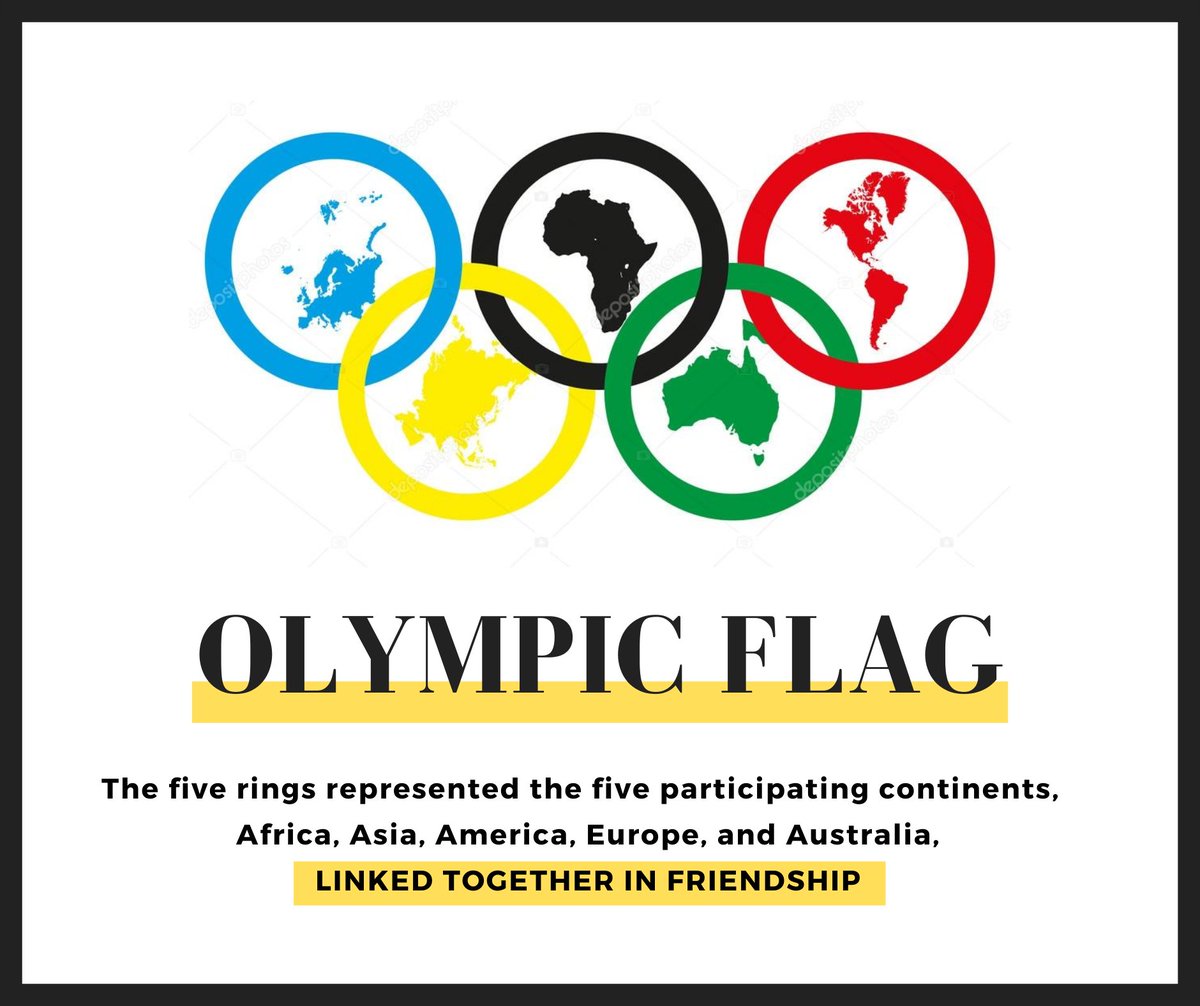
The most widely understood and enduring interpretation of the five Olympic rings is their representation of the five inhabited continents: Africa, the Americas (North and South America are often considered as one in this context), Asia, Europe, and Oceania. This was a deliberate choice by Coubertin, reflecting his fervent belief in the power of sport to bridge geographical, cultural, and political divides.
- Africa: Symbolizing the vast and diverse continent.
- The Americas: Encompassing both the northern and southern continents, representing a vast expanse of peoples and cultures.
- Asia: Representing the largest and most populous continent, with its rich tapestry of history and traditions.
- Europe: The continent where the modern Olympic movement was born, symbolizing its foundational role.
- Oceania: Including Australia, New Zealand, and the Pacific islands, representing a unique and geographically dispersed region.
The interlocking nature of the rings was crucial to this message. It signified the union of these continents through the Olympic Games. It was a visual metaphor for the coming together of athletes from all corners of the world, competing in a spirit of friendship and mutual respect. This was a powerful branding statement, positioning the Olympics not just as a sporting event, but as a global initiative for peace and understanding.
The Evolution and Enduring Power of the Olympic Brand Symbol
While the core message of continental unity has remained constant, the Olympic rings have undergone subtle but significant evolutions in their design and official interpretation, solidifying their status as one of the world’s most powerful and recognizable brand symbols. The power of this brand lies not just in its visual appeal, but in the consistent messaging and the emotional resonance it evokes.
From Initial Design to IOC Recognition and Refinement
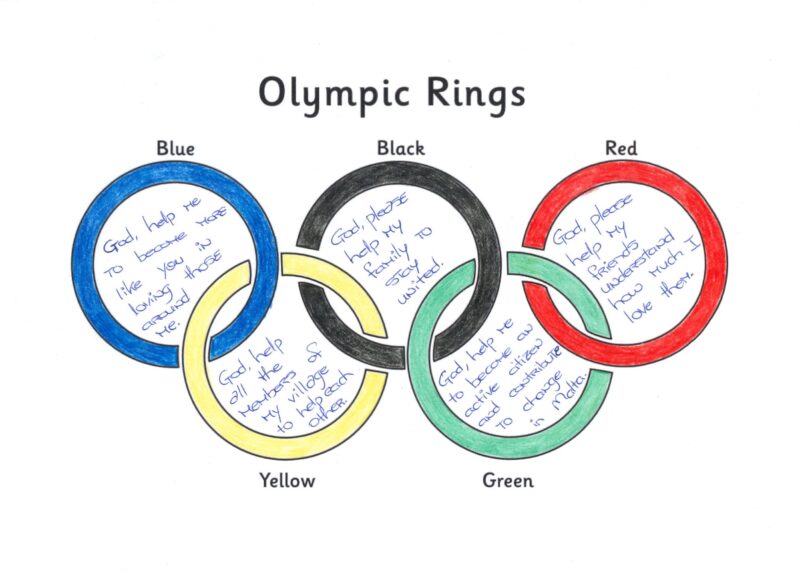
The initial design presented by Coubertin featured the five rings in a specific color arrangement and with a specific interlacing pattern. The colors chosen – blue, yellow, black, green, and red – along with the white background of the flag, were not arbitrary. They were selected because at least one of these colors appeared on the national flag of every country in the world at that time. This further underscored the inclusive and universal nature of the Olympic brand.
The symbol was officially adopted by the International Olympic Committee (IOC) in 1915. However, its widespread public debut and true impact were felt with the 1920 Antwerp Olympic Games. It was at these Games that the symbol was first widely displayed and associated with the athletes and the spirit of the competition. Over the decades, the precise rendering of the rings has been refined through various graphic standards manuals to ensure consistency and maintain brand integrity across all official uses. These refinements, while subtle, have helped to preserve the distinctiveness and professionalism of the Olympic brand.
Beyond Continents: The Deeper Meanings Embedded in the Rings
While the representation of the five continents is the most commonly cited meaning, the Olympic rings carry additional layers of symbolic significance that contribute to their enduring brand power:
- Unity and Interconnectedness: The interlocking nature of the rings is a potent visual metaphor for the unity of athletes and nations coming together. It speaks to the idea that despite our differences, we are all part of a larger global community, connected by shared aspirations and common humanity. This brand message is incredibly powerful in fostering a sense of global citizenship.
- The Five Pillars of Olympism: The rings can also be interpreted as representing the five pillars of Olympism, the philosophy and ideals of the Olympic movement. These pillars, though not always explicitly stated in this way, encompass:
- Sport: The fundamental act of athletic competition and human physical endeavor.
- Education: The role of sport in fostering personal development, character building, and learning.
- Culture: The celebration of diverse traditions and the integration of sport with artistic and cultural expression.
- International Understanding and Peace: The aspiration to use sport as a tool to promote dialogue, empathy, and reconciliation between nations.
- Joy and Exaltation: The spirit of achievement, perseverance, and the profound emotional experience of participating in and witnessing the Olympic Games.
- The Eternal Flame of Sport: The rings, often depicted with the Olympic flame, symbolize the enduring spirit of the Games, a flame that is passed from generation to generation, inspiring new athletes and new dreams. This connects the brand to a sense of legacy and timelessness.
- Inclusivity and Accessibility: The fact that the colors of the rings, when combined with the white background, could be found on every national flag was a stroke of branding genius. It meant that every nation, regardless of its size or influence, could find a visual representation of itself within the Olympic symbol. This fostered a sense of belonging and encouraged broad participation in the Olympic movement, a key aspect of its global brand appeal.
The continuous reinforcement of these meanings through the Olympic Games themselves, the associated marketing, and the narrative surrounding the athletes has cemented the Olympic rings as a powerful and universally understood brand symbol. It’s a brand that stands for more than just athletic excellence; it stands for ideals that resonate deeply with people worldwide.
The Olympic Rings as a Masterclass in Brand Identity and Global Recognition
The enduring success and unparalleled recognition of the Olympic rings serve as a compelling case study in effective brand identity and the power of a well-conceived symbol to transcend cultural and linguistic barriers. The IOC has, through decades of consistent application and strategic management, cultivated one of the most valuable and universally understood brands in the world.
Consistency and Adaptability in Brand Application
A cornerstone of the Olympic rings’ brand strength lies in its remarkable consistency. Since their adoption, the fundamental design has remained intact, ensuring immediate recognition. This consistency is meticulously maintained through strict brand guidelines that govern their usage across all official IOC materials, national Olympic committees, sponsoring partners, and broadcast media. This discipline in application ensures that the symbol always represents the same core values and ideals, building trust and familiarity with audiences worldwide.
However, consistency doesn’t equate to rigidity. The Olympic brand has also demonstrated an impressive ability to adapt and remain relevant across different eras and technological advancements. The rings are effectively translated into digital formats, animated sequences, and integrated into diverse marketing campaigns, all while retaining their core visual integrity. This adaptability allows the brand to connect with new generations of audiences through platforms and mediums that are relevant to their lives.
The Symbol’s Role in Fostering Global Unity and Aspiration
The Olympic rings are more than just a logo; they are a powerful brand archetype that evokes strong emotions and aspirational desires. For athletes, they represent the pinnacle of achievement and the opportunity to represent their nation on the world stage. For spectators, they symbolize the excitement of competition, the triumph of the human spirit, and the shared experience of witnessing extraordinary feats.
This emotional resonance is a critical component of the Olympic brand’s success. It transcends mere product or service recognition; it taps into fundamental human values of perseverance, dedication, friendship, and the pursuit of excellence. The brand’s ability to consistently deliver on this promise, year after year, has built a reservoir of goodwill and emotional capital that is invaluable.
Protecting and Leveraging a Legacy Brand
The IOC actively works to protect the Olympic rings as a legacy brand. This involves rigorous enforcement of intellectual property rights to prevent unauthorized use and dilution of the symbol’s meaning. This protection is crucial for maintaining the exclusivity and prestige associated with the brand.
Simultaneously, the IOC leverages the power of the Olympic rings through strategic partnerships with global corporations. These sponsorships not only provide significant financial support for the Olympic movement but also amplify the reach and visibility of the Olympic brand. The careful selection of partners ensures that their own brand values align with those of the Olympics, further reinforcing the positive associations and maintaining the integrity of this unparalleled global brand. The Olympic rings stand as a testament to the power of a simple yet profound symbol to unite the world and inspire generations.
aViewFromTheCave is a participant in the Amazon Services LLC Associates Program, an affiliate advertising program designed to provide a means for sites to earn advertising fees by advertising and linking to Amazon.com. Amazon, the Amazon logo, AmazonSupply, and the AmazonSupply logo are trademarks of Amazon.com, Inc. or its affiliates. As an Amazon Associate we earn affiliate commissions from qualifying purchases.