
For the vast majority of individuals, purchasing a home represents the single most significant financial transaction of their lives. While the sticker price of a property often dominates the conversation, the most influential factor in determining the long-term cost of homeownership is not the purchase price itself, but the interest rate attached to the mortgage.
A mortgage interest rate is essentially the cost of borrowing money from a lender to purchase real estate. Expressed as a percentage, this rate determines your monthly payment and the total amount of interest you will pay over the life of the loan—which can often total hundreds of thousands of dollars. Understanding how these rates work, what influences them, and how you can secure a lower rate is a cornerstone of sound personal finance.
The Fundamentals of Mortgage Interest Rates
To navigate the world of real estate finance, one must first understand that not all interest rates are created equal. The structure of your loan dictates how interest is calculated and how your payments might change over time.
Fixed-Rate vs. Adjustable-Rate Mortgages (ARMs)
The most common choice for homebuyers is the fixed-rate mortgage. With this product, the interest rate remains constant for the entire duration of the loan, typically 15 or 30 years. This provides financial predictability; your principal and interest payment will never change, protecting you from future market volatility.
In contrast, an Adjustable-Rate Mortgage (ARM) offers an initial interest rate that is usually lower than a standard fixed-rate loan. However, this rate is only “fixed” for a set period (such as five, seven, or ten years). After that period expires, the rate adjusts periodically based on market indices. While ARMs can be beneficial for those planning to sell or refinance within a few years, they carry the risk of significantly higher payments if market rates rise.
Interest Rate vs. Annual Percentage Rate (APR)
When shopping for a mortgage, you will encounter two different percentages: the interest rate and the APR. The interest rate is the base cost of borrowing the principal. The APR, however, is a more comprehensive figure. It includes the interest rate plus other costs such as loan origination fees, mortgage insurance, and discount points. For a savvy investor, the APR is the more critical metric because it represents the true annual cost of the loan, allowing for an “apples-to-apples” comparison between different lenders.
Factors Influencing Your Personal Interest Rate
While macroeconomic trends set the “floor” for interest rates, the specific rate a lender offers you is determined by your unique financial profile. Lenders use a process called risk-based pricing to decide how much to charge you.
Credit Scores and Financial Credibility
Your credit score is perhaps the most influential personal factor in the mortgage equation. Lenders view a high credit score (typically 760 or above) as a sign of financial reliability. Borrowers with excellent credit are rewarded with the lowest available rates because the risk of default is perceived to be low. Conversely, a lower credit score may result in a “subprime” rate, which can cost a borrower tens of thousands of dollars extra over a 30-year term.
The Loan-to-Value (LTV) Ratio and Down Payments
The LTV ratio is the amount of the loan compared to the appraised value of the property. If you put 20% down, your LTV is 80%. Generally, the more equity you have in the home from the start, the lower the risk for the lender. High down payments often lead to lower interest rates and allow you to avoid Private Mortgage Insurance (PMI), further reducing your monthly financial burden.
Debt-to-Income (DTI) Ratios
Lenders also analyze your DTI ratio—the percentage of your gross monthly income that goes toward paying debts. A lower DTI suggests that you have the financial “breathing room” to handle a mortgage payment even if your income fluctuates. If your DTI is too high, lenders may see you as a higher risk and increase the interest rate to compensate for that risk.
Macroeconomic Drivers: Why Rates Fluctuate
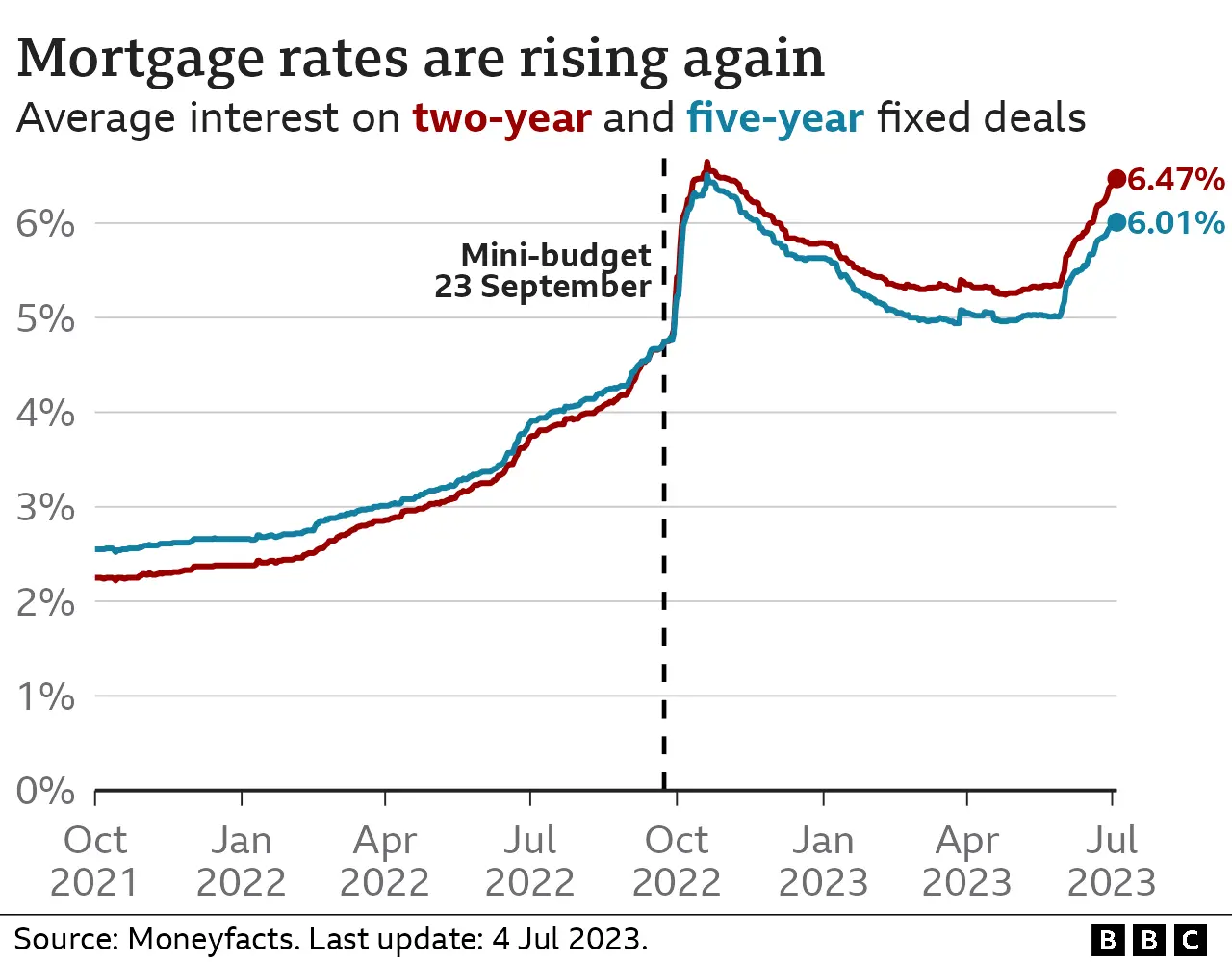
Mortgage rates are not static; they change daily, and sometimes even hourly, based on complex movements in the global economy. Understanding these drivers can help you time your application or decide when to “lock in” a rate.
The Role of the Federal Reserve and Inflation
A common misconception is that the Federal Reserve sets mortgage rates directly. While the Fed sets the “federal funds rate” (the rate at which banks lend to each other overnight), it does not dictate what a bank charges a homebuyer. However, the Fed’s actions influence the broader economy.
Inflation is the primary enemy of mortgage rates. Because mortgages are long-term fixed-income assets, inflation erodes the value of the future dollars that lenders receive. When inflation is high, lenders demand higher interest rates to maintain their profit margins. When the Fed raises rates to combat inflation, mortgage rates typically follow suit.
The 10-Year Treasury Yield
In the financial markets, mortgage-backed securities (MBS) compete for investors’ money with U.S. Treasury bonds. Historically, the 30-year fixed mortgage rate tracks very closely with the yield on the 10-year Treasury note. When investors are nervous about the economy, they flock to the safety of government bonds, driving yields down—which often leads to lower mortgage rates. When the economy is booming, yields rise, and mortgage rates usually climb alongside them.
Strategies to Secure the Lowest Possible Rate
Securing a lower interest rate is one of the most effective ways to build wealth, as it reduces your non-productive expenses and increases the speed at which you build equity.
The Power of Rate Shopping
Many homebuyers spend months looking for the perfect house but only hours looking for the right loan. This is a costly mistake. Research shows that getting quotes from at least three to five different lenders—including national banks, credit unions, and online lenders—can save a borrower thousands of dollars. Even a 0.25% difference in your interest rate can result in significant savings over 30 years.
Buying Down the Rate with Discount Points
If you have extra cash at closing, you can “buy” a lower interest rate through discount points. One point typically costs 1% of the total loan amount and reduces your interest rate by a specific increment (usually 0.25%). This is an upfront investment that pays off over time. To decide if this is a good move, you must calculate the “break-even point”—the moment when the monthly savings from the lower rate surpass the initial cost of the points. If you plan to stay in the home for a long duration, buying points is often a wise financial strategy.
Improving Your Financial Profile Before Applying
Patience can be a virtue when it comes to mortgage rates. If your credit score is on the cusp of a higher tier, it may be worth waiting six months to pay down existing debt and correct any errors on your credit report before applying. Additionally, avoiding new large purchases (like a new car) or opening new credit cards in the months leading up to a mortgage application ensures that your DTI and credit score remain optimized for the best possible offer.

The Long-Term Financial Impact
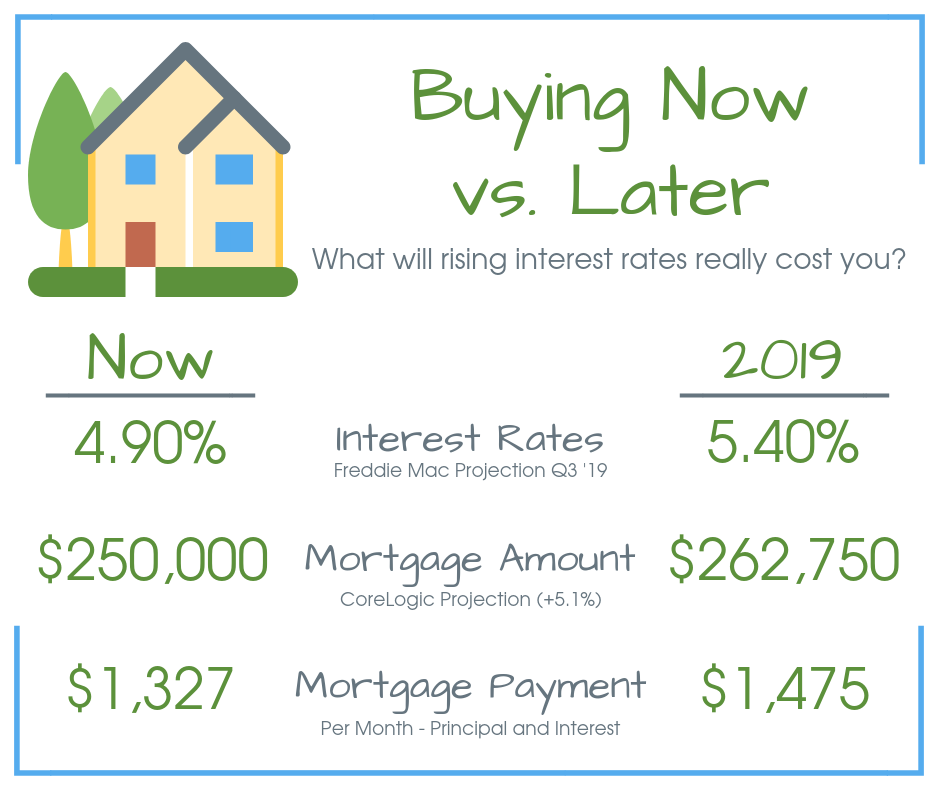
To visualize the importance of the interest rate, consider a $400,000 mortgage. At a 4% interest rate, the monthly principal and interest payment is approximately $1,910, and the total interest paid over 30 years is roughly $287,000. If that rate increases to 7%, the monthly payment jumps to $2,661, and the total interest paid skyrockets to $558,000.
That 3% difference in the interest rate results in an additional $271,000 paid to the bank—money that could have been used for retirement investing, education, or other wealth-building ventures.
In conclusion, the mortgage interest rate is the pulse of your home loan. It is influenced by your personal habits, the health of the global economy, and the specific terms of the loan product you choose. By understanding these variables and taking proactive steps to manage your credit and shop for the best deal, you can master this critical aspect of personal finance and ensure that your home remains a powerful asset rather than a financial burden.
aViewFromTheCave is a participant in the Amazon Services LLC Associates Program, an affiliate advertising program designed to provide a means for sites to earn advertising fees by advertising and linking to Amazon.com. Amazon, the Amazon logo, AmazonSupply, and the AmazonSupply logo are trademarks of Amazon.com, Inc. or its affiliates. As an Amazon Associate we earn affiliate commissions from qualifying purchases.