
Red Bull, a ubiquitous energy drink, has become a cultural phenomenon, synonymous with alertness, enhanced performance, and pushing boundaries. Its iconic blue and silver can is instantly recognizable, and its marketing campaigns have cemented its image as a beverage that empowers individuals to “give you wings.” However, beyond the catchy slogans and the immediate jolt of energy, understanding the physiological effects of Red Bull on the human body is crucial. This exploration delves into the science behind Red Bull’s impact, examining its key ingredients and their mechanisms of action. While the immediate perceived benefits are often positive, a comprehensive understanding requires a nuanced look at both the short-term stimulation and potential long-term implications.
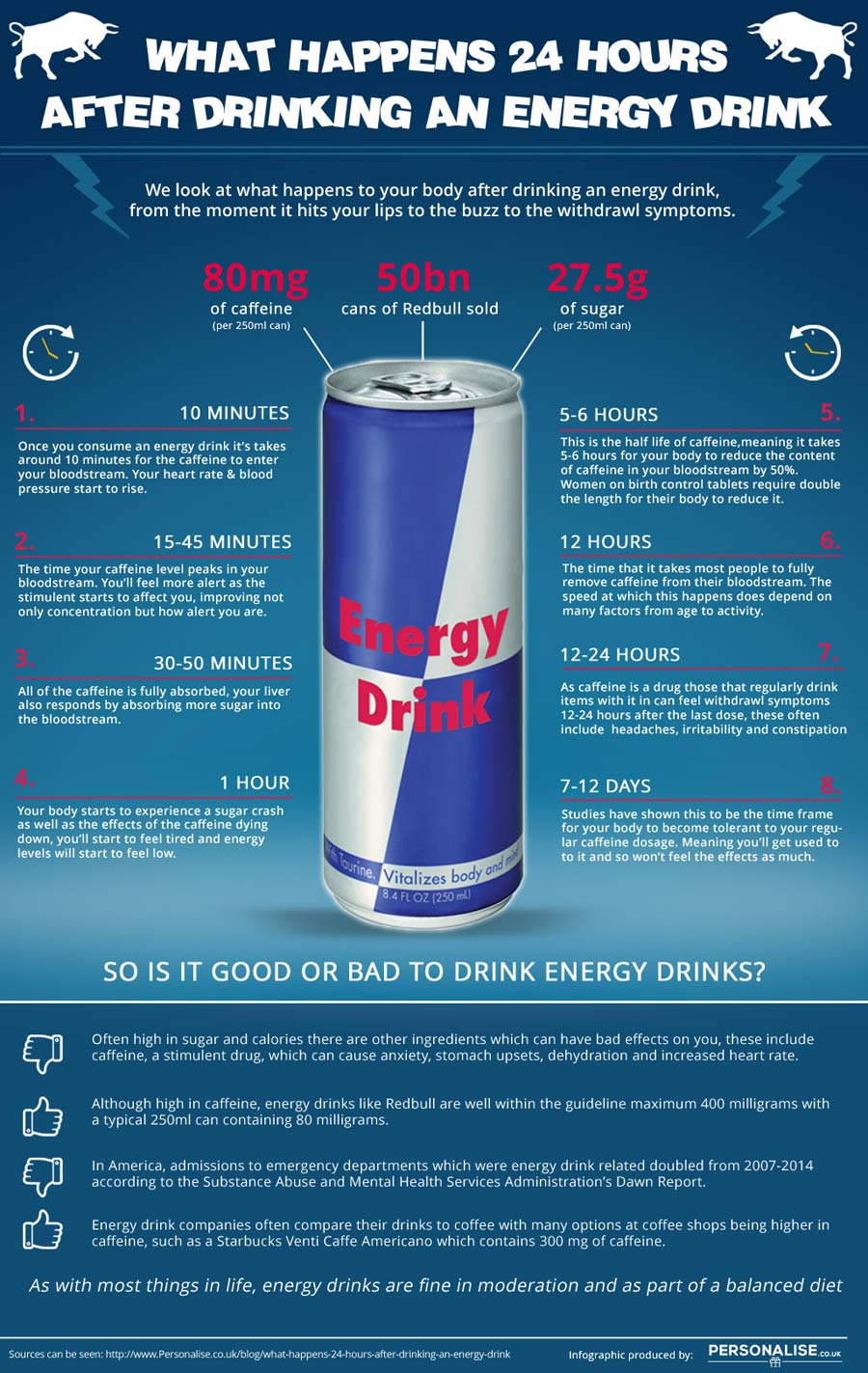
The allure of Red Bull lies in its promise of heightened mental and physical capabilities. Whether it’s students pulling all-nighters, athletes striving for peak performance, or professionals facing demanding schedules, the beverage offers a perceived solution to fatigue and a catalyst for increased productivity. This widespread adoption, however, necessitates a deeper dive into the physiological responses triggered by its consumption. By dissecting the primary components of Red Bull and their well-documented effects on the human system, we can move beyond the marketing hype and gain an informed perspective on what truly happens when you drink Red Bull.
The Caffeine Conundrum: A Central Nervous System Stimulant
Caffeine is undoubtedly the star player in Red Bull’s performance-enhancing lineup. This naturally occurring stimulant, found in coffee, tea, and cocoa, is renowned for its ability to ward off drowsiness and improve alertness. Its primary mechanism of action involves blocking adenosine, a neurotransmitter that promotes relaxation and sleepiness. By inhibiting adenosine receptors in the brain, caffeine increases the activity of other neurotransmitters like dopamine and norepinephrine, leading to feelings of wakefulness, enhanced focus, and improved mood.
Acute Physiological Responses to Caffeine
Upon consumption, caffeine is rapidly absorbed into the bloodstream and crosses the blood-brain barrier. Within minutes, individuals may begin to experience a surge in energy, a reduction in perceived fatigue, and a sharpened sense of concentration. This acute response is particularly sought after in situations requiring sustained mental effort or physical exertion. Studies have demonstrated caffeine’s efficacy in improving reaction times, enhancing short-term memory, and boosting endurance during prolonged physical activities. For many, these immediate benefits are the primary driver for choosing Red Bull over other beverages. The feeling of being more “on” and capable of tackling tasks with greater vigor is a powerful motivator.
Caffeine Metabolism and Tolerance
The human body metabolizes caffeine primarily in the liver. The rate at which caffeine is processed varies significantly among individuals due to genetic factors, age, and liver health. This metabolic variability influences the duration and intensity of caffeine’s effects. Regular consumption of caffeine can lead to the development of tolerance, meaning that higher doses may be required to achieve the same stimulant effect. Conversely, abrupt cessation of caffeine intake after regular use can result in withdrawal symptoms, including headaches, fatigue, irritability, and difficulty concentrating. Understanding this metabolic pathway is essential for managing caffeine intake and avoiding adverse effects. The long-term implications of chronic, high-dose caffeine consumption are a subject of ongoing research, with potential links to sleep disturbances and increased anxiety in some individuals.
Beyond Caffeine: The Synergistic Effects of Other Key Ingredients
While caffeine takes center stage, Red Bull contains a blend of other ingredients that contribute to its overall effect. Taurine, B vitamins, and sugars are significant components that work in concert with caffeine, creating a unique physiological experience. The purported benefits of these ingredients, often amplified by Red Bull’s marketing, warrant closer examination.
Taurine: The Amino Acid Enigma
Taurine is an amino acid found naturally in the body and in various foods. It plays a role in numerous physiological processes, including nerve function, muscle contraction, and antioxidant defense. In the context of energy drinks, taurine is often touted for its potential to improve physical performance and reduce muscle fatigue. While some research suggests that taurine supplementation may offer benefits, particularly in conjunction with caffeine, the exact mechanisms and the extent of its contribution to Red Bull’s effects are still debated within the scientific community. Some studies have indicated that taurine may enhance calcium uptake in muscle cells, thereby improving muscle contractility, while others suggest it may help mitigate oxidative stress during strenuous exercise.
B Vitamins: Energy Metabolism Support
Red Bull is fortified with a range of B vitamins, including niacin (B3), pantothenic acid (B5), B6, and B12. These vitamins are essential cofactors in metabolic pathways that convert food into energy. They play crucial roles in carbohydrate, fat, and protein metabolism, and are vital for the proper functioning of the nervous system. While a deficiency in B vitamins can lead to fatigue, supplementing with them when already adequately nourished typically does not provide an additional energy boost. In the context of Red Bull, the B vitamins contribute to the body’s natural energy production processes, and their inclusion likely supports the perceived sense of vitality, though their direct stimulant effect is minimal compared to caffeine.
Sugar and Sweeteners: The Energy Source and Caloric Load
The sugar content in a standard can of Red Bull is a significant factor in its immediate energy contribution. Sugars, primarily sucrose and glucose, are rapidly absorbed into the bloodstream, providing a quick source of fuel for the body. This sugar rush can further enhance the feeling of alertness and energy. However, the high sugar content also contributes to a substantial caloric load. For individuals consuming Red Bull regularly, this can contribute to increased calorie intake, potentially leading to weight gain and other health concerns associated with excessive sugar consumption, such as an increased risk of type 2 diabetes and cardiovascular disease. Sugar-free variants, which utilize artificial sweeteners, mitigate the caloric impact but introduce different considerations regarding the long-term effects of artificial sweetener consumption.
Physiological Effects: Short-Term Gains and Potential Long-Term Considerations
The immediate effects of Red Bull consumption are often desirable for those seeking a temporary boost. However, understanding the broader physiological landscape, including potential negative impacts, is crucial for informed decision-making. This section examines the immediate physiological responses and then ventures into the potential long-term consequences of regular or excessive intake.
Cardiovascular and Neurological Responses
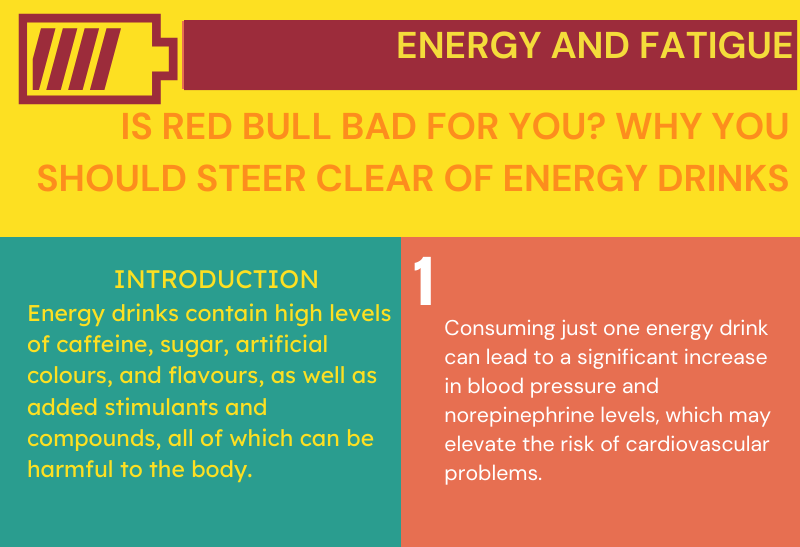
The stimulant properties of Red Bull, driven primarily by caffeine, can lead to a temporary increase in heart rate and blood pressure. For most healthy individuals, these effects are transient and well-tolerated. However, in individuals with pre-existing cardiovascular conditions, high doses of caffeine can exacerbate these issues, potentially leading to palpitations, arrhythmias, or even more serious cardiac events. Neurologically, while Red Bull can enhance alertness and cognitive function in the short term, excessive consumption can lead to anxiety, jitters, insomnia, and, in rare cases, caffeine-induced psychosis. The rapid onset of these effects highlights the potent nature of the ingredients.
Sleep Disruption and Dependency Risks
One of the most commonly reported side effects of Red Bull consumption, particularly when consumed later in the day, is sleep disruption. The stimulant effects of caffeine can interfere with the natural sleep-wake cycle, making it difficult to fall asleep and reducing the quality of sleep obtained. Chronic sleep deprivation has a cascade of negative health consequences, including impaired cognitive function, weakened immune systems, and increased risk of chronic diseases. Furthermore, the potential for developing a psychological dependency on Red Bull to overcome fatigue or maintain performance is a genuine concern. This can create a cycle of consumption, where individuals rely on the drink to function, leading to a diminished ability to cope with daily demands without it.
Gastrointestinal and Metabolic Impacts
The high acidity and carbonation of Red Bull can, for some individuals, lead to gastrointestinal discomfort, including stomach upset, heartburn, and acid reflux. The sugar content, as previously mentioned, has significant metabolic implications. Frequent consumption of sugary energy drinks is linked to an increased risk of dental caries due to the erosive nature of the beverage and the impact of sugar on oral bacteria. Metabolically, the rapid influx of sugar can lead to blood sugar spikes and subsequent crashes, contributing to energy fluctuations and cravings. Over time, this can contribute to insulin resistance and metabolic syndrome. While Red Bull provides a perceived immediate energy boost, the long-term metabolic burden warrants careful consideration for individuals who consume it regularly.
Conclusion: Navigating the Energy Drink Landscape Responsibly
Red Bull, with its potent blend of caffeine, taurine, B vitamins, and sugars, offers a compelling solution for those seeking immediate bursts of energy and enhanced alertness. The physiological mechanisms at play are primarily driven by caffeine’s stimulant properties, which temporarily alter neurotransmitter activity in the brain. The supporting ingredients, while contributing to the overall experience, do not possess the same immediate stimulant impact.
However, the allure of enhanced performance comes with a set of physiological considerations that cannot be ignored. Short-term benefits, such as improved focus and reduced fatigue, are often accompanied by potential side effects like increased heart rate, anxiety, and sleep disruption. The long-term implications of regular consumption, particularly concerning cardiovascular health, metabolic disorders, and the potential for dependency, underscore the importance of moderation.
Ultimately, understanding what Red Bull does to your body is about appreciating the intricate interplay of its ingredients with our physiological systems. It is about recognizing that while it can provide a temporary lift, it is not a sustainable solution for chronic fatigue or a substitute for healthy lifestyle habits. Responsible consumption, mindful of individual health profiles and potential adverse effects, is key to navigating the energy drink landscape. For those who choose to partake, a balanced approach that prioritizes adequate sleep, a nutritious diet, and regular physical activity will always be the most effective and sustainable path to well-being and sustained performance. The power to “give you wings” might be a catchy slogan, but true, long-lasting vitality stems from a holistic approach to health, not solely from a can.
aViewFromTheCave is a participant in the Amazon Services LLC Associates Program, an affiliate advertising program designed to provide a means for sites to earn advertising fees by advertising and linking to Amazon.com. Amazon, the Amazon logo, AmazonSupply, and the AmazonSupply logo are trademarks of Amazon.com, Inc. or its affiliates. As an Amazon Associate we earn affiliate commissions from qualifying purchases.