
The hashtag #MeToo, since its explosion into global consciousness in 2017, has become far more than just a viral social media trend. It represents a profound cultural reckoning, a catalyst for widespread conversations about power, consent, and accountability, and a powerful tool for social change. While its origins predate 2017, the sheer scale and impact of the movement in recent years have irrevocably altered the landscape of societal norms and expectations, particularly concerning issues of sexual harassment and assault. Understanding the multifaceted meaning of #MeToo requires delving into its historical roots, its technological amplification, its impact on various industries, and its ongoing evolution as a force for systemic change.
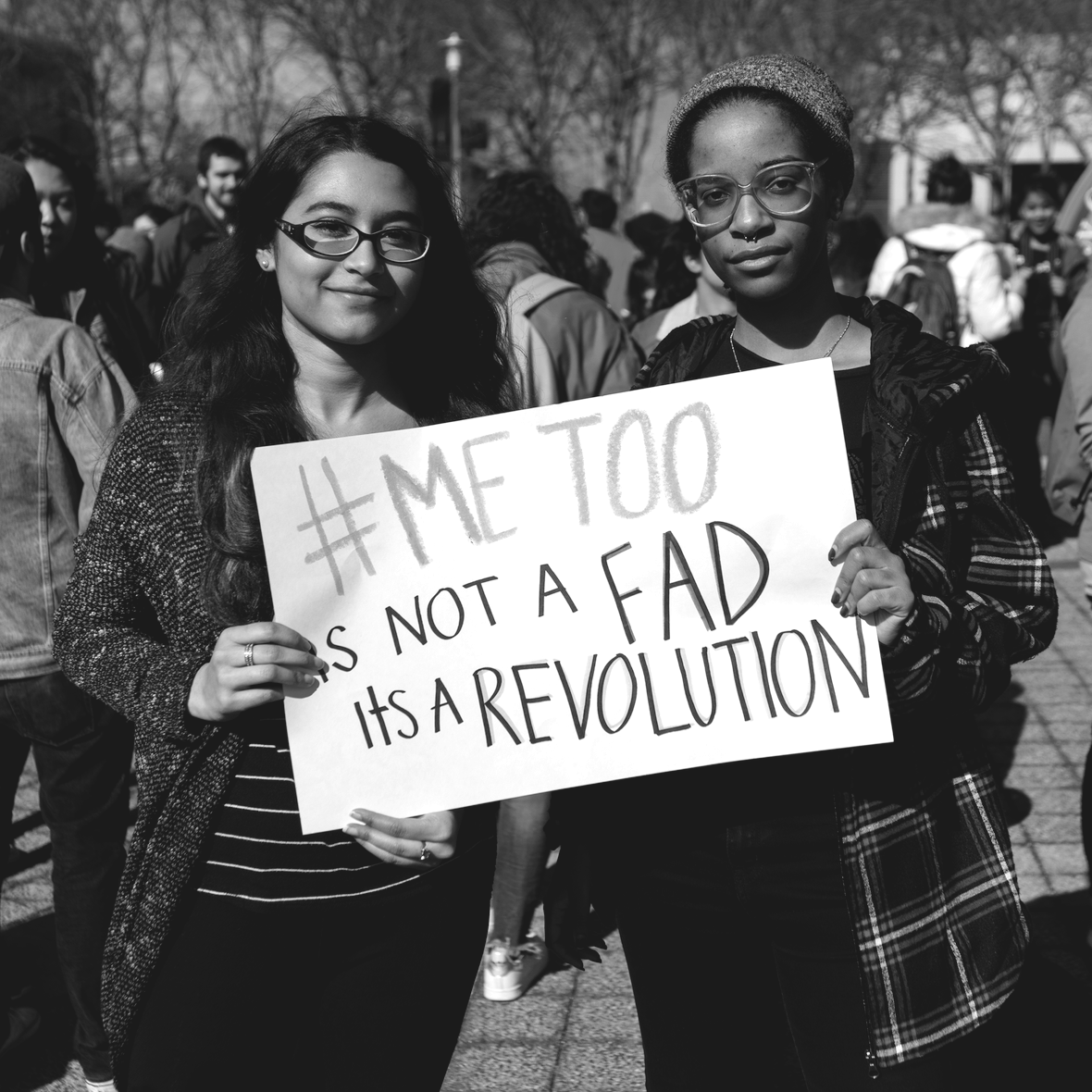
The Technological Underpinnings and Amplification of #MeToo
The rise and pervasive reach of the #MeToo movement are inextricably linked to the capabilities and widespread adoption of digital communication technologies. The internet, social media platforms, and mobile devices served as the essential infrastructure for its rapid dissemination and global impact. Without these tools, the movement might have remained localized or, at best, a more gradual, less visible shift.
The Genesis of a Hashtag: Early Origins and Digital Dissemination
While Tarana Burke is widely credited with coining the phrase “Me Too” in 2006 as part of her advocacy work to empower survivors of sexual violence, particularly young women of color, the hashtag’s viral explosion in 2017 was a distinct digital phenomenon. Following allegations of sexual abuse against Hollywood producer Harvey Weinstein, actress Alyssa Milano encouraged women to tweet “#MeToo” if they had been sexually harassed or assaulted. This simple act, amplified by the retweet and share functions of platforms like Twitter, Facebook, and Instagram, ignited a global cascade of personal testimonies. The hashtag provided a concise, searchable, and easily shareable identifier for a shared experience that had long been silenced by shame, fear, and systemic disempowerment.
The inherent anonymity and perceived safety offered by online platforms, even when posting publicly, allowed countless individuals to break their silence. For many, it was the first time they had publicly articulated their experiences, finding solidarity and validation in the overwhelming tide of similar stories. The visual and textual nature of social media allowed for the rapid spread of personal narratives, news articles, and calls to action, creating a sense of collective experience and shared outrage. The ease with which information could be shared across geographical boundaries meant that #MeToo quickly transcended cultural and national borders, demonstrating the universality of the issues it addressed.
Social Media as a Catalyst for Collective Action and Awareness
Social media platforms were not merely passive conduits for the #MeToo movement; they actively shaped its trajectory and impact. The algorithmic nature of these platforms, which prioritize engagement and trending topics, ensured that #MeToo remained visible and dominant in online discourse for extended periods. This sustained visibility was crucial in keeping the conversation alive, pressuring institutions, and encouraging further disclosures.
Furthermore, social media fostered a sense of community and mutual support among survivors. Online groups, forums, and comment sections became spaces where individuals could share coping strategies, seek advice, and find emotional solace. The collective narrative that emerged from these shared experiences began to chip away at the stigma associated with sexual harassment and assault, transforming it from an isolated personal failing to a systemic societal problem.
The visual aspect of social media also played a significant role. Images, infographics, and short videos summarizing key statistics or powerful quotes could be easily consumed and shared, making the complexities of sexual harassment more accessible to a wider audience. The use of user-generated content, from personal essays to artistic expressions, provided a rich tapestry of human experience that resonated deeply with many. This digital amplification allowed #MeToo to penetrate mainstream media coverage, influencing news cycles and policy debates, and ensuring that the conversation could not be easily ignored or dismissed.
The Digital Footprint and the Legacy of Accountability
The digital nature of the #MeToo movement has created a lasting and searchable record of allegations, disclosures, and the subsequent impact. This “digital footprint” has significant implications for accountability. Unlike past instances of widespread abuse that might have been swept under the rug or remained confined to private conversations, the online testimonies associated with #MeToo are permanently accessible. This digital archive serves as a constant reminder of the issues at hand and can hold individuals and institutions accountable for past and present behavior.
Companies and organizations now face increased scrutiny regarding their internal policies and responses to allegations. The fear of public backlash, amplified by social media, has incentivized more proactive and transparent approaches to addressing harassment claims. Furthermore, the digital documentation has facilitated investigations and legal proceedings, providing a wealth of evidence and corroborating testimonies. The legacy of #MeToo, therefore, is not only in the lives it has directly impacted but also in the lasting digital record that continues to shape discourse and demand accountability in the digital age. The permanence of online content means that the conversations initiated by #MeToo will continue to reverberate, influencing future generations and shaping the norms of professional and personal conduct.
The Broader Societal and Cultural Implications of #MeToo
Beyond its technological facilitation, the #MeToo movement has sparked profound shifts in societal attitudes, legal frameworks, and institutional practices. It has forced a collective introspection on power dynamics, consent, and the pervasive nature of gender-based discrimination.
Redefining Consent and Power Dynamics
At its core, #MeToo has brought about a critical re-evaluation of consent. The movement has emphasized that consent must be enthusiastic, affirmative, and ongoing, not merely the absence of a “no.” This has challenged traditional notions that often placed the onus on the victim to resist or prove a lack of consent. By sharing personal stories, survivors have illuminated the often subtle and insidious ways in which power imbalances can coerce individuals into unwanted sexual encounters, blurring the lines of genuine consent.

The movement has also brought to light the deeply entrenched power structures that have historically protected perpetrators and silenced victims. In many industries, individuals in positions of authority have leveraged their power to exploit those beneath them, often with impunity. #MeToo has exposed these dynamics, revealing how fear of retaliation, career damage, and disbelief can prevent individuals from speaking out. This has led to a greater understanding of how systemic inequalities, particularly gender inequality, contribute to the prevalence of sexual harassment and assault. The ongoing conversations are pushing for a more equitable distribution of power and a dismantling of patriarchal structures that enable abuse.
The Impact on Industries and Institutions
The reverberations of #MeToo have been felt across nearly every sector of society, from entertainment and media to politics, academia, and the corporate world. Numerous high-profile individuals have faced consequences for their actions, including job loss, public shaming, and legal repercussions. This has created a ripple effect, encouraging greater accountability within organizations and prompting a reassessment of workplace cultures.
Many companies have implemented or strengthened their sexual harassment policies, conducted mandatory training for employees, and established clearer reporting mechanisms. The focus has shifted from simply reacting to complaints to proactively fostering environments where harassment is not tolerated and where employees feel safe and empowered to speak up. Universities have revisited their policies on campus sexual assault, and governments have debated and enacted new legislation aimed at better protecting victims and holding perpetrators accountable. While progress has been uneven and met with resistance, the #MeToo movement has undeniably forced institutions to confront their complicity and take tangible steps towards creating safer and more equitable environments.
The Evolution of #MeToo: Ongoing Challenges and Future Directions
The #MeToo movement is not a static event; it is a dynamic and evolving force. While it has achieved significant milestones, the fight for lasting change is ongoing. One of the key challenges is ensuring that the momentum is sustained and that the initial outcry does not fade. There is also the critical need to address the intersectionality of experiences, recognizing that women of color, LGBTQ+ individuals, and other marginalized groups often face unique challenges and barriers when reporting abuse.
Furthermore, the movement continues to grapple with issues of due process, the potential for false accusations, and the complexities of navigating legal and social consequences. Finding a balance between ensuring accountability for perpetrators and protecting the rights of all individuals is a delicate and ongoing societal discussion. The future direction of #MeToo will likely involve continued advocacy for legislative reform, further dismantling of harmful power structures, and sustained efforts to cultivate cultures of respect and consent in all aspects of life. The conversation has shifted, and the expectation of accountability is now firmly embedded in the public consciousness, thanks to the powerful amplification and enduring legacy of this transformative movement.
The Transformative Power of #MeToo on Personal and Professional Lives
The #MeToo movement has had a profound and often life-altering impact on the individuals who have shared their stories, as well as on the broader fabric of professional and personal interactions. It has empowered survivors, shifted societal norms, and fostered a greater understanding of the pervasive nature of sexual harassment and assault.
Empowering Survivors and Fostering Solidarity
Perhaps the most significant impact of #MeToo has been the empowerment it has provided to survivors. For decades, many individuals who experienced sexual harassment or assault remained silent, burdened by shame, fear, and a sense of isolation. The collective voice of the #MeToo movement created a powerful sense of solidarity, demonstrating that they were not alone in their experiences. This shared narrative allowed many to reclaim their agency, confront their trauma, and begin the process of healing.
The act of speaking out, even if anonymously or through a hashtag, can be an incredibly cathartic and empowering experience. It allows individuals to take control of their own narrative, to transform their pain into a force for change. The support systems that have emerged, both online and offline, have further strengthened this sense of empowerment, offering a community of understanding and shared resilience. This collective voice has challenged the silence that has long protected perpetrators and has begun to dismantle the stigma that has historically been placed upon victims.
Shifting Professional Conduct and Workplace Culture
The implications of #MeToo for professional conduct and workplace culture have been substantial. Before the movement gained widespread traction, many workplaces tolerated or implicitly condone behaviors that would now be considered unacceptable. The fear of professional repercussions often outweighed the desire to address inappropriate conduct. #MeToo has fundamentally altered this dynamic.
Companies are now more acutely aware of the potential legal and reputational damage that can result from mishandling allegations of sexual harassment. This has led to increased investment in training programs, the establishment of more robust reporting mechanisms, and a greater emphasis on fostering respectful and inclusive workplace environments. Hiring and promotion practices are also being scrutinized, with a growing awareness of the need for diverse leadership and a commitment to preventing power imbalances that can facilitate abuse. The concept of a “toxic workplace” is now more widely understood and addressed, with companies increasingly recognizing that a culture of respect is not just a moral imperative but also a business necessity, crucial for attracting and retaining talent.
The Long-Term Vision: Sustaining Momentum and Ensuring Lasting Change
While the initial surge of the #MeToo movement brought about significant changes, the work of ensuring lasting societal transformation is far from over. The challenge lies in sustaining the momentum and translating awareness into enduring systemic reform. This requires a multifaceted approach that goes beyond awareness campaigns and embraces proactive, structural change.
One critical aspect is the ongoing need for education, particularly regarding consent, healthy relationships, and bystander intervention. Educating future generations from an early age can help to prevent the perpetuation of harmful attitudes and behaviors. Furthermore, continued advocacy for legislative reform is essential to strengthen legal protections for survivors and ensure that perpetrators are held accountable through fair and effective legal processes. This includes addressing issues such as statutes of limitations, non-disclosure agreements that silence victims, and the need for greater transparency in investigations.
The #MeToo movement has undeniably created a paradigm shift, altering the conversation around sexual harassment and assault in profound ways. It has empowered individuals, challenged entrenched power structures, and forced institutions to confront uncomfortable truths. The legacy of #MeToo will continue to unfold as society collectively works towards creating a future where consent is universally understood and respected, where power is wielded responsibly, and where all individuals feel safe and valued in their personal and professional lives. The journey is ongoing, but the foundation for a more just and equitable society has been irrevocably strengthened by the courage of those who dared to say, “Me Too.”
aViewFromTheCave is a participant in the Amazon Services LLC Associates Program, an affiliate advertising program designed to provide a means for sites to earn advertising fees by advertising and linking to Amazon.com. Amazon, the Amazon logo, AmazonSupply, and the AmazonSupply logo are trademarks of Amazon.com, Inc. or its affiliates. As an Amazon Associate we earn affiliate commissions from qualifying purchases.