
The seemingly simple question, “What does mauve look like?” delves into a fascinating intersection of art, perception, and crucially for our purposes, the realm of Brand Identity and Design. While many might associate color with subjective taste or artistic preference, in the professional world of branding, color is a potent and strategic tool. Mauve, with its nuanced and often debated hue, offers a compelling case study in how colors are perceived, communicated, and leveraged to evoke specific emotions and associations within a brand’s visual identity. This exploration will dissect the visual characteristics of mauve, its historical and cultural connotations, and its strategic application in branding.

Understanding the Visual Nuances of Mauve
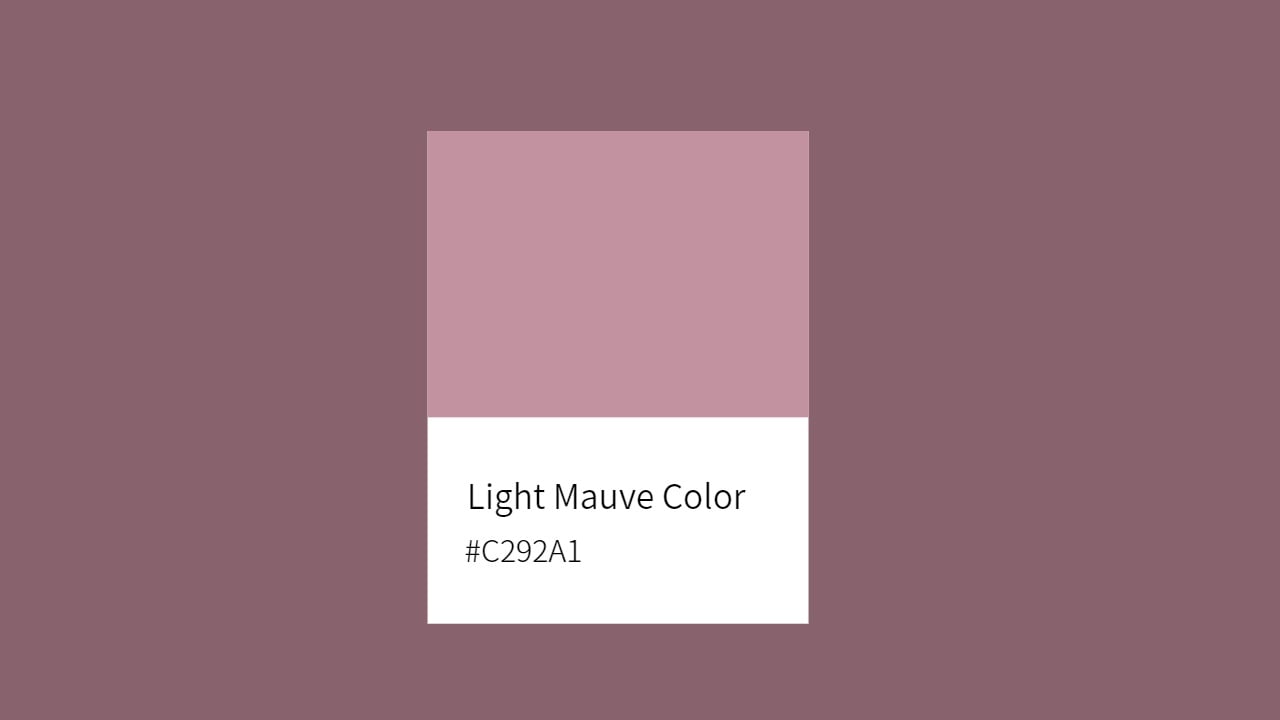
Mauve is not a singular, easily definable color. Its essence lies in its ambiguity and its position on the spectrum between purple and pink, often with a grey or dusty undertone. This inherent complexity is precisely what makes it both challenging and intriguing for designers.
The Spectrum of Mauve: From Dusty Rose to Muted Lavender
At its core, mauve can be described as a pale, muted shade of purple. However, this definition barely scratches the surface of its diverse manifestations. Some iterations lean more heavily towards pink, resulting in a shade reminiscent of faded roses or delicate blossoms. These variations often feel romantic, soft, and feminine.
Conversely, other shades of mauve exhibit a stronger violet or lavender influence, but without the vibrancy of a pure purple. These can appear more sophisticated, mysterious, or even regal, especially when paired with darker accents. The crucial element that distinguishes mauve from a simple pink or lavender is its inherent “dustiness” or “greyiness.” This muted quality softens the color, preventing it from being overly bright or saccharine. It lends an air of maturity and a certain understated elegance.
The Impact of Light and Context on Perception
The appearance of mauve is profoundly influenced by its surrounding elements, most notably light. In bright, natural light, mauve can appear more vibrant and pinkish. However, in dimmer conditions or under artificial lighting, its cooler, greyer undertones tend to become more prominent, pushing it towards a more subtle lavender or even a taupe with purple hints.
Furthermore, the color context is paramount. When placed next to vibrant colors, mauve can recede and appear more subdued. Conversely, when juxtaposed with neutrals like white, cream, or grey, its subtle purple or pink hues can be amplified. This sensitivity to context is a critical consideration for brand designers, as the intended perception of mauve can be significantly altered depending on where and how it’s displayed. A logo featuring mauve might appear quite different on a digital screen versus a printed brochure, or against a stark white background versus a deep navy.
Technical Color Definitions and Variations
For those working within digital design and print, understanding the technical specifications of mauve is essential for consistent brand representation. While there isn’t a single, universally agreed-upon RGB or HEX code for “mauve,” common interpretations fall within specific ranges.
- HEX Codes: Many shades commonly referred to as mauve fall within the HEX range of #9370DB (MediumPurple, which is a bit more purple) to #E6E6FA (Lavender, which is lighter and more pink/grey) and extending to softer variations like #C7B0E8 or #D8BFD8. The “dusty” quality often comes from adding grey components.
- RGB Values: Similarly, RGB values for mauve will vary. A general representation might be around R: 147, G: 112, B: 219 (for a more purplish mauve) or lighter and more desaturated versions.
- CMYK Values: In print, CMYK values will further depend on the specific ink mixing and desired richness. The key is to select a CMYK equivalent that translates as closely as possible to the digital representation, ensuring brand consistency across all mediums.
This technical understanding allows brands to precisely define their chosen shade of mauve, ensuring that it is reproduced faithfully across websites, packaging, marketing materials, and any other brand touchpoint.
Historical and Cultural Associations of Mauve
The perception of any color is not solely an objective visual phenomenon; it is deeply intertwined with historical usage, cultural associations, and evolving societal trends. Mauve, in particular, has a rich and somewhat romantic history that influences its contemporary branding implications.
The Victorian Era and the “Mauve Decade”
Mauve experienced a significant surge in popularity during the mid-to-late 19th century, particularly in the Victorian era. This rise was directly linked to the accidental discovery of the first synthetic dye, mauveine, by William Henry Perkin in 1856. This innovation democratized the color, making it accessible beyond the elite who could afford natural dyes. The color quickly became fashionable, leading to the period being dubbed the “Mauve Decade.”

During this time, mauve was associated with sophistication, gentility, and a certain romantic sensibility. It was seen as a fashionable and somewhat unconventional choice, embodying a refined taste. This historical association imbues the color with a sense of tradition and enduring style, even in contemporary contexts.
Symbolism and Emotional Resonance
Beyond its historical fashion trend status, mauve carries a spectrum of symbolic meanings and emotional resonances that brands can strategically tap into.
- Spirituality and Mysticism: Due to its connection to purple, mauve can evoke feelings of spirituality, introspection, and a sense of the mystical. It can suggest intuition, wisdom, and a connection to something beyond the material.
- Calmness and Serenity: The muted and desaturated nature of mauve can also be very calming and serene. It’s a gentle color that doesn’t demand attention but rather offers a sense of peace and tranquility. This can be beneficial for brands aiming to convey a sense of relaxation or well-being.
- Creativity and Individuality: While not as bold as primary colors, mauve’s unique position between pink and purple can suggest creativity, imagination, and a touch of individuality. It’s a color that stands out without being ostentatious, appealing to those who value unique expression.
- Nostalgia and Whimsy: The “dusty” quality of mauve can also evoke a sense of nostalgia, reminiscent of vintage photographs or antique textiles. This can add a layer of warmth and sentimental appeal to a brand.
Understanding these associations allows brands to select mauve not just for its aesthetic appeal, but for the psychological impact it can have on their target audience.
Strategic Application of Mauve in Branding
In the competitive landscape of brand building, every element of visual identity must serve a strategic purpose. Mauve, with its unique blend of sophistication, softness, and subtle depth, offers a compelling palette for brands seeking to communicate specific messages and connect with their audience on an emotional level.
Evoking Specific Brand Personalities
The versatility of mauve allows it to support a range of brand personalities.
- Luxury and Refinement: A deeper, more saturated mauve, perhaps with grey undertones, can convey a sense of understated luxury and sophisticated elegance. Think of high-end spas, artisanal perfumeries, or boutique fashion houses. It suggests quality without overt ostentation, appealing to a discerning clientele.
- Creativity and Innovation: For brands focused on the arts, design, or cutting-edge technology that still wants to feel approachable, a brighter, more playful mauve can be effective. It suggests imagination, forward-thinking, and a unique perspective. This could be seen in graphic design agencies, indie game developers, or innovative lifestyle brands.
- Wellness and Serenity: Mauve’s calming and gentle qualities make it an excellent choice for brands in the wellness, health, and self-care sectors. Think of natural skincare lines, meditation apps, or therapeutic services. It communicates peace, balance, and a nurturing approach.
- Femininity and Romance: While not exclusively feminine, certain shades of mauve, particularly those leaning towards dusty rose, can evoke romance, gentleness, and a soft feminine aesthetic. This is often seen in bridal wear, florists, or brands targeting a primarily female demographic with a focus on tenderness.
The specific shade and its application are crucial. A pale, almost ethereal mauve will project a different personality than a richer, more grounded shade.
Color Palettes and Combinations for Maximum Impact
Mauve rarely exists in isolation within a brand identity. Its effectiveness is amplified when strategically paired with other colors. The choice of complementary or contrasting colors can either soften or accentuate mauve’s inherent qualities.
- Neutrals for Sophistication: Pairing mauve with classic neutrals like crisp white, soft cream, charcoal grey, or even deep navy can elevate its sophisticated and luxurious feel. White provides a clean backdrop, while darker neutrals add depth and grounding.
- Metallics for Glamour: Gold, rose gold, or silver can add a touch of glamour and opulence when combined with mauve. This combination is often seen in premium product packaging or event branding where a hint of sparkle is desired.
- Complementary Hues for Contrast: While mauve is a nuanced color, strategic pairings with complementary or analogous colors can create visual interest. For example, a soft, muted green can offer a gentle contrast that brings out the purplish tones in mauve, creating an earthy and organic feel. A blush pink can enhance its romantic side.
- Monochromatic Variations for Depth: Using different shades and tints of mauve within a single color palette can create a sophisticated and visually rich experience without introducing competing colors. This approach can be incredibly elegant and subtly dynamic.
The success of these combinations lies in maintaining a balanced and harmonious visual language that reinforces the brand’s core message.
Industry Examples and Case Studies
While specific brand names are not provided, we can infer strategic uses of mauve across various industries.
- Beauty and Cosmetics: Many high-end and mid-range beauty brands utilize mauve in their packaging and marketing to evoke a sense of modern elegance, femininity, and a touch of sophistication. Think of eyeshadow palettes, lipstick shades, or foundation packaging.
- Fashion and Apparel: Designers often use mauve for collections that aim for a blend of romanticism and contemporary style. It can be found in dresses, accessories, and even streetwear, conveying a mood that is chic yet approachable.
- Home Decor and Lifestyle: Brands in this sector might use mauve for products aiming to create a serene, calming, or subtly luxurious atmosphere in a home. This could include bedding, decorative accents, or even paint colors.
- Tech and Digital Services (with a twist): While typically associated with more “traditional” aesthetics, tech brands looking to differentiate themselves by appearing more empathetic, creative, or user-friendly might subtly incorporate mauve. This could be in app interfaces, website design, or marketing collateral that aims to feel less corporate and more human-centric.
By carefully considering the visual characteristics, historical connotations, and psychological impact of mauve, brands can harness its unique power to craft a memorable, resonant, and strategically effective identity. The question of “what does mauve look like” thus transforms from a simple color inquiry into a profound examination of brand communication and visual storytelling.
aViewFromTheCave is a participant in the Amazon Services LLC Associates Program, an affiliate advertising program designed to provide a means for sites to earn advertising fees by advertising and linking to Amazon.com. Amazon, the Amazon logo, AmazonSupply, and the AmazonSupply logo are trademarks of Amazon.com, Inc. or its affiliates. As an Amazon Associate we earn affiliate commissions from qualifying purchases.