
The phrase “indictment” often conjures images of dramatic courtroom scenes and the solemn pronouncements of justice. While its legal meaning is precise, the implications of being indicted extend far beyond the courtroom walls, particularly when it comes to financial well-being. For individuals and businesses alike, an indictment can trigger a cascade of financial consequences, impacting everything from personal assets and business operations to future earning potential and investment prospects. Understanding what an indictment signifies in a legal context is the first step in grasping its profound financial ramifications.

The Legal Foundation: What Exactly is an Indictment?
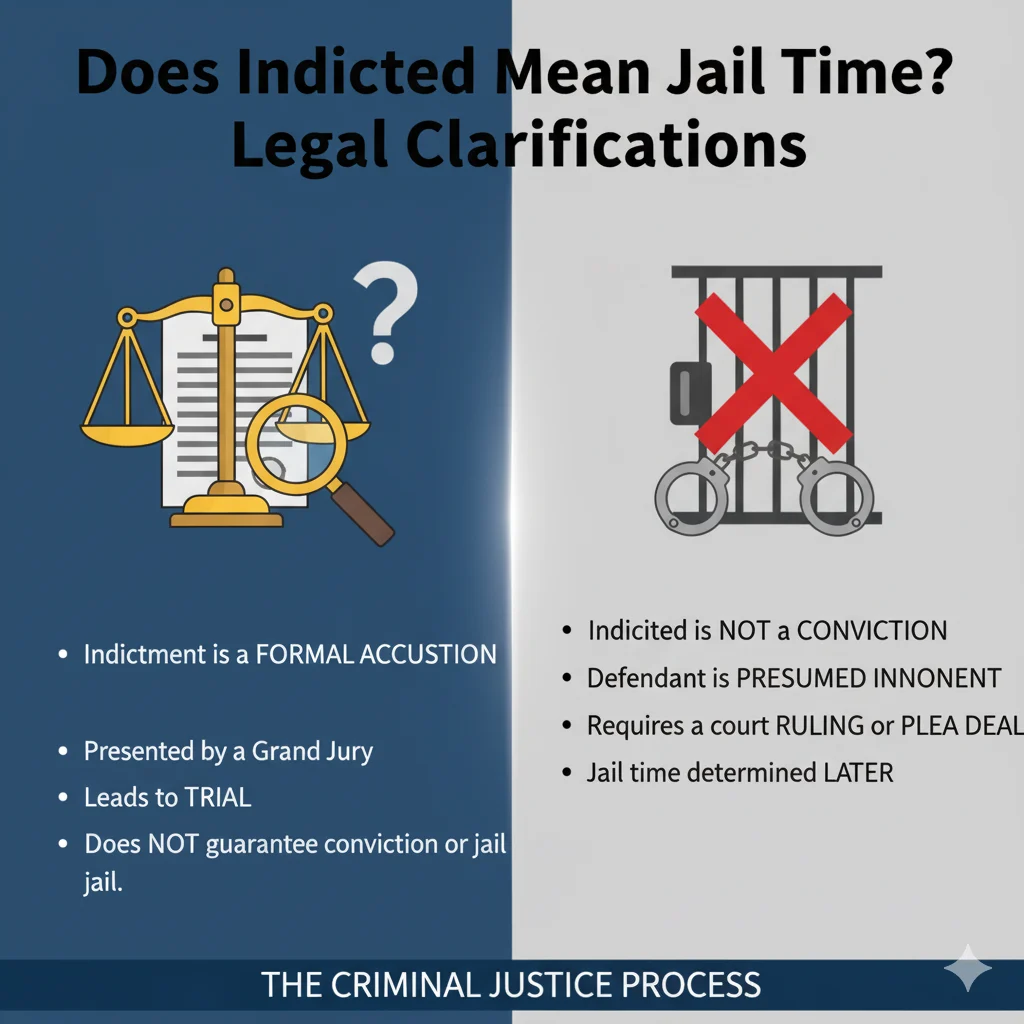
At its core, an indictment is a formal accusation by a grand jury that there is sufficient evidence to bring a criminal charge against a person or entity. It’s not a conviction, nor is it a finding of guilt. Instead, it’s a legal determination that a crime may have occurred and that further proceedings are warranted to establish guilt or innocence. This distinction is critical, as the legal process that follows an indictment is designed to test the evidence and provide a fair trial.
The Role of the Grand Jury
The grand jury is a group of citizens, typically larger than a trial jury, who hear evidence presented by the prosecution in secret. Their primary function is to determine if probable cause exists to believe that a crime has been committed and that the accused committed it. They do not decide guilt or innocence; that is the role of a trial jury (or a judge in a bench trial). The proceedings are ex parte, meaning only the prosecution presents evidence. This secrecy is intended to protect the accused from public scrutiny before a formal charge is substantiated and to prevent the destruction of evidence or intimidation of witnesses.
The Indictment Document: The Formal Accusation
Once a grand jury decides there is sufficient evidence, they issue a “true bill” of indictment. This formal document outlines the specific charges being brought against the defendant. It lists the alleged offenses, the relevant statutes, and the factual basis for the accusations. Receiving an indictment signifies that the legal system is moving forward with a criminal prosecution. For the accused, this is a pivotal moment, triggering a series of immediate and often significant financial considerations.
Financial Ripples: The Immediate Economic Impact of an Indictment
The moment an indictment is handed down, a complex web of financial consequences begins to unfold. These effects can be swift and severe, impacting an individual’s or a business’s liquidity, creditworthiness, and overall financial stability. Proactive financial management and a clear understanding of these potential impacts are crucial for navigating this challenging period.
Asset Freezes and Seizures
One of the most immediate and impactful financial consequences of an indictment, particularly in cases involving alleged financial crimes or substantial illicit gains, is the potential for asset freezes or seizures. Law enforcement agencies and prosecutors may seek court orders to temporarily block access to or permanently seize assets they believe are linked to the alleged criminal activity. This can include bank accounts, real estate, vehicles, investments, and even personal property. The purpose of such actions is often to prevent the defendant from dissipating assets that could be used to pay fines, restitution, or forfeiture if convicted, or to disrupt ongoing criminal enterprises. For a business, an asset freeze can be catastrophic, halting operations and making it impossible to meet payroll or other essential expenses.
Legal Defense Costs
The financial burden of mounting a legal defense is substantial. Hiring experienced criminal defense attorneys, conducting thorough investigations, gathering evidence, and engaging expert witnesses all come with significant fees. These costs can quickly escalate into the hundreds of thousands, or even millions, of dollars, depending on the complexity and severity of the charges. For individuals, this can deplete personal savings, necessitate the sale of assets, or lead to substantial debt. For businesses, legal defense costs can strain operating budgets and divert capital from core business activities. The uncertainty surrounding the outcome of a criminal case makes budgeting for these expenses incredibly challenging.
Reputational Damage and Loss of Business Opportunities
Beyond direct financial costs, an indictment carries immense reputational damage. For individuals, this can lead to job loss, difficulty securing future employment, and a tarnished personal brand. For businesses, the negative publicity associated with an indictment can erode customer trust, deter potential investors, and alienate business partners. Contracts may be terminated, and new opportunities may be foreclosed upon. In many industries, particularly those heavily regulated or requiring high levels of trust, a criminal indictment can be a death knell for business relationships and future growth. The intangible cost of reputational damage can be far more significant and long-lasting than immediate financial losses.

Long-Term Financial Repercussions: Beyond the Verdict
The financial implications of an indictment do not necessarily end with a verdict of guilty or not guilty. The legal process itself, and the nature of the charges, can have enduring effects on an individual’s or a business’s financial future. Understanding these long-term repercussions is vital for strategic financial planning.
Impact on Creditworthiness and Financial Standing
A criminal indictment, especially one that leads to a conviction or significant legal settlements, can severely damage credit scores and overall financial standing. Lenders may be hesitant to extend credit, mortgage applications can be denied, and even renting an apartment can become a challenge. For businesses, a conviction can lead to the loss of licenses, permits, and the ability to participate in government contracts. This diminished creditworthiness can restrict access to capital, making it difficult to grow, expand, or even maintain existing operations. The financial stigma can persist for years, even after legal proceedings have concluded.
Fines, Restitution, and Forfeiture
If an individual or business is convicted of a crime, the financial penalties can be severe. Fines are often imposed, which can range from nominal amounts to millions of dollars, depending on the offense and the jurisdiction. Restitution may be ordered, requiring the defendant to compensate victims for their losses. In cases involving financial crimes or the proceeds of illegal activity, forfeiture can be a devastating consequence, allowing the government to seize assets that were allegedly obtained through criminal means or used in the commission of a crime. These financial penalties can deplete assets, lead to bankruptcy, and create long-term debt obligations.
Future Earning Potential and Investment Prospects
A criminal record resulting from an indictment and subsequent conviction can profoundly impact future earning potential. Many employers conduct background checks, and a criminal history can be a significant barrier to employment, particularly in fields requiring trust and security. This can lead to a reduced capacity to earn income, impacting personal financial stability and the ability to meet financial obligations. For investors, a criminal record can also raise red flags, making it more difficult to attract investment capital for new ventures or businesses. The perception of risk associated with individuals or entities that have faced criminal charges can deter potential financial backing.
Strategies for Financial Resilience in the Face of Indictment
While the financial implications of an indictment can be daunting, a proactive and strategic approach can help mitigate the damage and foster financial resilience. Understanding the legal process and its potential financial tentacles is the first step towards effective management.
Seeking Expert Legal and Financial Counsel
The most crucial step upon facing an indictment is to secure experienced legal representation. A skilled criminal defense attorney can navigate the legal complexities, advocate for the best possible outcome, and advise on immediate legal actions that may have financial implications. Concurrently, seeking advice from financial professionals, such as forensic accountants or financial advisors specializing in crisis management, can be invaluable. They can help assess the current financial situation, plan for legal defense costs, manage cash flow, and develop strategies to protect assets where legally permissible.
Proactive Financial Planning and Asset Management
While facing an indictment, it is essential to conduct a thorough review of all financial assets and liabilities. This includes understanding cash reserves, liquidating non-essential assets if necessary to fund legal defense, and exploring all available legal avenues for protecting assets from potential seizure or forfeiture. This is not about hiding assets but about strategically managing them within the bounds of the law to ensure continued financial stability during the legal proceedings. Open communication with financial institutions, where appropriate and legally advisable, can also help manage account access and prevent unexpected disruptions.
Rebuilding and Maintaining Financial Reputation
Following the conclusion of legal proceedings, whether with a favorable or unfavorable outcome, a focus on rebuilding financial reputation is paramount. For individuals, this involves diligently managing finances, consistently meeting payment obligations, and working to repair credit scores. For businesses, it may involve transparent communication with stakeholders, demonstrating a renewed commitment to ethical practices, and focusing on delivering value to customers. Transparency, integrity, and a consistent track record of responsible financial behavior are key to regaining trust and re-establishing a strong financial footing in the long term. The journey may be challenging, but with a strategic approach and unwavering commitment, financial recovery and future stability are achievable.
aViewFromTheCave is a participant in the Amazon Services LLC Associates Program, an affiliate advertising program designed to provide a means for sites to earn advertising fees by advertising and linking to Amazon.com. Amazon, the Amazon logo, AmazonSupply, and the AmazonSupply logo are trademarks of Amazon.com, Inc. or its affiliates. As an Amazon Associate we earn affiliate commissions from qualifying purchases.