
The ubiquitous presence of red across the spectrum of human experience is undeniable. From the blush of embarrassment to the heat of a flame, from a lover’s rose to a stop sign’s imperative, red evokes a powerful and multifaceted response. For brands, understanding the profound psychological impact of this vibrant hue is not merely an aesthetic consideration; it’s a strategic imperative. In the competitive landscape of modern business, color is a potent, non-verbal communicator, capable of shaping perceptions, driving emotions, and ultimately influencing purchasing decisions. This article delves into the rich symbolism of red and explores its strategic application within the realm of brand identity, marketing, and design.
The Psychological Palette: Unpacking the Core Meanings of Red
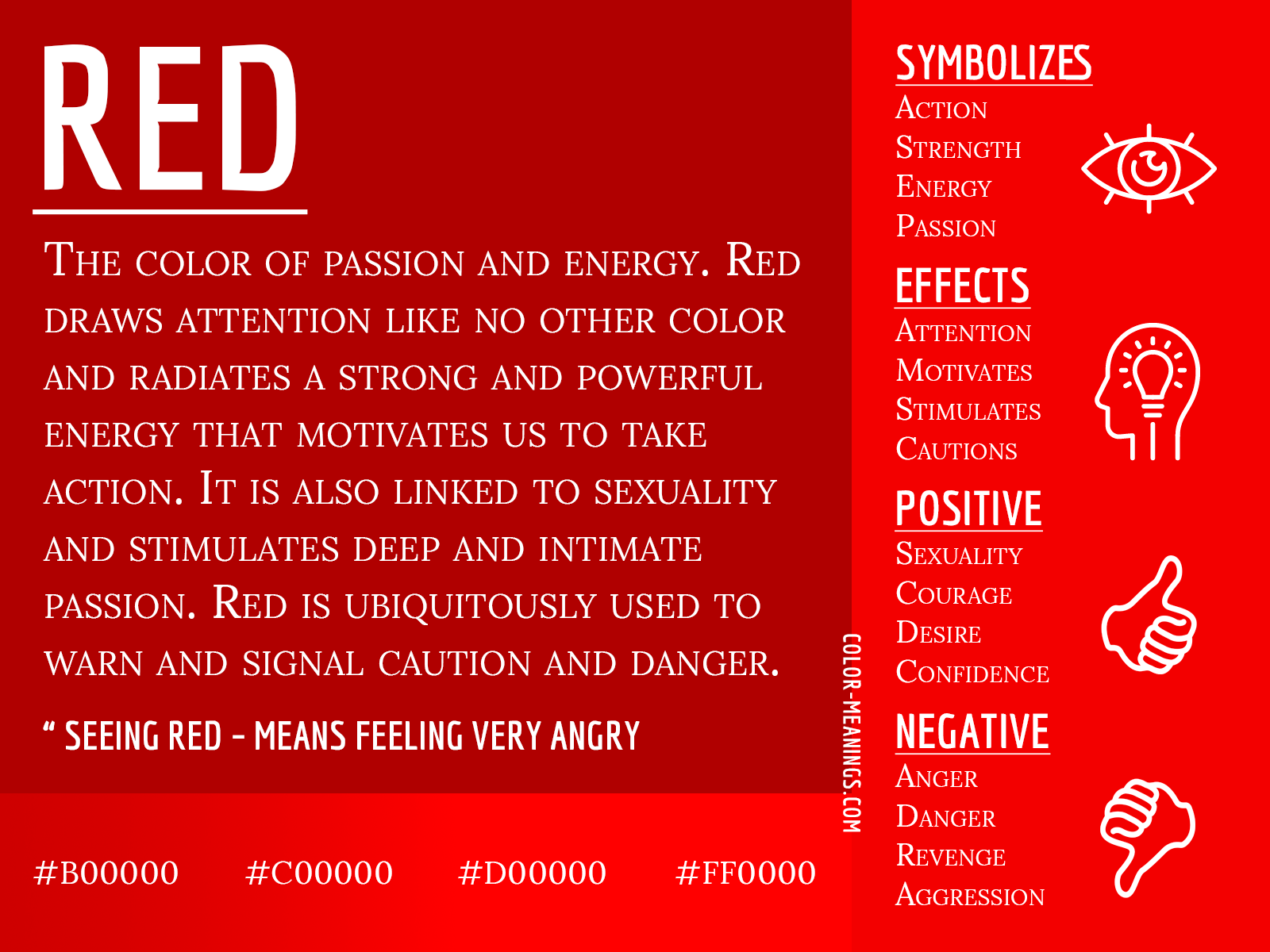
Red is a color that commands attention. It’s primal, visceral, and deeply ingrained in our collective consciousness. Its meaning is not monolithic; rather, it branches out into a complex web of associations, some positive, some cautionary, and some intensely charged. Understanding these core psychological underpinnings is the first step to wielding red effectively in a brand’s arsenal.
Passion, Love, and Desire: The Romantic and Emotional Core
Perhaps the most universally recognized association with red is its connection to passion, love, and desire. Think of Valentine’s Day, heart-shaped candies, and bouquets of roses – red is the undisputed color of romance. This emotional resonance is deeply rooted in biological and cultural factors. Physiologically, red can increase heart rate and blood pressure, creating a sense of excitement and stimulation, mirroring the physical sensations of arousal and intense emotion. For brands, this association can be leveraged to evoke feelings of warmth, intimacy, and strong emotional connection with their products or services.
- Eliciting Urgency and Excitement: The stimulating nature of red can translate into a sense of urgency and excitement. This is often employed in marketing to create anticipation and a feeling of desirability. Consider how luxury brands might use subtle hints of red in their packaging or advertising to suggest a coveted, high-stakes purchase.
- Symbol of Strength and Vitality: Beyond romance, red is also a symbol of strength, energy, and vitality. It’s the color of blood, the life force, and the color of courage. This inherent power can be tapped by brands aiming to project an image of robustness, resilience, and dynamism. Think of sports brands or companies that emphasize performance and endurance.
Danger, Warning, and Alert: The Cautionary Signal
Conversely, red also carries significant connotations of danger, warning, and alert. This is a crucial aspect of red’s signaling power, deeply embedded in human instinct for survival. The stop sign, emergency vehicles, and warning labels all utilize red to immediately capture attention and convey a sense of potential risk or the need for immediate action. This association is not necessarily negative for brands; instead, it can be strategically employed to convey seriousness, authority, and a commitment to safety.
- Commanding Immediate Attention: The inherent visibility and attention-grabbing nature of red make it an effective tool for signaling critical information. In branding, this can translate to product features that require user attention or emphasize safety protocols. For instance, a software application designed for security might use red sparingly but strategically for critical alerts or warnings.
- Conveying Authority and Seriousness: In certain contexts, red can signify authority and importance. This is why many governmental seals or national flags incorporate red. Brands that wish to convey a sense of gravitas, reliability, and seriousness might judiciously incorporate red into their visual identity.
Red in Brand Identity: More Than Just a Splash of Color
The strategic selection of color is a cornerstone of brand identity development. Red, with its potent psychological associations, offers brands a powerful toolkit to shape consumer perception, communicate core values, and differentiate themselves in a crowded marketplace.
Building an Emotional Connection: Red as a Brand Catalyst
Brands that aim to evoke strong emotional responses often turn to red. Its ability to stimulate passion and excitement makes it ideal for industries where desire and sensory experience are paramount. Think of fast-food chains using red to stimulate appetite, or luxury fashion brands using it to convey opulence and desirability. The emotional resonance of red can create a memorable and impactful brand experience, fostering a deeper connection with consumers.
- Stimulating Appetite and Urgency: The fast-food industry is a prime example of red’s ability to stimulate appetite and create a sense of urgency. The warm, energetic connotations of red are believed to encourage quicker consumption and more frequent visits. Many well-known fast-food brands prominently feature red in their logos and restaurant designs, leveraging its psychological impact to drive sales.
- Evoking Excitement and Adventure: For brands in the entertainment, gaming, or sports sectors, red can be a powerful tool to convey excitement, adventure, and high-energy experiences. It taps into the primal thrill-seeking aspect of human nature, making products and services feel more dynamic and engaging.
- Communicating Luxury and Desire: While sometimes associated with affordability (e.g., fast food), red can also be used to convey a sense of luxury, exclusivity, and intense desire. When paired with sophisticated design elements, gold, or black, red can elevate a brand to a premium status, suggesting a coveted and high-value offering.

Signaling Safety and Trust: The Responsible Application of Red
Despite its association with danger, red can also be strategically employed to build trust and convey a commitment to safety. This nuanced application requires careful consideration of context and design. For industries where safety and reliability are paramount, red can be used to highlight critical features, safety warnings, or the rigorous standards the brand adheres to.
- Emphasizing Safety Features and Protocols: In industries like healthcare, emergency services, or manufacturing, red can be used to draw attention to safety mechanisms, warning labels, or emergency procedures. This ensures that critical information is not overlooked, reinforcing the brand’s dedication to the well-being of its customers or employees.
- Establishing Authority and Credibility: When used judiciously, red can lend an air of authority and credibility to a brand. It signals that the brand is serious, dependable, and takes its responsibilities seriously. This can be particularly effective for brands that operate in highly regulated industries or those that need to establish a strong, trustworthy presence.
- Creating a Sense of Urgency for Action (Non-Commercial): Beyond commercial appeals, red can be used to signal the need for immediate action in non-commercial contexts, such as public service announcements or environmental campaigns. Its immediate attention-grabbing quality ensures that important messages are received and acted upon.
Red in Marketing and Design: Strategic Applications for Impact
The tangible application of red within marketing campaigns and design elements is where its psychological power truly comes to life. From logos and packaging to website banners and advertising, the strategic use of red can significantly influence consumer behavior and brand perception.
Logo and Visual Identity: The Enduring Power of Red
A brand’s logo is often the first point of contact with consumers. A logo that incorporates red can immediately communicate a specific set of emotions and values. The choice of red, and how it is integrated into the overall design, can make or break a brand’s initial impression.
- Creating a Memorable and Distinctive Mark: Red’s vibrancy makes it a highly memorable color. Brands that use red in their logos often stand out from competitors, creating a distinctive visual identity that is easily recognizable and recalled by consumers. Think of iconic red logos that are instantly associated with their respective brands.
- Conveying Brand Personality: Whether it’s the playful exuberance of a fast-food chain or the sophisticated allure of a luxury brand, the red in a logo can directly communicate the brand’s personality and target audience. It sets the tone for all subsequent brand interactions.
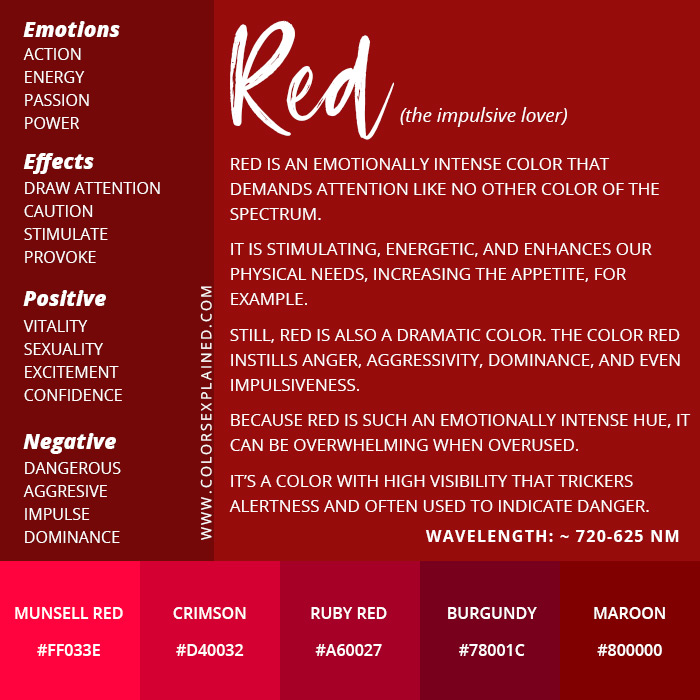
- Strategic Use in Different Shades: The impact of red can be further refined by using different shades. A bright, fiery red might convey energy and passion, while a deeper, maroon hue might suggest sophistication and power. Understanding these nuances allows for precise emotional targeting.
Packaging and Product Design: Red as a Purchase Driver
In the retail environment, packaging is a silent salesperson. Red’s ability to grab attention and stimulate emotion makes it a powerful tool in product design and packaging. It can influence impulse purchases, highlight key product benefits, and create a sense of urgency to buy.
- Driving Impulse Purchases: The stimulating effect of red can contribute to impulse buying. Products that are prominently displayed with red packaging are more likely to catch a consumer’s eye and trigger an immediate desire to purchase, especially when combined with limited-time offers or sales.
- Highlighting Promotions and Sales: Red is the color of sales and discounts. Retailers frequently use red to indicate special offers, clearance events, or limited-time promotions. This association is so strong that consumers often associate red with savings and value.
- Enhancing Perceived Value and Excitement: For certain product categories, red packaging can enhance the perceived value and excitement surrounding the item. It can make a product feel more premium, desirable, or adventurous, appealing to specific consumer segments.
Digital Marketing and User Experience: Red’s Call to Action
In the digital realm, where attention spans are short, red’s ability to command attention is invaluable. It can be used strategically in website design, calls to action, and digital advertising to guide user behavior and drive conversions.
- Effective Calls to Action (CTAs): Red is frequently used for call-to-action buttons on websites and in digital advertisements. Its visual prominence ensures that these buttons are noticed and clicked, effectively guiding users towards desired actions like “Buy Now,” “Sign Up,” or “Learn More.”
- Highlighting Important Information: Similar to its role in physical signage, red can be used in digital interfaces to draw attention to critical information, alerts, or error messages. This ensures users don’t miss important updates or warnings.
- Creating Emotional Engagement in Digital Campaigns: Red’s emotional resonance can be leveraged in digital marketing campaigns to evoke specific feelings and create a more impactful user experience. This could range from aspirational imagery to urgent calls for social or environmental action.
In conclusion, the color red is far more than a simple hue; it is a potent psychological amplifier. Its dual capacity to ignite passion and signal caution, to whisper of love and shout of urgency, makes it an indispensable tool in the brand strategist’s arsenal. By understanding the multifaceted meanings of red and applying them with strategic intention, brands can forge deeper connections with their audiences, communicate their core values effectively, and ultimately, achieve their desired impact in the marketplace. The judicious and insightful use of red is not just about aesthetics; it’s about mastering the language of emotion and influence.
aViewFromTheCave is a participant in the Amazon Services LLC Associates Program, an affiliate advertising program designed to provide a means for sites to earn advertising fees by advertising and linking to Amazon.com. Amazon, the Amazon logo, AmazonSupply, and the AmazonSupply logo are trademarks of Amazon.com, Inc. or its affiliates. As an Amazon Associate we earn affiliate commissions from qualifying purchases.