
The term “cappuccino” evokes a specific sensory experience for many: the rich aroma of roasted coffee beans, the velvety texture of frothed milk, and the comforting warmth of a ceramic mug. Beyond its delicious appeal, “cappuccino” also represents a significant brand in the minds of consumers and a case study in how a simple beverage can become a global icon. This article delves into the multifaceted meaning of “cappuccino,” examining its origins, its evolution as a cultural phenomenon, and its enduring power as a brand.
The Genesis of the Cappuccino: From Monastic Habit to Modern Marvel
The story of the cappuccino is intrinsically linked to the history of coffee and its preparation. While the precise origin is debated, the prevailing narrative traces its roots back to the Capuchin friars, a Catholic order founded in the 16th century.
The Capuchin Connection: Naming the Coffee
The name “cappuccino” is widely believed to be derived from the Italian word for the Capuchin friars’ distinctive hooded robes, known as cappuccio. These robes were typically made of coarse brown wool, and their color bore a striking resemblance to the hue of the espresso mixed with milk. Legend has it that early coffee preparations featuring milk were nicknamed after these friars due to their similar color.
However, it’s important to distinguish between the early, simpler milk-and-coffee concoctions and the modern cappuccino we recognize today. While the color resemblance likely played a role in the initial naming, the evolution of coffee-making technology was crucial for the beverage’s transformation.
The Birth of the Espresso Machine: A Technological Leap
The true genesis of the modern cappuccino, as a distinct and deliberate beverage, is inextricably linked to the invention and widespread adoption of the espresso machine. Before espresso machines, brewing strong, concentrated coffee was a laborious and time-consuming process. The ability to rapidly force hot water under pressure through finely ground coffee beans revolutionized coffee preparation.
The development of the espresso machine in Italy during the late 19th and early 20th centuries laid the groundwork. Early machines were rudimentary, but they paved the way for more sophisticated devices. The key innovation for the cappuccino was the development of steam wands, which allowed for the efficient heating and frothing of milk. This technological advancement was the missing piece of the puzzle, enabling baristas to create the signature creamy microfoam that defines a cappuccino.
The Italian Standard: Defining the Perfect Ratio
The cappuccino truly came into its own in Italy, where it became a staple of daily life. The Italian coffee culture emphasizes quality, tradition, and a specific approach to preparation. While variations exist, the generally accepted Italian standard for a cappuccino involves a precise balance of espresso, steamed milk, and milk foam.
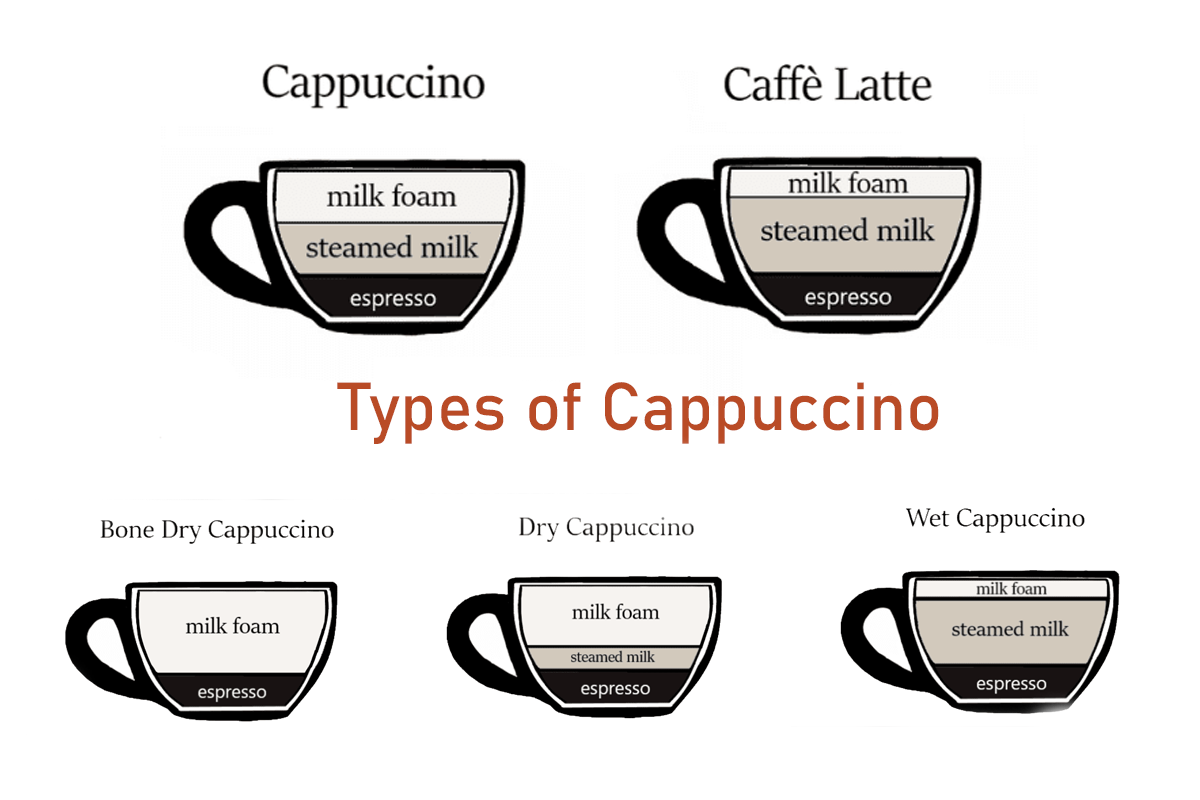
Traditionally, an Italian cappuccino is served in a pre-warmed ceramic cup and consists of:
- One-third espresso: A shot of strong, freshly brewed espresso forms the base, providing the intense coffee flavor.
- One-third steamed milk: This is hot milk that has been heated by steam, creating a smooth, velvety texture without excessive air bubbles.
- One-third milk foam: This is the airy, frothy layer that sits atop the steamed milk, created by injecting steam into cold milk.
The ideal foam should be dense and glossy, not dry or bubbly. The combination of these elements creates a harmonious balance of flavors and textures, where the bitterness of the espresso is softened by the sweetness and creaminess of the milk. This precise ratio and careful preparation are fundamental to the authentic cappuccino experience, a testament to the beverage’s refined culinary identity.
The Cappuccino as a Brand: More Than Just a Drink
The “cappuccino” transcends its culinary definition; it has evolved into a powerful brand, a symbol of a certain lifestyle and a marker of global coffee culture. This brand recognition stems from a combination of factors, including its consistent identity, its association with quality, and its widespread availability.
Consistent Identity: The Hallmark of a Global Brand
One of the primary drivers of the cappuccino’s brand power is its consistent identity across different locations and establishments. While minor variations in preparation might exist, the core components – espresso, steamed milk, and foam – remain constant. This predictability is crucial for brand building. Consumers know what to expect when they order a cappuccino, regardless of whether they are in Rome, New York, or Tokyo.
This consistency is maintained through:
- Training and Education: Barista training programs, often developed by coffee experts and roasters, ensure that baristas understand the correct techniques for pulling espresso shots and steaming milk.
- Equipment Standards: The reliance on specific espresso machines and steam wands contributes to a standardized output.
- Ingredient Quality: While the type of coffee bean might vary, the expectation of high-quality espresso and fresh milk is universal.
This commitment to a recognizable format allows the cappuccino to be a reliable choice for consumers, fostering trust and repeat business, the cornerstones of any successful brand.

The Symbolism of Quality and Sophistication
The cappuccino has also become a symbol of quality and a degree of sophistication in the coffee world. Unlike a simple black coffee or a heavily sweetened concoction, the cappuccino represents a more crafted beverage. Its preparation requires skill and attention to detail, elevating it beyond a mere caffeine delivery system.
This perception is cultivated through:
- Association with Italian Heritage: The Italian origin lends an air of authenticity and culinary excellence. Italian cuisine and culture are globally revered, and the cappuccino benefits from this association.
- Café Culture: The cappuccino is often enjoyed in cafés, spaces that have become social hubs and places for relaxation, work, or intellectual discussion. This association with leisure and a refined social experience enhances its brand image.
- Visual Appeal: The layered appearance of a well-made cappuccino, with its white foam and often adorned with a dusting of cocoa or cinnamon, is visually appealing and contributes to its perceived elegance. Latte art, though more commonly associated with lattes, can also be found on cappuccinos, further enhancing their aesthetic appeal.
This symbolic meaning imbues the cappuccino with a brand value that goes beyond its taste, making it a desirable choice for those seeking a premium coffee experience.
Global Ubiquity: A Brand Without Borders
The cappuccino’s journey from a local Italian beverage to a global phenomenon is a testament to its adaptability and universal appeal. It has successfully transcended cultural boundaries, becoming a familiar and beloved drink in virtually every corner of the world.
This global ubiquity is a direct result of:
- The Rise of Global Coffee Chains: Major international coffee chains have played a significant role in popularizing the cappuccino. By standardizing its preparation and making it readily available, they have introduced the drink to millions of new consumers.
- Independent Coffee Shops: Alongside large chains, independent coffee shops have also embraced the cappuccino, often offering their own unique interpretations while upholding its fundamental characteristics.
- Adaptability to Local Tastes: While the core recipe remains, some regions have introduced minor adaptations to cater to local preferences, further broadening its reach.
The widespread availability and recognition of the cappuccino make it a familiar comfort for travelers and a staple on coffee menus worldwide, solidifying its status as a truly global brand.
The Evolving Meaning of Cappuccino: Adaptation and Innovation
While the traditional cappuccino holds a revered place, the meaning of “cappuccino” has also expanded to encompass a wider range of interpretations and innovations, reflecting the dynamic nature of consumer preferences and culinary trends. This evolution showcases the brand’s ability to adapt without losing its core identity.
Beyond the Classic: Variations and Modern Interpretations
The classic cappuccino, with its precise ratio of espresso, steamed milk, and foam, remains the benchmark. However, the modern coffee landscape is characterized by a spirit of experimentation. This has led to a variety of “cappuccino-inspired” drinks and variations that, while not strictly traditional, carry the “cappuccino” name and benefit from its established brand recognition.
These variations often include:
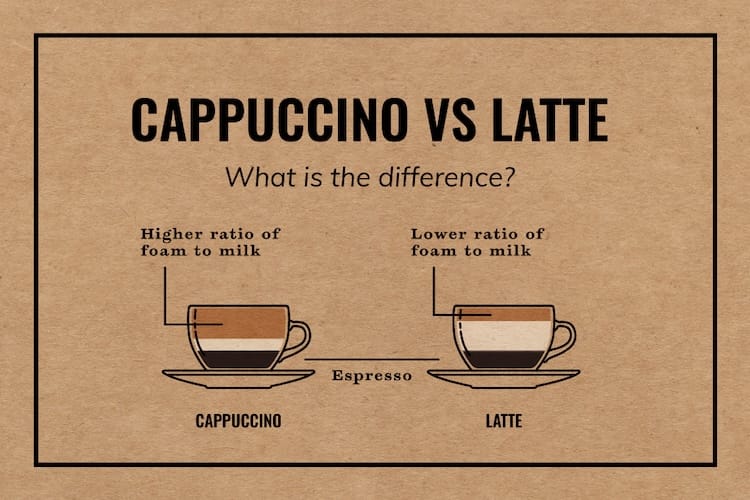
- Dry vs. Wet Cappuccino: A “dry” cappuccino has more foam and less steamed milk, resulting in a lighter, airier texture. A “wet” cappuccino has more steamed milk and less foam, making it creamier and closer to a latte.
- Flavored Cappuccinos: While purists may scoff, the addition of flavors like vanilla, caramel, or hazelnut to cappuccinos has become commonplace. These additions appeal to a broader audience seeking personalized taste experiences.
- Non-Dairy Alternatives: With the growing popularity of plant-based diets, cappuccinos are now frequently made with oat, almond, soy, or coconut milk. While achieving the same velvety texture as dairy milk can be challenging, these alternatives offer inclusivity and cater to diverse dietary needs.
- Iced Cappuccinos: In warmer climates or for those who prefer a cold beverage, iced cappuccinos have emerged. These typically involve espresso, cold milk, and a topping of cold foam, offering a refreshing twist on the classic.
These adaptations demonstrate the “cappuccino” brand’s resilience and its ability to resonate with contemporary consumer demands.
The Future of the Cappuccino: Sustainability and Technology
As the world becomes more conscious of environmental impact and technological advancements continue to shape industries, the cappuccino brand is also subject to these influences. The future meaning of cappuccino will likely be shaped by a commitment to sustainability and the integration of new technologies.
Considerations for the future include:
- Sustainable Sourcing: Growing awareness around ethical sourcing and environmental impact will likely lead to a greater emphasis on sustainably grown and traded coffee beans used for cappuccinos.
- Eco-Friendly Practices: This extends to the entire supply chain, from fair labor practices for coffee farmers to the use of compostable or reusable cups and lids in cafés.
- Technological Enhancements in Brewing: While the core brewing method may remain, advancements in espresso machine technology could lead to even greater precision, efficiency, and consistency in cappuccino preparation.
- Digital Integration: The ordering experience for cappuccinos, from mobile apps for pre-ordering to loyalty programs and personalized recommendations, will continue to evolve with digital technologies.
By embracing these trends, the cappuccino brand can ensure its continued relevance and appeal in a rapidly changing world, safeguarding its legacy while innovating for the future.
In conclusion, the meaning of “cappuccino” is rich and multifaceted. It represents a meticulously crafted beverage born from technological innovation and Italian tradition. More significantly, it has evolved into a global brand synonymous with quality, consistency, and a sophisticated coffee culture. As the beverage continues to adapt and innovate, its meaning will undoubtedly deepen, cementing its place as a beloved icon in the world of coffee and a testament to the enduring power of a well-loved brand.
aViewFromTheCave is a participant in the Amazon Services LLC Associates Program, an affiliate advertising program designed to provide a means for sites to earn advertising fees by advertising and linking to Amazon.com. Amazon, the Amazon logo, AmazonSupply, and the AmazonSupply logo are trademarks of Amazon.com, Inc. or its affiliates. As an Amazon Associate we earn affiliate commissions from qualifying purchases.