
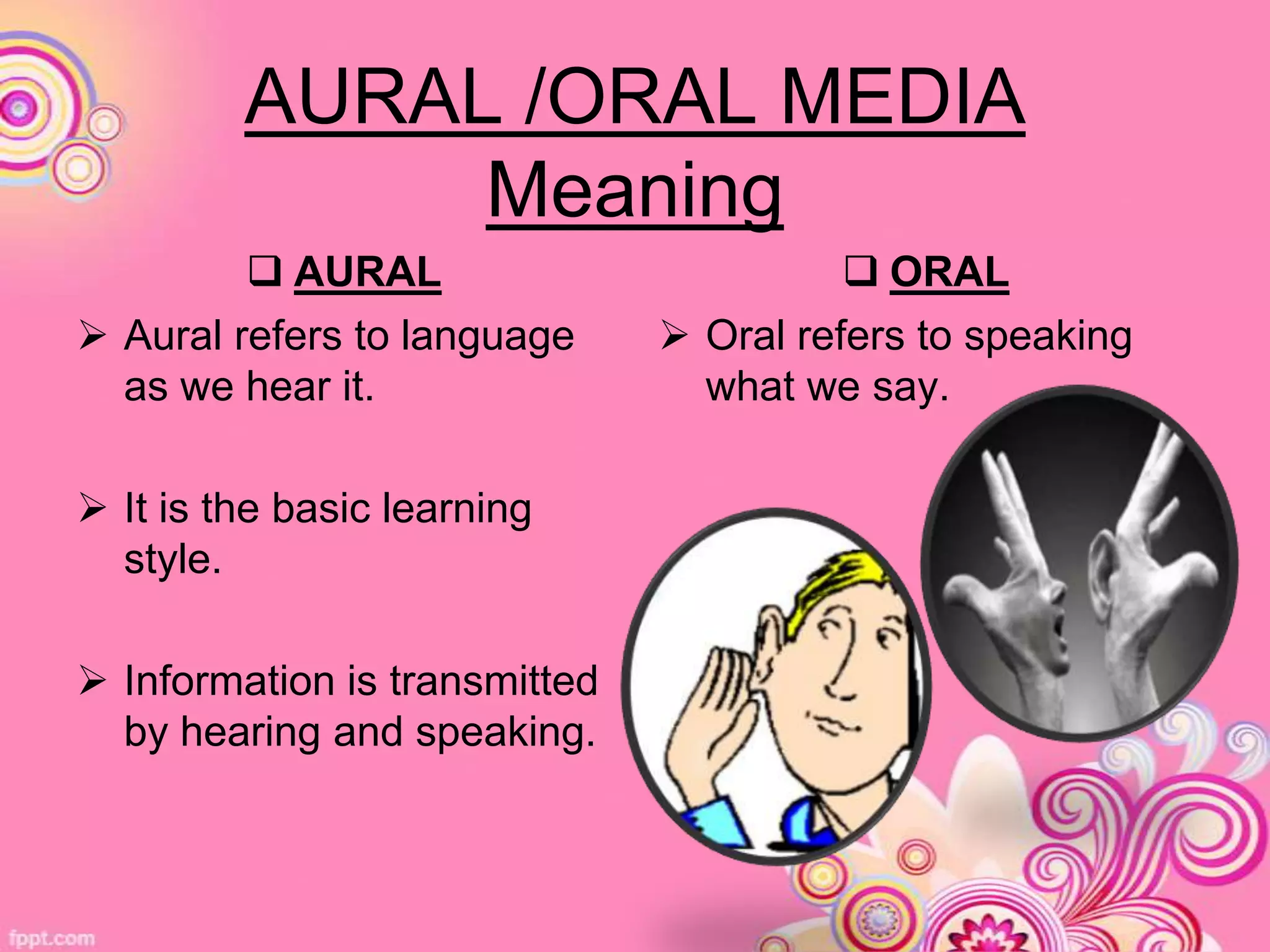
In the rapidly evolving landscape of modern technology, we often prioritize the visual. We discuss retina displays, 8K resolution, and the aesthetics of user interfaces. However, a significant paradigm shift is occurring where the “aural” dimension—pertaining to the ear or the sense of hearing—is becoming the primary frontier for innovation. To understand what aural means in a tech context is to understand how we interact with machines, how we consume media, and how we bridge the gap between digital data and human biological perception.
Technologically, “aural” refers to the entire ecosystem of sound capture, processing, and delivery. It encompasses the hardware that rests in our ear canals, the software that filters out environmental noise, and the artificial intelligence that synthesizes human-like speech. As we transition toward spatial computing and ambient interfaces, the aural experience is no longer just a secondary feature; it is a critical component of the user experience (UX).

The Technological Definition of Aurality
To the average user, “aural” might simply mean “related to sound.” However, in the tech sector, the term carries a more sophisticated weight. It represents the intersection of psychoacoustics—the study of how humans perceive sound—and digital signal processing (DSP).
From Mono to Spatial: The Evolution of Aural Depth
In the early days of personal computing, aural output was functional and rudimentary. We moved from simple “beeps” to stereo sound, which provided a left-right orientation. Today, tech giants are pushing the boundaries of “Spatial Audio” or “3D Audio.” This technology uses binaural recording and sophisticated algorithms to trick the human brain into perceiving sound in a three-dimensional space. When we talk about what aural means in 2024, we are talking about sound that has height, depth, and distance, allowing a user to feel as though they are standing in the middle of a live concert or a battlefield within a video game.
Psychoacoustics and Digital Interpretation
The tech industry leverages “aurality” by studying the biological limitations and strengths of the human ear. For instance, lossy compression formats (like MP3 or AAC) are designed based on aural principles; they remove frequencies that the human ear cannot typically hear to save data. Modern high-resolution audio seeks to restore this aural fidelity, providing a “bit-perfect” representation of sound that mimics the original analog environment.
The Hardware Revolution: Engineering the Aural Experience
The physical devices we use to interface with sound have seen more innovation in the last five years than in the previous twenty. The miniaturization of components has allowed for “aural computers” to fit inside our ears.
The Rise of Hearables
Wearable technology is no longer limited to smartwatches. “Hearables”—a hybrid of headphones and wearable health tech—represent a multi-billion dollar sector. These devices use aural sensors to monitor heart rate, track fitness, and even detect signs of hearing loss. Companies like Apple, Sony, and Bose have transformed the aural experience from a passive one (listening to music) to an active one (noise cancellation and transparency modes). Transparency mode is perhaps the best example of “augmented aurality,” where microphones pick up outside sounds and pipe them into the ear, allowing the user to hear their environment more clearly than they would with their naked ear.
Bone Conduction and Alternative Delivery
What “aural” means is also being redefined by how sound reaches the brain. Bone conduction technology bypasses the eardrum entirely, sending vibrations through the listener’s cheekbones directly to the cochlea. This tech-driven approach to aurality is essential for athletes who need to remain aware of their surroundings and for individuals with certain types of hearing impairment. It expands the definition of “hearing” from a purely atmospheric vibration to a tactile, skeletal transmission.
AI and the Future of Aural Synthesis
Artificial Intelligence has fundamentally changed the “aural” landscape. We are moving away from pre-recorded audio toward generative aural environments.

Generative Voice and Neural Text-to-Speech (TTS)
When we ask, “What does aural mean in AI?” we are looking at the synthesis of the human voice. Modern AI tools can now clone voices with startling accuracy, capturing the nuances of tone, pitch, and emotional cadence. This has massive implications for software developers and content creators. We are seeing the rise of “aural avatars”—AI assistants that don’t just speak, but speak with a personality and “human” warmth that makes the technology feel less like a tool and more like a companion.
AI-Driven Noise Management
Aural technology is as much about what we don’t hear as what we do. AI algorithms are now capable of real-time environmental analysis. This goes beyond traditional Active Noise Cancellation (ANC). Modern tech can distinguish between the drone of an airplane engine (which it cancels) and the sound of a human voice calling your name (which it lets through). This “intelligent aural filtering” uses machine learning to categorize every sound in your environment, providing a customized aural experience that prioritizes safety and focus.
Aural Accessibility: Technology as a Greatly Needed Equalizer
One of the most profound applications of aural technology is in the field of accessibility. For the millions of people worldwide with hearing impairments, tech is redefining what it means to experience sound.
Smart Hearing Aids and IoT Integration
The distinction between consumer “earbuds” and medical “hearing aids” is blurring. Modern hearing aids are high-tech aural processors that sync with smartphones, stream audio directly from televisions, and use AI to amplify specific voices in a crowded room. This “aural clarity” technology allows users to participate in social settings that were previously overwhelming or impossible to navigate.
Haptic and Visual Translation of Aural Data
For the profoundly deaf, technology translates aural information into other sensory inputs. We now have apps that “listen” for smoke alarms, doorbells, or crying babies and translate those aural signals into haptic vibrations on a smartwatch or visual flashes on a phone. In this context, “aural” technology serves as a bridge, ensuring that vital sound-based information is accessible regardless of biological hearing ability.
The Metaverse and Immersive Aural Environments
As we look toward the future of the internet—often referred to as the Metaverse or the 3D web—aural technology will be the “glue” that holds these virtual worlds together.
Real-Time Spatial Mapping
In a virtual reality (VR) or augmented reality (AR) environment, the aural experience must match the visual movement. If you turn your head to the left, the sound of a virtual waterfall should shift to your right ear. This requires immense computational power and real-time spatial mapping. Tech companies are investing heavily in “aural tracing,” a technique similar to ray tracing in graphics, which calculates how sound waves bounce off virtual walls and objects to create a realistic sense of space.
The Screenless Interface
Many tech visionaries predict a move toward “screenless” computing, where we interact with our devices primarily through voice and sound. This “aural-first” interface relies on Natural Language Processing (NLP) and sophisticated microphone arrays. In this future, “what aural means” is the primary way we navigate our digital lives—receiving notifications via subtle ear-conic sounds and managing our homes through whispered commands.
Conclusion: The New Aural Paradigm
In the tech world, “aural” is no longer a simple adjective describing sound. It represents a complex, multi-layered field of innovation that touches everything from hardware engineering and AI development to accessibility and virtual reality. As we have seen, the aural experience is being digitized, augmented, and synthesized to create a more immersive and inclusive world.
Whether it is the precision of a spatial audio mix in a pair of high-end headphones, the life-saving utility of an AI-powered hearing aid, or the convenience of a voice-activated smart home, aural technology is central to the next generation of digital interaction. By understanding the depth of this niche, we can better appreciate how the sounds we hear—and the ways we hear them—are being transformed by the relentless pace of technological progress. The future of tech isn’t just something to be seen; it is something to be heard.
aViewFromTheCave is a participant in the Amazon Services LLC Associates Program, an affiliate advertising program designed to provide a means for sites to earn advertising fees by advertising and linking to Amazon.com. Amazon, the Amazon logo, AmazonSupply, and the AmazonSupply logo are trademarks of Amazon.com, Inc. or its affiliates. As an Amazon Associate we earn affiliate commissions from qualifying purchases.