
The Nativity story, a cornerstone of Christian tradition, often highlights the symbolic gifts brought by the Magi – gold, frankincense, and myrrh. While these items are rich in religious and cultural meaning, a deeper examination through the lens of finance and investment reveals fascinating parallels and lessons that resonate even today. This exploration transcends the purely spiritual, delving into the economic value, strategic considerations, and long-term investment potential inherent in the gifts of the Wise Men. From a modern perspective, we can analyze these ancient offerings not just as tokens of respect, but as investments in a nascent enterprise, demonstrating principles of resource allocation, risk assessment, and future value.
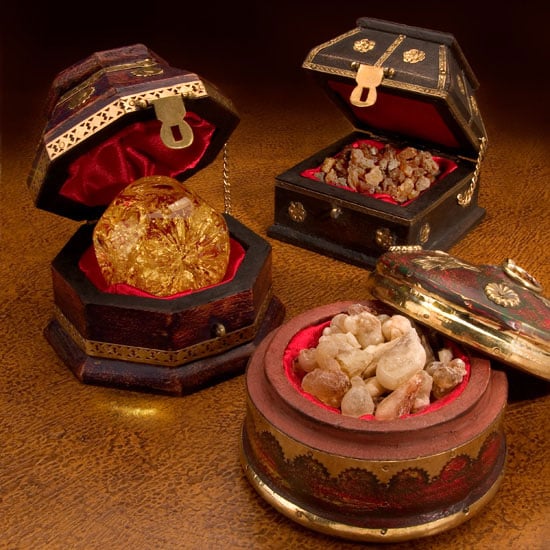
The Intrinsic Value and Economic Significance of the Magi’s Gifts
The gifts presented to the infant Jesus by the Wise Men were not arbitrary selections. Each held significant intrinsic value in the ancient world, reflecting both immediate utility and long-term potential. Understanding their economic worth and cultural importance allows us to appreciate the magnitude of the Magi’s tribute from a financial standpoint.
Gold: The Ultimate Store of Value and Liquid Asset
Gold, throughout history, has been the undisputed king of precious metals. Its rarity, durability, and intrinsic desirability have made it a universal medium of exchange and a primary store of value. For the Magi, presenting gold to a newborn king was a potent symbol of wealth, power, and legitimacy.
From an investment perspective, gold’s role is multifaceted. In the ancient world, it was liquid, easily traded, and universally accepted. Its inherent scarcity ensured its value remained relatively stable, making it an ideal asset to safeguard wealth. Even today, gold is considered a safe-haven asset, often sought after during times of economic uncertainty and inflation. Its ability to retain purchasing power over millennia makes it a cornerstone of diversified investment portfolios. The gold gifted to Jesus, in this context, could be viewed as an initial seed capital, providing immediate financial security and a tangible representation of future kingship and dominion, which would invariably require significant financial backing. The purity and craftsmanship of the gold would have further amplified its value, reflecting the status and respect of both the giver and the receiver.
Frankincense: The Premium Commodity and Strategic Investment
Frankincense, derived from the aromatic resin of Boswellia trees, was another highly prized commodity in the ancient Near East. Its use extended beyond religious ceremonies; it was also valued for its medicinal properties and as a component in perfumes and cosmetics. The economic significance of frankincense lay in its rarity and the labor-intensive process of its harvest and refinement.
As an investment, frankincense represented a premium commodity with a diversified market. While not as liquid as gold, its demand was consistent across religious, medicinal, and personal care sectors. This suggests a strategic investment choice, one that secured resources for ongoing needs and potential trade. The high cost and exclusivity of frankincense also positioned it as a gift befitting royalty, indicating an understanding of the economic and social capital associated with its presentation. For the Magi, it was not merely a fragrant offering but an investment in the establishment of Jesus’s ministry, providing a valuable resource that could be utilized for charitable works, diplomatic exchanges, or even as a means to generate further income through its trade. The quality and origin of the frankincense would have been critical factors in its valuation, much like the branding and sourcing of luxury goods today.
Myrrh: The Multi-Purpose Asset with Long-Term Potential
Myrrh, another aromatic resin, was perhaps the most versatile of the three gifts. It was used as a perfume, a medicinal agent (especially for wounds and pain relief), and in embalming rituals, signifying purification and preservation. Its potent properties and distinctive aroma made it a valuable and sought-after substance.
From a financial and investment standpoint, myrrh represents a multi-purpose asset with significant long-term potential, particularly in areas of health and preservation. Its medicinal applications highlight an investment in well-being and recovery, which can be critical for any nascent leader or movement. Furthermore, its association with embalming suggests a prescient understanding of mortality and perhaps an investment in legacy and remembrance. In contemporary terms, myrrh’s properties align with investments in healthcare, pharmaceuticals, and even high-end cosmetics. The ability of myrrh to serve such diverse needs – from immediate comfort to long-term preservation – makes it a remarkably strategic gift, anticipating a range of future challenges and opportunities. Its value was not just in its monetary worth, but in its functional utility, offering solutions and benefits that extended far beyond simple exchange.
Strategic Considerations: Beyond the Monetary Value
The gifts of the Wise Men transcend a simple assessment of their monetary worth. Their selection and presentation reveal a sophisticated understanding of strategic investment, resource allocation, and the long-term vision required to support a figure destined for profound influence.
Resource Allocation: Diversifying Investments for Comprehensive Support
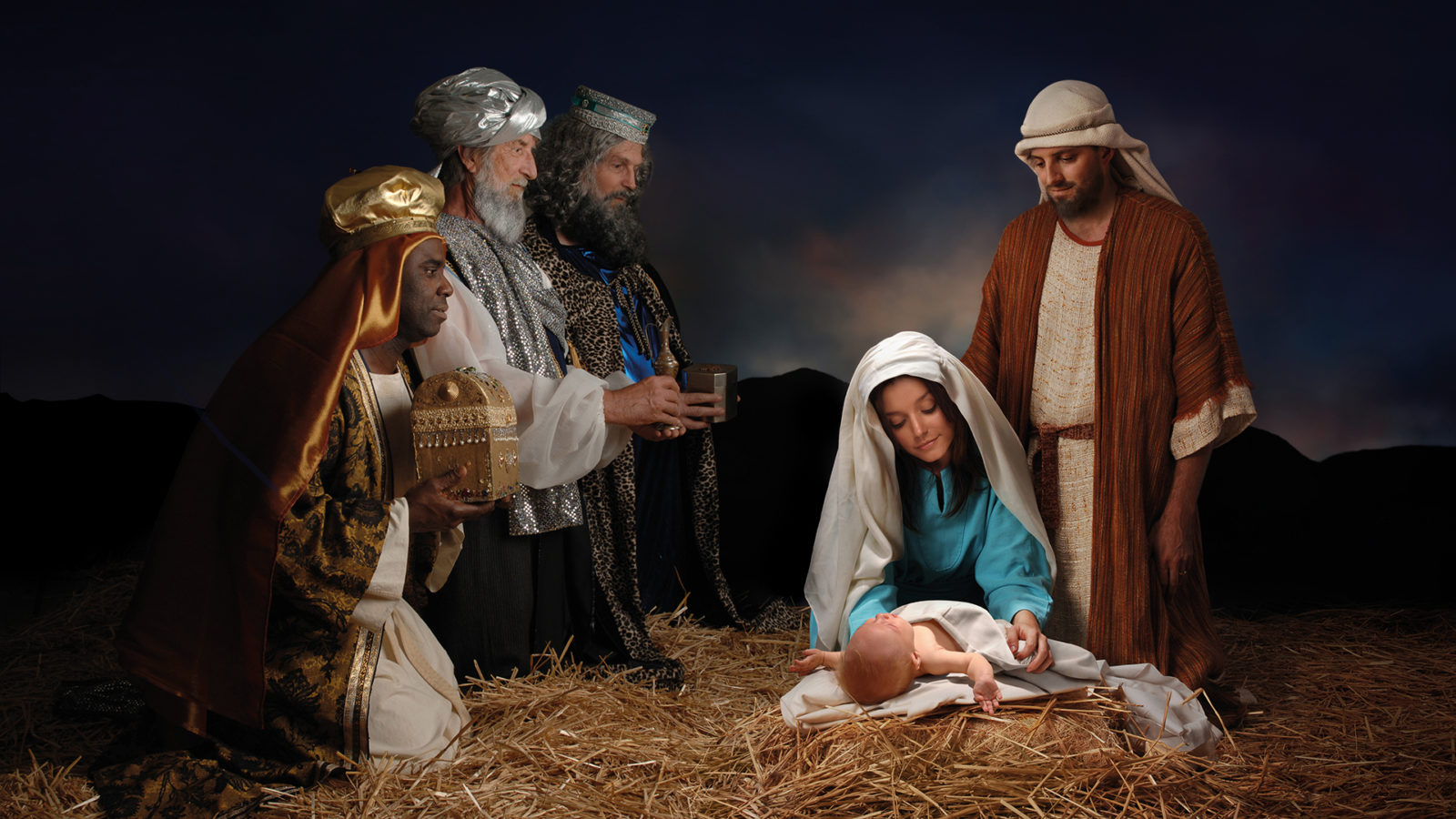
The choice of three distinct, high-value items demonstrates a deliberate strategy of resource allocation. Rather than concentrating all their wealth into a single asset, the Magi diversified their investment, ensuring comprehensive support for Jesus and his nascent ministry. This diversification mitigates risk and provides flexibility in meeting various future needs.
Gold provided immediate financial liquidity and established a foundation of material wealth. Frankincense offered a premium commodity with broad appeal, suitable for religious, medicinal, or trade purposes, enabling ongoing operations and outreach. Myrrh, with its multifaceted applications in healing, preservation, and ritual, represented an investment in well-being, long-term impact, and perhaps even the symbolic protection of the individual and their mission. This balanced approach mirrors modern investment principles, where diversification across asset classes (equities, bonds, real estate, commodities) is crucial for managing risk and maximizing returns. The Magi, in their wisdom, understood that true support requires a multifaceted approach, anticipating a range of potential expenditures and requirements. Their gifts were not a single payout, but a foundational endowment designed to sustain and empower.
Risk Assessment and Future Value: Investing in a Transformative Vision
The Wise Men, through their journey and their gifts, made a profound investment in the future. They recognized the transformative potential of the child they sought and allocated significant resources accordingly. This implies a sophisticated understanding of risk assessment and a belief in the long-term, potentially immeasurable, value of their investment.
Gold, while a stable asset, also carried the risk of theft or devaluation in a volatile political climate. Frankincense and myrrh, though valuable, were subject to market fluctuations and the challenges of trade routes. However, the Magi likely assessed these risks against the potential for Jesus to establish a kingdom and influence that would far outweigh any material cost. Their investment was not merely in a child, but in a vision – a vision of salvation, redemption, and a new spiritual order. This is akin to venture capital investing, where significant upfront investment is made in a startup with high growth potential, despite the inherent risks. The potential for a paradigm shift, a revolutionary impact, justifies the substantial allocation of resources. The gifts were a tangible manifestation of their faith in the future value of Jesus’s mission, a value that transcends any earthly currency.
The Enduring Financial Lessons from the Magi’s Gifts
The narrative of the Wise Men’s gifts, when viewed through a financial and investment lens, offers enduring lessons applicable to personal finance, business strategy, and even societal development. Their actions, though ancient, highlight timeless principles of wealth management, strategic giving, and foresight.
Generosity as Investment: The ROI of Philanthropy and Strategic Giving
The Magi’s act of giving was not mere charity; it was a strategic investment in a future leader and a transformative movement. This perspective reframes generosity, suggesting that well-considered philanthropy and strategic giving can yield significant returns, not just in monetary terms, but in terms of societal progress, influence, and legacy.
The “return on investment” (ROI) of their gifts wasn’t measured in percentages or dividends, but in the establishment and spread of Jesus’s teachings, the impact on countless lives, and the enduring spiritual and cultural legacy that continues to this day. This highlights a crucial concept in modern finance: impact investing and socially responsible investing. These approaches aim to generate both financial returns and positive social or environmental impact. The Magi’s gifts serve as a prime example of this principle, demonstrating how substantial resources allocated with a clear vision can lead to profound and lasting societal transformation. Their generosity was not a drain on their resources, but a calculated allocation towards a future they believed in, a future that ultimately proved to be of unparalleled value.
Long-Term Vision: Investing in Future Value Over Immediate Gratification
The Magi’s decision to invest in a newborn child, rather than in more established powers or immediate personal gain, exemplifies the power of long-term vision. They were willing to forgo immediate personal benefits to support something with immense future potential. This is a critical lesson for individuals and organizations navigating complex financial landscapes.
In personal finance, this translates to prioritizing long-term goals like retirement savings or investing in education over immediate discretionary spending. For businesses, it means investing in research and development, employee training, or sustainable practices, even if they don’t yield immediate profits. The Magi’s foresight in recognizing the nascent potential of Jesus and investing accordingly underscores the importance of looking beyond the present to cultivate future growth and impact. Their gifts were a testament to the belief that the most significant returns often come from investing in foundational elements with the promise of exponential future value, a principle that continues to guide successful investors and visionaries throughout history.
The Symbolism of Abundance: Building a Foundation for Growth
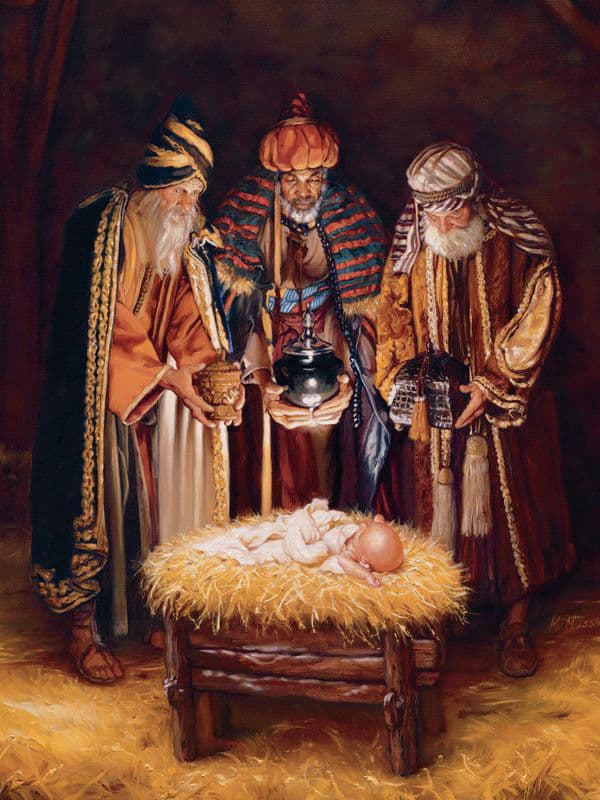
The abundance represented by the gifts – gold, frankincense, and myrrh – signifies the establishment of a robust financial foundation designed to support significant growth and influence. This isn’t just about having money; it’s about possessing diverse, high-value resources that can be leveraged effectively.
For any emerging entity, whether a startup, a non-profit, or even an individual embarking on a new career, building a solid financial base is paramount. This foundation provides the stability and resources necessary to weather challenges, seize opportunities, and scale operations. The Magi provided Jesus with the material resources that could be used to sustain his ministry, support his followers, and extend his message. This echoes the importance of capital accumulation, securing funding, and managing finances effectively in the initial stages of any venture. The symbolism of abundance from the Magi was not just about wealth; it was about equipping a nascent leader with the means to achieve his destined purpose, laying the groundwork for unparalleled future expansion and impact.
aViewFromTheCave is a participant in the Amazon Services LLC Associates Program, an affiliate advertising program designed to provide a means for sites to earn advertising fees by advertising and linking to Amazon.com. Amazon, the Amazon logo, AmazonSupply, and the AmazonSupply logo are trademarks of Amazon.com, Inc. or its affiliates. As an Amazon Associate we earn affiliate commissions from qualifying purchases.