
In the ever-evolving landscape of personal presentation, the question of “what colors look good on me” transcends mere aesthetics. It delves into a realm of strategic self-expression, particularly within the context of personal branding and professional identity. While often approached with a sense of casual curiosity, understanding your optimal color palette is a potent tool for projecting confidence, credibility, and a memorable image. This article will explore how color, through the lens of personal branding, can be leveraged for maximum impact, moving beyond simple aesthetic preference to a strategic advantage. We will dissect the foundational principles of color theory as it applies to personal branding, explore the psychological implications of different hues, and provide a framework for identifying your most flattering and impactful colors.

The Strategic Power of Color in Personal Branding
Color is not merely a visual stimulus; it’s a powerful form of non-verbal communication. In the professional arena, your color choices communicate a wealth of information about your personality, your intentions, and your brand. Think of iconic brands: Coca-Cola’s vibrant red evokes excitement and passion, while IBM’s deep blue signifies trust and reliability. Similarly, the colors you choose to wear, whether in your wardrobe, your digital presence, or your marketing materials, contribute significantly to your personal brand narrative.
Understanding the Basics: Color Theory and Personal Branding
At its core, effective color selection for personal branding is rooted in an understanding of basic color theory. This includes:
The Color Wheel and Complementary Colors
The color wheel, a circular arrangement of colors, is fundamental to understanding color relationships. Complementary colors are those positioned directly opposite each other on the wheel (e.g., blue and orange, red and green). When used strategically, complementary colors create a vibrant and dynamic contrast that can draw attention and highlight specific aspects of your personal brand. For example, a professional seeking to convey innovation and energy might strategically incorporate pops of orange against a backdrop of navy blue in their attire or branding materials. The key here is moderation; excessive use of complementary colors can be overwhelming. The goal is to use them as accents to create visual interest and emphasize key brand attributes.
Analogous Colors and Harmony
Analogous colors are those that sit next to each other on the color wheel (e.g., blue, blue-green, and green). These color combinations tend to create a sense of harmony, unity, and calm. For individuals aiming to project an image of stability, approachability, and trustworthiness, analogous color schemes can be highly effective. Imagine a financial advisor who consistently wears shades of blue and green; this visual consistency reinforces their brand of reliability and fiscal prudence. The subtlety of analogous palettes allows for a sophisticated and understated impact, creating a cohesive and reassuring brand presence.
Monochromatic Schemes and Sophistication
A monochromatic color scheme utilizes variations in lightness and darkness of a single color. This approach conveys sophistication, elegance, and a strong sense of focus. For professionals who wish to project an aura of authority, expertise, and understated luxury, monochromatic palettes can be exceptionally powerful. A lawyer dressed in varying shades of charcoal grey or a tech executive in deep blues can convey a sense of command and meticulous attention to detail. This approach avoids visual clutter and allows the individual’s core message to take center stage, emphasizing their inherent qualities rather than relying on distracting visual elements.
The Psychology of Color: Impacting Perception and Emotion
Beyond theoretical constructs, colors possess a profound psychological impact, influencing how others perceive you and the emotions they associate with your brand. Understanding these associations is crucial for making informed color choices that align with your desired personal brand.
Warm Colors: Energy, Passion, and Approachability
Warm colors – reds, oranges, and yellows – are known for their ability to evoke feelings of energy, passion, enthusiasm, and warmth.
Red: Power, Passion, and Urgency
Red is a color of high energy and strong emotion. In personal branding, it can convey power, confidence, passion, and even urgency. A speaker at a conference wearing a red tie or blazer might be signaling their readiness to command attention and deliver a compelling message. However, red can also be perceived as aggressive or overly demanding if not used thoughtfully. For individuals in leadership roles or those aiming to project assertiveness, strategic use of red can be highly impactful. It’s a color that demands attention and is often associated with bravery and determination.
Orange: Enthusiasm, Creativity, and Friendliness
Orange is often associated with enthusiasm, creativity, joy, and friendliness. It’s a less intense but equally vibrant color that can make a personal brand feel more approachable and innovative. An entrepreneur launching a new creative venture might incorporate orange into their branding to signal their forward-thinking and dynamic approach. It can also be a great choice for networking events, as it projects an open and inviting demeanor. Orange is excellent for conveying a sense of optimism and a willingness to embrace new ideas.
Yellow: Optimism, Happiness, and Intellect
Yellow is the color of sunshine, happiness, and optimism. It can also be associated with intellect and clarity of thought. For personal branding, yellow can be used to convey a sense of positivity, approachability, and intelligence. A consultant aiming to bring innovative solutions might subtly incorporate yellow to signal their bright ideas and optimistic outlook. However, excessive use of yellow can be overwhelming or perceived as attention-seeking, so it’s best used as an accent to convey a sense of lightheartedness and intellectual vibrancy.
Cool Colors: Calm, Trust, and Professionalism
Cool colors – blues, greens, and purples – tend to evoke feelings of calmness, serenity, trust, and professionalism.
Blue: Trust, Stability, and Competence
Blue is arguably the most popular color for professional attire and corporate branding. It consistently conveys trust, stability, reliability, and competence. Whether it’s a deep navy suit or a lighter sky blue shirt, blue instills a sense of calm and professionalism. For individuals in fields requiring high levels of trust, such as finance, law, or healthcare, blue is an almost indispensable color. It communicates a grounded and dependable presence, assuring others of your capabilities and integrity. Different shades of blue can also convey different nuances; darker blues suggest authority, while lighter blues can appear more accessible and friendly.
Green: Growth, Harmony, and Balance
Green is deeply associated with nature, growth, harmony, and balance. In personal branding, it can convey a sense of renewal, prosperity, and a calm, steady presence. It’s a particularly good choice for individuals in fields related to sustainability, well-being, or personal development. Green can also signify trustworthiness and a connection to natural processes, making it appealing for those who value authenticity and a balanced approach. It projects an image of stability and suggests a capacity for nurturing and sustained progress.
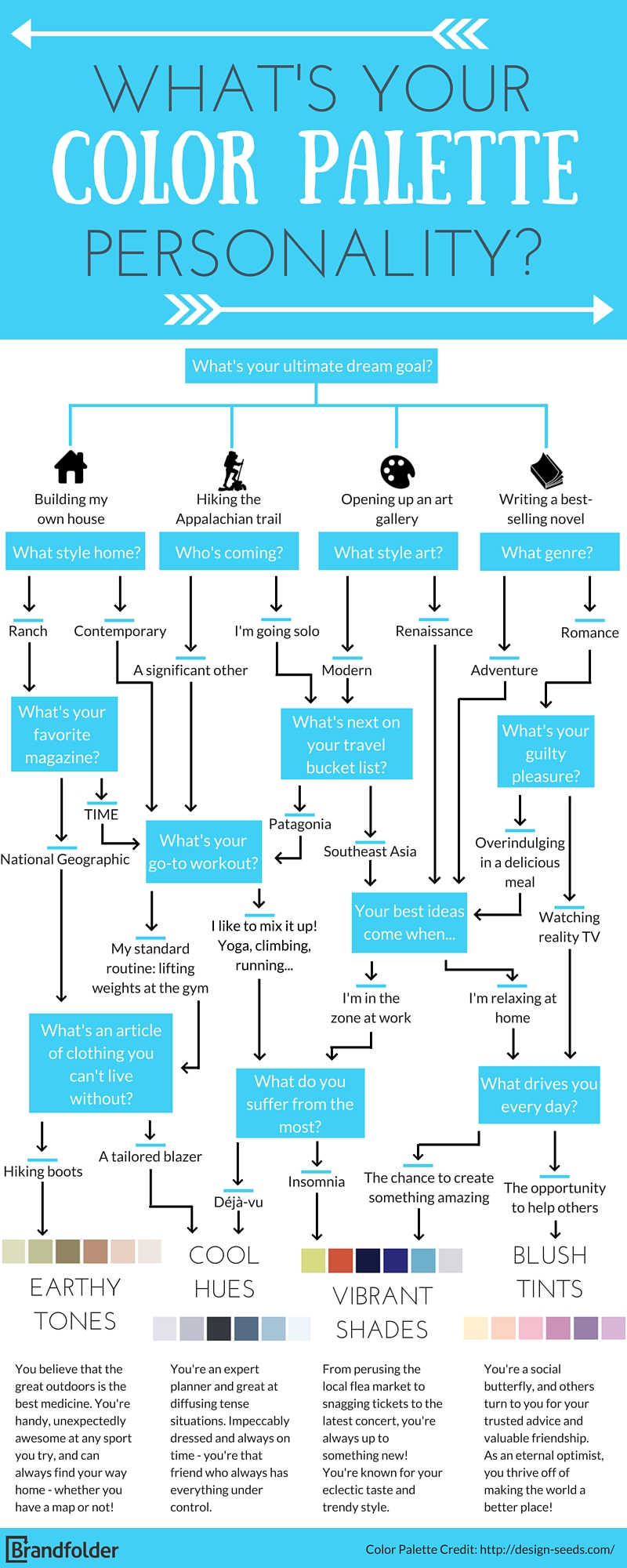
Purple: Royalty, Luxury, and Creativity
Purple has historically been associated with royalty, luxury, and wisdom. In modern personal branding, it can also signal creativity, imagination, and a touch of the unconventional. A subtle use of purple can add a sophisticated and unique flair to a personal brand, suggesting a thoughtful and perhaps artistic individual. Deeper shades of purple can convey a sense of depth and introspection, while lighter lavenders might suggest a gentler, more spiritual or creative inclination. It’s a color that can make a statement without being overly ostentatious.
Identifying Your Optimal Color Palette: A Practical Approach
Moving beyond theory, the practical application of color in personal branding involves understanding your individual characteristics and how they interact with different hues. While a full-fledged “what colors look good on me quiz” often aims for a simplified categorization, a more nuanced approach to personal branding involves considering several factors.
Skin Tone and Undertones: The Foundation of Color Harmony
Your skin tone and its underlying undertones are perhaps the most critical elements in determining which colors will naturally complement your appearance and enhance your personal brand.
Warm Undertones: Earthy Tones and Rich Hues
Individuals with warm undertones typically have skin that leans towards yellow, peach, or golden. These undertones harmonize beautifully with colors that have a similar warmth. Think of rich, earthy tones.
Warm Colors: Olive green, coral, peach, golden yellow, warm browns, and bronzes.
Cool Colors: Avoid icy blues and stark whites, which can make the skin appear sallow. Instead, opt for warmer variations like teal or a muted, warmer grey.
Metals: Gold, bronze, and copper.
For someone with warm undertones aiming for a trustworthy and approachable personal brand, incorporating shades of warm green or a soft coral can be incredibly effective. The goal is to select colors that create a natural glow and make your complexion appear vibrant and healthy, thus reinforcing a positive and attractive personal brand.
Cool Undertones: Jewel Tones and Crisp Hues
Individuals with cool undertones typically have skin that leans towards pink, red, or blue. These undertones look best with colors that have a cooler, more vibrant quality.
Cool Colors: Royal blue, emerald green, ruby red, fuchsia, crisp whites, and icy pastels.
Warm Colors: While warm colors can be worn, opt for those with a cooler undertone, such as a raspberry red or a cooler, muted yellow. Avoid overly earthy or golden tones.
Metals: Silver, platinum, and white gold.
A professional with cool undertones seeking to convey authority and sophistication might find deep blues and rich emerald greens to be exceptionally flattering, enhancing their natural radiance and projecting an image of confidence and elegance.
Neutral Undertones: Versatility and Balance
Individuals with neutral undertones have a balance of both warm and cool tones in their skin. This offers a high degree of versatility, allowing for a wider range of colors to be worn successfully.
Versatile Colors: Most colors will work, but a good strategy is to experiment with both warm and cool shades. Consider jewel tones, which often have a balanced quality.
Metals: Both gold and silver can look equally flattering.
For those with neutral undertones, the focus can shift more towards the desired emotional and psychological impact of the color on their personal brand. They have the freedom to experiment with palettes that best represent their brand attributes, whether it’s the authoritative depth of navy or the vibrant energy of a well-chosen coral.
Hair and Eye Color: Completing the Visual Signature
While skin tone is primary, your hair and eye color also play a significant role in the overall harmony of your color choices. These elements add further depth and definition to your personal brand.
Harmonizing with Hair and Eye Color
Consider how a color interacts with your hair and eye color. For instance, a rich chestnut brown hair color might be beautifully complemented by warm greens and deep reds, enhancing the natural richness of the hair. Piercing blue eyes can be made to pop against shades of orange or coral.
For those with striking, dark hair, jewel tones can create a dramatic and impactful personal brand. Individuals with lighter hair colors might find softer, pastel shades or muted tones to be more complementary, contributing to a gentler and more approachable brand image. The goal is to create a cohesive visual signature where all elements work together to reinforce the desired message of your personal brand.
The Context of Your Personal Brand: Industry and Audience
Ultimately, the most effective colors for your personal brand are those that align with your industry, your target audience, and the overall message you wish to convey.
Aligning Colors with Your Professional Goals
A creative entrepreneur in the arts might embrace vibrant, unconventional color palettes to signal innovation and individuality. In contrast, a corporate lawyer would likely lean towards more conservative and traditional hues to project an image of gravitas and dependability. Consider the established color norms within your field, but also identify opportunities to differentiate yourself strategically through thoughtful color choices.
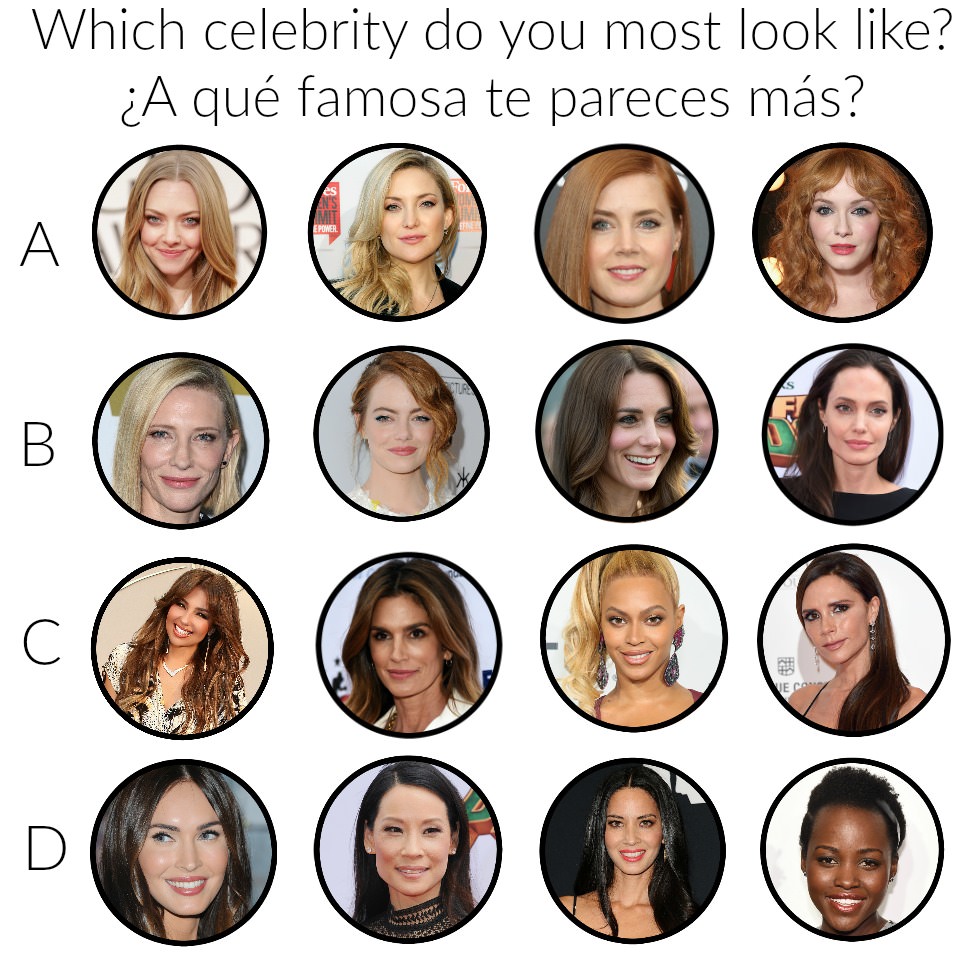
The “quiz” aspect of understanding what colors look good on you is a starting point, a way to begin exploring these relationships. However, for a truly impactful personal brand, it’s about moving beyond a simple color categorization to a deliberate and strategic selection that enhances your professional presence and communicates your unique value proposition. By understanding the principles of color theory, the psychology of hues, and your individual characteristics, you can harness the power of color to build a stronger, more memorable, and more effective personal brand.
aViewFromTheCave is a participant in the Amazon Services LLC Associates Program, an affiliate advertising program designed to provide a means for sites to earn advertising fees by advertising and linking to Amazon.com. Amazon, the Amazon logo, AmazonSupply, and the AmazonSupply logo are trademarks of Amazon.com, Inc. or its affiliates. As an Amazon Associate we earn affiliate commissions from qualifying purchases.