
The question “What color is a ground wire?” might seem deceptively simple, a query about basic household wiring. However, within the realm of Tech, understanding the color coding of electrical wires, particularly the ground wire, is fundamental to comprehending the safe and efficient operation of electronic devices, electrical systems, and the underlying infrastructure that powers our digital lives. This knowledge isn’t just for electricians; it’s crucial for anyone interacting with technology, from assembling a new gadget to troubleshooting a faulty appliance, and even appreciating the robust design principles behind the devices we use daily. The color of a ground wire is a vital component of the visual language of electronics, communicating critical safety information and ensuring the integrity of electrical circuits.
The Essential Role of Grounding in Electrical Systems
Grounding is not merely an afterthought in electrical system design; it is a foundational safety mechanism. At its core, grounding provides a safe path for electricity to flow in the event of a fault or overload. Without a proper ground connection, stray electrical current could energize conductive surfaces of electronic equipment, posing a serious risk of electric shock to users. In the context of technology, robust grounding is paramount for protecting sensitive electronic components from damage caused by power surges and lightning strikes, ensuring the longevity and reliability of our devices.
Understanding the Purpose of Grounding
The primary purpose of grounding is to protect both people and equipment. When a “hot” wire (carrying the active electrical current) accidentally touches a conductive part of an appliance, like its metal casing, that casing becomes energized. If a person then touches that energized casing, the electricity will flow through them to the ground, resulting in a potentially fatal electric shock. A properly grounded appliance has a connection from its casing to the earth via a ground wire. This low-resistance path allows the fault current to bypass the person and flow harmlessly into the ground, tripping a circuit breaker or blowing a fuse and disconnecting the power.
The Protective Benefits for Electronic Devices
Beyond personal safety, grounding is indispensable for the health of our electronic devices. Sensitive microprocessors, delicate circuit boards, and intricate components are all susceptible to damage from transient voltage spikes. These surges can originate from various sources, including utility grid fluctuations, lightning strikes, or even the switching of high-power electrical equipment. A grounding system acts as a buffer, dissipating these excess voltages safely into the earth before they can reach and harm the sensitive electronics. This protection is vital for the reliability and lifespan of everything from our smartphones and laptops to complex servers and industrial control systems.
Decoding Electrical Wire Color Codes: The Ground Wire’s Identity
Electrical codes and standards exist to ensure consistency and safety in wiring installations worldwide. While variations can exist regionally, there are widely adopted conventions for identifying different types of electrical wires, with the ground wire having a distinct and universally recognized color. This color coding is a critical aspect of electrical safety, allowing technicians, electricians, and even informed consumers to quickly and accurately identify the function of each wire within a system.
The Standard Color for Ground Wires
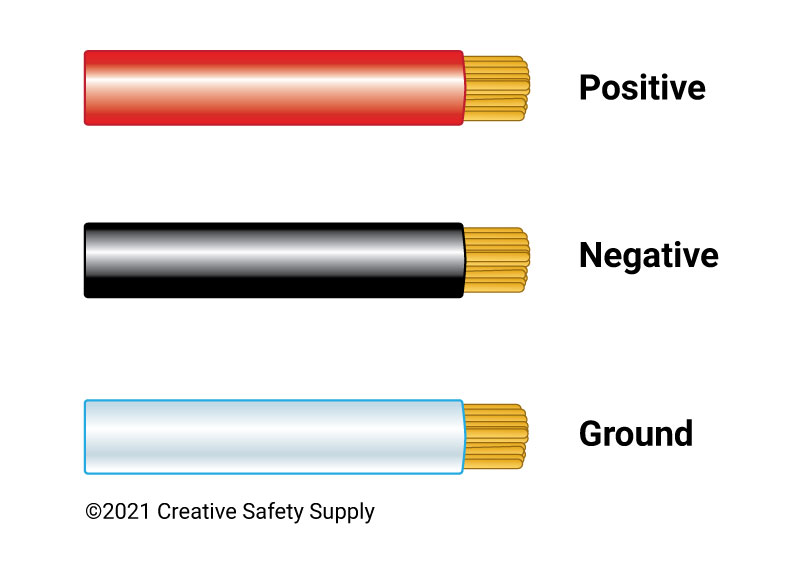
In most countries, including the United States and Canada, the standard color for a bare copper wire or a wire insulated with green or green with a yellow stripe indicates the ground wire. This color choice is not arbitrary; it’s a deliberate and standardized visual cue that unequivocally identifies this essential safety conductor. The absence of insulation (bare copper) or the distinct green hues serve as immediate signals of its role in providing a protective earth connection. This standardization is crucial for preventing accidental miswiring, which could compromise the safety of an entire electrical system.
Variations and International Standards
While green (or bare copper) is the predominant color for ground wires, it’s important to acknowledge that regional differences and older installations might present variations. In some older systems, a white wire might have been used as a ground, though this is now considered unsafe and is generally prohibited in modern installations. Internationally, other standards may exist, but the trend is towards harmonization for improved safety. For instance, in some European countries, a green-and-yellow striped wire is the standard for protective earth. Regardless of the specific hue, the underlying principle remains the same: a designated color provides a clear and unambiguous identification of the ground conductor. When working with any electrical system, especially when dealing with equipment from different regions or older wiring, it is always advisable to consult local electrical codes and, if in doubt, seek the expertise of a qualified electrician.
The Technical Significance of the Ground Wire’s Color

The color of the ground wire is more than just a visual marker; it’s a critical piece of information embedded within the very fabric of electrical systems. This standardization allows for the efficient and safe implementation of electrical designs, from the simplest household appliance to the most complex data centers. Understanding this visual language is essential for anyone involved in the design, installation, maintenance, or repair of technological hardware.
Facilitating Safe Installation and Maintenance
The consistent color-coding of wires, particularly the ground wire, drastically simplifies the process of electrical installation and maintenance. When assembling or repairing electronic devices, the ability to quickly identify the ground connection ensures that it is properly connected to the designated grounding point. This prevents errors that could lead to equipment damage or safety hazards. For instance, during the construction of a new building or the installation of new electrical equipment, electricians rely heavily on these color codes to ensure that all safety features are correctly implemented. A technician troubleshooting a faulty server rack will instinctively look for the green wire to confirm the grounding of each component, expediting the diagnostic process and ensuring a safe repair.
Enhancing Diagnostic and Troubleshooting Procedures
In the world of technology, troubleshooting is an inherent part of the lifecycle of any device or system. When a piece of equipment malfunctions, a technician needs to quickly isolate the problem. The color of the ground wire plays a crucial role in this diagnostic process. By visually identifying the ground wire, a technician can quickly verify grounding continuity, check for any breaks in the ground path, or ensure that the grounding system is functioning as intended. This is particularly important for devices that have metal casings or operate in environments where electromagnetic interference (EMI) is a concern. A proper ground connection can significantly reduce EMI, ensuring the stable operation of sensitive electronic components.
The Foundation for Electromagnetic Compatibility (EMC)
Electromagnetic Compatibility (EMC) is a critical aspect of modern technology, ensuring that electronic devices can function correctly in their intended electromagnetic environment without causing or being susceptible to unacceptable interference. The ground wire is a cornerstone of EMC. A well-designed grounding system helps to shield sensitive electronic circuits from external electromagnetic interference and also provides a path for internal electromagnetic noise to be safely dissipated, preventing it from affecting other components or external devices. The deliberate color designation of the ground wire ensures that this crucial element of EMC design is consistently and correctly implemented across all types of electronic equipment.
Beyond the Wire: The Broader Implications for Tech Safety and Reliability
The humble ground wire and its distinct color are symbolic of a larger commitment to safety and reliability within the technology sector. This attention to detail, embodied in standardized color codes, underpins the robust infrastructure that powers our digital world and ensures the safe operation of the countless devices we rely upon daily.
The Importance of Standards in a Connected World
As technology becomes increasingly interconnected, the importance of adherence to international standards cannot be overstated. Wire color coding is just one example of how standardized practices contribute to the seamless integration and safe operation of diverse technological systems. From the power adapters for our laptops to the complex wiring within data centers, consistent standards ensure interoperability, reduce the risk of catastrophic failures, and foster a global environment of technological innovation and safety. Without these established protocols, the complexity of modern technology would be unmanageable and inherently dangerous.
Empowering Users with Knowledge
While professional electricians and engineers are the primary users of detailed wiring knowledge, understanding the basic color coding of electrical wires empowers everyday users as well. It allows for a more informed approach to purchasing and using electronic devices, recognizing safety certifications, and even performing simple checks on household appliances. This foundational knowledge demystifies the technology around us and promotes a culture of informed and safe interaction with electrical systems. It encourages individuals to be more aware of potential electrical hazards and to take appropriate precautions, contributing to a safer technological landscape for everyone.
The Future of Electrical Safety and Wire Identification
The principles of electrical safety and clear wire identification are continuously evolving alongside technological advancements. As we move towards more complex and integrated systems, research into improved insulation materials, enhanced shielding techniques, and potentially even more sophisticated methods of wire identification is ongoing. However, the fundamental importance of a clearly identifiable ground wire, with its established color conventions, is likely to remain a cornerstone of electrical safety for the foreseeable future. The visual language of electrical wiring, exemplified by the distinct color of the ground wire, will continue to be a critical element in ensuring the safe and reliable operation of our increasingly technology-dependent world.
aViewFromTheCave is a participant in the Amazon Services LLC Associates Program, an affiliate advertising program designed to provide a means for sites to earn advertising fees by advertising and linking to Amazon.com. Amazon, the Amazon logo, AmazonSupply, and the AmazonSupply logo are trademarks of Amazon.com, Inc. or its affiliates. As an Amazon Associate we earn affiliate commissions from qualifying purchases.