
In the increasingly connected world we inhabit, reliable cell phone coverage is no longer a luxury; it’s a fundamental necessity. From navigating unfamiliar cities and staying in touch with loved ones to conducting business on the go and accessing essential information, the quality of our cellular signal directly impacts our daily lives. For consumers, the perennial question of “which cell phone company has the best coverage?” is paramount. This isn’t merely about having bars on your phone; it’s about understanding the intricate network infrastructure, geographic reach, and technological advancements that define superior service.
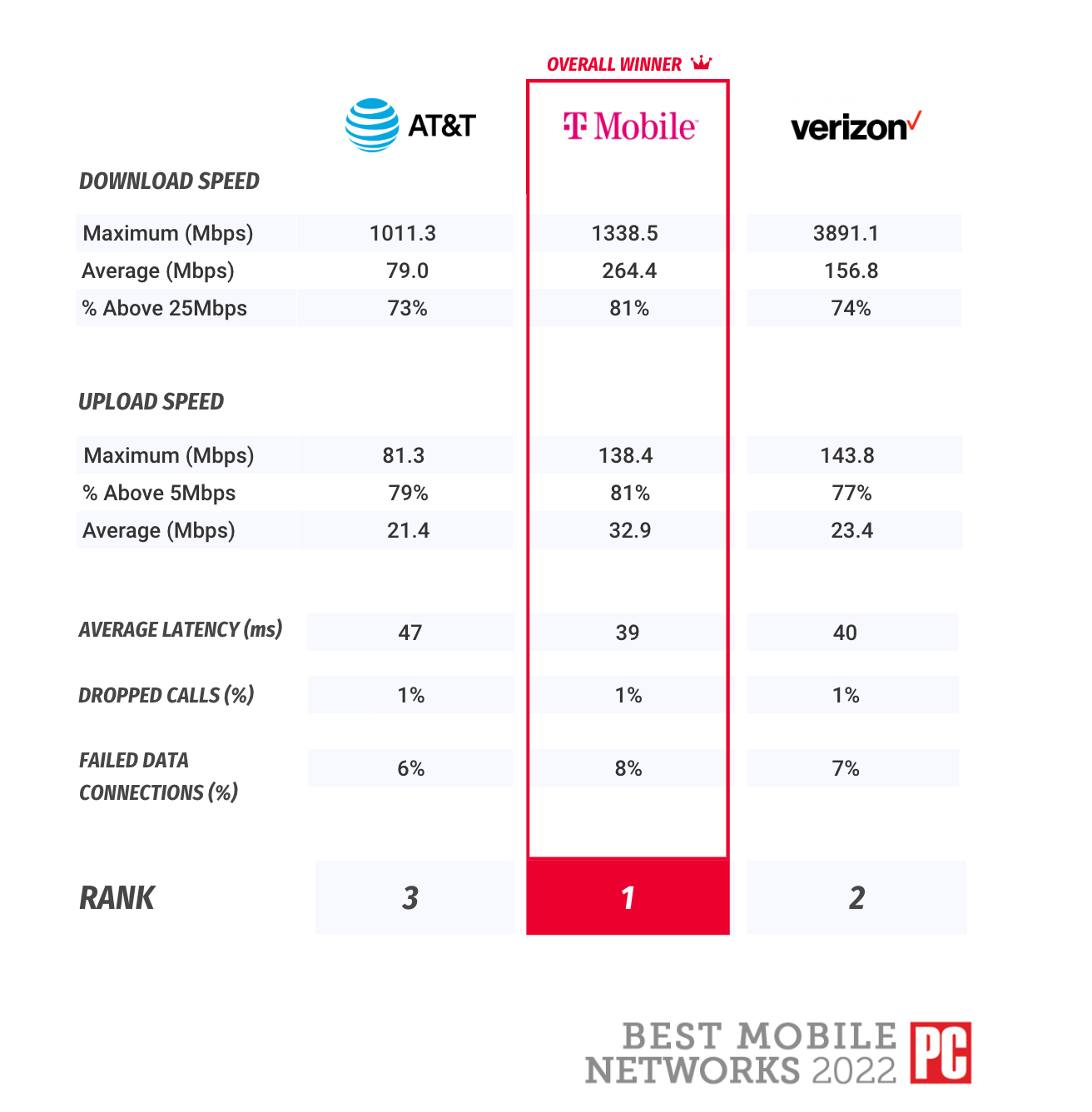
The perception of “best coverage” is, of course, subjective and can vary significantly based on individual needs and locations. However, objective data, independent testing, and consumer feedback consistently point to a few key players who generally excel in this critical area. This article delves into the factors that contribute to superior cell phone coverage, examines the performance of major carriers, and provides insights to help you make an informed decision that aligns with your personal or professional requirements.
Understanding the Pillars of Cell Phone Coverage
The quest for the best coverage begins with a comprehension of what constitutes a robust and reliable cellular network. Several interconnected elements work in tandem to deliver a seamless mobile experience. Understanding these foundational aspects will empower you to better evaluate the offerings of different providers.
Network Infrastructure: The Backbone of Connectivity
At its core, cell phone coverage is built upon an extensive network of cell towers. These towers, strategically placed across vast geographical areas, transmit and receive cellular signals. The density and distribution of these towers are primary determinants of coverage quality. Carriers with a larger number of cell sites, particularly in rural and remote areas where population density is lower, tend to offer more consistent service.
However, it’s not just about the sheer number of towers. The type of technology deployed by each carrier also plays a crucial role. The evolution from 2G to 3G, 4G LTE, and now 5G has brought significant improvements in speed, capacity, and the ability of signals to penetrate buildings and overcome obstacles. 5G, in particular, promises not only faster speeds but also lower latency, which is essential for real-time applications and an increasingly connected ecosystem of devices. Different carriers have adopted these technologies at varying paces and with different strategic focuses, leading to disparities in their advanced network capabilities.
Spectrum Allocation: The Airwaves of Communication
Cellular service operates on licensed radio frequencies, known as spectrum. The availability and efficient use of spectrum are critical for a carrier’s ability to provide coverage and capacity. Different frequency bands have distinct propagation characteristics. Lower frequency bands (like 600 MHz or 700 MHz) travel farther and penetrate obstacles like buildings and trees more effectively, making them ideal for broad, rural coverage. Higher frequency bands (like millimeter-wave 5G) offer incredibly high speeds and capacity but have a much shorter range and are easily obstructed, making them best suited for dense urban environments.
The amount of spectrum a carrier holds, and how they utilize it across their network, directly impacts their ability to serve a large number of users simultaneously without experiencing congestion or dropped calls. Regulatory bodies like the Federal Communications Commission (FCC) in the United States auction and allocate spectrum, creating a competitive landscape where carriers vie for valuable airwaves. Companies that have strategically acquired and optimized their spectrum holdings are often at an advantage in delivering consistent coverage.
Network Technology and Innovation: Beyond the Basics
Beyond the physical infrastructure and spectrum, the underlying technology and ongoing innovation within a carrier’s network significantly influence coverage quality. This includes advancements in:
- Antenna Technology: More sophisticated antenna designs can focus signals more effectively, improving reception and reducing interference.
- Network Virtualization: This allows for more flexible and efficient management of network resources, enabling carriers to adapt to changing demands and optimize coverage in specific areas.
- Small Cells and Distributed Antenna Systems (DAS): These technologies are crucial for filling coverage gaps in challenging indoor environments or dense urban areas where traditional large cell towers are impractical. Small cells are low-power base stations that can be deployed on lampposts, buildings, and other urban infrastructure, while DAS involves a network of antennas connected to a central hub, often used in large venues like stadiums, airports, and office buildings.
- Carrier Aggregation: This technique allows a device to connect to multiple frequency bands simultaneously, increasing data speeds and improving connection reliability.
Carriers that actively invest in and deploy these advanced technologies are generally better positioned to offer superior and more consistent coverage, especially as data demands continue to escalate.
Evaluating the Major Players: Coverage Champions
While many factors contribute to excellent coverage, the performance of the major national carriers is consistently scrutinized by independent testing firms and consumer surveys. These entities employ rigorous methodologies to assess network quality across various geographies and usage scenarios.
Verizon: The Traditional Leader in Reliability
For many years, Verizon Wireless has been synonymous with strong and reliable cell phone coverage. Their consistent investment in building out their 4G LTE network, often prioritizing breadth and depth of coverage, has earned them a reputation for dependability, particularly in rural and suburban areas. Verizon’s strategy has often focused on securing a diverse range of spectrum, enabling them to offer a robust signal across different terrains.
In the 5G era, Verizon has pursued a multi-pronged approach. They were early adopters of millimeter-wave (mmWave) 5G, branded as “5G Ultra Wideband,” which offers incredibly high speeds but has limited range. However, they have also been actively deploying 5G across lower and mid-band spectrum, referred to as “5G Nationwide,” to expand their 5G coverage footprint. While their mmWave deployment is concentrated in dense urban areas, their nationwide 5G is designed to reach a broader audience. Independent testing often highlights Verizon’s strong performance in areas where other carriers might falter, solidifying its position as a top contender for coverage.
AT&T: A Comprehensive and Evolving Network
AT&T has also been a significant player in the coverage landscape, consistently investing in its network infrastructure. Historically, AT&T has leveraged its extensive spectrum holdings to provide a broad and deep network, particularly for its 4G LTE service. Their commitment to expanding 5G is evident, with a strategic focus on mid-band spectrum (often referred to as C-band) which offers a good balance of speed and range, bridging the gap between the extensive reach of low-band and the high-speed, short-range capabilities of mmWave.

AT&T’s network is often praised for its balance of coverage and data performance. They have been aggressive in their 5G build-out, aiming to provide a consistent 5G experience across a wide range of locations. Their network strategy often involves a blend of technologies and spectrum bands to ensure a robust user experience, making them a strong competitor for those prioritizing consistent connectivity across diverse environments.
T-Mobile: The “Un-carrier” Revolutionizing Coverage
T-Mobile has undergone a dramatic transformation in recent years, largely driven by its “Un-carrier” strategy and its acquisition of Sprint. This acquisition significantly boosted T-Mobile’s spectrum holdings, particularly in the crucial mid-band frequencies, which are vital for delivering fast and reliable 5G. T-Mobile has aggressively deployed its mid-band 5G, often branded as “5G Ultra Capacity,” which has allowed them to leapfrog competitors in terms of average 5G speeds and coverage expansion in many areas.
While T-Mobile’s historical reputation was sometimes associated with less robust rural coverage compared to its competitors, the Sprint merger and subsequent network investments have significantly closed that gap. Their focus on utilizing a wide array of spectrum, including their substantial mid-band holdings, has resulted in a network that often leads in 5G performance and offers a compelling alternative for consumers seeking fast and widespread connectivity. Their continuous investment in network upgrades and their aggressive rollout of 5G technology have positioned them as a formidable force in the coverage arena.
Factors Beyond the “Big Three”
While Verizon, AT&T, and T-Mobile are the dominant national carriers, it’s important to acknowledge that other options exist, and their coverage can be surprisingly competitive, especially when considering specific needs or regional strengths.
MVNOs: Leveraging Existing Networks
Mobile Virtual Network Operators (MVNOs) are companies that do not own their own cellular network infrastructure. Instead, they lease network capacity from the major carriers (Verizon, AT&T, and T-Mobile) and offer their own plans and branding. Examples include Mint Mobile, Cricket Wireless, Google Fi, and Visible.
The coverage provided by an MVNO is directly dependent on the network it utilizes. For instance, if an MVNO leases capacity from Verizon, its coverage will largely mirror Verizon’s coverage. This model allows MVNOs to offer more competitive pricing, making them an attractive option for budget-conscious consumers who still want access to reliable network coverage. When choosing an MVNO, it is crucial to understand which of the major networks it operates on, as this will dictate its coverage footprint. Some MVNOs, like Google Fi, even offer the ability to dynamically switch between different carrier networks to optimize coverage, providing a unique advantage in certain situations.
Regional Carriers and Specialized Networks
Beyond the national players and MVNOs, there are also regional carriers that focus on providing service within specific geographic areas. These carriers can sometimes offer superior coverage within their designated regions, especially in areas where national carriers might have gaps. While their national reach is limited, for individuals who primarily operate within a specific state or region, a strong regional carrier can be an excellent choice.
Furthermore, in some specific industries or use cases, specialized networks may exist. For example, public safety networks or private cellular networks for enterprise applications offer tailored connectivity solutions. However, for the vast majority of individual consumers, the focus remains on the national carriers and their associated MVNOs.
Making the Right Choice for Your Coverage Needs
Selecting the cell phone company with the “best” coverage ultimately boils down to understanding your personal usage patterns, geographic locations, and priorities. What works best for someone living in a dense urban center might not be ideal for someone residing in a rural area.
Assess Your Location and Usage Habits
The first step is to honestly evaluate where you spend most of your time. Do you live in a city, a suburb, or a rural community? Do you frequently travel to specific regions? Many carriers provide coverage maps on their websites, which can be a helpful starting point. However, these maps can sometimes be overly optimistic.
Consider also your usage habits. Do you primarily use your phone for basic calls and texts, or are you a heavy data user who streams videos, plays online games, or relies on video conferencing for work? Higher data usage will place more demands on a network’s capacity and speed, making coverage quality even more critical.
Utilize Independent Testing and User Reviews
Independent network testing firms, such as Ookla (Speedtest), Rootmetrics, and JD Power, conduct extensive studies across the country. Their reports often provide detailed insights into call quality, data speeds, and coverage reliability for each major carrier in various markets. These reports are invaluable resources for objective comparisons.
In addition to professional testing, consider user reviews and crowd-sourced data. Platforms like Opensignal collect real-time data from millions of users, offering insights into actual user experiences with different carriers. Online forums and social media can also provide anecdotal evidence from individuals in your specific geographic area.

Consider Future Needs and Technological Advancements
The mobile landscape is constantly evolving, with new technologies and network enhancements being rolled out regularly. When making a decision, it’s wise to consider not only current coverage but also a carrier’s commitment to future development. 5G technology, for instance, is still being deployed and refined, and carriers with aggressive 5G strategies may offer a more future-proof solution.
Ultimately, the pursuit of the “best” cell phone coverage is an ongoing process of evaluation and adaptation. By understanding the underlying technology, examining the performance of major providers, and considering your individual needs, you can confidently choose a carrier that keeps you connected, wherever life takes you.
aViewFromTheCave is a participant in the Amazon Services LLC Associates Program, an affiliate advertising program designed to provide a means for sites to earn advertising fees by advertising and linking to Amazon.com. Amazon, the Amazon logo, AmazonSupply, and the AmazonSupply logo are trademarks of Amazon.com, Inc. or its affiliates. As an Amazon Associate we earn affiliate commissions from qualifying purchases.