
Navigating the world of confections can be a delightful, yet sometimes challenging, endeavor for individuals adhering to a gluten-free lifestyle. The joy of indulging in a sweet treat should not be compromised by uncertainty about ingredients. In today’s increasingly health-conscious marketplace, a growing number of confectionery brands are recognizing the demand for gluten-free options, making it easier than ever to satisfy your sweet cravings without concern. This exploration delves into the landscape of gluten-free candies, examining how brands are responding to consumer needs, the nuances of ingredient labeling, and strategies for identifying and enjoying these allergen-friendly delights.
The Evolving Landscape of Confectionery and Gluten-Free Demand
The rise of gluten-free diets, whether driven by celiac disease, gluten sensitivity, or lifestyle choices, has profoundly impacted the food industry. Confectionery, often perceived as a discretionary indulgence, has not been immune to this shift. Consumers are actively seeking out products that align with their dietary requirements, and brands that proactively address this demand are finding a receptive audience. This section will explore the market forces driving the availability of gluten-free candies and how confectionery companies are innovating to meet these expectations.
Market Drivers for Gluten-Free Confections
The increasing prevalence of diagnosed celiac disease and the growing awareness of non-celiac gluten sensitivity are significant drivers behind the demand for gluten-free products across all food categories, including candy. Beyond medical necessity, many consumers are adopting gluten-free eating patterns for perceived health benefits, such as improved digestion and reduced inflammation. This broader adoption fuels a larger market, encouraging manufacturers to invest in developing and marketing gluten-free lines. For confectionery brands, this translates into an opportunity to capture a segment of the market that may have previously abstained from their products due to ingredient concerns. The perception of “healthier” or “safer” options, even within the realm of sweets, is a powerful marketing tool.
Brand Innovation and Product Development
Confectionery brands are responding to this demand in several ways. Some are reformulating existing popular candies to be gluten-free, a complex process that requires careful ingredient sourcing and rigorous testing to ensure no cross-contamination. Others are developing entirely new product lines specifically designed to be gluten-free from the outset. This often involves exploring alternative starches, flours, and binders to achieve the desired texture and flavor profiles that consumers expect from their favorite treats. The challenge for brands lies not only in the technical aspects of reformulation but also in effectively communicating the gluten-free status of their products to consumers. Transparency in labeling and marketing is paramount in building trust within this sensitive consumer group. Furthermore, brands are increasingly collaborating with gluten-free certification organizations to provide an extra layer of assurance to consumers.
Decoding Gluten-Free Candy Labels: A Consumer’s Guide
For consumers, distinguishing between gluten-free and gluten-containing candies can be a complex task, often relying on diligent label reading and an understanding of common ingredients. The absence of gluten in a candy is not always immediately obvious, as gluten can be present in unexpected ingredients or through cross-contamination during manufacturing. This section will provide practical advice on how to interpret candy labels, identify potential gluten sources, and leverage brand resources for accurate information.
Understanding “Gluten-Free” Certifications and Claims
The term “gluten-free” on a food label is regulated differently across various regions. In many countries, a product labeled “gluten-free” must contain less than a specified amount of gluten, typically 20 parts per million (ppm). However, the nuances of these regulations can be confusing. Many brands opt for third-party gluten-free certifications from organizations like the Gluten-Free Certification Organization (GFCO) or the National Celiac Association (NCA). These certifications signify that a product has undergone rigorous testing and meets strict standards for gluten-free content, often exceeding regulatory requirements. When a brand prominently displays such a certification logo, it offers a higher degree of confidence for consumers. Beyond formal certifications, brands may make voluntary “gluten-free” claims on their packaging. It is crucial to understand the basis of these claims and to consult the brand’s website or customer service if further clarification is needed.
Common Ingredients to Watch For
While many candies are naturally gluten-free, certain ingredients can introduce gluten. Wheat, barley, and rye are the primary sources of gluten and are less common in candies than in baked goods. However, gluten can be found in thickeners, flavorings, and colorings derived from these grains. For instance, some malt-based flavorings (often derived from barley) can contain gluten. Maltodextrin, a common ingredient in many processed foods, is usually derived from corn or potato and is gluten-free, but it’s always wise to check if a brand specifies its source. Similarly, starches like modified food starch can be derived from wheat, though this is increasingly rare, and many manufacturers will specify if the source is wheat-based. Another area of concern is cross-contamination. Candies produced on shared equipment with gluten-containing products can become contaminated. Brands that are dedicated gluten-free facilities or that implement strict allergen control protocols are more likely to offer safer options. When in doubt, looking for statements like “processed in a dedicated gluten-free facility” or “free from gluten and wheat” provides additional reassurance.
Leveraging Brand Resources and Communication

In the absence of a clear gluten-free label or certification, responsible brands provide robust resources for consumers. A company’s official website is often the first port of call. Many confectionery manufacturers maintain dedicated sections on their websites outlining their gluten-free product offerings and providing ingredient lists and allergen information. Some even have searchable databases or FAQs that address common dietary concerns.
Beyond the website, direct communication with the brand’s customer service department is an invaluable resource. A well-informed customer service team can provide detailed ingredient breakdowns and clarify manufacturing processes regarding allergen control. This proactive approach by brands demonstrates a commitment to serving the needs of all consumers, including those who require gluten-free options. Furthermore, some brands actively engage with the gluten-free community through social media and partnerships with advocacy groups, further enhancing transparency and trust.
Popular Gluten-Free Candy Categories and Brands
The market has responded enthusiastically to the demand for gluten-free sweets, leading to a wide array of readily available options. From classic chocolate bars to fruity gummies, there’s a gluten-free candy to suit almost every palate. This section will highlight some of the most popular categories of gluten-free candies and identify reputable brands that consistently offer safe and delicious choices.
Chocolate Confections
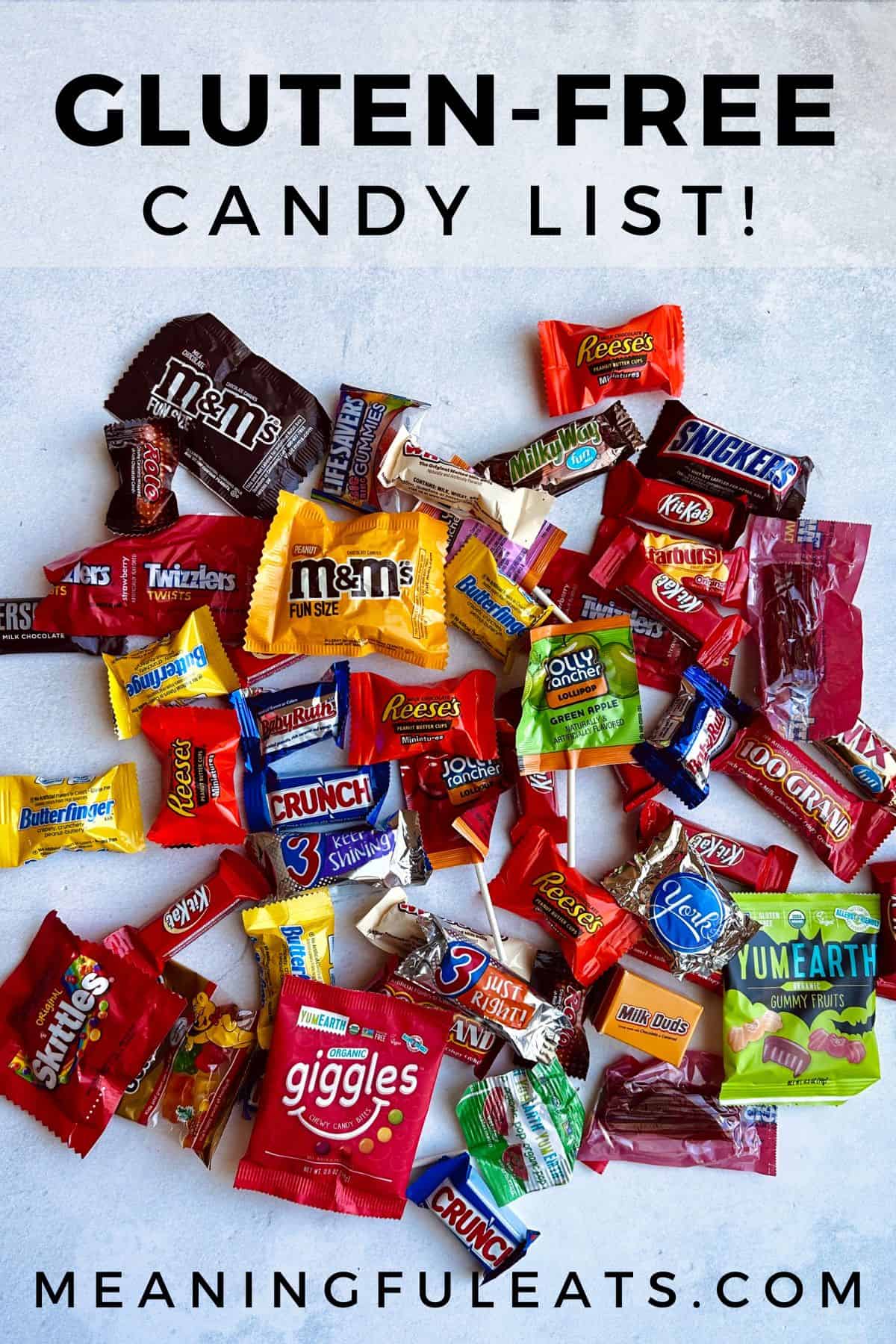
Chocolate is a beloved indulgence, and fortunately, many pure chocolate products are naturally gluten-free. However, the addition of inclusions like cookies, wafers, or malted milk balls can introduce gluten. Brands that are committed to gluten-free options often clearly label their products. For instance, brands like Ghirardelli offer a range of chocolate squares and bars that are typically gluten-free, though it’s always best to check the label for specific product varieties. Similarly, Hershey’s, a staple in the confectionery world, has many plain chocolate bars (like milk chocolate and dark chocolate) that are gluten-free. They are also quite transparent about their allergen information on their website. Specialty chocolate brands focusing on clean ingredients and allergen-friendly production are also excellent choices. Look for brands that explicitly state “gluten-free” on their packaging for their chocolate bars, chips, and baking chocolate. For those seeking a more artisanal experience, many smaller chocolatiers are dedicated to producing high-quality, gluten-free treats.
Gummy Candies and Chewy Treats
Gummy candies and chewy treats, such as sour belts, fruit snacks, and classic gummies, have historically been a potential minefield for gluten-free consumers due to the use of gelatin and sometimes modified food starch. However, many leading brands have made significant strides in offering gluten-free versions. Sour Patch Kids are a widely popular brand where their original sour candies are considered gluten-free. Swedish Fish are another brand that is generally recognized as gluten-free. Beyond these mainstream options, numerous brands have emerged specifically catering to the gluten-free market, offering a vibrant spectrum of flavors and textures. For example, companies like SmartSweets have built their entire brand around low-sugar, gluten-free confections, including various gummy and chewy options. When exploring gummy candies, always check the ingredient list for any mention of wheat, barley, or rye, and look for explicit gluten-free labeling. The use of pectin as a gelling agent instead of gelatin is also becoming more common in vegan and gluten-free gummies, offering an alternative for those with dietary restrictions beyond gluten.
Hard Candies, Lollipops, and Mints
Hard candies, lollipops, and mints are often among the safest bets for gluten-free consumers, as their primary ingredients typically consist of sugar, corn syrup, flavorings, and colorings. Many classic brands in this category are naturally gluten-free. Brands like Jolly Ranchers are generally considered gluten-free, as are many varieties of Life Savers hard candies. Lollipops from brands such as Tootsie Pops (excluding the Tootsie Roll center) and Dum Dums are also typically gluten-free. Similarly, mints from established brands like Altoids (original peppermint) and Mentos are usually safe choices. However, it’s always prudent to exercise caution. Some specialty hard candies or lollipops might incorporate gluten-containing fillings or coatings. Brands that produce novelty candies or those with complex flavor combinations may be more likely to use ingredients that could contain gluten. When in doubt, a quick check of the brand’s website or a call to their customer service can confirm the gluten-free status of any specific product. The simplicity of their ingredient lists makes this category of candy a reliable choice for many.
Navigating Dietary Needs: Beyond Gluten-Free
While gluten-free candy offers a crucial pathway for those with gluten-related disorders, the modern consumer often has multiple dietary considerations. Brands are increasingly recognizing the need to cater to a confluence of dietary restrictions, offering products that are not only gluten-free but also vegan, dairy-free, soy-free, or free from other common allergens. This section will briefly touch upon how brands are addressing these multifaceted needs and the importance of comprehensive allergen information.
The Rise of “Free-From” Confections
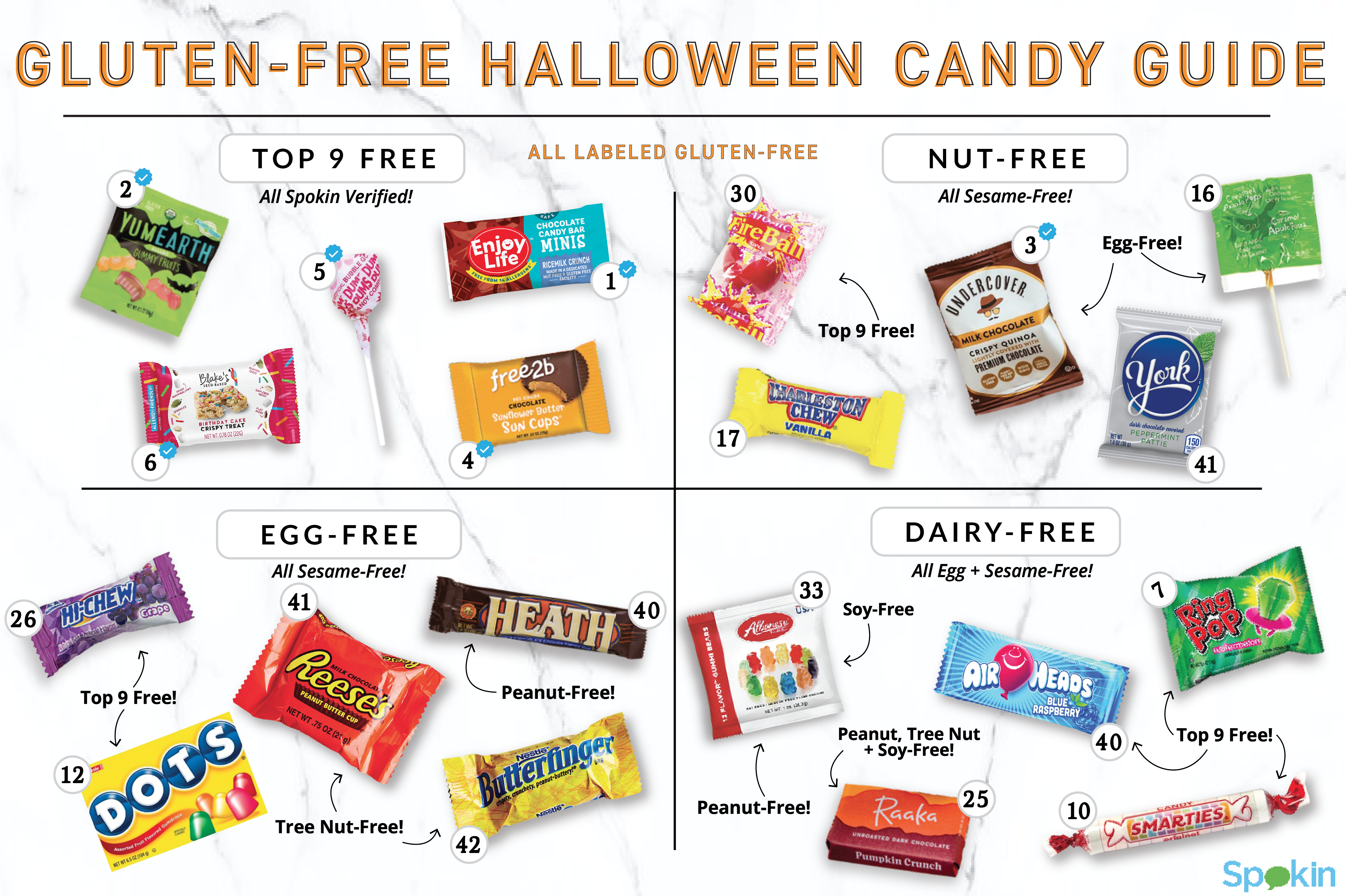
The trend towards “free-from” foods extends beyond gluten. Consumers are actively seeking products free from dairy, soy, nuts, and artificial ingredients, among others. Confectionery brands that can successfully cater to these multiple restrictions are carving out significant market niches. For example, a candy that is simultaneously gluten-free and vegan appeals to a broader audience than one that is only gluten-free. This has led to innovation in ingredients, with brands exploring plant-based alternatives for dairy and eggs, and utilizing alternative sweeteners and flavorings. The challenge for these brands lies in achieving taste and texture parity with their conventional counterparts while maintaining a clean ingredient profile.
The Importance of Comprehensive Allergen Information
For individuals managing multiple dietary restrictions, comprehensive and easily accessible allergen information is non-negotiable. Brands that excel in this area provide detailed breakdowns of all potential allergens present in their products, including common culprits like milk, eggs, peanuts, tree nuts, soy, and wheat. This information is typically found on packaging, on dedicated sections of company websites, and through responsive customer service. The presence of clear “may contain” statements regarding cross-contamination is also vital. As consumer awareness and demand for transparency grow, brands that prioritize clear, honest, and comprehensive allergen labeling will continue to build trust and loyalty within specialized consumer segments. This commitment to detailed information empowers consumers to make informed choices that align with their health and dietary needs, ensuring that the indulgence of candy can be enjoyed safely and without worry.
aViewFromTheCave is a participant in the Amazon Services LLC Associates Program, an affiliate advertising program designed to provide a means for sites to earn advertising fees by advertising and linking to Amazon.com. Amazon, the Amazon logo, AmazonSupply, and the AmazonSupply logo are trademarks of Amazon.com, Inc. or its affiliates. As an Amazon Associate we earn affiliate commissions from qualifying purchases.