
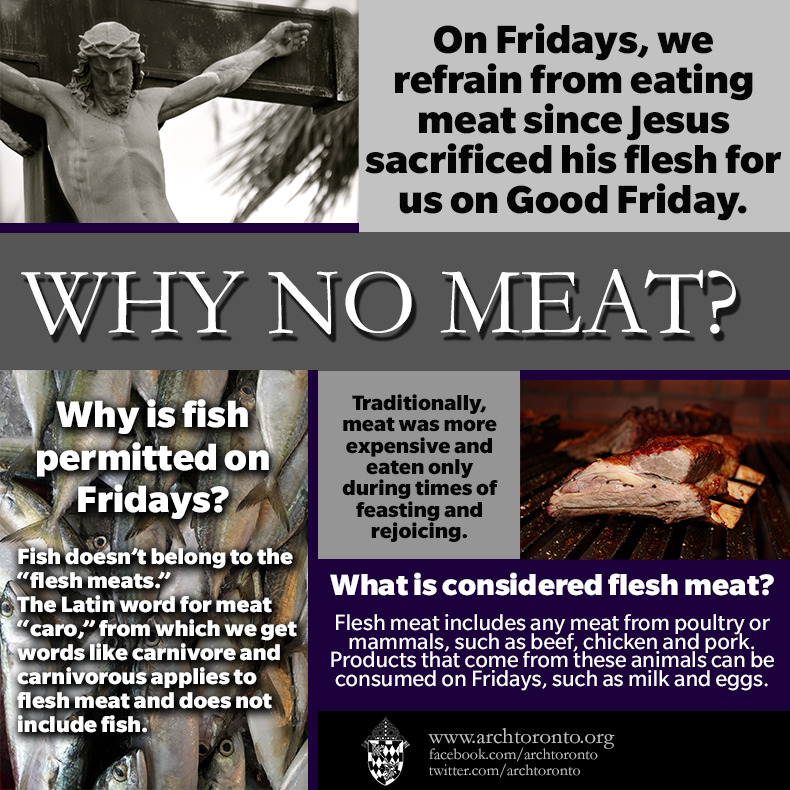
The question of “what can you eat on Good Friday” is traditionally rooted in theological observance, specifically the Christian practice of abstaining from “flesh meat” to commemorate the crucifixion. However, for those operating within the realms of personal finance, commodity trading, and the hospitality industry, this question shifts from a matter of faith to a matter of significant economic movement. Every year, the dietary shift from red meat to seafood and plant-based alternatives triggers a predictable yet massive fluctuation in global markets.

Understanding the “Good Friday diet” through a financial lens reveals a complex ecosystem of supply chain logistics, seasonal pricing surges, and strategic brand positioning. For the savvy investor or the budget-conscious consumer, the transition from steak to salmon is more than a tradition—it is a lesson in market volatility and the power of collective consumer behavior.
The Seafood Surge: How Good Friday Reshapes Global Commodities
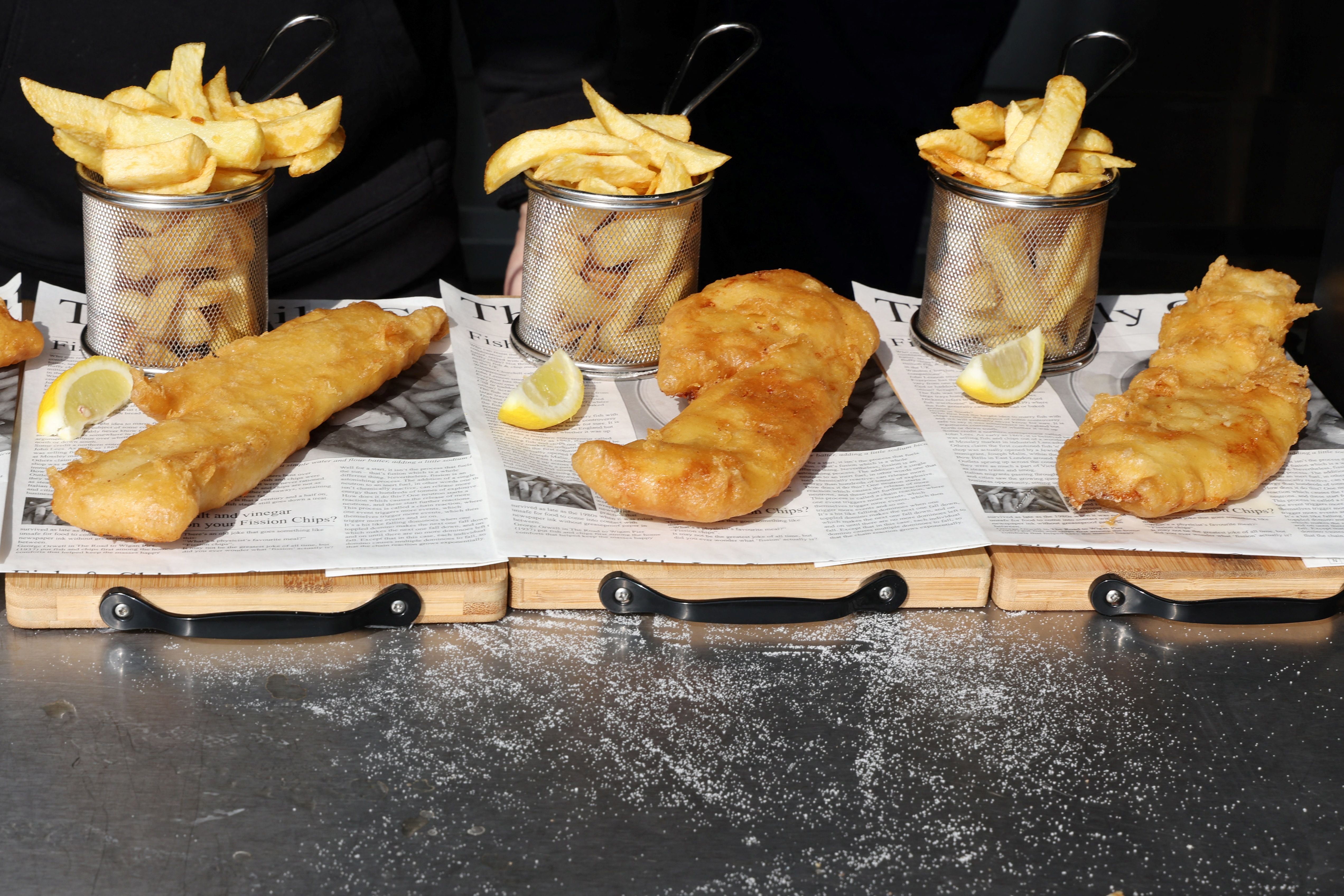
When millions of people simultaneously pivot their protein source, the impact on the seafood industry is profound. The “Lenten effect” creates a peak in demand that often rivals the end-of-year holiday season, specifically for certain types of white fish and shellfish. This surge provides a case study in supply and demand mechanics.
Supply Chain Dynamics and Price Volatility
In the weeks leading up to Good Friday, wholesale prices for cod, haddock, and tilapia typically see a marked increase. For procurement officers in the grocery sector, this requires a delicate balance of forward-contracting and inventory management. Because seafood is a highly perishable commodity, the financial risks of overstocking are as high as the opportunity costs of understocking. Investors who track companies like Mowi ASA or Lerøy Seafood Group often observe seasonal fluctuations in stock performance tied specifically to these periods of heightened European and American demand.
The “Fish Premium” and Consumer Inflation
For the average consumer, the question of what to eat on Good Friday often comes with a higher price tag. Retailers frequently capitalize on the lack of elasticity in demand during this period. Because the religious obligation mandates a specific dietary change, consumers are often willing to pay a “premium” for fresh catch. This micro-inflationary event serves as an excellent reminder for personal finance enthusiasts to practice “counter-cyclical purchasing”—stocking up on frozen seafood alternatives during low-demand months like October or November to mitigate the Lenten price hike.
Hospitality and Fast Food: The High-Stakes Strategy of Meatless Menus
The question of what to eat on Good Friday has historically been a challenge for the fast-food industry, which was originally built on the efficiency of the beef-based hamburger. However, the corporate response to this dietary restriction has led to some of the most successful product diversifications in marketing history.
The Filet-O-Fish Factor: A Case Study in Revenue Protection
The most famous example of a brand adapting to the Good Friday dietary constraint is McDonald’s Filet-O-Fish. Developed by a franchise owner in a heavily Catholic neighborhood in 1962, the sandwich was a strategic financial move to prevent the “Friday slump” in revenue. Today, this single menu item accounts for a massive percentage of the company’s Q1 and Q2 seafood sales. For business analysts, this highlights the importance of “niche catering”—identifying a specific consumer pain point (the inability to eat meat) and providing a high-margin solution.
Pivot or Perish: How Independent Restaurants Manage Seasonal Shifts
For small business owners, Good Friday presents a logistical hurdle. A steakhouse that fails to offer a robust seafood or vegetarian menu on this day risks losing entire parties of diners, as even one person observing the fast can dictate the choice of venue for a group of ten. From a business finance perspective, the “Good Friday menu” is a tool for customer retention. Successful independent operators use this day to test high-end seafood specials, often achieving higher profit margins on a plate of sea bass than they would on a standard ribeye, due to the perceived “special occasion” nature of the holiday.
The Rise of FoodTech: Investing in the Future of Meatless Traditions
As the global population becomes more health-conscious and environmentally aware, the answer to “what can you eat on Good Friday” is increasingly involving Technology-led food solutions. This has opened a new frontier for venture capital and retail investors looking to capitalize on the intersection of tradition and innovation.
Plant-Based Innovation and Market Penetration
The emergence of “alt-protein” giants like Beyond Meat and Impossible Foods has changed the financial landscape of Good Friday. No longer restricted to just fish, those observing the day can now opt for plant-based substitutes that mimic the texture and flavor of meat. For the “Money” niche, this represents a transition from a seasonal seafood spike to a year-round growth sector. Investors are looking at these companies not just for their Lenten performance, but for their ability to capture a share of the $20 billion meat-alternative market.
The Scaling of Cell-Cultured Seafood
Looking forward, the next big financial play in the “Good Friday economy” is lab-grown or cell-cultured seafood. As wild-caught fish stocks face environmental and regulatory pressures, companies like BlueNalu and Finless Foods are attracting significant Series B and C funding. The goal is to provide a sustainable, price-stable protein source that satisfies religious dietary requirements while bypassing the volatility of the traditional fishing industry. For the forward-thinking investor, the Good Friday diet provides a window into which sustainable technologies are gaining the most consumer traction.
Navigating the Good Friday Budget: Personal Finance for the Observant
While the macro-economic shifts are fascinating, the most immediate impact of the Good Friday dietary shift is felt in the individual’s wallet. Maintaining a meat-free diet for a day—or for the duration of Lent—can surprisingly increase household food expenditures if not managed correctly.
Strategic Meal Planning to Avoid the “Holy Day Markup”
From a personal finance perspective, the most expensive way to observe Good Friday is to purchase fresh, wild-caught seafood on the Thursday or Friday of that week. To protect one’s budget, financial experts recommend focusing on “low-cost, high-protein” alternatives that fall within the permissible categories. Beans, lentils, and chickpeas are historically the most cost-effective options, offering a nutritional profile similar to meat at a fraction of the cost of salmon or shrimp. By shifting the focus from “what is the most luxurious fish” to “what is the most efficient protein,” consumers can maintain their traditions without compromising their savings goals.
The Hidden Costs of Convenience and Dining Out
Another financial pitfall of the Good Friday diet is the reliance on pre-prepared “Lenten specials” from grocery stores or meal-delivery apps. These products often carry a 20-30% markup compared to their individual ingredients. For those tracking their “Side Hustle” income or trying to maximize their “Online Income” through strict budgeting, the most sound financial advice is to prepare Good Friday meals at home. A simple pasta with oil and garlic, or a homemade vegetable frittata, aligns perfectly with the spirit of the day while keeping capital in your investment accounts rather than in a restaurateur’s pocket.
Conclusion: The Bottom Line of a Meatless Friday
“What can you eat on Good Friday” is a question that triggers a multi-billion dollar economic cycle. From the trawlers in the North Sea to the boardrooms of Silicon Valley food-tech startups, the shift in protein consumption on this day is a powerful driver of market activity.
For the professional in the money and finance space, Good Friday serves as an annual reminder of how deeply culture and religion influence consumer spending. Whether it is the surge in seafood stocks, the marketing genius of the fast-food industry, or the burgeoning market for lab-grown protein, the “Good Friday diet” is a testament to the fact that even the most ancient traditions have a modern, measurable impact on the global economy. By understanding these patterns, both businesses and individual consumers can better navigate the seasonal fluctuations of the marketplace, ensuring that their financial health remains as robust as their cultural observances.
aViewFromTheCave is a participant in the Amazon Services LLC Associates Program, an affiliate advertising program designed to provide a means for sites to earn advertising fees by advertising and linking to Amazon.com. Amazon, the Amazon logo, AmazonSupply, and the AmazonSupply logo are trademarks of Amazon.com, Inc. or its affiliates. As an Amazon Associate we earn affiliate commissions from qualifying purchases.