
In the traditional religious sense, a sacrament is an outward sign of an inward grace—a ritual that confers a deeper status and connects the individual to a larger, more profound narrative. When we translate this concept into the modern world of commerce and corporate identity, we find that the most successful global brands operate with a similar sense of ritualistic devotion.
Building a brand is no longer just about selling a product or a service; it is about creating a belief system. For a brand to achieve “cult status” or even long-term market sustainability, it must undergo a series of transformations and uphold specific pillars of identity. By examining the “Seven Sacraments of Brand Strategy,” we can understand how organizations move beyond mere transactions to create lasting emotional and psychological bonds with their audience.
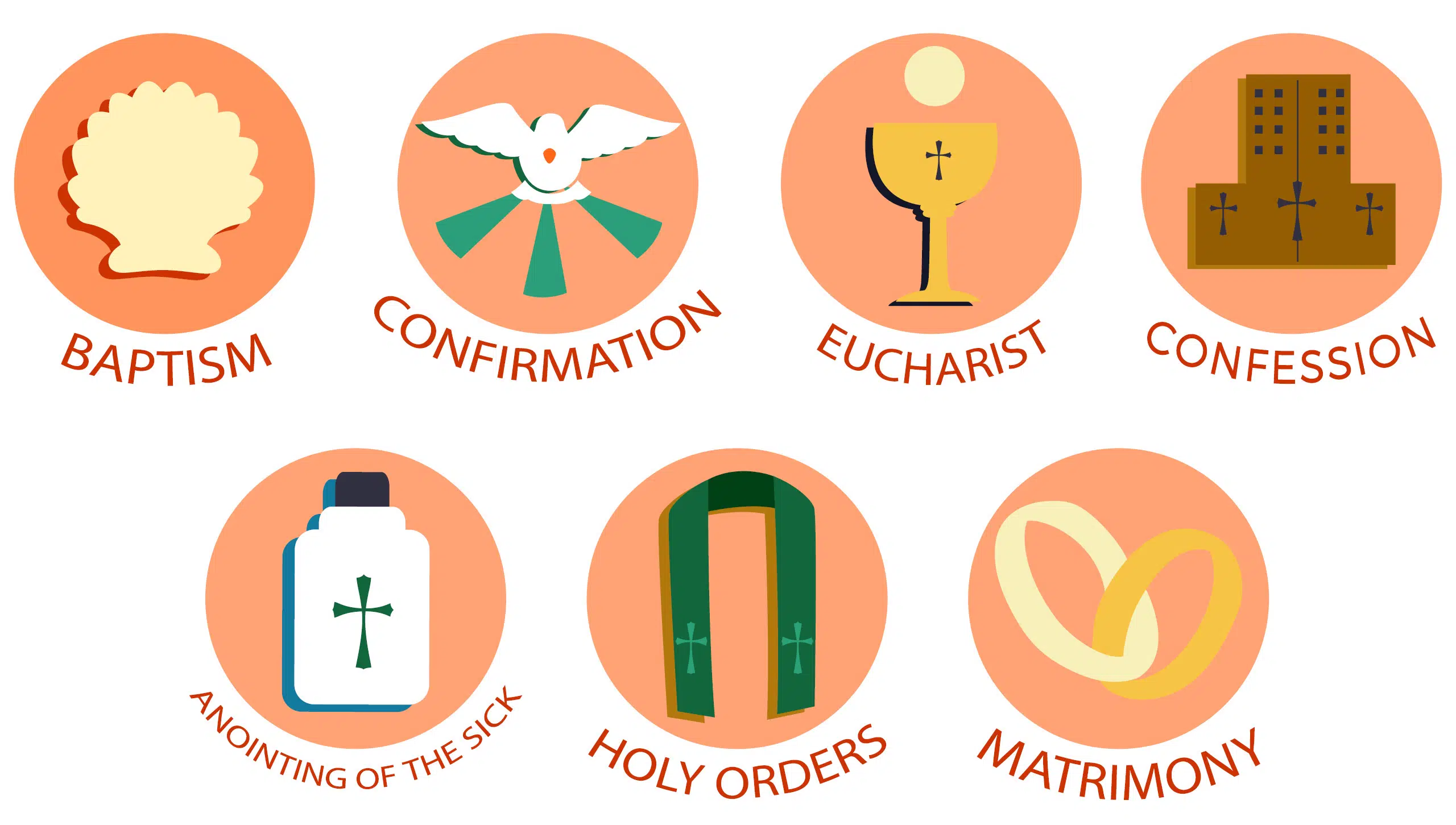
1. The Sacrament of Identity: The Baptism of the Brand
The first step in any brand’s life cycle is the definition of its existence. Just as baptism represents an entry into a community and the receipt of a name, the Sacrament of Identity is where a brand defines its “Soul”—its mission, vision, and core values. This is the foundational stage where the brand is “born” into the marketplace.
The Iconography of the Logo and Visual Language
Visual identity is the most immediate “outward sign” of a brand. A logo is not merely a graphic; it is a totem. Think of the Nike Swoosh or the Apple silhouette. These symbols carry the weight of the brand’s entire history and promise. In the Sacrament of Identity, a brand must develop a visual lexicon—colors, typography, and imagery—that communicates its essence without a single word being spoken. This visual consistency ensures that the brand is recognizable in a crowded digital and physical landscape.
Establishing the Brand Voice and Narrative
Beyond the visual, there is the “Word.” Every brand needs a voice that resonates with its intended congregation. Whether it is the playful, irreverent tone of a startup or the authoritative, steady voice of a legacy financial institution, the narrative must be authentic. This “Brand Story” serves as the origin myth, explaining why the company exists and what purpose it serves beyond the bottom line. Without a clear narrative, a brand remains an anonymous commodity.
2. The Sacrament of Consistency: The Confirmation of the Promise
If Identity is the birth, Consistency is the maturation. Confirmation in a religious context is a commitment to the faith. In branding, the Sacrament of Consistency is the brand’s commitment to its audience that it will deliver the same quality, tone, and experience at every touchpoint. This is where brand equity is built—through the repetitive, reliable fulfillment of a promise.
Maintaining an Omnichannel Presence
In the digital age, a brand exists in many places at once: social media, e-commerce platforms, physical stores, and customer service portals. The Sacrament of Consistency requires that the “brand feeling” remains identical across all these channels. If a brand claims to be “customer-first” on its website but provides a frustrating, bureaucratic experience over the phone, the sacrament is broken, and the brand loses its sanctity in the eyes of the consumer.
Cultivating Brand Advocacy and Loyalty
Consistency leads to trust, and trust leads to advocacy. When a brand confirms its value repeatedly, its customers stop being mere “users” and start becoming “advocates.” This stage of the brand strategy focuses on rewarding loyalty and ensuring that the long-term relationship with the consumer is prioritized over short-term gains. It is the process of turning a one-time purchaser into a lifelong believer.
3. The Sacrament of Community: The Communion of Shared Values
The most powerful brands in the world—those that feel like a lifestyle rather than a business—have mastered the Sacrament of Community. This is the “Communion” of the brand world, where the brand and the consumer come together around shared values and a sense of belonging. The brand becomes a facilitator for human connection.
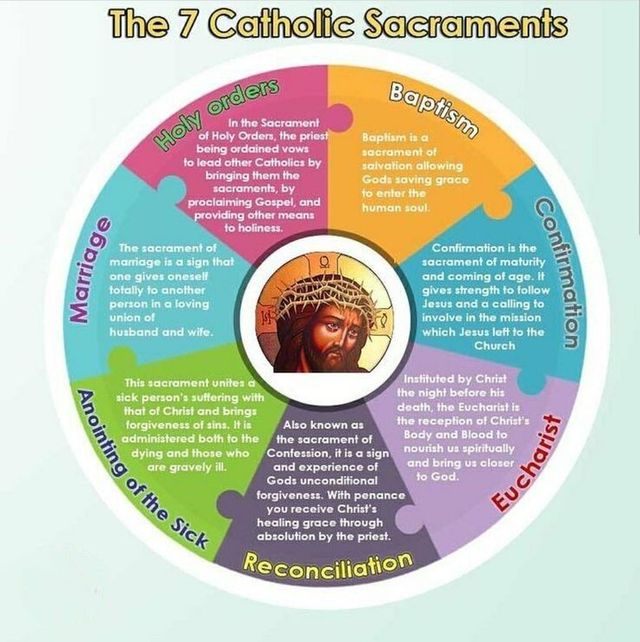
The Power of the Brand Tribe
Marketing expert Seth Godin famously spoke about “Tribes.” A brand tribe is a group of people connected to one another, connected to a leader, and connected to an idea. By building a community, a brand creates a self-sustaining ecosystem. For example, brands like Harley-Davidson or Peloton do not just sell equipment; they provide an entry point into a community of like-minded individuals. The “sacrament” here is the ritual of participation—the shared language, events, and experiences that bind the community together.
Ethical Alignment and Social Responsibility
In the modern market, communion often happens through shared ethics. Consumers are increasingly looking for brands that reflect their own moral compass. Whether it is environmental sustainability, social justice, or corporate transparency, the Sacrament of Community requires the brand to take a stand. When a brand’s values align with those of its “parishioners,” it creates a bond that is much harder for competitors to break through price cuts or flashy advertisements.
4. The Sacrament of Resilience: Reconciliation and Crisis Management
No brand is perfect. Every organization will eventually face a crisis, a product failure, or a public relations misstep. The Sacrament of Resilience (or Reconciliation) is the process by which a brand acknowledges its failings, seeks “forgiveness” from its audience, and works to restore its image. How a brand handles its darkest moments often defines its longevity.
Strategic Pivots and Image Restoration
Sometimes, a brand needs to confess that its current path is no longer working. This may involve a rebrand or a strategic pivot. Reconciliation requires a deep look at what went wrong and a public commitment to change. This is not just about “spin”; it is about authentic transformation. A successful reconciliation can actually strengthen a brand, as it demonstrates humility and a willingness to listen to the audience.
Transparency as a Path to Trust
The “penance” for a brand error is transparency. In an era of instant information, attempts to hide mistakes usually lead to greater damage. Brands that practice the Sacrament of Resilience lead with the truth. By being transparent about supply chain issues, data breaches, or internal culture problems, a brand can rebuild the bridge of trust. This process of “cleansing” the brand’s reputation is essential for moving forward with a renewed sense of purpose.
5. The Sacrament of Stewardship: Holy Orders and Internal Culture
The final sacrament involves the internal structure of the organization. “Holy Orders” in a brand context refers to brand stewardship and leadership. A brand strategy is only as strong as the people who execute it. This sacrament is about the internal culture and the “clergy” of the brand—the employees and leaders who carry the brand’s message to the world.
Brand Governance and the Role of Leadership
Strong brands require strong governors. These are the brand managers, CMOs, and CEOs who act as the protectors of the brand’s integrity. They ensure that every new product, every marketing campaign, and every strategic partnership aligns with the core “Sacrament of Identity.” Without this stewardship, a brand risks “heresy”—straying so far from its original purpose that it becomes unrecognizable and loses its core audience.
Internal Brand Evangelism
For a brand to be successful externally, it must be believed in internally. This is the process of turning employees into “evangelists.” When every member of the organization, from the C-suite to the front-line staff, understands and believes in the brand’s mission, that energy is palpable to the customer. Internal culture is the “secret sauce” of brand strategy. It is the ritual of training, the shared internal language, and the collective pride that ensures the brand’s message remains pure as it is delivered to the marketplace.

Conclusion: The Path to Brand Immortality
The “Seven Sacraments of Brand Strategy” are not a one-time checklist but a continuous cycle of renewal and commitment. By treating brand building as a series of sacred rituals—Identity, Consistency, Community, Resilience, and Stewardship—a company can transcend the mundane world of “features and benefits.”
In a marketplace that is increasingly fragmented and cynical, the brands that survive are those that offer something more than a product. They offer a sense of identity, a promise of consistency, and a place to belong. By upholding these secular sacraments, a brand achieves a form of marketplace “immortality,” remaining relevant, beloved, and essential in the lives of its followers for generations to come. Professional brand strategy, therefore, is the art of creating a legacy that is both grounded in business reality and elevated by a higher sense of purpose.
aViewFromTheCave is a participant in the Amazon Services LLC Associates Program, an affiliate advertising program designed to provide a means for sites to earn advertising fees by advertising and linking to Amazon.com. Amazon, the Amazon logo, AmazonSupply, and the AmazonSupply logo are trademarks of Amazon.com, Inc. or its affiliates. As an Amazon Associate we earn affiliate commissions from qualifying purchases.