
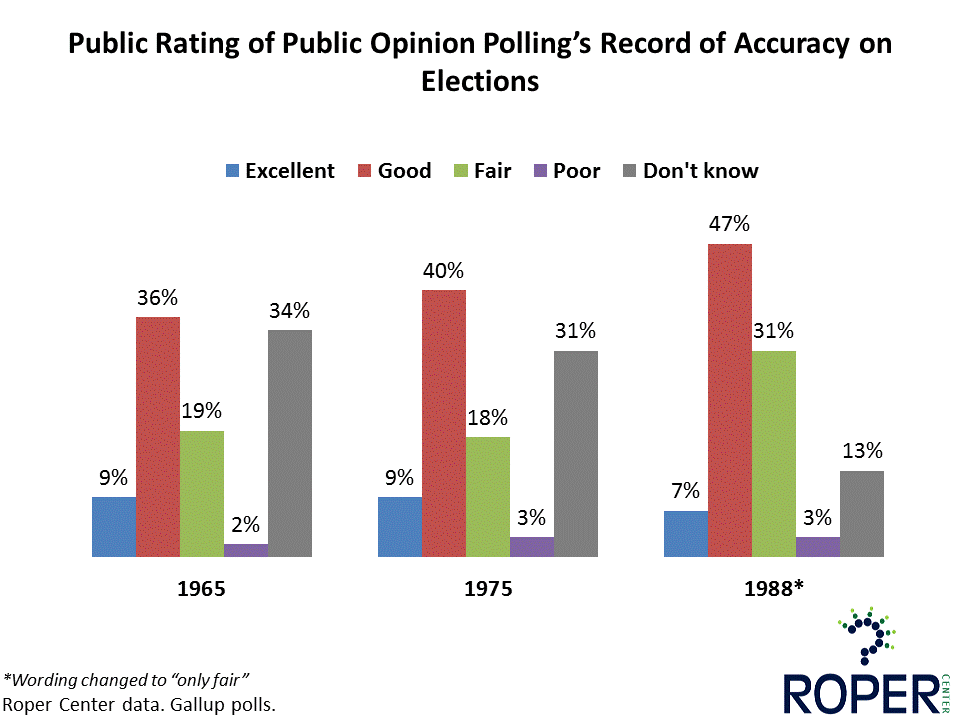
Public opinion polls have long served as a cornerstone of democratic societies, offering a seemingly objective snapshot of public sentiment on critical issues. They inform political campaigns, shape media narratives, and even influence policy decisions. Yet, beneath the veneer of statistical precision, a multitude of inherent problems and evolving challenges plague the world of public opinion polling. These issues, ranging from methodological flaws to the very nature of public engagement in the digital age, necessitate a critical examination of how we interpret and utilize poll data. Understanding these limitations is crucial for discerning the true pulse of public opinion and for fostering a more informed and nuanced public discourse.
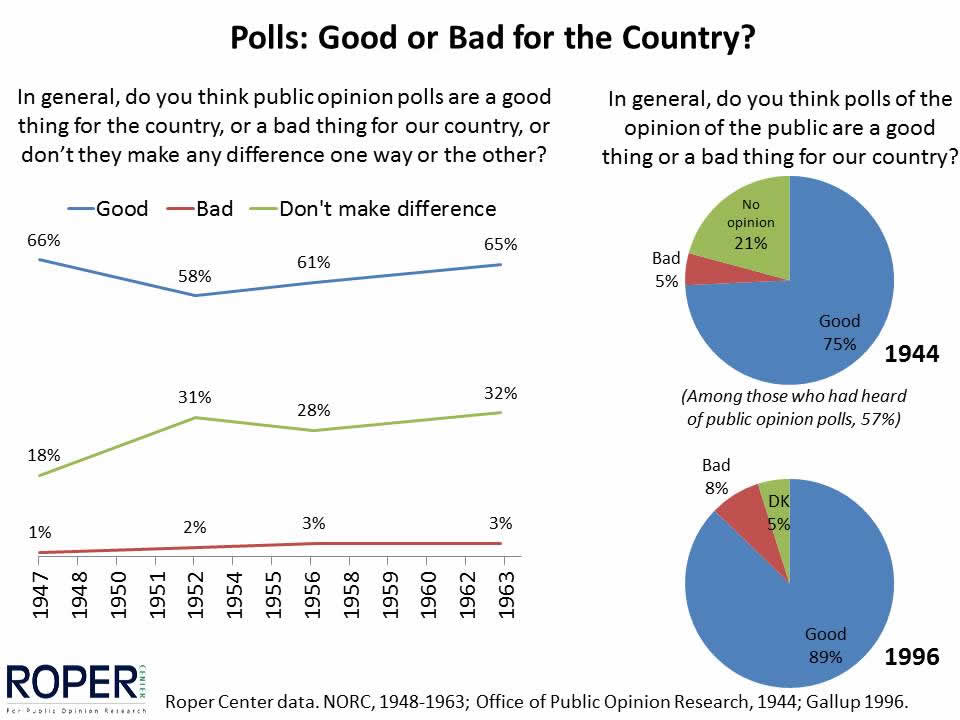
The Shifting Sands of Methodology: Sampling and Representation
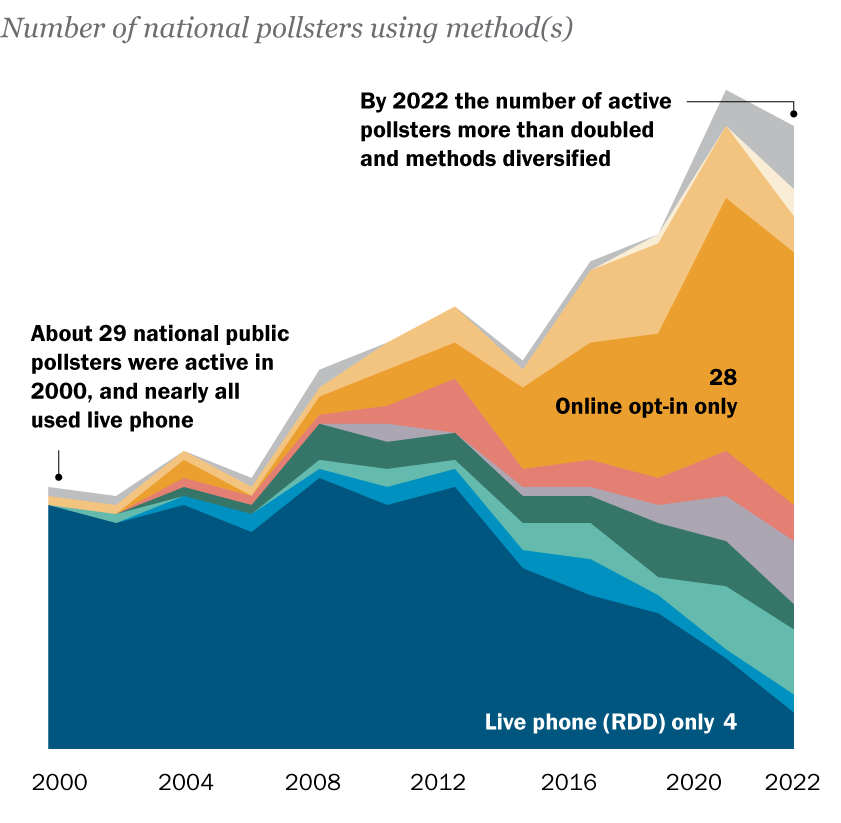
One of the most persistent challenges in public opinion polling lies in the fundamental act of sampling – selecting a representative group of individuals to reflect the views of a much larger population. Traditional methods, while once effective, are increasingly struggling to keep pace with societal changes and technological advancements.
The Declining Response Rate and the “Unwilling” Participant
Historically, telephone surveys and face-to-face interviews yielded higher response rates. However, the rise of caller ID, the proliferation of mobile phones, and a general societal reluctance to engage with unsolicited surveys have led to a significant decline in participation. This phenomenon, often referred to as the “dropout” or “refusal rate,” creates a selection bias. Those who do respond to polls may not accurately represent the broader population. They might be more politically engaged, more willing to share their opinions, or simply have more free time. Conversely, those who opt out – the “unwilling” participants – may hold dissenting views or be less engaged, leading to a skewed picture of public opinion.
The Digital Divide and Online Polling’s Achilles’ Heel
The advent of the internet has offered new avenues for polling, with online surveys and social media analysis appearing to be more efficient and cost-effective. However, these methods are not without their own significant drawbacks. The “digital divide” remains a stark reality; not everyone has consistent access to the internet or the digital literacy to participate in online surveys. This automatically excludes substantial segments of the population, particularly older adults, low-income individuals, and those in rural areas. Furthermore, online polls often rely on opt-in panels, where individuals volunteer to participate. This self-selection bias is even more pronounced than in traditional methods, raising serious questions about the representativeness of the sample. The ease with which individuals can create multiple accounts or simply not answer questions truthfully further erodes the reliability of many online polling efforts.
The “Herding” Effect and Social Desirability Bias
Even when a representative sample is achieved, the very act of asking questions can influence responses. The “herding” effect, where individuals may feel pressured to align their opinions with what they perceive to be the majority view, can distort results. Similarly, social desirability bias, the tendency for respondents to answer questions in a way that will be viewed favorably by others, can lead to an overestimation of socially acceptable opinions and an underestimation of less popular or more controversial ones. Pollsters attempt to mitigate these biases through careful question wording and anonymity, but their complete eradication remains elusive.
The Nuances of Question Design and Interpretation
Beyond the challenges of sampling, the very way questions are phrased and the data is interpreted presents a complex set of problems that can significantly impact the perceived public opinion. The power of framing and the subtle influence of wording are critical considerations.
The Art and Science of Question Wording: Leading the Witness
The wording of a poll question is far from neutral. It can subtly, or not so subtly, lead respondents towards a particular answer. For instance, framing a policy proposal with positive adjectives (“economic growth initiative”) versus negative ones (“taxpayer burden bill”) can elicit vastly different responses, even if the underlying policy is the same. Pollsters often engage in extensive pre-testing of questions to identify and mitigate bias, but the subjective nature of language and the potential for misinterpretation mean that even well-intentioned questions can be problematic. The order in which questions are asked can also influence responses, with earlier questions potentially priming respondents to think about certain issues in a particular way.
The Illusion of Certainty: Oversimplification and the “Undecided” Vote
Public opinion is rarely as clear-cut or as binary as poll results often suggest. Many complex issues involve a spectrum of views, and individuals may hold nuanced or even contradictory opinions. Polls, by their very nature, often force respondents into simple “yes” or “no” answers, or limited multiple-choice options. This oversimplification can mask the underlying complexity of public sentiment. Furthermore, the treatment of “undecided” voters or respondents who express indifference can be problematic. While polls may report a percentage of undecideds, the actual behavior of this group on election day or their true level of engagement with the issue is often highly uncertain. Dismissing these individuals as a homogenous bloc can lead to inaccurate predictions and policy assumptions.
The “Horse Race” Mentality: Focusing on the Short-Term
The media’s insatiable appetite for poll data, particularly during election cycles, often leads to an overemphasis on the “horse race” – who is ahead and by how much. This focus on the immediate standings can overshadow the deeper analysis of why people hold certain opinions or what drives their preferences. It encourages a superficial engagement with public sentiment, reducing it to a series of fluctuating numbers rather than a dynamic and evolving force. This can lead to a disconnect between the immediate poll results and the long-term trends or underlying societal shifts that are truly shaping public opinion.
The Evolving Landscape of Information Consumption
The way individuals access and process information has been dramatically reshaped by digital technologies, creating new challenges for pollsters aiming to capture genuine public sentiment. The very sources of information and the nature of discourse have become fragmented and, at times, polarized.
The Echo Chamber Effect and Filter Bubbles
The rise of social media and personalized news feeds has created what are known as “echo chambers” and “filter bubbles.” Individuals are increasingly exposed to information and opinions that align with their existing beliefs, while dissenting views are filtered out. This can lead to a distorted perception of reality, where individuals believe their own views are more widespread than they actually are. When polled, these individuals may express opinions that are heavily influenced by their curated information environment, rather than a broad understanding of public discourse. This makes it difficult for polls to capture a truly representative cross-section of opinion when the information landscape itself is so fragmented.
The Proliferation of Misinformation and Disinformation
The ease with which misinformation and disinformation can spread online poses a significant threat to the integrity of public opinion. When individuals are basing their opinions on false or misleading information, poll results will inevitably reflect this distorted reality. Pollsters can attempt to gauge public opinion on a specific policy, but if that opinion is rooted in a fabricated narrative, the poll is essentially measuring the success of the disinformation campaign rather than genuine public sentiment. Identifying and isolating the impact of such manipulation is a formidable challenge.
The “Shy” Voter and Social Media Performance
While social media can be a rich source of data, it also presents unique challenges. The “shy” voter phenomenon, where individuals may express certain opinions privately but are reluctant to share them publicly, can be exacerbated online. Conversely, some individuals may engage in performative displays of opinion on social media that do not reflect their true beliefs. The anonymity afforded by some platforms can embolden certain types of expression, while the public nature of others can lead to self-censorship. Distinguishing genuine sentiment from online posturing is a complex analytical task.
In conclusion, public opinion polls, while an invaluable tool, are not infallible. The challenges related to sampling, question design, and the ever-changing information ecosystem demand a critical and discerning approach to their interpretation. As technology continues to evolve and societal dynamics shift, pollsters and consumers of poll data alike must remain vigilant, constantly questioning the methodologies, the framing, and the context within which these numbers are generated and presented. Only through such rigorous examination can we hope to gain a more accurate and meaningful understanding of the public’s voice.
aViewFromTheCave is a participant in the Amazon Services LLC Associates Program, an affiliate advertising program designed to provide a means for sites to earn advertising fees by advertising and linking to Amazon.com. Amazon, the Amazon logo, AmazonSupply, and the AmazonSupply logo are trademarks of Amazon.com, Inc. or its affiliates. As an Amazon Associate we earn affiliate commissions from qualifying purchases.