
In the high-stakes world of George R.R. Martin’s A Song of Ice and Fire and its television adaptation, Game of Thrones, the struggle for the Iron Throne is often viewed through the lens of military might and political betrayal. However, when stripped of the dragons and Valyrian steel, the Seven Kingdoms operate remarkably like a competitive global marketplace. Each kingdom is, in essence, a distinct brand—complete with a visual identity (sigils), a mission statement (mottos), and a unique value proposition (geographical and resource-based advantages).
To understand the Seven Kingdoms is to understand the fundamentals of brand strategy. From the rugged, heritage-based branding of the North to the luxury and “too big to fail” optics of the Westerlands, the Seven Kingdoms offer a masterclass in how brand perception dictates influence, loyalty, and longevity.
The Architecture of Identity: Sigils, Mottos, and Brand Recognition
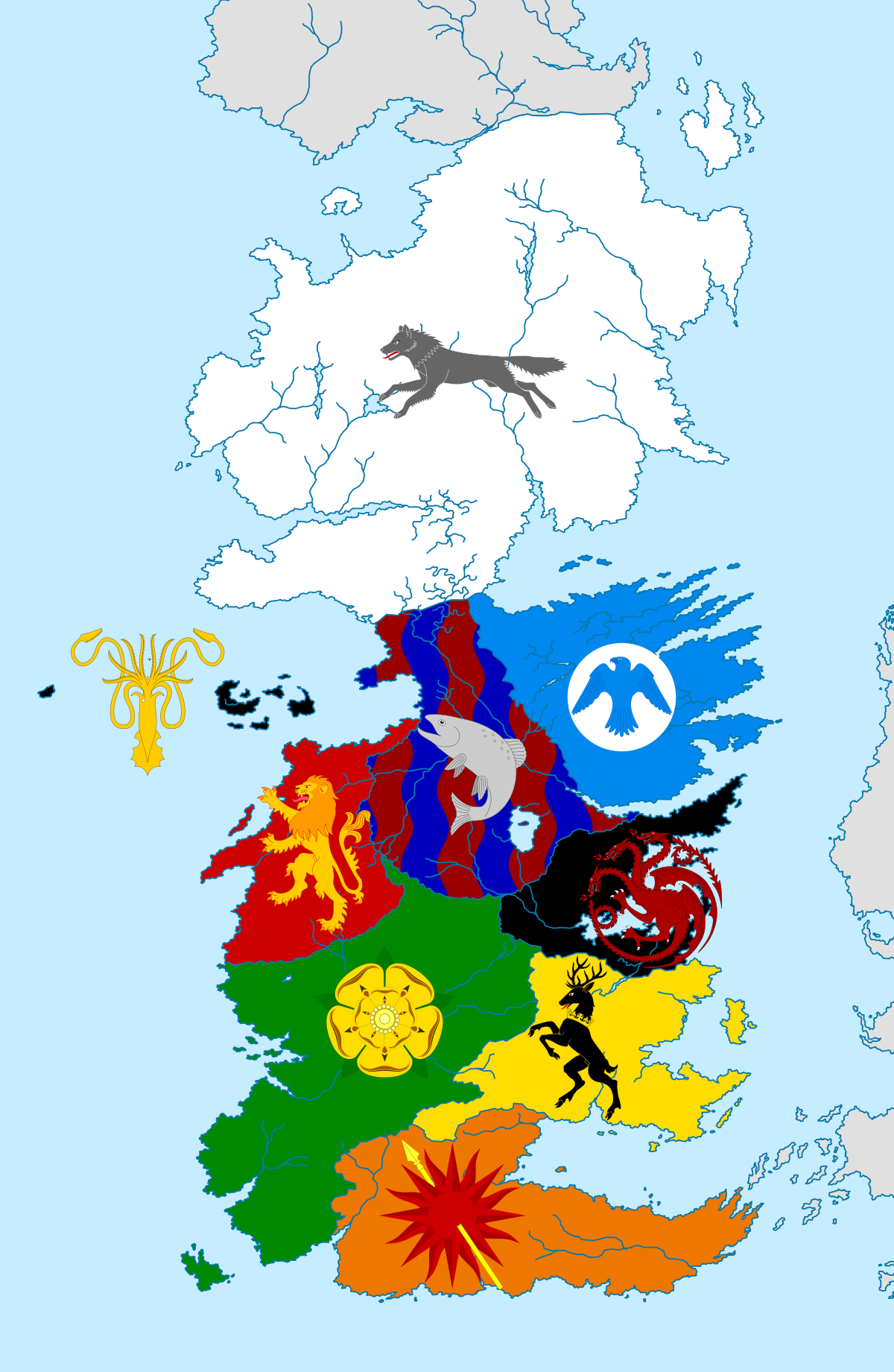
In a pre-literate or fractured society, visual shorthand is the most effective way to communicate values and presence. The “houses” that rule the Seven Kingdoms utilize branding elements that modern corporations would recognize as the cornerstone of their identity.
The Power of the House Sigil: Visual Recognition in a Fractured Market
A logo is more than just a picture; it is a promise. In Westeros, the sigil—be it a direwolf, a lion, or a three-headed dragon—serves as the ultimate corporate logo. It identifies the “product” (the family and its soldiers) and immediately evokes an emotional response in the consumer (the smallfolk and rival lords). House Stark’s direwolf evokes a sense of wild, untamed resilience, while the Baratheon stag suggests a stubborn, traditional strength. Effective brand recognition in the Seven Kingdoms meant that a traveler could see a banner from a mile away and know exactly what “corporate culture” they were about to encounter.
“Winter is Coming” vs. “Hear Me Roar”: The Psychology of Brand Mottos
If the sigil is the logo, the house words are the brand’s slogan. However, unlike modern slogans that often focus on the consumer’s benefit (e.g., “Just Do It”), Westerosi slogans focus on the brand’s core philosophy. The Starks’ “Winter is Coming” is a masterclass in “Realist Branding”—it positions the house as the pragmatic protector, always preparing for the worst. Conversely, the Lannisters’ official motto “Hear Me Roar” (and their far more famous unofficial slogan, “A Lannister always pays his debts”) creates a brand image of overwhelming power and financial reliability. These mottos dictate how the world perceives their reliability and their threat level.
Regional Branding: How Geography and Heritage Shape Market Position
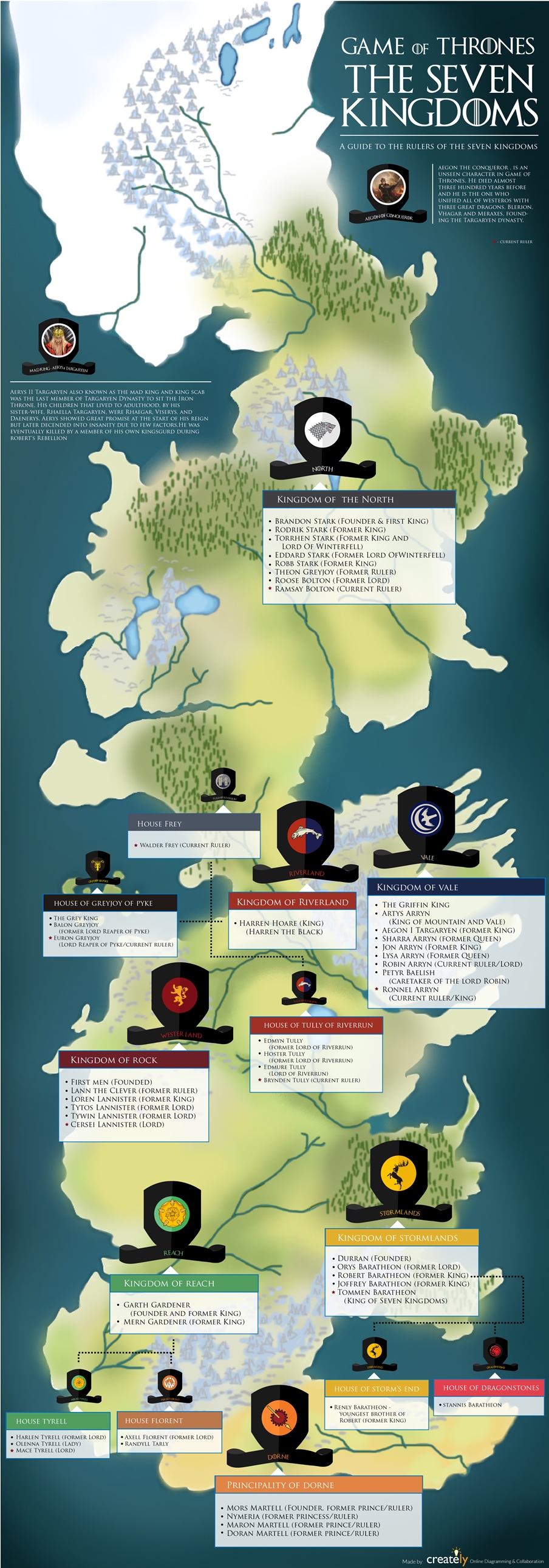
In brand strategy, positioning is everything. The Seven Kingdoms are not just political territories; they are regional brands that specialize in specific “market sectors,” from agriculture to heavy industry and defense.
House Stark and the North: Authenticity and the Heritage Brand
The North is the largest kingdom, and its brand is built entirely on the concept of “The Old Ways.” In corporate terms, House Stark is a heritage brand. They don’t rely on flashy marketing or gold; they rely on a reputation for “honor” and “loyalty.” This brand equity is so strong that even after the brand suffered a catastrophic “bankruptcy” (the Red Wedding), the loyalty of their customer base (the northern bannermen) remained high. The “Stark” brand is synonymous with authenticity, making it incredibly difficult for “competitor brands” like the Boltons to achieve a successful hostile takeover.
House Lannister and the Westerlands: The Luxury and Wealth Association
If the Starks are the rugged heritage brand, the Lannisters are the Goldman Sachs of Westeros. Their brand is built on the association with gold and Casterly Rock. By positioning themselves as the wealthiest entity in the realm, they created a “halo effect” where their power seemed even greater than it was. Their brand strategy was one of intimidation through opulence. In business, this is the “Premium Brand” strategy—charging a high price for entry but promising total dominance and financial security for those who align with them.
House Tyrell and the Reach: The Lifestyle and Commodity Brand
The Reach is the breadbasket of Westeros. House Tyrell’s brand, “Growing Strong,” reflects their control over the most essential commodities: food and beauty. They are the lifestyle brand of the Seven Kingdoms. Their strategy is one of “soft power”—using charity (giving grain to the starving citizens of King’s Landing) to build brand favorability among the masses. While the Lannisters rule through fear (aggressive branding), the Tyrells rule through popularity and the control of supply chains (benevolent branding).
Brand Expansion and Crisis Management in the Seven Kingdoms
Maintaining a brand for centuries is difficult; expanding that brand to take over the entire “market” of Westeros requires sophisticated strategy and, often, a complete rebranding effort.
House Targaryen: Managing a Legacy Brand Re-Entry
When Daenerys Targaryen seeks the Iron Throne, she is attempting a “Brand Re-entry.” The Targaryen brand had been “discontinued” following the Mad King’s reign, leaving behind a legacy of “Brand Damage.” Daenerys’s challenge was to keep the core elements of the brand—fire and blood (the dragons)—while pivoting the brand’s mission statement to “Breaker of Chains.” This is a classic example of a legacy brand attempting to modernize its values to appeal to a new demographic while maintaining the power of its historical name.
House Martell and Dorne: The Niche and Specialized Brand
Dorne represents a “Niche Brand.” They are geographically and culturally isolated, with a brand that emphasizes “Unbowed, Unbent, Unbroken.” In business, niche brands don’t try to appeal to everyone; they lean into their unique differences. The Martells don’t follow the same rules as the rest of the Seven Kingdoms (the “industry standards”), such as their laws regarding female succession or their “spicier” cultural norms. This specialization makes their brand incredibly resilient and difficult to “acquire” through traditional means.
The Greyjoys of the Iron Islands: The Disruptor Strategy
The Ironborn represent a “Disruptor Brand” that refuses to participate in the traditional economy. Their motto, “We Do Not Sow,” is a direct rejection of the established value proposition of the other kingdoms. They don’t produce; they take. In the corporate world, this is the “Aggressive Startup” model that ignores industry regulations and seeks to gain market share through disruption and hostile acquisition. However, as the Greyjoys often find, a brand built entirely on disruption often lacks the sustainability needed for long-term market dominance.
Strategic Lessons for Modern Brand Managers from the Iron Throne
The rise and fall of the houses in the Seven Kingdoms provide several enduring lessons for modern brand strategy and corporate identity.
Consistency in Brand Messaging Across Diverse Territories
The houses that survived the longest were those that maintained a consistent brand message. Whether it was the Arryns in the Vale (“As High as Honor”) or the Baratheons in the Stormlands, those who wavered from their core brand identity usually saw their influence crumble. When Stannis Baratheon pivoted his brand toward the Red God (R’hllor), he alienated his core demographic (the traditionalists of the Seven), showing the danger of a sudden, radical “rebrand” that doesn’t align with original brand values.
The Risks of Overextending Brand Equity
The Lannisters eventually faced the problem of “Brand Dilution.” By spending so much to maintain the image of wealth while their gold mines were actually running dry, they were operating on “Borrowed Equity.” In business, if your brand promise (wealth and power) is no longer backed by tangible assets (gold and gold mines), the brand becomes a hollow shell. Eventually, the market (the Iron Bank of Braavos) will catch up, and the brand will collapse.

Cultivating Brand Loyalty through Shared Values
Ultimately, the “winners” in the game of thrones—and in the modern market—are those who build deep, emotional loyalty. The North’s cry of “The King in the North” is the ultimate expression of brand loyalty. It wasn’t about the products (land or gold) but about the shared values and the identity that the Stark brand provided to its followers. For a modern brand, moving beyond a transactional relationship with customers to a value-based relationship is the key to surviving the “winter” of market downturns.
In conclusion, the Seven Kingdoms of Westeros are far more than just fantasy settings; they are archetypal brand identities. By analyzing the way these houses used sigils, mottos, and regional positioning to exert influence, we gain a deeper understanding of how modern brands can craft a narrative of power, navigate crises, and build a legacy that lasts for generations. In the “Game of Brands,” you either innovate and stay true to your identity, or your market share is taken by the next rising house.
aViewFromTheCave is a participant in the Amazon Services LLC Associates Program, an affiliate advertising program designed to provide a means for sites to earn advertising fees by advertising and linking to Amazon.com. Amazon, the Amazon logo, AmazonSupply, and the AmazonSupply logo are trademarks of Amazon.com, Inc. or its affiliates. As an Amazon Associate we earn affiliate commissions from qualifying purchases.