
The term “Med Bed” has emerged from the fringes of alternative health and speculative technology discussions, sparking curiosity and, at times, controversy. While often discussed in the context of advanced healing and regenerative medicine, understanding what Med Beds are requires navigating a landscape where hopeful prognostication meets current scientific understanding. This exploration delves into the technological concepts, potential applications, and the current reality surrounding this intriguing idea, focusing exclusively on its technological underpinnings and potential advancements.
The Conceptual Framework of Med Beds: A Technological Vision
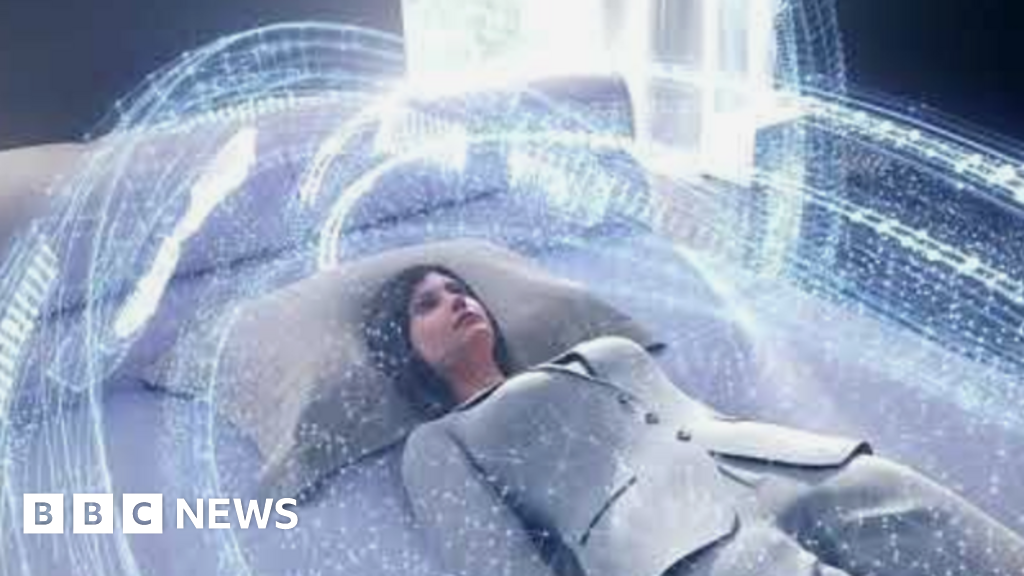
At its core, the concept of a “Med Bed” envisions a revolutionary piece of medical technology designed to significantly accelerate and enhance healing processes, potentially even reversing aging and curing diseases. This vision is not rooted in a single, defined piece of hardware but rather a confluence of advanced scientific and technological principles. The aspiration is to move beyond conventional treatments, which often focus on managing symptoms or addressing specific ailments, towards a holistic, regenerative approach to health.
Bio-Regenerative Technologies
A cornerstone of the Med Bed concept lies in its purported ability to stimulate the body’s natural regenerative capabilities. This draws upon advancements in fields such as stem cell therapy, gene editing, and nanotechnology. Proponents suggest that Med Beds could utilize targeted biological agents or energy fields to stimulate cellular repair and growth at an unprecedented rate. This could involve directing stem cells to damaged tissues, activating dormant regenerative pathways, or even correcting genetic predispositions to certain diseases at the cellular level. The goal would be to facilitate the body’s inherent capacity for healing, making it far more efficient and effective than current medical interventions.
Advanced Imaging and Diagnostics
Integral to the functionality of any advanced medical device is its diagnostic capability. Med Beds, in their conceptualization, are envisioned with sophisticated imaging and diagnostic systems that go far beyond current MRI or CT scan technology. These systems would likely employ a multi-modal approach, integrating various forms of energy and scanning techniques to create a real-time, comprehensive picture of an individual’s biological state. This would not only allow for the precise identification of ailments at their earliest stages but also provide detailed information about cellular health, genetic markers, and systemic imbalances. The ability to precisely map and understand the body’s internal environment would be crucial for tailoring any therapeutic interventions.
Energy-Based Healing Modalities
Another prominent aspect of the Med Bed discourse revolves around the potential application of various energy-based healing modalities. This is a broad category encompassing technologies that utilize specific frequencies, electromagnetic fields, or sound waves to influence biological processes. While some of these concepts are still in their nascent stages of scientific validation, the idea is that precisely calibrated energy emissions could interact with cells and tissues to promote healing, reduce inflammation, and even alleviate pain. This could range from low-level laser therapy to more advanced applications involving pulsed electromagnetic fields (PEMF) or targeted sonic frequencies, all aiming to create an optimal biological environment for recovery and regeneration.
Potential Applications: Transforming Healthcare Paradigms
If Med Beds were to become a reality, their impact on healthcare and human well-being would be profound. The spectrum of potential applications spans from acute injury repair to chronic disease management and even age reversal, representing a paradigm shift in how we approach health and longevity.
Accelerated Trauma and Injury Repair
One of the most frequently cited applications for Med Beds is their potential to dramatically accelerate the healing of physical trauma and injuries. Imagine a scenario where severe burns, broken bones, or even nerve damage could be repaired in a fraction of the time currently required. This would be achieved by stimulating rapid tissue regeneration, promoting cell proliferation, and reducing inflammation and scar tissue formation. Such capabilities would not only benefit accident victims and athletes but also have significant implications for military medicine and emergency response, drastically reducing recovery times and improving patient outcomes.
Regenerative Medicine and Disease Reversal
Beyond acute injuries, the conceptualization of Med Beds extends to the realm of regenerative medicine, targeting chronic diseases and conditions previously considered incurable. This includes the potential to regenerate damaged organs, repair neurological deficits associated with conditions like Alzheimer’s or Parkinson’s disease, and even eradicate cancerous cells through targeted interventions. The underlying principle would be to use the Med Bed’s advanced technologies to “reboot” or “reset” cellular functions, effectively reversing damage and restoring optimal health at a fundamental biological level. This could revolutionize the treatment of a vast array of chronic and degenerative illnesses.

Anti-Aging and Rejuvenation Therapies
Perhaps the most ambitious and captivating application of Med Beds is their purported ability to combat the aging process and promote rejuvenation. This involves not just slowing down the visible signs of aging but potentially reversing cellular senescence, restoring telomere length, and optimizing hormonal balance. The goal would be to achieve a state of heightened vitality and cellular health, extending not only lifespan but also “healthspan” – the period of life spent in good health and free from debilitating age-related diseases. This aspect of the Med Bed concept taps into a deep-seated human desire for longevity and the reversal of biological decline.
Technological Hurdles and Current Realities
While the vision of Med Beds is compelling, it is crucial to ground the discussion in the current state of scientific and technological development. The realization of Med Beds as described by proponents faces significant scientific, ethical, and engineering challenges that are not yet overcome by existing technology.
Scientific Validation and Proof of Concept
The technologies proposed as the foundation for Med Beds, while areas of active research, are largely experimental. Stem cell therapies are progressing, but their widespread application for regenerative purposes is still under development and faces regulatory hurdles. Gene editing technologies like CRISPR are powerful but are primarily used in research settings and for specific genetic disorders, with broad applications for regenerative medicine still in early stages. Similarly, the precise application of energy fields for therapeutic purposes is an area of ongoing investigation, with much of the claims surrounding Med Beds lacking robust, peer-reviewed scientific evidence. The rigorous scientific validation required for such transformative medical devices is a long and complex process.
Engineering and Scalability Challenges
Even if the underlying scientific principles are proven, the engineering required to translate these concepts into practical, deployable “Med Beds” presents monumental challenges. Developing devices capable of precisely targeting cellular and molecular processes within the human body, while ensuring safety and efficacy, requires sophisticated engineering, advanced materials, and complex control systems. Furthermore, scaling such technologies to be accessible and affordable for widespread use would involve overcoming significant manufacturing and logistical hurdles. The development of such devices would likely involve interdisciplinary teams of physicists, biologists, engineers, and medical professionals working collaboratively for decades.
Regulatory and Ethical Considerations
The advent of any technology with the potential to so profoundly impact human health and longevity would inevitably raise significant regulatory and ethical questions. For Med Beds to be recognized as legitimate medical devices, they would need to undergo extensive clinical trials and gain approval from regulatory bodies such as the FDA. The ethical implications of such powerful technologies are also vast, including questions of accessibility, equitable distribution, potential misuse, and the very definition of what it means to be healthy and human in an era of advanced regenerative capabilities. These are complex societal discussions that would need to accompany any technological advancement in this direction.
The Future Horizon: From Speculation to Scientific Pursuit
The concept of Med Beds, while currently residing largely in speculative discussions and online communities, highlights humanity’s persistent drive to push the boundaries of medicine and enhance human well-being. It represents an aspirational future where disease and aging are not insurmountable adversaries but challenges that advanced technology can help us overcome.
Bridging the Gap Between Vision and Reality
The path from the speculative notion of Med Beds to tangible, scientifically validated technologies will be long and arduous. It will require continued investment in fundamental scientific research, fostering interdisciplinary collaboration, and a commitment to rigorous testing and ethical consideration. While the exact form and timeline remain uncertain, the pursuit of technologies that can harness the body’s regenerative potential, diagnose with unparalleled precision, and offer novel therapeutic interventions is already underway across various fields of science.
The Evolutionary Trajectory of Medical Technology
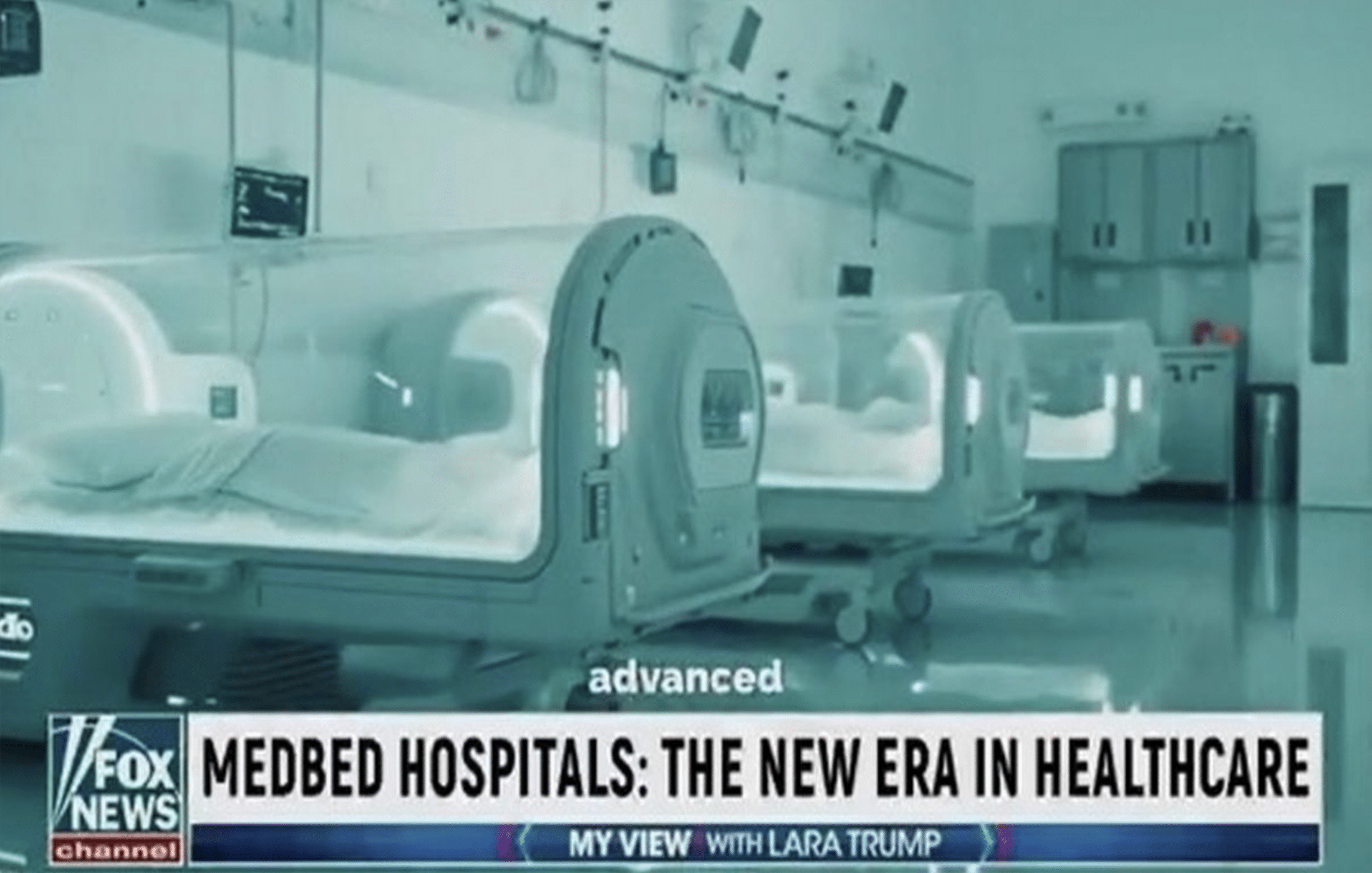
Med Beds, in their grandest conceptualization, represent an evolutionary leap for medical technology. They embody a future where medicine is not just about treating illness but about actively promoting vitality, resilience, and longevity. The ongoing advancements in areas like personalized medicine, nanomedicine, and bio-integrated technologies offer glimpses into this potential future. While the term “Med Bed” might remain a conceptual placeholder for now, the underlying aspirations it represents are increasingly becoming the focus of scientific inquiry and technological innovation, promising a future of enhanced health and well-being.
aViewFromTheCave is a participant in the Amazon Services LLC Associates Program, an affiliate advertising program designed to provide a means for sites to earn advertising fees by advertising and linking to Amazon.com. Amazon, the Amazon logo, AmazonSupply, and the AmazonSupply logo are trademarks of Amazon.com, Inc. or its affiliates. As an Amazon Associate we earn affiliate commissions from qualifying purchases.