
The question of what hamsters are allowed to eat is a fundamental one for any responsible pet owner. Providing a balanced and species-appropriate diet is paramount to ensuring these small creatures thrive, remain healthy, and live long, happy lives. Far from being a simple matter of scattering generic rodent feed, understanding a hamster’s nutritional needs involves delving into their natural dietary habits, the specific requirements of different hamster species, and the importance of variety and moderation. This guide will explore the essential components of a hamster’s diet, highlighting safe and beneficial foods, as well as those that should be strictly avoided, all within the context of promoting optimal health and well-being for your pocket-sized companion.
The Pillars of a Hamster’s Diet: What Constitutes a Balanced Meal
A hamster’s diet should primarily consist of a high-quality commercial hamster food mix. This forms the foundation of their nutritional intake, providing a carefully balanced blend of essential nutrients. However, to truly mimic their natural foraging behavior and provide a richer, more engaging dietary experience, this base should be supplemented with a variety of fresh foods. Understanding the nutritional breakdown of what constitutes a healthy meal for a hamster is key to making informed feeding choices.
The Importance of a Quality Commercial Hamster Food Mix
Commercial hamster food is specifically formulated to meet the complex dietary needs of these rodents. These mixes typically include a blend of seeds, grains, dried vegetables, and sometimes protein sources. The key is to select a mix that is specifically designed for hamsters, rather than a generic “rodent food” which may not contain the correct proportions of nutrients. Look for mixes with a good variety of ingredients, avoiding those with excessive amounts of artificial colors, flavors, or high sugar content.
- Protein Content: Hamsters are omnivores, and protein is crucial for muscle development, growth, and overall health. A good quality food should contain around 17-20% protein. This can come from sources like dried mealworms, peas, or other plant-based protein isolates.
- Fat Content: A moderate amount of fat is necessary for energy and a healthy coat. Aim for a food mix with around 4-7% fat. Too much fat can lead to obesity, while too little can result in a dull coat and lethargy.
- Fiber: Fiber is essential for proper digestion. Look for foods that contain whole grains and other fibrous ingredients to promote a healthy gut.
- Vitamins and Minerals: Commercial foods are fortified with essential vitamins and minerals like Vitamin E, A, D, and calcium, which are vital for various bodily functions, bone health, and immune system support.
It is crucial to avoid mixes that are predominantly made up of corn or sunflower seeds. While hamsters may enjoy these, they are high in fat and low in essential nutrients. Overfeeding these can lead to obesity and nutritional deficiencies. The aim is a varied mix that provides a good range of textures and nutrient profiles.
The Role of Fresh Foods in a Hamster’s Diet
While commercial food provides the bulk of their nutrition, fresh foods play a vital role in enriching a hamster’s diet and offering a wider spectrum of vitamins, minerals, and moisture. Offering fresh foods should be done in moderation, as they can spoil quickly and can contribute to digestive upset if not introduced correctly. It’s also important to ensure that these fresh additions are safe and appropriate for hamster consumption.
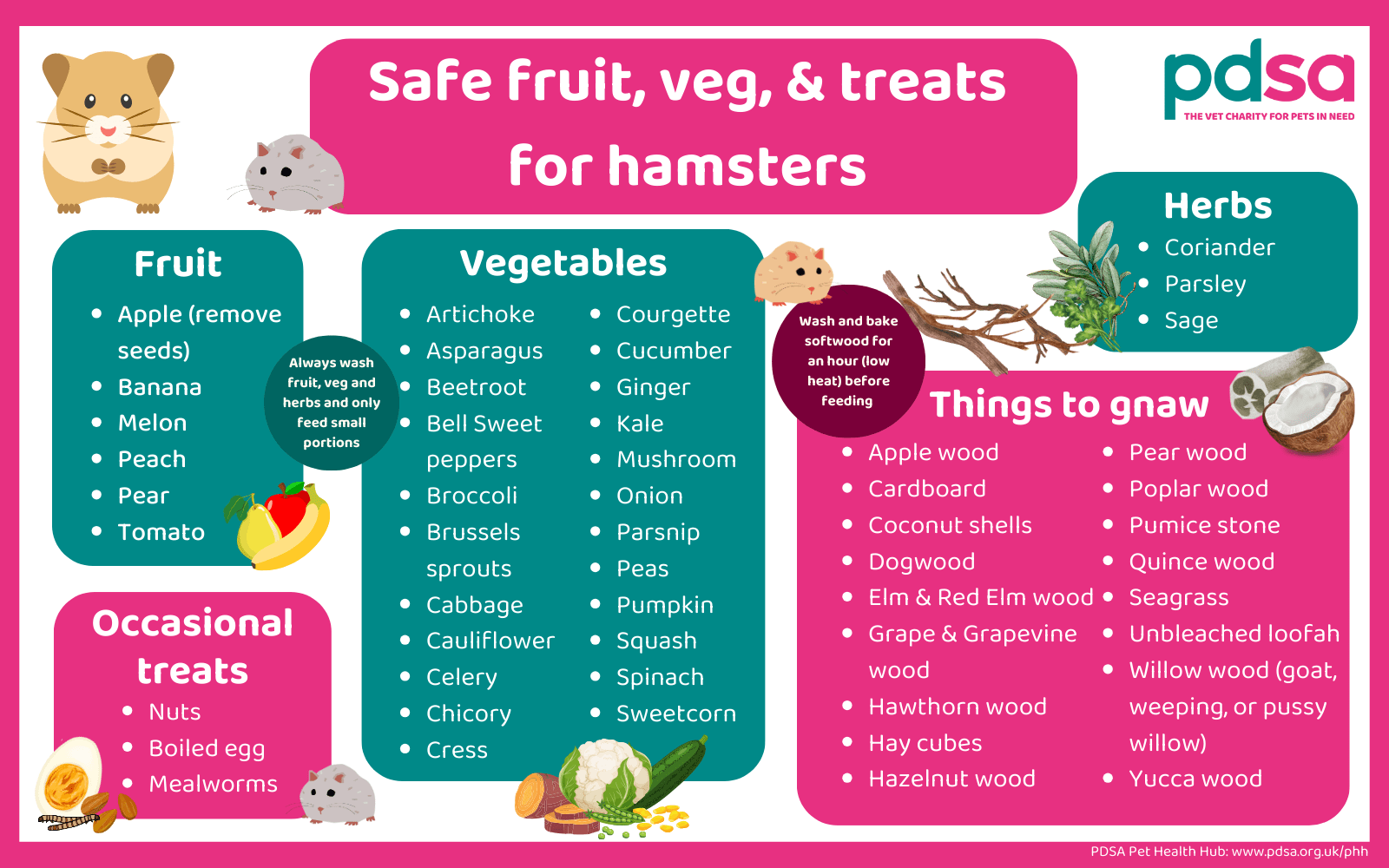
- Vegetables: Many common vegetables are safe and beneficial for hamsters. These can include small pieces of broccoli, cauliflower, cucumber, carrots (in moderation due to sugar content), bell peppers, spinach, and kale. These provide essential vitamins, minerals, and fiber. When introducing new vegetables, offer a small piece first and monitor your hamster for any signs of digestive upset, such as diarrhea.
- Fruits: Fruits are a great source of vitamins and natural sugars, but should be offered sparingly due to their high sugar content, which can lead to diabetes in some species and obesity. Safe options include small pieces of apple (seeds removed), banana, berries (strawberries, blueberries, raspberries), and melon. Again, moderation is key, and seeds from fruits like apples should always be removed as they can contain cyanide.
- Protein Supplements: In addition to the protein in their commercial food, hamsters can benefit from occasional small additions of protein. This can include a tiny piece of cooked, unseasoned chicken or turkey, a small amount of plain yogurt (ensure it’s low in fat and sugar-free), or a cooked egg white. Small insects like mealworms (live or dried) are also a popular and nutritious treat.
When offering fresh foods, always introduce them gradually. Start with very small amounts and observe your hamster for any adverse reactions. Remove any uneaten fresh food within 12-24 hours to prevent spoilage and the growth of bacteria. The goal is to supplement, not replace, their main food source.
Understanding Hamster Species and Dietary Nuances
While the general principles of hamster nutrition remain consistent, there are subtle differences in the dietary needs and sensitivities of various hamster species. Recognizing these distinctions is crucial for providing the most tailored and beneficial diet for your specific pet. From the larger Syrian hamster to the smaller dwarf varieties, each can have slightly different requirements.
Syrian Hamsters: Larger, but Still Require Balanced Nutrition
Syrian hamsters, also known as Teddy Bear hamsters, are the largest of the common pet hamster species. While their size might suggest they can handle a wider variety of foods, their core nutritional needs are the same as their smaller counterparts. The primary difference lies in portion control; they will naturally consume more food than dwarf hamsters.
- Commercial Food: A good quality commercial hamster mix is still the cornerstone of their diet. Ensure the mix is suitable for all hamster types, as it will provide the necessary balance of protein, fat, and carbohydrates.
- Fresh Food Variety: Syrian hamsters can enjoy a similar range of fresh vegetables and fruits as other species. They might be able to tolerate slightly larger portions, but the principle of moderation, especially with fruits, remains the same. They are particularly fond of foraging for treats, making scattering small pieces of safe foods around their enclosure an enriching activity.
- Protein Needs: Due to their larger size, Syrian hamsters may benefit slightly more from regular protein supplements, such as small amounts of cooked chicken or mealworms, to support their musculature. However, overfeeding protein can still lead to health issues.
It’s important to avoid free-feeding a Syrian hamster, meaning leaving unlimited amounts of food in their bowl. Instead, offer a measured amount daily to prevent them from overeating and becoming obese. They are also known to hoard food, so regularly check their cheek pouches and hiding spots for spoiled food.
Dwarf Hamsters: Prone to Diabetes, Requiring Careful Sugar Management
Dwarf hamsters, including species like the Roborovski, Winter White, and Campbell’s dwarf hamsters, have a significant predisposition to diabetes. This genetic tendency means that their diet must be managed with extreme care, particularly concerning sugar intake. For these smaller hamsters, vigilance in avoiding sugary treats is not just recommended, it is essential for their long-term health.

- Low Sugar Commercial Foods: When selecting commercial food for dwarf hamsters, prioritize mixes that are lower in sugar. Many brands offer specific formulations for dwarf hamsters, or you can choose a high-quality mix and supplement it with additional protein and fiber sources to dilute any higher-sugar grains.
- Strict Fruit Moderation: Fruits, while enjoyed by many hamsters, should be offered to dwarf hamsters only in extremely small quantities, and very infrequently. Even a tiny piece of apple or a single berry can contribute significantly to their daily sugar intake. It’s often best to avoid them altogether if you are concerned about their blood sugar levels.
- Focus on Vegetables and Protein: Dwarf hamsters thrive on a diet rich in safe vegetables and lean protein sources. Leafy greens, small pieces of bell pepper, and occasional protein treats like mealworms are excellent choices. These provide necessary nutrients without the dangerous sugar load.
- Water Availability: Ensuring constant access to fresh, clean water is paramount for all hamsters, but particularly for those with a higher risk of diabetes, as adequate hydration helps their kidneys process waste.
Regularly monitoring your dwarf hamster’s weight and activity levels can provide early indicators of potential health issues, including diabetes. If you notice increased thirst, frequent urination, or unexplained weight loss, consult with a veterinarian.
Foods to Avoid: Potential Dangers in a Hamster’s Diet
Just as it’s important to know what to feed your hamster, it is equally critical to understand what foods are potentially harmful or even toxic. A seemingly innocent human food can cause severe digestive distress, poisoning, or long-term health problems for your small pet. Awareness of these dietary hazards is a crucial aspect of responsible hamster ownership.
Toxic and Harmful Substances
Certain foods contain natural toxins or compounds that hamsters cannot metabolize, leading to serious health consequences. These should be strictly avoided at all costs.
- Citrus Fruits: Oranges, lemons, limes, and grapefruits are highly acidic and can upset a hamster’s digestive system, potentially causing diarrhea and discomfort. Their strong scent can also be overwhelming for hamsters.
- Onions, Garlic, and Chives: These alliums are toxic to hamsters and can cause damage to their red blood cells, leading to anemia. Even in small quantities, they can be dangerous.
- Raw Beans and Potatoes: Raw beans contain cyanide-inducing glycosides, making them toxic. Raw potato eyes and sprouts also contain solanine, a toxic compound. While cooked potatoes are generally safe in very small amounts, it’s best to err on the side of caution.
- Chocolate and Caffeine: These are highly toxic to hamsters. Chocolate contains theobromine, which hamsters cannot process, and caffeine can overstimulate their nervous system, leading to serious health issues.
- Apple Seeds and Cherry Pits: These contain cyanide and should always be removed before offering any fruit.
- Almonds: Bitter almonds are toxic due to their cyanide content. While sweet almonds are less harmful, they are high in fat and should be avoided.
- Rhubarb: Contains oxalic acid, which can be harmful to hamsters.
Foods That Can Cause Digestive Upset
While not necessarily toxic, some foods can cause severe digestive issues in hamsters, leading to diarrhea, bloating, and discomfort.
- High-Sugar Foods: Beyond fruits, any processed human foods with high sugar content, such as cookies, candies, and sweetened cereals, should be strictly avoided.
- Salty Foods: Hamsters have sensitive kidneys and should not consume salty snacks like pretzels, chips, or heavily salted nuts.
- Greasy or Fried Foods: These are difficult for hamsters to digest and can lead to obesity and digestive problems.
- Lettuce (especially Iceberg): While some hamster owners offer small amounts of certain lettuces, iceberg lettuce has very low nutritional value and a high water content, which can cause diarrhea. Dark leafy greens are a much better choice.
- Dairy Products (other than plain yogurt in moderation): Most hamsters are lactose intolerant and cannot digest milk or cheese effectively, leading to digestive upset.
When in doubt about whether a food is safe for your hamster, it is always best to err on the side of caution and avoid it. Consult with a veterinarian or a trusted hamster care resource for definitive guidance.
Enrichment Through Diet: Making Feeding Time Engaging and Rewarding
Feeding your hamster is not just about sustenance; it’s also an opportunity to provide mental stimulation and mimic their natural foraging behaviors. Incorporating variety and puzzle-feeding techniques can make mealtime a more enriching and rewarding experience for your pet, contributing to their overall happiness and well-being.
Mimicking Natural Foraging Behaviors
In the wild, hamsters spend a significant portion of their time searching for food. Replicating this natural behavior in captivity can help prevent boredom, reduce stress, and encourage natural instincts.
- Scattering Food: Instead of just placing all their food in a bowl, scatter a portion of their daily kibble and safe treats around their enclosure. This encourages them to sniff, dig, and search, just as they would in their natural habitat.
- Hiding Treats: Use safe hiding spots within their cage, such as cardboard tubes, small wooden houses, or under their bedding, to conceal small portions of their food or favorite treats. This adds an element of discovery to their day.
- Foraging Toys: Invest in or create simple foraging toys. This could involve stuffing a small amount of food into a toilet paper roll with the ends folded, or using a treat ball designed for small pets.
These foraging activities not only provide mental stimulation but also help prevent obesity by encouraging them to expend energy to obtain their food. It can also be a great way to observe your hamster’s natural behaviors and understand their preferences.

The Benefits of Variety and Presentation
Offering a varied diet, within the safe food guidelines, keeps your hamster interested and ensures they receive a broader spectrum of nutrients. The way food is presented can also play a role in their engagement.
- Rotating Fresh Foods: While maintaining their staple commercial diet, rotate the types of safe fresh vegetables and fruits you offer. This prevents dietary monotony and introduces them to different flavors and textures.
- Presentation Matters: Offer vegetables and fruits in different ways. Some hamsters enjoy small cubes, while others might prefer thin slices or even whole leaves of certain greens. Observe your hamster’s preferences and adjust accordingly.
- Safe Treats for Training: Small, healthy treats can be used to encourage your hamster to interact with you or to learn simple tricks. This positive reinforcement can strengthen the bond between you and your pet.
Remember that any new food, even a safe one, should be introduced gradually. Observe your hamster for any signs of digestive upset or allergic reactions. A well-rounded, varied, and engaging diet is a cornerstone of a healthy and happy hamster life, ensuring your little companion thrives both physically and mentally.
aViewFromTheCave is a participant in the Amazon Services LLC Associates Program, an affiliate advertising program designed to provide a means for sites to earn advertising fees by advertising and linking to Amazon.com. Amazon, the Amazon logo, AmazonSupply, and the AmazonSupply logo are trademarks of Amazon.com, Inc. or its affiliates. As an Amazon Associate we earn affiliate commissions from qualifying purchases.