
The humble fish egg, often referred to as roe or caviar, is far more than a simple biological reproductive unit. In the world of business and finance, fish eggs represent a significant and multifaceted industry with substantial investment opportunities, diverse income streams, and complex supply chain dynamics. From high-end culinary delicacies to vital components in aquaculture, understanding the economic landscape of fish eggs is crucial for anyone looking to navigate this fascinating and profitable niche. This article will explore the commercial significance of fish eggs, delving into their various applications, market value, and the financial considerations involved in their production and distribution.

The Economic Significance of Caviar and Other Edible Roe
Caviar, derived primarily from sturgeon species, holds a legendary status in the gastronomic world, commanding exorbitant prices and symbolizing luxury. However, the economic impact of edible fish roe extends far beyond this elite market. A broader understanding of “fish eggs” in a business context encompasses a wide range of products, each with its own market segment, pricing structure, and consumer base.
Defining the Market: From Luxury to Everyday Delicacies
When discussing the economic value of fish eggs, it’s imperative to distinguish between different types and their associated markets.
Sturgeon Caviar: The Pinnacle of Luxury Markets
Sturgeon caviar, such as Beluga, Osetra, and Sevruga, is the most recognized and highest-priced form of fish roe. Its scarcity, the long maturation period of sturgeon, and the delicate harvesting process contribute to its astronomical value. For businesses and investors, sturgeon farming and caviar production represent a high-stakes, high-reward venture. The market is driven by discerning consumers, Michelin-starred restaurants, and luxury goods enthusiasts. Profit margins can be substantial, but the initial investment in broodstock, specialized facilities, and expert handling is immense. Market fluctuations, international regulations, and the potential for poaching also present significant risks that must be carefully managed by businesses operating in this sector.
Other Edible Roe: Diversifying the Revenue Streams
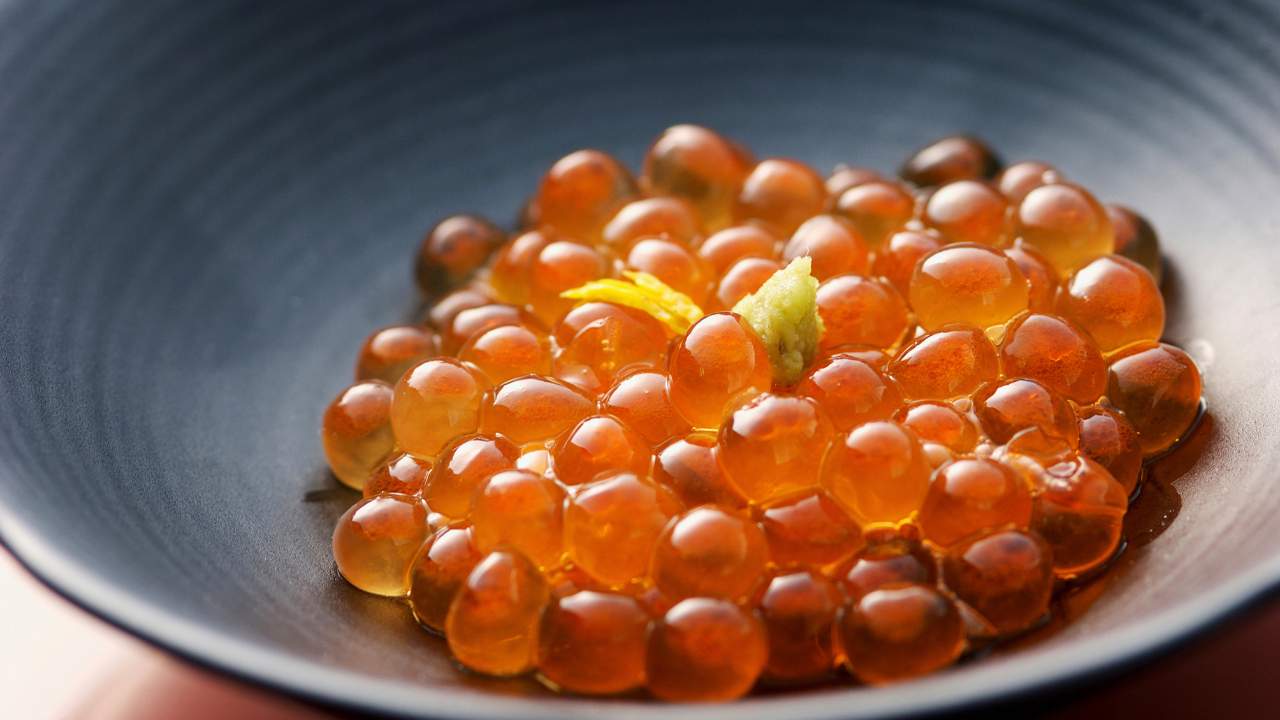
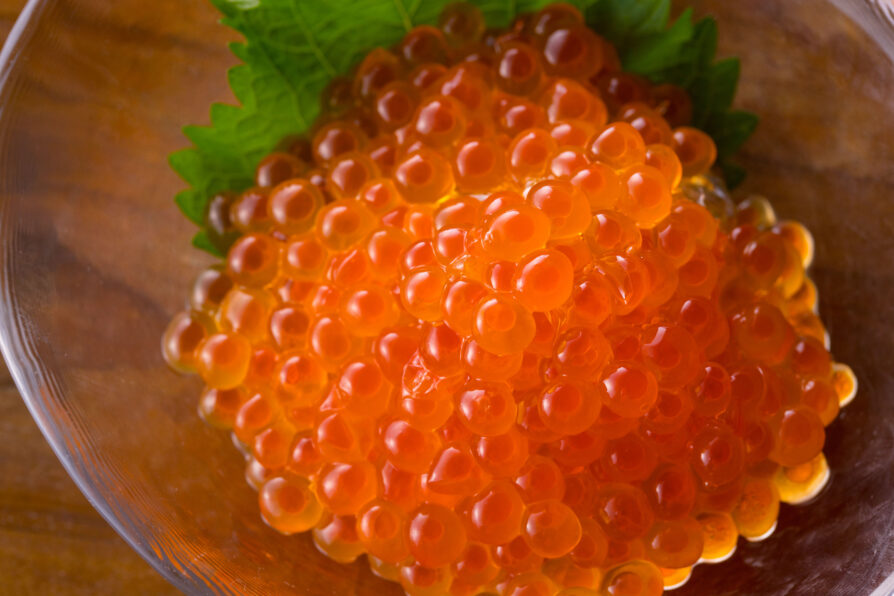
Beyond sturgeon, a vast array of other fish eggs contribute significantly to the global food industry. Salmon roe (ikura), trout roe, capelin roe (masago), and flying fish roe (tobiko) are widely consumed and utilized. These varieties cater to different price points and culinary applications. Salmon roe, for instance, is a popular ingredient in sushi and Japanese cuisine, offering a more accessible yet still premium product compared to sturgeon caviar. Trout roe is increasingly used as a garnish and flavor enhancer in various dishes. Capelin and flying fish roe, known for their vibrant colors and distinct textures, are staples in sushi bars worldwide, providing a cost-effective way to add visual appeal and flavor.
The economic model for these other edible roes often involves larger production volumes and broader distribution networks. While individual sales might be lower than sturgeon caviar, the aggregate market value is substantial. Businesses that can efficiently produce and market these diverse roes can establish strong revenue streams and cater to a wider consumer base, from casual diners to food manufacturers.
Supply Chain Dynamics and Value Addition
The journey of fish eggs from the water to the consumer’s plate is a complex logistical and economic undertaking. Understanding these dynamics is key to identifying profitable opportunities and managing risks.
Aquaculture and Sustainable Sourcing: The Foundation of Modern Production
The overwhelming majority of commercially available fish eggs today are sourced from aquaculture operations. This shift from wild-caught sources, which are often unsustainable and heavily regulated, has opened up new avenues for business and investment. Sustainable aquaculture practices are paramount, not only for environmental responsibility but also for long-term economic viability. Businesses must invest in controlled environments, advanced feeding techniques, and disease management to ensure consistent quality and yield. The development of selective breeding programs to enhance roe quality and production efficiency is an ongoing area of innovation and investment within the aquaculture sector. Certifications for sustainable aquaculture can also enhance market appeal and command premium pricing.
Processing and Preservation: Maximizing Shelf Life and Value
Once harvested, fish eggs undergo processing and preservation to extend their shelf life and prepare them for market. This can involve salting, pasteurizing, or other methods depending on the type of roe and its intended use. Businesses involved in processing can add significant value by developing proprietary techniques that enhance flavor, texture, and preservation. The packaging itself can also be a source of innovation, with premium packaging catering to the luxury market and more robust, cost-effective solutions for broader distribution. Understanding the specific preservation requirements for different types of roe is critical to minimizing spoilage and maximizing profitability.
Distribution and Marketing: Reaching the Consumer
The final stage of the value chain involves distributing the processed fish eggs to consumers, which can be through various channels including wholesale markets, restaurants, specialty food stores, and direct-to-consumer online sales. Marketing efforts play a crucial role in defining the perceived value of fish eggs. For luxury caviar, marketing often focuses on exclusivity, heritage, and culinary prestige. For other roes, marketing might emphasize versatility, health benefits, or affordability. Businesses that can effectively identify their target market and tailor their distribution and marketing strategies accordingly are more likely to succeed. E-commerce platforms have also opened up new direct-to-consumer opportunities, allowing businesses to bypass traditional intermediaries and capture a larger share of the profit margin.
Investment Opportunities and Revenue Models
The fish egg industry offers a diverse range of investment opportunities, from direct farming operations to specialized processing and distribution ventures. Understanding the various revenue models available can help investors identify the most suitable entry points.
Direct Investment in Aquaculture and Processing
For ambitious entrepreneurs and investors, direct involvement in the production of fish eggs offers the highest potential for returns, albeit with higher risk and capital requirements.
Establishing and Operating Fish Farms
The core of the industry lies in fish farming. This involves significant upfront investment in land, water rights, tanks, filtration systems, feed, and broodstock. The species chosen for farming will dictate the operational complexities, growth cycles, and market potential. For instance, farming sturgeon for caviar is a long-term endeavor, often taking 5-10 years before significant roe production begins. Farming species like trout or salmon for their roe can have shorter maturation periods. Investors must conduct thorough market research, secure necessary permits and licenses, and assemble a team with expertise in aquaculture management, fish health, and sustainable practices. The return on investment can be substantial, especially with successful yield and premium market access.
Investing in Processing and Value-Addition Facilities
Beyond farming, businesses can specialize in the processing and value-addition of fish eggs. This includes investing in state-of-the-art processing plants, developing innovative preservation techniques, and creating appealing packaging solutions. Such ventures can source their raw materials from multiple farms, diversifying their supply and mitigating risks associated with a single production source. These businesses often operate with lower capital requirements than full-scale farms but still demand expertise in food processing, quality control, and regulatory compliance. The ability to create unique, branded products from raw roe is a key driver of profitability in this segment.
Ancillary Businesses and Diversification
The economic ecosystem surrounding fish eggs extends to numerous ancillary businesses that support and complement the core production and processing activities.
Technology and Innovation in Aquaculture
The aquaculture sector is increasingly reliant on technology for efficiency and sustainability. Investments can be made in companies developing advanced water quality monitoring systems, automated feeding devices, disease diagnostic tools, and selective breeding technologies that specifically target roe production. These technological innovations can significantly improve yield, reduce costs, and enhance the quality of fish eggs, thereby creating substantial business value. Early-stage investment in promising aquaculture technology startups can offer high growth potential.
Marketing and Distribution Networks
Establishing specialized marketing and distribution networks for fish eggs can be a lucrative venture. This could involve creating online platforms for direct-to-consumer sales, developing cold chain logistics solutions for perishable roe products, or building relationships with high-end restaurants and retailers. Businesses that can efficiently connect producers with consumers, while ensuring product quality and timely delivery, can capture significant market share. The success of these ventures often hinges on strong branding, effective marketing campaigns, and reliable logistics.
Consulting and Expertise Services
As the aquaculture industry grows, there is an increasing demand for specialized consulting services. This includes expertise in farm design and setup, fish health management, sustainable farming practices, market analysis, and regulatory navigation. Individuals or firms with deep knowledge of fish egg production and the associated business landscape can offer valuable services, creating a consistent revenue stream through consulting fees and project-based engagements. This can be a lower-capital entry point into the industry for knowledgeable professionals.
Navigating Risks and Ensuring Profitability
While the business of fish eggs presents significant financial opportunities, it is not without its challenges. Proactive risk management and a focus on operational efficiency are paramount for sustained profitability.
Regulatory Compliance and Ethical Sourcing
The production and trade of fish eggs are subject to a complex web of international and national regulations. These often pertain to sustainability, food safety, import/export controls, and animal welfare. Businesses must dedicate resources to understanding and complying with these regulations to avoid costly fines, operational shutdowns, and reputational damage. Ethical sourcing, particularly concerning endangered sturgeon species, is increasingly important for consumer trust and market access. Adherence to CITES (Convention on International Trade in Endangered Species of Wild Fauna and Flora) regulations is crucial for any business involved in caviar.
Market Volatility and Consumer Demand
The demand for fish eggs, particularly luxury caviar, can be influenced by economic cycles, global events, and shifting consumer preferences. Businesses must maintain flexibility in their production and marketing strategies to adapt to these fluctuations. Diversifying product offerings to include a range of edible roes can help mitigate the impact of volatility in specific market segments. Continuous market research and trend analysis are essential for anticipating shifts in consumer demand and adjusting business strategies accordingly.
Operational Efficiency and Quality Control
Maximizing profitability requires a relentless focus on operational efficiency and stringent quality control. This includes optimizing feed conversion ratios, minimizing waste, and implementing robust quality assurance protocols at every stage of production and processing. Maintaining consistent high quality is vital for customer retention and building a strong brand reputation. Investing in training for staff, utilizing modern equipment, and embracing data-driven decision-making can all contribute to improved operational performance and reduced costs. Ultimately, success in the fish egg industry hinges on a blend of biological understanding, business acumen, and a commitment to quality.
aViewFromTheCave is a participant in the Amazon Services LLC Associates Program, an affiliate advertising program designed to provide a means for sites to earn advertising fees by advertising and linking to Amazon.com. Amazon, the Amazon logo, AmazonSupply, and the AmazonSupply logo are trademarks of Amazon.com, Inc. or its affiliates. As an Amazon Associate we earn affiliate commissions from qualifying purchases.