
Donating food is often viewed through the lens of altruism and community support. While the social impact is undeniable, food donation also represents a significant intersection of personal finance, corporate tax strategy, and resource management. For the financially conscious individual or the business owner, understanding where to donate food involves more than just finding a local pantry; it requires an analytical approach to maximizing the fiscal benefits of charitable giving while ensuring the highest return on impact.
In the modern financial landscape, charitable contributions are a pillar of comprehensive wealth management. By aligning philanthropic goals with tax regulations and financial planning, donors can provide essential support to food-insecure populations while optimizing their own bottom line. This guide explores the “Money” niche of food donation, focusing on tax deductions, institutional efficiency, and the strategic allocation of resources.
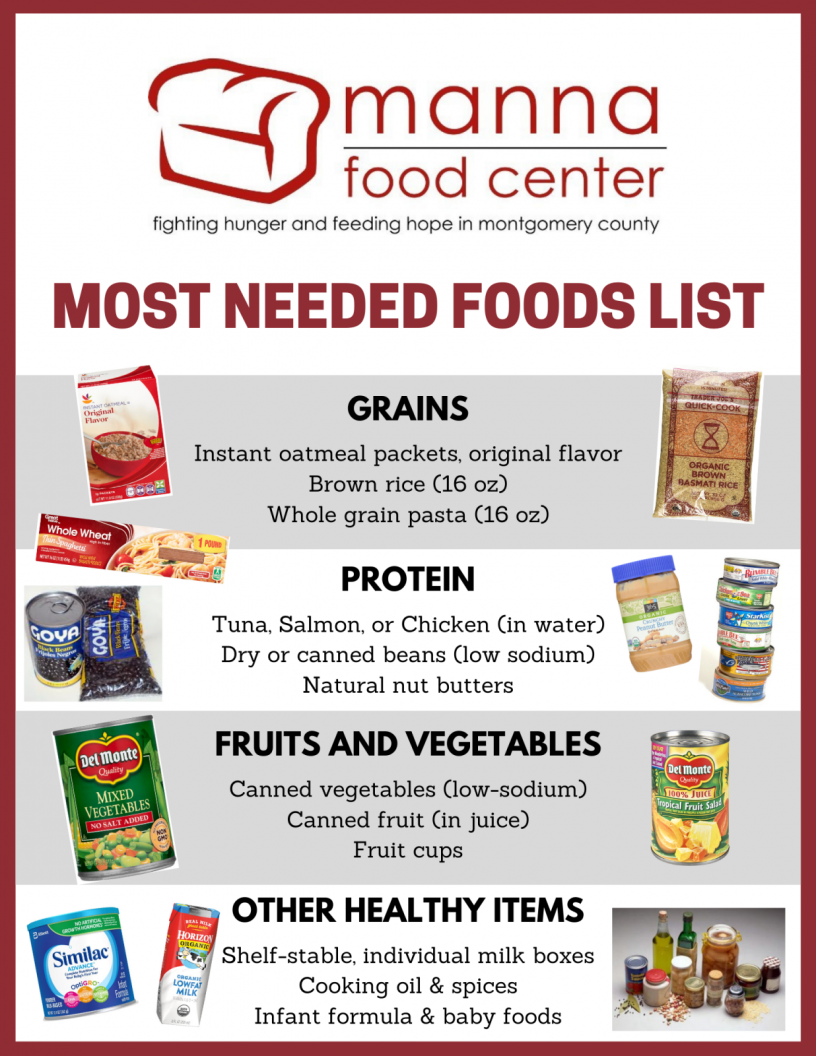
The Economics of Food Donation: Why It Makes Financial Sense
From a personal finance perspective, donating food—whether in the form of physical inventory or monetary equivalents—is a tool for reducing taxable income. However, the financial implications vary significantly depending on the status of the donor and the nature of the gift. Understanding the mechanics of these deductions is the first step in a professional approach to giving.
Understanding Tax Deductions for Charitable Contributions
For individual taxpayers, the primary financial incentive for donating food is the ability to claim an itemized deduction on federal income tax returns. To qualify, the donation must be made to a 501(c)(3) non-profit organization recognized by the IRS. The financial value of the donation is generally determined by the “fair market value” of the items at the time of the contribution.
It is crucial for donors to maintain meticulous records. For donations under $250, a receipt from the organization is typically sufficient. However, as the value of the donation increases, so does the level of documentation required. Strategic donors often consult with financial advisors to ensure that their total annual contributions stay within the deductible limits—usually 60% of adjusted gross income (AGI) for cash and 30% for non-cash assets—to avoid “wasting” potential tax breaks in a single fiscal year.
The Impact of the Enhanced Deduction for Food Inventory
For business owners and C-corporations, the financial benefits are even more pronounced. Under specific tax codes (such as Section 170(e)(3) in the United States), businesses can claim an “enhanced deduction” for the donation of food inventory. This allows companies to deduct the cost to produce the food plus half of the difference between the cost and the fair market value.
This specific financial provision is designed to encourage businesses to donate surplus inventory rather than disposing of it. From a business finance standpoint, this turns a potential loss (expired or unsellable inventory) into a strategic tax asset. It reduces the “carrying cost” of dead stock and provides a higher recovery of value than traditional liquidation methods might offer.
Selecting the Right Organizations: Financial Diligence and Accountability
In the realm of personal finance and investing, one would never put capital into a company without researching its balance sheet. The same rigor should be applied to food donation. Not all food banks are created equal in terms of financial stewardship. To ensure your “investment” in the community is sound, you must vet the financial health of the recipient organization.
Using Financial Rating Tools to Vet Food Banks
A professional donor views a food bank as a vehicle for social impact. To evaluate this vehicle, one should utilize third-party financial aggregators such as Charity Navigator, GuideStar, or the Better Business Bureau’s Wise Giving Alliance. These platforms provide deep dives into the organization’s Form 990, revealing how much of every dollar is spent on programs versus administrative overhead.
A “financially healthy” food bank typically allocates at least 85% to 90% of its budget directly to food procurement and distribution. If an organization spends a disproportionate amount on executive salaries or aggressive fundraising, it represents a poor “ROI” for the donor’s capital. By selecting high-performing organizations, donors ensure that their financial contributions are leveraged effectively.
Assessing Overhead Ratios and Program Efficiency
Beyond the surface-level percentages, a sophisticated financial analysis of a food bank involves looking at their “cost per meal.” Top-tier organizations, like Feeding America or regional mega-warehouses, often have optimized supply chains that allow them to provide several meals for every dollar donated.
For the donor, this means that a $100 cash donation might provide 1,000 meals through an efficient organization, whereas a less efficient one might only provide 200. In terms of maximizing the impact of your “charitable dollar,” the choice of organization is just as important as the amount donated. Financial transparency is a non-negotiable trait for any organization seeking significant food or monetary contributions.
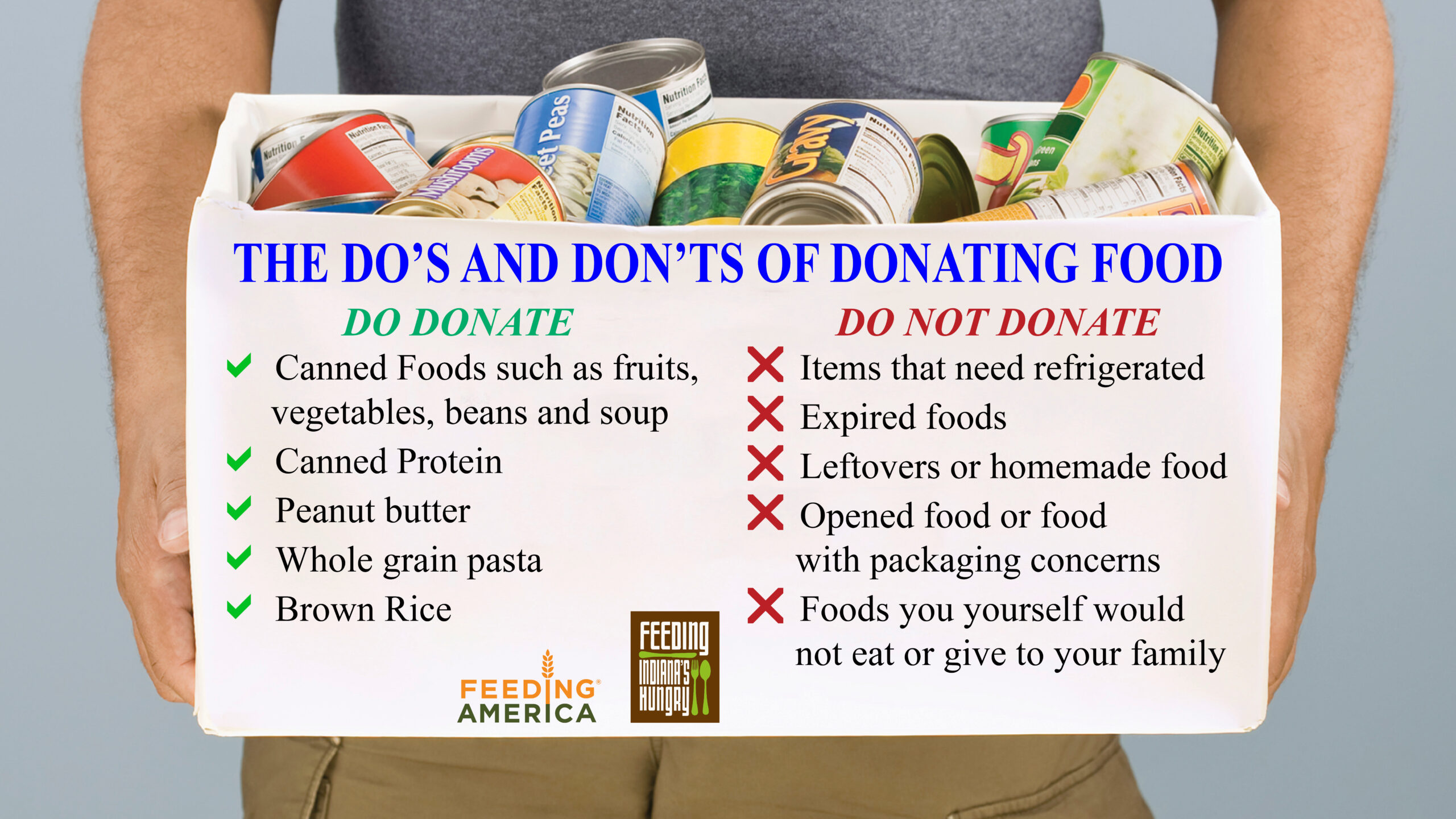
Strategic Giving: Maximizing Impact Through Cash vs. In-Kind Donations
A common dilemma for donors is whether to donate actual food items (in-kind) or cash. From a strictly financial and logistical perspective, the answer is almost always cash. Understanding the “multiplier effect” of institutional finance reveals why cash is the superior asset in the fight against food insecurity.
The Buying Power of Institutional Food Banks
While an individual consumer buys a can of soup at a retail price of $1.50, a major food bank operates at a wholesale and “rescue” level. Because they buy in massive bulk and have negotiated contracts with agricultural producers, their purchasing power is often 10 to 20 times greater than that of a private citizen.
When you donate $10, you are essentially providing the food bank with $100 or $200 worth of retail value food. If you instead spend $10 at a grocery store and donate the physical goods, the food bank only receives the $10 value. From a wealth-maximization perspective, cash donations are the most “liquid” and efficient way to provide support, allowing the organization to fill specific nutritional gaps in their inventory that donated cans cannot address.
Logistics Costs: When Donating Goods Becomes a Financial Burden
There is also a hidden financial cost to donating physical goods that many donors overlook. In-kind donations require manual sorting, inspection for expiration dates, and specialized storage. For many smaller pantries, the labor cost associated with processing a “food drive” bag of groceries can actually exceed the value of the food itself.
Strategic donors recognize that by providing cash, they are funding the organization’s operational infrastructure—refrigerated trucks, warehouse electricity, and professional logistics staff. This “unrestricted funding” allows the organization to operate with the agility of a lean business, reacting to supply chain fluctuations and ensuring that food reaches the most underserved areas at the lowest possible cost per unit.
Incorporating Food Donations into Your Business Finance Strategy
For entrepreneurs and corporate executives, food donation is not just a year-end “feel-good” activity; it is a component of Corporate Social Responsibility (CSR) that has tangible effects on the company’s valuation and brand equity, which in turn affects the bottom line.
Corporate Social Responsibility (CSR) and the Bottom Line
Modern investors increasingly look at ESG (Environmental, Social, and Governance) scores when evaluating companies. A robust food donation program reduces waste (Environmental) and supports the local community (Social). This can lead to increased interest from institutional investors and a potential “green premium” on the company’s stock price.
Furthermore, food donation can be a more cost-effective waste management strategy. Disposing of organic waste in landfills often incurs “tipping fees” and logistics costs. By diverting that food to a 501(c)(3), the company avoids the disposal fee while simultaneously gaining a tax deduction. This “double-win” is a hallmark of savvy business finance.
Integrating Charitable Giving into Annual Budgeting
Rather than treating food donation as a reactive response to surplus, high-performing businesses integrate it into their annual financial planning. This involves setting aside a percentage of revenue or inventory for charitable purposes, which allows for more predictable tax planning.
By forecasting these donations, a business can balance its books more effectively, ensuring that charitable outflows occur during high-revenue quarters to offset tax liability. This level of financial integration transforms “charity” into a structured “corporate asset,” proving that doing good and doing well are not mutually exclusive in the world of finance.

Conclusion: The Professional Path to Philanthropy
Where you donate food—and how you do it—is a reflection of your financial acumen. By moving beyond the emotional impulse to simply “give,” and instead applying the principles of tax optimization, institutional vetting, and resource efficiency, you can turn a simple act of kindness into a powerful financial strategy.
Whether you are an individual looking to optimize your itemized deductions or a business leader aiming to improve your CSR profile while managing inventory, the “Money” of food donation is clear: strategic giving yields the highest dividends for both the donor and the community. In the end, the most effective way to help the hungry is to treat your charitable contributions with the same level of professional scrutiny as your most prized investments.
aViewFromTheCave is a participant in the Amazon Services LLC Associates Program, an affiliate advertising program designed to provide a means for sites to earn advertising fees by advertising and linking to Amazon.com. Amazon, the Amazon logo, AmazonSupply, and the AmazonSupply logo are trademarks of Amazon.com, Inc. or its affiliates. As an Amazon Associate we earn affiliate commissions from qualifying purchases.