
In the landscape of personal finance and small business management, the “death by a thousand cuts” often comes in the form of incidental expenses. Whether you are orchestrating a cross-country relocation or scaling a burgeoning e-commerce side hustle, the cost of packaging and moving supplies can surprisingly erode your budget. A single heavy-duty moving box can retail for anywhere between $2.00 and $5.00; for a standard three-bedroom home requiring upwards of 100 boxes, this represents a $500 overhead before a single mile is driven.
Sourcing free boxes is more than just a frugal “hack”—it is an exercise in logistical arbitrage and overhead reduction. By identifying where high-volume commercial entities discard high-quality corrugated fiberboard, individuals and entrepreneurs can redirect capital toward more productive assets, such as investments or inventory. This guide explores the strategic landscape of sourcing free boxes through the lens of financial optimization and community-based resource management.
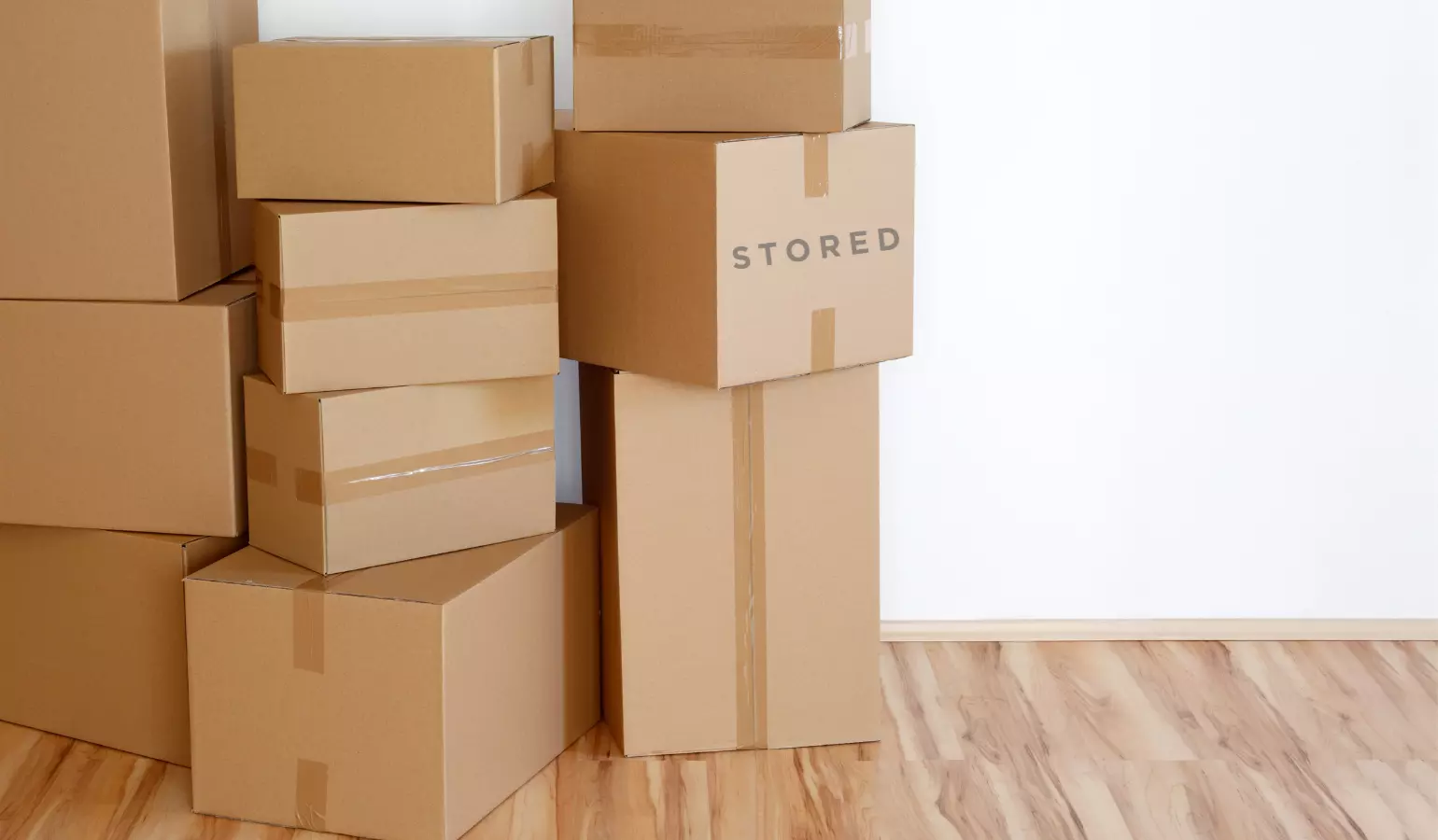
The Economic Impact of Small Expenses: Why Free Supplies Matter
In personal finance, we often focus on the “big wins”—refinancing a mortgage or negotiating a salary. However, professional wealth management also emphasizes the optimization of “leakage.” Expenditure on temporary-use items like cardboard boxes is a prime example of capital that provides zero long-term ROI.
The Hidden Costs of Relocation and Logistics
Relocating is one of the most significant financial events an individual faces. Between security deposits, moving truck rentals, and professional labor, the “soft costs” accumulate rapidly. By eliminating the line item for packing materials, you effectively increase your moving “margin.” This is money that can be better allocated toward a home emergency fund or initial utility deposits in a new location. From a financial perspective, every dollar saved on a box is a dollar of tax-free “income” saved.
Boosting Profit Margins for Small E-commerce Ventures
For the side hustler selling on platforms like eBay, Poshmark, or Etsy, the cost of goods sold (COGS) isn’t just the item itself—it’s the packaging. If you sell a vintage item for $30 and spend $4 on a box and padding, you have sacrificed over 13% of your gross revenue to a disposable container. By integrating a “zero-cost supply chain” for packaging, small business owners can significantly lower their break-even point and increase their competitive edge in a crowded digital marketplace.
High-Volume Sources for Zero-Cost Inventory
To source boxes effectively, one must understand the inventory cycles of major retailers. Businesses pay for waste removal services, often based on volume. By taking their high-quality boxes, you are frequently doing them a favor by reducing their recycling bin overflow.
Leveraging Big-Box Retailers and Supermarkets
Supermarkets are the gold mine of the free-box economy because of their daily replenishment cycles. However, not all grocery boxes are created equal.
- Produce Sections: While plentiful, produce boxes (like those for apples or bananas) can sometimes carry organic residue or moisture.
- Liquor Stores: These provide the highest quality-to-size ratio. Liquor boxes are designed to hold significant weight and often include internal dividers, making them perfect for fragile items or heavy books.
- Warehouse Clubs: Stores like Costco or Sam’s Club operate on a model where they do not provide bags, often leaving bins of boxes near the checkout. Strategically visiting these locations during mid-week mornings ensures the best selection before the weekend rush.
The Liquidation Cycle: Sourcing from Bookstores and Electronics Outlets
If your goal is structural integrity, bookstores (like Barnes & Noble or independent shops) are the premier destination. Books are incredibly dense; consequently, the boxes they are shipped in are built to withstand immense pressure and prevent bursting. Similarly, electronics retailers handle high-value, fragile goods that require double-walled corrugated cardboard. These boxes are often cleaner and more uniform in size than those found at grocery stores, which aids in the efficient stacking of a moving truck—a key factor in preventing damage to your assets.
Digital Platforms and Hyper-Local Community Networking
The rise of the “sharing economy” has digitized the process of finding free supplies. Instead of driving from store to store, savvy financial planners use digital tools to locate supplies within a five-mile radius, saving both time and fuel costs.
The Gig Economy Approach: Using Facebook Marketplace and Freecycle
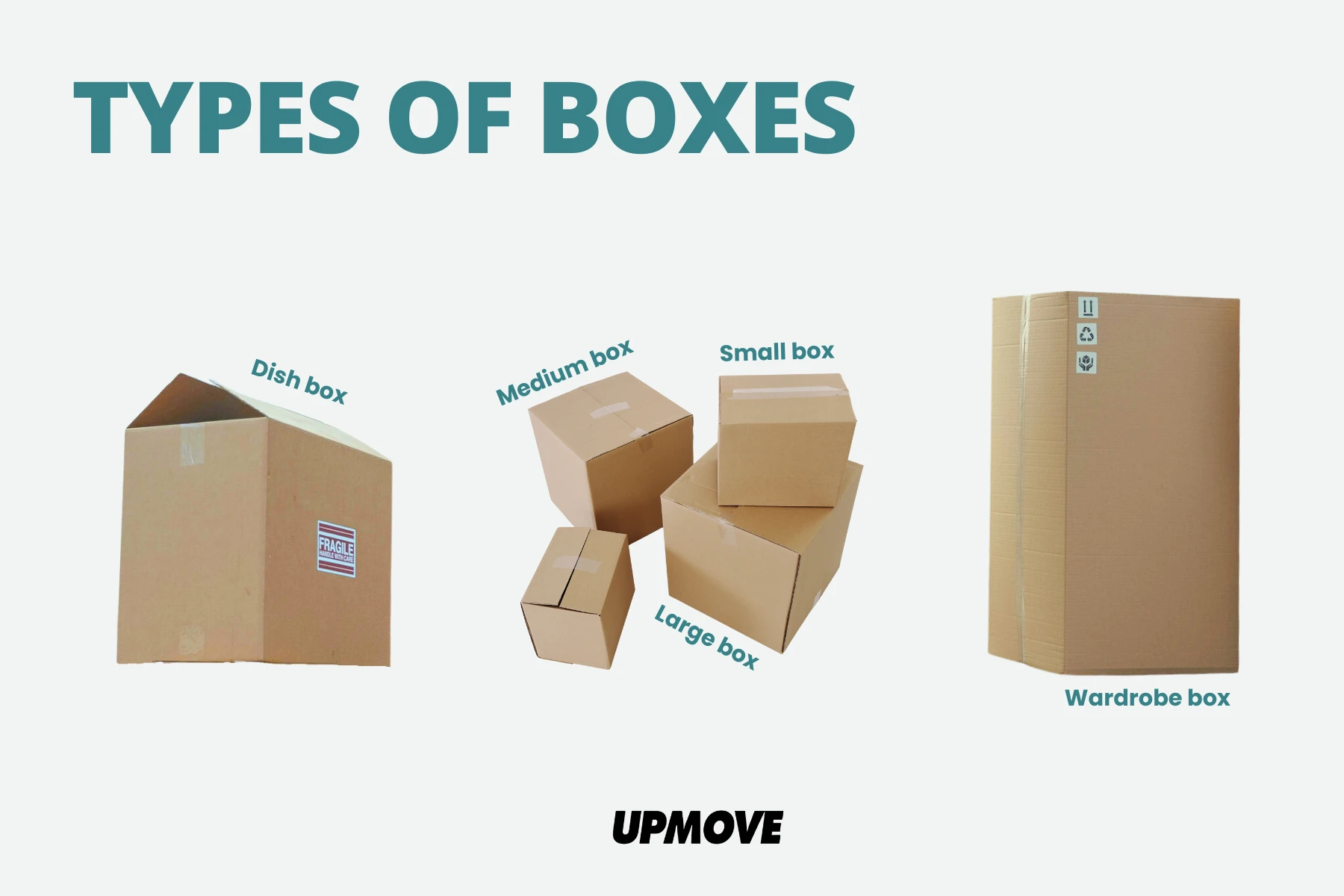
Facebook Marketplace has largely supplanted Craigslist as the go-to hub for local exchanges. Most individuals who have recently moved are desperate to reclaim their garage or living room space from the mountain of cardboard left behind. By searching for “free moving boxes” and setting alerts, you can often acquire a complete “moving kit”—including specialty wardrobe boxes and dish barrels—for the cost of a 10-minute drive. This is a form of peer-to-peer resource sharing that reduces environmental waste while preserving your capital.
Community Apps: Nextdoor and the Peer-to-Peer Exchange Model
Nextdoor is uniquely suited for sourcing boxes because it operates on a verified neighborhood basis. The logistics of picking up boxes become significantly easier when the source is three streets away. Furthermore, many neighborhoods have “Buy Nothing” groups. These are structured communities dedicated to the gift economy. Participating in these groups not only provides you with the supplies you need but also builds social capital within your local community, which can lead to other financial opportunities, such as shared tool libraries or local service bartering.
Quality Control and Safety Protocols for Reused Materials
From a risk management perspective, not all free boxes are “good” boxes. Using a compromised box to transport a $1,000 television is a poor financial decision. You must apply a rigorous vetting process to your sourced materials to protect your more valuable assets.
Structural Integrity and Weight Capacity Standards
Before accepting a box, inspect the “Box Manufacturer’s Certificate” (usually printed on the bottom). This stamp tells you the “Burst Test” rating or the “Edge Crush Test” (ECT). For moving heavy items, you should look for an ECT of at least 32. Avoid boxes with water stains, deep creases, or “soft” corners. A box that collapses in a moving truck can cause a domino effect, damaging thousands of dollars of furniture and electronics—a net loss that far outweighs the savings of the free box.
Sanitation and Pest Prevention in the Secondary Market
One of the primary risks of sourcing boxes from the “wild” is the potential for pests, particularly cockroaches or bedbugs, which are attracted to the corrugated ridges and the glue used in cardboard. To mitigate this financial risk:
- Inspect thoroughly: Check every seam and fold under bright light.
- Avoid high-risk sources: Be wary of boxes left outside near dumpsters or in damp alleyways.
- Quarantine: If sourcing from a residential area via Facebook or Nextdoor, keep the boxes in a garage or shed for 48 hours before bringing them into your main living area.
Protecting your home from an infestation is a vital component of maintaining your property value and avoiding the high costs of professional extermination.
Scaling Your Savings: From Personal Use to Business Strategy
As you master the art of sourcing free supplies, you can transition this habit from a one-time moving tactic into a long-term business strategy. This aligns with the principles of “lean” operations, where minimizing waste is paramount to success.
Sustainable Business Practices and Brand Perception
In the modern market, consumers are increasingly conscious of environmental impact. Using recycled or repurposed packaging is not just a cost-saving measure; it can be a branding asset. By including a small note in your shipments explaining that “this package is being reused to reduce our carbon footprint,” you turn a financial necessity into a brand-building “green” initiative. This builds customer loyalty and can actually allow you to command a premium price for your products.

Integrating Free Sourcing into Your Long-Term Financial Plan
The mindset required to source free boxes—resourcefulness, patience, and logistical planning—is the same mindset required for successful investing. It is about identifying undervalued resources and utilizing them to their full potential. Whether you are saving $500 on a move or $2,000 a year on shipping supplies for a side business, that capital, when placed into a diversified index fund, can grow significantly over time.
In conclusion, “where can you get free boxes” is not merely a question of location; it is a question of financial strategy. By looking toward large-scale retailers, utilizing hyper-local digital networks, and maintaining a strict standard for quality control, you can eliminate a significant “ghost expense” from your budget. In the world of finance, it is often said that a penny saved is a penny earned—but in the world of logistics, a box saved is a margin earned. Focus on the details of your overhead, and your bottom line will reflect the discipline of your strategy.
aViewFromTheCave is a participant in the Amazon Services LLC Associates Program, an affiliate advertising program designed to provide a means for sites to earn advertising fees by advertising and linking to Amazon.com. Amazon, the Amazon logo, AmazonSupply, and the AmazonSupply logo are trademarks of Amazon.com, Inc. or its affiliates. As an Amazon Associate we earn affiliate commissions from qualifying purchases.