
The world of Japanese cuisine is rich with nuance, and nowhere is this more evident than in the distinct identities of sushi and sashimi. While often grouped together in the Western imagination, these two culinary expressions represent fundamentally different approaches to showcasing ingredients, each with its own unique brand promise, sensory appeal, and market positioning. Understanding these differences is not just about satisfying a palate; it’s about appreciating the strategic branding that has elevated these dishes from simple food items to globally recognized, aspirational culinary experiences.
In essence, sushi and sashimi are not interchangeable terms. They represent distinct products, each built upon a foundation of specific ingredients, preparation techniques, and a philosophy of taste that informs their brand narrative. This article will delve into the core distinctions, exploring how their unique characteristics create their respective brand archetypes, influence consumer perception, and contribute to their enduring popularity in the global marketplace.
The Foundational Brand Elements: Rice vs. Pure Ingredient
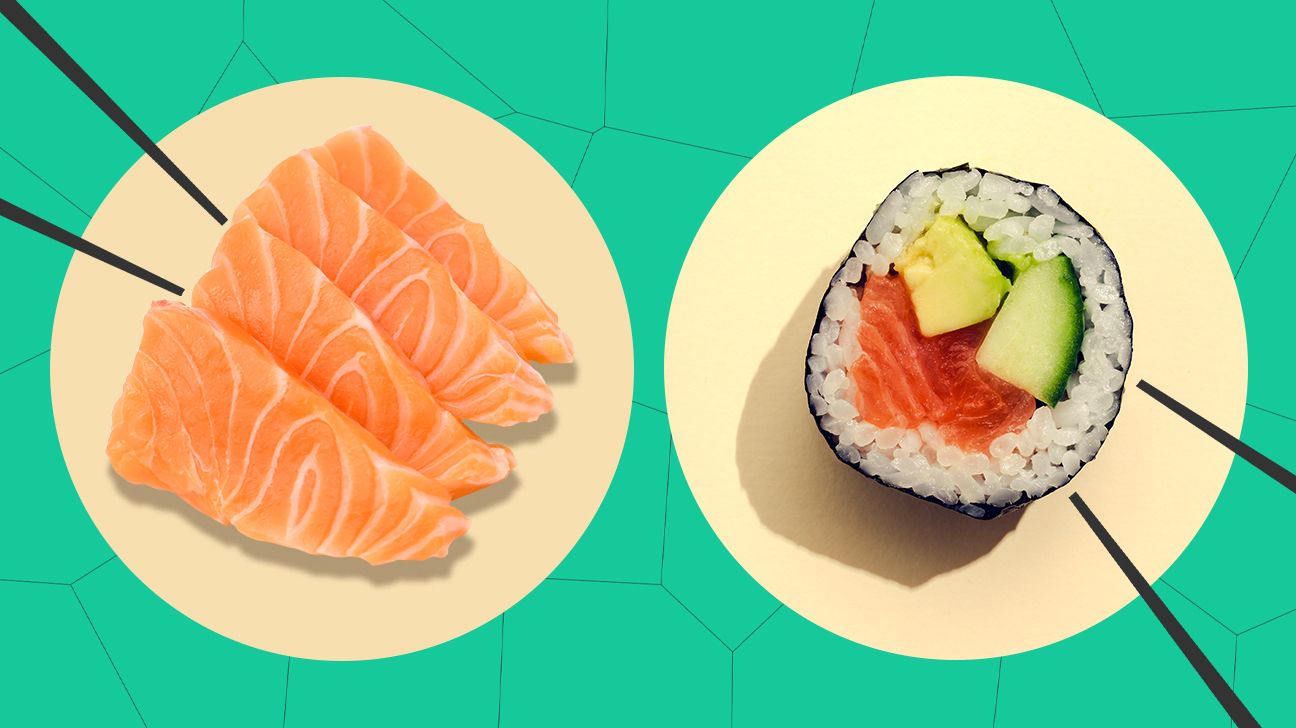
At the heart of the distinction between sushi and sashimi lies their foundational brand element: the role of rice. This is where the divergence in their culinary philosophy, and consequently their brand positioning, begins.
Sushi: The Harmonious Ensemble, Led by Rice
The overarching brand of sushi is one of harmony and balance, with expertly prepared vinegared rice, known as shari, serving as the indispensable unifying element. Shari is not merely a filler; it is a co-star, meticulously crafted to possess a delicate tang, a subtle sweetness, and a perfect texture that complements, rather than overpowers, the other ingredients. This emphasis on the rice is a cornerstone of sushi’s brand identity. It signals a dish that is more than the sum of its parts, a carefully orchestrated culinary composition.
- The Brand Promise of Versatility: The inclusion of rice imbues sushi with an inherent versatility that sashimi lacks. This allows sushi to be presented in a myriad of forms, each with its own sub-brand identity. Think of the elegant simplicity of nigiri, where a sliver of fish rests atop a rice mound, or the tightly rolled maki, encasing various fillings within a seaweed (nori) wrapper. Each variation offers a slightly different textural and flavor experience, broadening the appeal and market reach of the sushi brand. This adaptability allows sushi to cater to a wider range of preferences, from the purist to the adventurous eater.
- Sensory Branding Through Texture and Flavor Integration: The brand experience of sushi is deeply rooted in the interplay of textures and flavors. The soft, yielding rice provides a comforting base, while the chosen topping – be it the delicate sweetness of shrimp, the rich umami of tuna, or the creamy tang of avocado – adds layers of complexity. The subtle acidity of the vinegar in the rice cuts through richness, creating a palate-cleansing effect that encourages repeated engagement with the dish. This integrated sensory experience is a key component of sushi’s brand appeal, promising a satisfying and multi-dimensional culinary journey.
- The “Complete Meal” Perception: Due to the presence of carbohydrates from the rice, sushi is often perceived as a more complete meal on its own. This perception positions sushi as a convenient and satisfying option, suitable for lunch or dinner, and contributes to its broader appeal as a go-to choice for a quick yet refined culinary experience. This “ready-to-eat” aspect is a significant brand differentiator.
Sashimi: The Unadulterated Showcase of Pure Ingredient
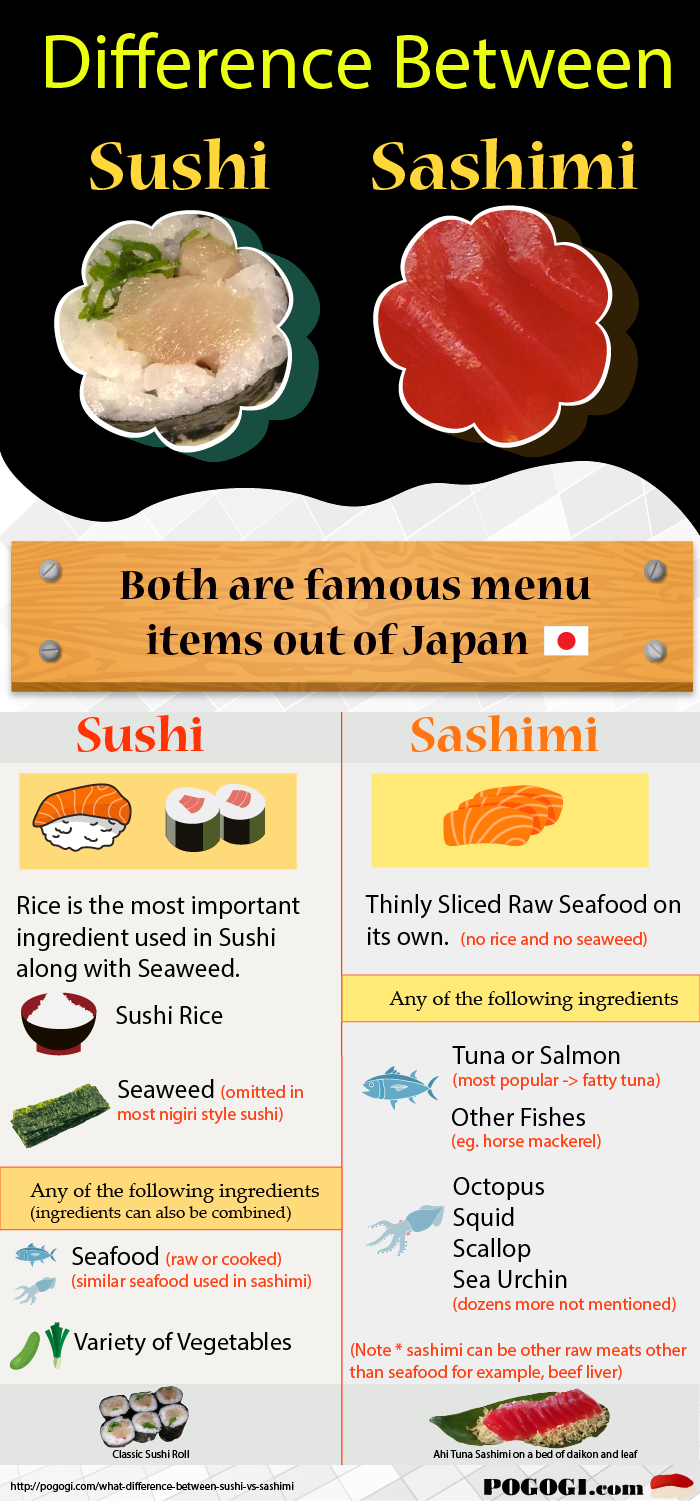
In stark contrast, the brand of sashimi is built upon an unwavering reverence for the pure, unadulterated essence of its star ingredient, most commonly raw fish or seafood. The philosophy here is one of minimalist perfection, where the natural flavors, textures, and aromas of the ingredient are allowed to shine with absolute clarity. There is no rice to buffer, no complex sauces to mask – just the pristine quality of the ocean’s bounty.
- The Brand Promise of Purity and Quality: The defining characteristic of the sashimi brand is its unwavering commitment to ingredient quality. This is not simply about freshness; it’s about sourcing the finest, most ethically produced seafood, handled with the utmost care and precision. The brand promise is one of unparalleled taste derived solely from the natural characteristics of the protein. This emphasis on provenance and meticulous preparation elevates sashimi to a premium category, appealing to connoisseurs who seek the purest expression of flavor.
- Sensory Branding Through Texture and Taste Purity: The sensory experience of sashimi is a masterclass in subtle appreciation. The melt-in-your-mouth texture of fatty tuna, the firm, clean bite of sea bream, or the delicate sweetness of scallops are experienced in their unvarnished glory. Accompaniments like thinly sliced radish (daikon), a touch of wasabi, or a delicate dip in soy sauce are intended to enhance, not dominate, the inherent flavor. This minimalist approach to flavor amplification allows for a deeper understanding and appreciation of the ingredient’s nuanced profile, creating a brand association with sophistication and refined taste.
- The “Ingredient-Focused” Culinary Statement: Sashimi’s brand identity is intrinsically linked to its status as an ingredient-focused culinary statement. It’s a dish that speaks volumes about the chef’s skill in selecting and preparing high-quality produce. This positions sashimi as a choice for those who prioritize the integrity of the raw ingredient, seeking an experience that is both elemental and deeply satisfying. It’s a direct connection to the source, unmediated by complex preparation.
The Art of Presentation: Visual Branding and Perception
Beyond the fundamental ingredients, the way sushi and sashimi are presented plays a crucial role in shaping their respective brand perceptions. The visual aesthetics are not incidental; they are carefully curated elements that communicate value, quality, and the overall brand experience.
Sushi: A Canvas of Color and Form
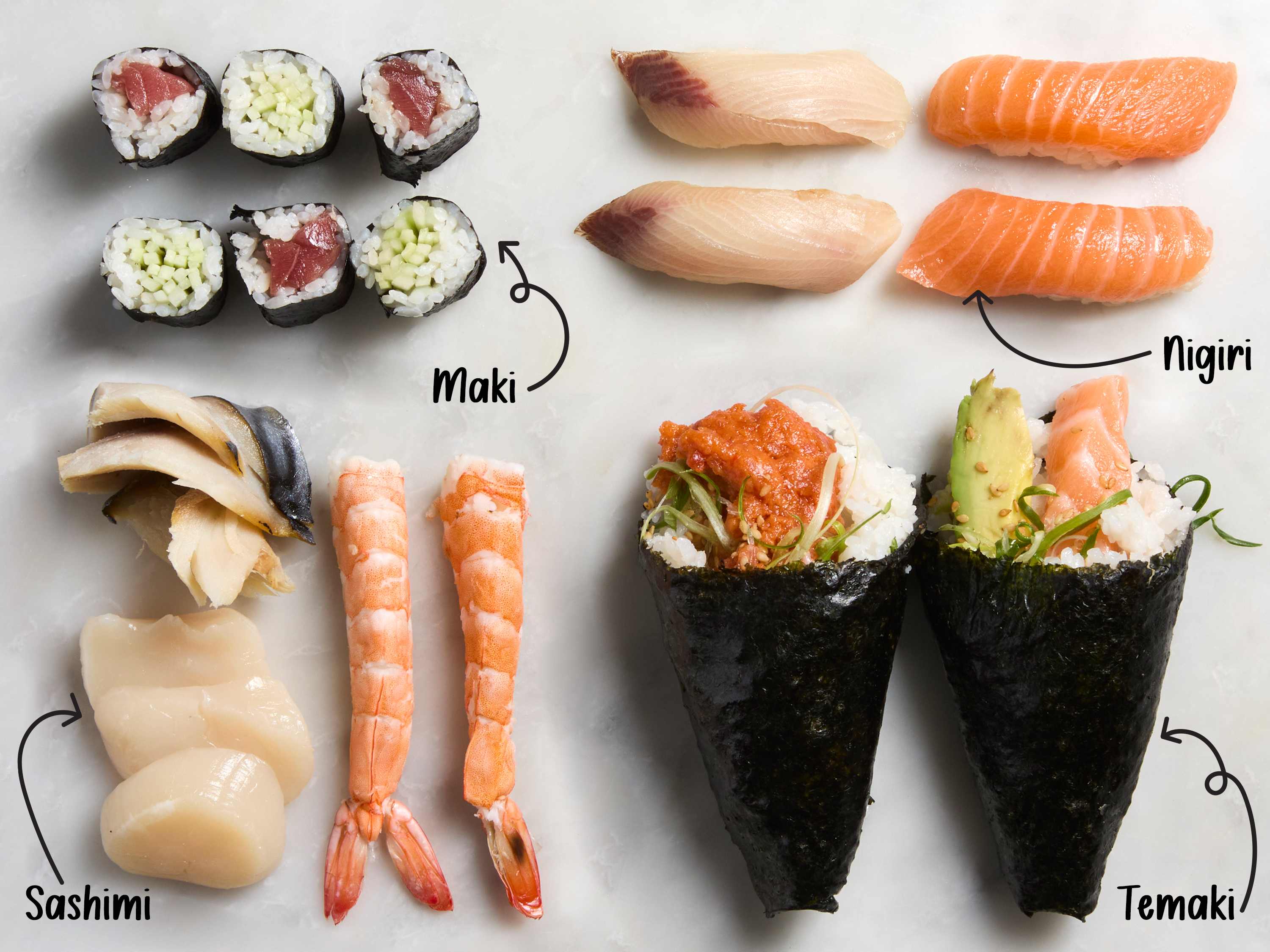
The presentation of sushi is a vibrant tapestry, designed to be visually appealing and indicative of its diverse nature. The varied shapes and colors of maki rolls, the glistening toppings on nigiri, and the decorative garnishes all contribute to a lively and inviting brand image.
- Diverse Forms, Diverse Appeals: The myriad forms of sushi – from the compact elegance of nigiri to the artistic arrangement of chirashi (scattered sushi) bowls – offer a visual narrative of variety. This diversity is a key component of sushi’s brand appeal, suggesting a culinary experience that can be tailored to individual preferences and occasions. The visual distinctiveness of each type of sushi allows for targeted marketing and consumer engagement.
- The “Artful Arrangement” Narrative: Sushi often emphasizes an artful arrangement, where colors, shapes, and textures are balanced to create an aesthetically pleasing composition. This visual harmony reinforces the brand’s promise of balance and culinary artistry. The meticulous placement of ingredients is a subtle signal of the care and precision invested in the dish.
- Accessibility and Approachability: The visual vibrancy and variety of sushi can also contribute to its perception of accessibility and approachability. The colorful rolls and familiar shapes can be less intimidating for newcomers to Japanese cuisine, making sushi a more welcoming gateway to exploring the broader culinary landscape. This broad appeal is a testament to effective visual branding.
Sashimi: The Pristine Canvas of Purity
The presentation of sashimi is characterized by its minimalist elegance, designed to highlight the natural beauty and inherent quality of the ingredients. The focus is on showcasing the pristine textures, colors, and subtle marbling of the raw seafood.
- Minimalist Elegance for Maximum Impact: Sashimi is typically presented with deliberate simplicity. The precise slicing of the fish, the arrangement on a clean plate, often adorned with a few sprigs of garnish or a delicate swirl of wasabi, emphasizes the purity of the ingredient. This minimalist approach creates a visual narrative of sophistication and respect for the raw product.
- Highlighting Natural Color and Texture: The visual appeal of sashimi lies in its natural colors – the vibrant pinks of tuna, the pearlescent whites of sea bass, the subtle marbling of salmon. The presentation is designed to draw attention to these intrinsic qualities, communicating the freshness and quality of the seafood. The visual cues directly inform the consumer about the inherent value and taste experience to come.
- The “Chef’s Expertise” Showcase: The precise cuts and meticulous arrangement of sashimi are a direct showcase of the chef’s skill and expertise. This elevates sashimi beyond a mere dish to an exhibition of culinary craftsmanship. The visual presentation serves as a tangible representation of the chef’s dedication to perfection, reinforcing the premium brand positioning of sashimi.
The Market Positioning and Consumer Choice: Branding in Action
The fundamental differences in their brand elements and presentation lead to distinct market positioning for sushi and sashimi, influencing how consumers perceive and choose between them.
Sushi: The Broad Appeal of Variety and Value
Sushi’s brand is positioned as a versatile, accessible, and often more budget-friendly option that offers a broad spectrum of flavors and experiences. Its brand narrative resonates with a wide demographic.
- The “Everyday Luxury” Brand: For many, sushi represents an accessible form of culinary indulgence. It’s a dish that can be enjoyed for a casual lunch, a lively dinner with friends, or even a quick, healthy snack. This positions sushi as an “everyday luxury,” a treat that is attainable without being exclusive. The brand promise is one of enjoyment and satisfaction accessible to a wide range of consumers.
- Adaptability to Different Occasions: The inherent variety in sushi allows it to be adapted to numerous occasions and consumer needs. From simple tuna rolls for a quick bite to elaborate platters for celebrations, sushi’s brand flexibility makes it a perennial favorite. This adaptability ensures its relevance and continued popularity across diverse consumer segments.
- The “Gateway” to Japanese Cuisine: The approachable nature of many sushi dishes, particularly maki rolls, often makes it the initial entry point for individuals exploring Japanese cuisine. This “gateway” status solidifies sushi’s position as a widely recognized and often preferred choice, driving significant market volume.
Sashimi: The Premium Niche for Connoisseurs
Sashimi, on the other hand, occupies a more premium niche, appealing to those who prioritize ingredient quality and a refined, unadulterated taste experience. Its brand resonates with a discerning clientele.
- The “Ultimate Ingredient Showcase” Brand: Sashimi’s brand is unequivocally about the celebration of the finest raw ingredients. It is positioned as a dish for those who seek the purest expression of flavor, demanding the highest quality seafood. This positions sashimi as a premium offering, attracting consumers who are willing to pay for exceptional quality and a sophisticated culinary experience.
- The “Chef’s Skill” Appreciation: The appreciation of sashimi often goes hand-in-hand with an admiration for the chef’s expertise in selecting, preparing, and presenting the raw ingredients. This creates a brand association with culinary artistry and a deep understanding of seafood. Consumers choosing sashimi are often seeking to experience the chef’s mastery.
- The “Special Occasion” Treat: Due to its higher price point and emphasis on premium ingredients, sashimi is often perceived as a special occasion treat. This positioning reinforces its exclusivity and elevates the experience of consuming it. The brand narrative of sashimi often includes elements of celebration and elevated dining.
In conclusion, while both sushi and sashimi hail from the same rich culinary tradition, their differences in foundational elements, presentation, and market positioning create distinct and powerful brands. Understanding these distinctions allows us to appreciate the strategic nuances that have made both dishes global ambassadors of Japanese cuisine, each offering a unique and compelling brand promise to discerning consumers worldwide.
aViewFromTheCave is a participant in the Amazon Services LLC Associates Program, an affiliate advertising program designed to provide a means for sites to earn advertising fees by advertising and linking to Amazon.com. Amazon, the Amazon logo, AmazonSupply, and the AmazonSupply logo are trademarks of Amazon.com, Inc. or its affiliates. As an Amazon Associate we earn affiliate commissions from qualifying purchases.