
In the modern digital landscape, the question “where can I get free food?” has evolved from a matter of physical searching to a sophisticated exercise in navigating the “Food Tech” ecosystem. Technology has fundamentally shifted the way we address food surplus and scarcity. What used to be a local, word-of-mouth process is now driven by geolocation services, real-time data analytics, and the sharing economy. For those looking to optimize their food budget or reduce their environmental footprint, the intersection of software and sustainability offers a wealth of opportunities.

1. The Rise of Food Rescue Apps and the Sharing Economy
The most significant technological advancement in the search for free or highly discounted food is the rise of the “Food Rescue” app. These platforms act as intermediaries between businesses with surplus stock and consumers looking for value. By leveraging real-time inventory tracking and mobile notifications, these apps prevent perfectly good food from ending up in landfills.
The Impact of Hyper-Local Sharing Platforms
Apps like Olio have revolutionized the “neighbor-to-neighbor” sharing model. Olio uses GPS technology to create a digital marketplace for items that would otherwise go to waste. Users can take a photo of food items—ranging from home-grown vegetables to near-expiry pantry staples—and list them for free. The platform’s success lies in its community-driven moderation and robust notification system, which ensures that food is picked up within hours. This peer-to-peer tech infrastructure democratizes food access without the need for centralized warehouses.
Surplus Management Software for Retailers
On the commercial side, platforms like Too Good To Go (TGTG) and Karma utilize sophisticated backend software to help bakeries, restaurants, and grocery stores sell “Surprise Bags” of leftover food at a fraction of the cost. While not always strictly free, these apps often feature promotional codes and “zero-waste” initiatives that offer free credits. The technology relies on geofencing, pushing alerts to users when a store within a 1-mile radius has surplus. This algorithmic matching of supply and demand is a prime example of how tech solves logistics problems in the food industry.
2. Leveraging Digital Loyalty Programs and AI-Driven Rewards
For many, the most consistent way to obtain free food is through the strategic use of corporate “MarTech” (Marketing Technology). Modern food brands utilize highly optimized mobile applications to drive customer retention, often offering free meals as an acquisition hook or a reward for data sharing.
Algorithmic Personalization and Sign-Up Incentives
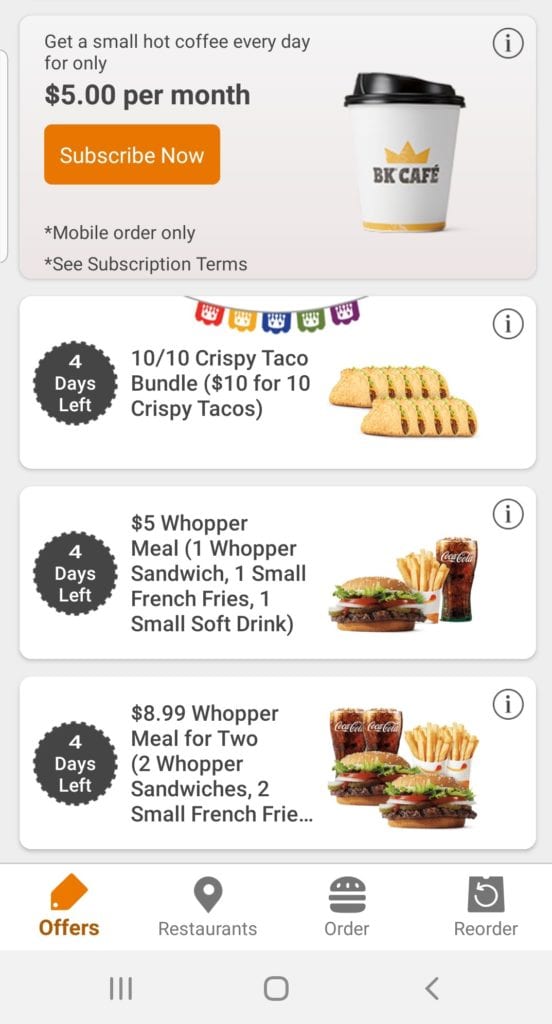
Most major Quick Service Restaurant (QSR) chains—such as McDonald’s, Starbucks, and Chipotle—offer a free item simply for downloading their app and creating an account. This is a calculated data-for-value exchange. Behind the scenes, these apps use AI to track user behavior, sending “We Miss You” push notifications that often include coupons for free items. By understanding the “Customer Lifetime Value” (CLV), these companies use their tech stacks to distribute free food to keep users engaged with the brand.
Gamification and Points-Based Ecosystems
The integration of gamification into food apps has created a new way for tech-savvy users to earn free meals. Users can earn points not just through purchases, but through digital interactions such as taking surveys, referring friends via unique API-generated links, or participating in “challenges.” These points systems are managed by complex database architectures that ensure real-time updates to a user’s digital wallet, allowing for seamless “point-of-sale” (POS) redemption for free food.
3. Digital Mapping and Data Democratization for Community Resources
Beyond commercial apps, technology plays a critical role in connecting individuals with non-profit resources. The digitalization of food bank inventories and the creation of open-source maps have made it easier than ever to locate community fridges and pantries.
Open-Source Mapping and Community Fridges
The “Community Fridge” movement has been greatly amplified by digital mapping tools like Google Maps API integrations and specialized web directories. Software developers have created collaborative maps where volunteers can update the status of a fridge in real-time. If a fridge is stocked with fresh produce or pre-packaged meals, a quick update to the web app alerts the local community. This use of crowdsourced data ensures that those in need do not travel to an empty location.
API Integration for Food Bank Locators
Organizations like Feeding America and local government agencies use sophisticated database management systems to power their “Food Finder” tools. By entering a zip code, users tap into a vast network of updated data points. These tools often include metadata such as hours of operation, eligibility requirements, and even real-time updates on what types of food are currently in stock. The move toward “Find Food” APIs allows other developers to build these locators into larger social service apps, creating a more interconnected safety net.
4. The Role of Social Media and Digital Communities
While dedicated apps are powerful, the “social layer” of the internet provides some of the most immediate information regarding free food. Social media platforms serve as real-time newsfeeds for local events, corporate giveaways, and community mutual aid.
Subreddits and Telegram Alert Bots
On platforms like Reddit, communities such as r/FreeFood and r/Coupons act as crowdsourced intelligence hubs. Users share “glitch deals” (errors in a company’s digital pricing or coupon logic) and nationwide promo codes. Advanced users often set up “bots” or use tools like IFTTT (If This Then That) to receive a Telegram or SMS notification the moment a post with the keyword “free” appears. This automation allows tech-literate individuals to claim limited-time offers before they expire.
Geotagged Discovery on Short-Form Video Platforms
TikTok and Instagram Reels have become unconventional search engines for free food. Influencers and “deal hunters” use geotagging and hashtags like #FreeFoodNYC or #DumpsterDiving (a controversial but tech-documented practice) to share locations of food abundance. The algorithmic nature of these platforms means that once a user interacts with “food hack” content, the AI continues to serve them the latest digital coupons and localized food events, creating a self-sustaining loop of information.
5. The Future of Food Access: AI and Blockchain Solutions
Looking forward, the technology used to find and distribute free food is becoming even more advanced. We are moving away from manual searching toward predictive systems that anticipate where food waste will occur and where it is needed most.
Predictive Analytics for Food Waste Prevention
AI is now being used to predict surplus at the supply chain level. “Dynamic Pricing” software can automatically lower the price of a grocery item to zero as it nears its expiration date, notifying nearby app users instantly. In the future, smart refrigerators equipped with Computer Vision could automatically list expiring items on sharing platforms like Olio without human intervention. This “Internet of Things” (IoT) integration would create a seamless flow of surplus food from those who have it to those who need it.
Blockchain for Transparent Food Distribution
Blockchain technology is beginning to be explored as a way to track food donations. By using a decentralized ledger, donors can see exactly where their food or monetary contributions go. For the recipient, a blockchain-based “digital food voucher” can be issued to their smartphone, ensuring they can pick up free food at participating retailers with dignity and privacy. This eliminates the need for physical paperwork and reduces the administrative overhead for non-profits, allowing more resources to go directly toward feeding people.

Conclusion
The answer to “where can I get free food?” is increasingly found within the palm of your hand. From the sophisticated algorithms of retail apps to the grassroots power of open-source mapping, technology has become the bridge between waste and want. By mastering these digital tools—whether through food rescue apps, loyalty programs, or community data networks—individuals can navigate the modern economy more effectively, ensuring that surplus food reaches a table rather than a trash bin. As AI and real-time data continue to evolve, the goal is a friction-less system where no food is wasted and no one goes hungry in a digitally connected world.
aViewFromTheCave is a participant in the Amazon Services LLC Associates Program, an affiliate advertising program designed to provide a means for sites to earn advertising fees by advertising and linking to Amazon.com. Amazon, the Amazon logo, AmazonSupply, and the AmazonSupply logo are trademarks of Amazon.com, Inc. or its affiliates. As an Amazon Associate we earn affiliate commissions from qualifying purchases.